Traveling with hiking poles can be a necessity for adventurers, hikers, and outdoor enthusiasts eager to explore new terrains. However, one frequent concern among travelers is, why are hiking poles not allowed on planes? This question sparks curiosity and sometimes frustration, as many wonder what safety issues or regulations restrict carrying these essential tools onboard. In this comprehensive guide, we’ll explore the reasons behind these restrictions, the safety considerations involved, and practical tips for travelers who want to bring their hiking poles along without hassle.
Why are hiking poles not allowed on planes? This question is at the forefront of many travelers’ minds who prepare for their outdoor expeditions while flying. Understanding the reasons requires examining aviation regulations, security protocols, and the characteristics of hiking poles themselves. Let’s delve deeply into this topic to provide clear insights, expert perspectives, and helpful advice.
The Safety Concerns: Why Are Hiking Poles Not Allowed on Planes?
When it comes to commercial airline safety, strict policies are implemented to minimize risks during passenger transport. The primary reason why hiking poles are not allowed on planes relates to safety concerns, especially related to their potential as weapons or dangerous objects.
Airports and airline security agencies prioritize the safety of all passengers, crew, and aircraft. They operate under strict regulations designed to prevent any objects that could be used maliciously or inadvertently cause harm onboard. Hiking poles, due to their physical structure and materials, pose specific safety challenges.
Potential Use as Weapons or Concealed Items
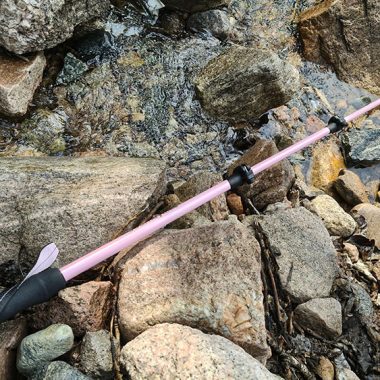
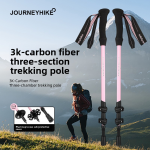
Hiking poles are typically made of lightweight materials such as aluminum or carbon fiber, with pointed tips for terrain navigation. Their length and rigidity can make them potentially dangerous in confined spaces of an aircraft cabin if misused.
Passengers or even attackers could, intentionally or unintentionally, wield hiking poles as improvised weapons, especially during conflicts or disruptions. Security authorities have to consider these risks, leading to restrictions on bringing such items onto flights.
The Risk of Damage During Security Screening
Another safety aspect is the difficulty in screening hiking poles. These elongated objects can be harder to scan thoroughly for concealed dangerous items. Their shape can obscure or complicate X-ray imaging, forcing security personnel to handle them more physically, which introduces additional safety protocols and delays.
Furthermore, certain materials used in hiking poles, like metal tips or lockable segments, might trigger alarm systems during security checks, prompting indefinite searches or confiscations to prevent hazards.
Emergency Situations and Cabin Safety Procedures
In case of emergencies, any items that could interfere with evacuation or safety procedures are carefully scrutinized. Hiking poles, with their pointed ends and potential to be used as entry tools, may hinder rapid evacuation or cause injury to passengers and crew during adverse situations.
Safety protocols often err on the side of caution, leading to bans or restrictions on carrying hiking poles. Airlines and security agencies aim to prevent any possibility of harm, which is why why are hiking poles not allowed on planes is a question grounded in operational safety standards.
Regulatory Policies and Airline Restrictions on Hiking Poles

Understanding the set policies and regulations that govern airline security can clarify why are hiking poles not allowed on planes. These policies are guided by international standards, such as those set by the Transportation Security Administration (TSA), the International Civil Aviation Organization (ICAO), and airline-specific regulations.
TSA Regulations and Security Screening Procedures
The TSA, responsible for security in the United States, classifies hiking poles as potentially hazardous items under their guidelines. While many items are scrutinized carefully during security checks, hiking poles are typically categorized as prohibited unless they are disassembled or packed differently.
TSA encourages travelers to pack hiking poles in checked baggage to avoid confiscation at security checkpoints. They also recommend disassembling poles if possible, so they don’t resemble weapons or dangerous objects, but full approval isn’t always guaranteed.
International and Airline-Specific Restrictions
Globally, airline policies vary but tend to be consistent with TSA or ICAO security standards. Many airlines explicitly mention that hiking poles can’t be carried in cabin luggage. Some allow disassembled or folded poles in checked baggage; others restrict their transport entirely.
Airlines look at the potential safety risks, handling logistics, and security issues, leading to an overall policy leaning toward ban or restriction. Before traveling, it’s recommended to check with the airline’s website or customer service about their specific policies regarding hiking poles.
How These Regulations Are Enforced
Security personnel at airports are trained to enforce these regulations stringently. When a hiking pole is detected during screening, security officers may confiscate it or instruct the passenger to pack it in checked luggage.
For travelers, understanding why are hiking poles not allowed on planes helps in planning how to transport them securely. Always declare such items beforehand if possible, to avoid misunderstandings and ensure compliance with all security protocols.
Implications for Travelers and Alternative Options
Given these restrictions, travelers need to consider alternative ways of bringing hiking poles along on their trips. Options include disassembling the poles, packing them in checked luggage, or purchasing collapsible poles designed specifically for travel.
Travelers should always verify with their airline and security authorities about their policies. By doing so, they can avoid inconvenience, potential confiscation, or delays caused by misunderstandings surrounding why are hiking poles not allowed on planes.
How to Legally and Safely Transport Hiking Poles on Flights

While why are hiking poles not allowed on planes is a common question, understanding how to navigate these restrictions can make travel much easier. Proper preparation and knowledge of airline policies enable outdoor enthusiasts to enjoy their adventures without unnecessary stress.
Choosing the Right Packing Method for Hiking Poles
The most straightforward way to transport hiking poles on planes is by disassembling or folding them, then packing them in checked luggage. Many modern hiking poles are designed to be collapsible, making them convenient to carry in bags or suitcases.
Disassembling the poles not only complies with security regulations but also prevents damage during transit. Secure the segments with straps or packing tape to prevent movement or breakage. This approach minimizes the risk of confiscation and ensures safe arrival at your destination.
Tips for Declaring and Handling Hiking Poles During Security Checks
Always declare hiking poles during security screening if asked. Be polite and cooperative; explain that these are collapsible hiking tools intended for outdoor activities. Present disassembled or folded poles to facilitate inspection.
In some cases, security personnel may advise placing the poles in checked luggage. If flying internationally, research the specific rules in advance to avoid surprises. Properly packed and declared hiking poles streamline the process and reduce the chances of confiscation due to misconceptions about why are hiking poles not allowed on planes.
Innovative Alternatives and Travel-Friendly Designs
Travel-friendly, collapsible, and multi-segment hiking poles are widely available in the market. These designs significantly ease the process of air travel, as they are smaller and more compliant with airline policies.
Additionally, some outdoor brands produce “airline-approved” poles that fold into very compact sizes, making them ideal souvenirs or essentials for travelers. If you’re planning a trip and need your hiking poles, investing in such designs ensures convenience, safety, and compliance with why are hiking poles not allowed on planes.
Practical Examples of Safe Travel Practices
For example, a hiker planning a trip to the Rockies might disassemble their high-tech, collapsible trekking poles and pack them snugly in their checked baggage. They might also notify security officers beforehand if needed, explaining that these are outdoor tools, and follow instructions diligently.
Another example is a backpacker traveling internationally, who might opt to purchase or rent hiking poles at their destination rather than risk confiscation or complications during their flight. Being proactive about why are hiking poles not allowed on planes and understanding the best packaging and declaration practices can make or break your travel experience.
FAQs – Common Questions About Bringing Hiking Poles on Planes
What are the main reasons hiking poles are restricted on planes?
Hiking poles are restricted mainly because they can be used as weapons, pose safety risks during security screening, and may interfere with emergency procedures onboard. Their materials and pointed tips raise concerns over passenger safety and security protocols.
Can I carry disassembled hiking poles in my carry-on luggage?
It depends on the airline and security regulations. Most airlines allow disassembled or collapsible hiking poles in checked luggage, but carrying them in cabin baggage often isn’t permitted due to safety concerns. Always check specific airline policies before traveling.
Are travel-specific or collapsible hiking poles allowed on planes?
Travel-friendly, collapsible hiking poles are usually permitted, especially if they are disassembled and fitted into checked luggage. They’re designed to meet airline compliance and are a practical choice for outdoor travelers.
How can I transport my hiking poles safely and legally?
Disassemble or fold your hiking poles, pack them securely in checked luggage, declare them during security screening, and follow airline instructions. Using travel-specific, compact poles enhances ease and compliance with regulations.
What should I do if my hiking pole gets confiscated at the airport?
Stay calm, politely ask for clarification, and inquire about re-packing or alternative transportation methods. In many cases, disassembled poles can be repacked into checked baggage. Planning ahead can prevent such situations.
Conclusion
Understanding why are hiking poles not allowed on planes is essential for outdoor enthusiasts who wish to enjoy their adventures seamlessly. Safety concerns, airline policies, and security regulations all play crucial roles in regulating the transport of such equipment. While restrictions can seem restrictive, they are rooted in the shared goal of ensuring safety for all travelers onboard. By disassembling or securely packing hiking poles, travelers can comply with regulations, avoid damages, and continue their hiking journeys with minimal hassle. Planning ahead, staying informed, and choosing travel-friendly gear are the keys to making your trip smooth and enjoyable, ensuring your outdoor passion stays unhindered even in the skies.