Embarking on a hiking adventure requires more than just a sturdy pair of boots and a good map. Whether you’re a seasoned trekker or just starting to embrace the outdoors, understanding the core components of essential gear can dramatically enhance your experience. So, what is the big three hiking gear? This question pertains to the three fundamental elements every hiker needs to survive and thrive in the wilderness. In this comprehensive guide, we’ll delve into each piece, explore their importance, and provide invaluable tips to maximize their benefits.
The Core of Your Hiking Gear: Why the Big Three is Crucial for Every Hiker
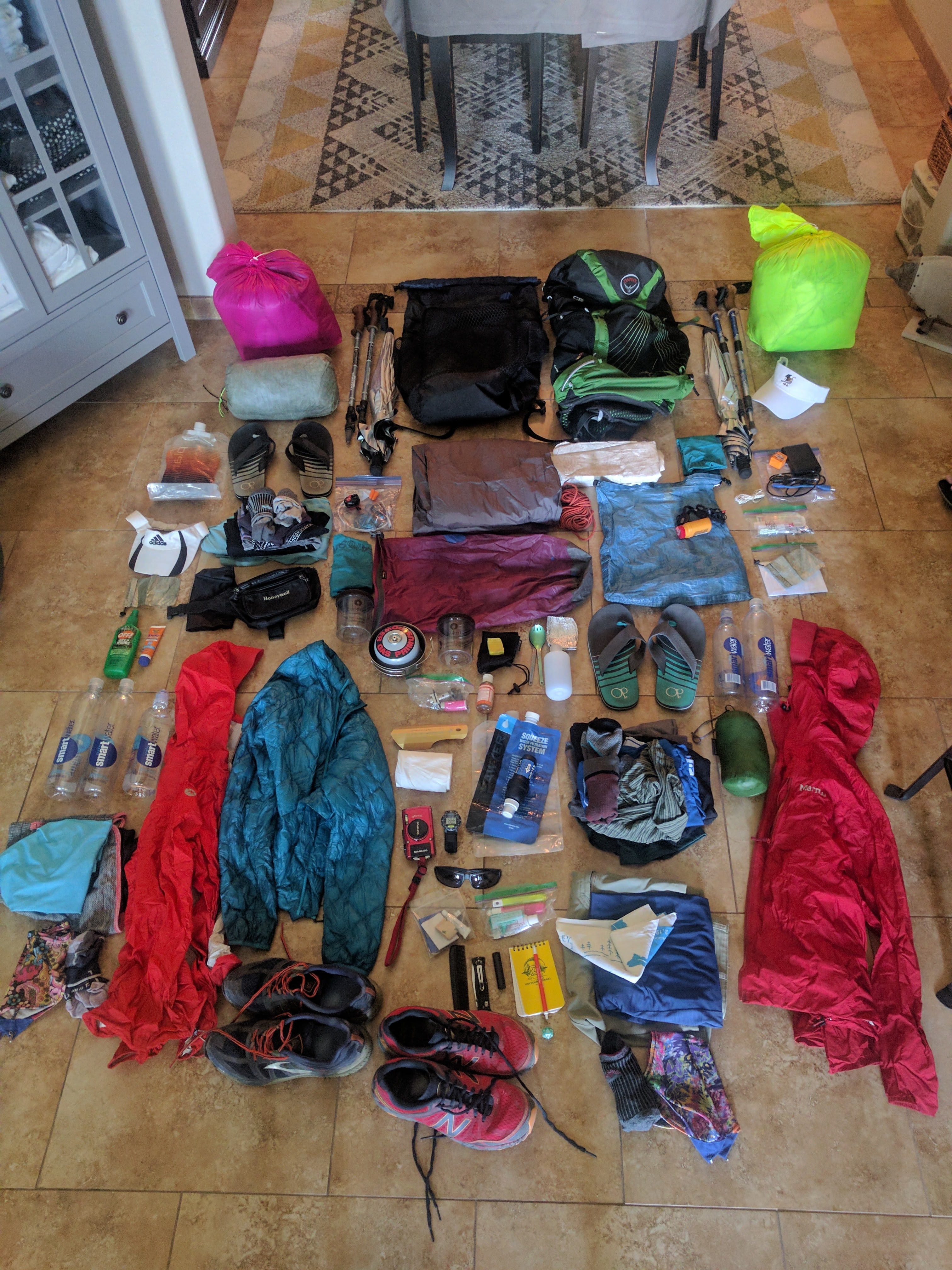
When venturing into the wild, being prepared isn’t just about carrying extra snacks or a fashionable backpack. It’s about having reliable, high-quality gear that can withstand unpredictable conditions and protect you from potential hazards. The term “Big Three” specifically refers to three indispensable outdoor equipment staples: the sleeping system (sleeping bag and sleep pad), the shelter (tent), and the backpack.
Understanding what is the big three hiking gear is the first step toward optimizing your outdoor preparedness. These essentials serve as your safety net, providing shelter, warmth, and the capacity to carry your gear efficiently. Equipping yourself with the right items from these categories ensures you’re resilient in various weather scenarios, capable of covering long distances, and comfortable enough to focus on enjoying nature instead of battling discomfort or risking safety.
In the following sections, we’ll analyze each piece of the Big Three, explore their roles in your overall hiking experience, and discuss how to choose the best options based on your needs, budget, and adventure types.
Sleeping System – Resting Safely and Comfortably in the Wilderness

The sleeping system, comprising a sleeping bag and a sleep pad, forms the foundation of your rest in the outdoors. These items are vital in maintaining body heat, preventing cold-related issues, and ensuring restful sleep after long days of hiking. Proper sleep gear can make or break your trip, especially in cold climates or high-altitude environments.
Significance of a Reliable Sleeping Bag and Sleeping Pad
Choosing the right sleeping bag involves considering temperature ratings, insulation type (down versus synthetic), weight, and packability. A sleeping bag suited for the lowest expected temperatures ensures warmth, while a lightweight design benefits those aiming for backpacking expeditions with limited space. A sleep pad provides insulation from the cold ground and adds comfort, which helps improve sleep quality and overall recovery.
The combination of these components is essential. A poorly insulated sleeping bag or an uncomfortable sleeping pad can compromise your sleep, weaken your immune system, and make recovery during multis-day hikes difficult. Investing in quality sleep gear tailored to your specific needs guarantees better performance and safety.
How to Choose the Best Sleeping System
Selecting the appropriate sleeping system depends on climate, duration of your trip, and personal preferences. Consider the climate zone of your hiking destination; for colder environments, a sleeping bag with a lower temperature rating is essential. For warmer weather, a lighter, less insulated bag might suffice, reducing weight and bulk.
Another important factor is the sleeping pad’s insulation value (R-value). Higher R-values provide better insulation in freezing temperatures. Comfort features, such as thickness and material, should align with your sleeping style. If you sleep on your side, a thicker or self-inflating pad might be optimal.
Finally, personal experience and trial are the best guides. Testing sleeping gear at home, in similar conditions to those expected, can reveal issues related to fit, weight, or comfort. Remember, sleeping well makes outdoor adventures more enjoyable and sustainable, especially over extended trips.
Practical Tips and Common Pitfalls to Avoid
- Always pack a sleeping bag rated lower than the coldest temperature you expect.
- Regularly inspect your sleeping pad for leaks or damage; repair kits can extend its lifespan.
- Use additional insulation like a sleeping bag liner in colder conditions for extra warmth.
- Avoid overpacking your sleeping system; prioritize lightweight options for long-distance hikes.
- Practice setting up and testing your sleep setup before the trip to ensure comfort and functionality.
Shelter Solutions – Protecting You from Weather and Wildlife

The tent or shelter is the third critical element of what is known as the big three hiking gear. Its primary purpose is to provide protection from wind, rain, insects, and potentially dangerous wildlife. A robust shelter becomes your temporary home amidst the wild landscapes, influencing your safety, comfort, and overall outdoor experience.
Selecting the Right Tent for Your Adventure
Choosing a suitable shelter requires evaluating size, weight, durability, ease of setup, and weather resistance. Lightweight backpacking tents are ideal for long-distance hikes, where every ounce counts, but they must still be sufficiently durable and well-ventilated. Conversely, car camping allows for larger, more luxurious tents with extra features.
Critical factors include the tent’s waterproof rating, ventilation system, and resistance to wind and snow. Features like a bathtub floor prevent water ingress, while vestibules enhance storage. Also, consider the ease of setup—pop-up tents or freestanding models reduce setup time and effort.
The Role of Shelter in Outdoor Safety and Comfort
A well-chosen shelter serves multiple purposes: environmental protection, a safe place to rest, and a defensive barrier against biting insects or animals. During adverse weather, it shields you from hypothermia or heat exhaustion. On multi-day trips, it’s your refuge from unpredictable conditions and a critical component of your trip’s success.
Shelter maintenance is vital; regularly inspecting seams, waterproofing treatments, and stakes ensures optimal performance. Packing lightweight repair kits for tents can be invaluable. In extreme weather, backup solutions like bivvy sacks provide an additional layer of protection, especially if your primary shelter proves vulnerable.
Tips for Maximizing Shelter Efficiency
- Choose a tent that matches your trip’s specific weather conditions and terrain.
- Practice pitching your tent at home, simulating conditions expected during your hike.
- Keep your shelter dry and clean to prolong its lifespan.
- Consider investing in a footprint or ground sheet to prevent damage to the tent floor.
- Pack a small repair kit for quick fixes in the field, avoiding last-minute issues.
The Backpack – Carrying Capacity and Comfort in the Wilderness
A high-quality backpack is indispensable in what is the big three hiking gear because it holds all your essential gear, supplies, and safety equipment. Without a good backpack, organizing, accessing, and distributing weight efficiently becomes a challenge. It can significantly influence your endurance, comfort, and overall hiking experience.
Analyzing Different Types of Hiking Packs
Backpacks come in various sizes and designs, tailored for different types of hiking and durations. Daypacks are smaller, ideal for short hikes, while multi-day backpacks need to balance volume, weight distribution, and durability. When selecting a backpack, consider capacity (measured in liters), weight, fit, and features.
For multi-day adventures, a capacity ranging from 40 to 70 liters is typical, providing ample space for gear, food, and water. Features such as adjustable straps, padded hip belts, multiple compartments, and hydration reservoir compatibility improve convenience and comfort.
How to Choose a Backpack Suitable for Your Needs
The best backpack for your hike should fit your body properly; measure your torso length and hip size before shopping to ensure a comfortable fit. A well-fitting pack distributes weight evenly across your hips and shoulders, reducing fatigue and injury risks.
Think about accessibility; multiple compartments allow better organization. Lightweight and durable materials like ripstop nylon keep the pack manageable without sacrificing strength. Also, consider weather resistance—some packs come with rain covers or waterproof materials to keep your gear dry during rainstorms.
Tips for Load Management and Ergonomics
- Pack heavier items close to your back to maintain balance and reduce strain.
- Use compression straps to tighten the load, preventing shifting during movement.
- Adjust straps and hip belts regularly to maintain comfort throughout your hike.
- Test your pack with a loaded weight before the trip to identify and solve any discomfort issues.
- Keep frequently used items easily accessible to minimize hassle during your walk.
How to Use/Optimize the Big Three in Your Hiking Adventures
Understanding what is the big three hiking gear is only part of the equation — effectively utilizing and maintaining these essentials is crucial for safety and enjoyment. Use your sleeping system to rest adequately after taxing hikes, ensuring you stay warm and recharge for the next day. Keep your shelter in prime condition, practicing setup beforehand and packing it carefully to avoid damage or frustration during setup.
For your backpack, proper packing techniques prevent injury and improve endurance. Distribute weight evenly, secure loose items, and adjust straps for maximum comfort. Regularly review your gear’s condition, cleaning and repairing when necessary.
In real-world scenarios, these items work synergistically. A well-insulated sleep system complements a shelter, while an ergonomic backpack allows you to carry your shelter and gear efficiently. Know the capacity and limitations of each element, and tailor your setup based on trip length, weather, and terrain.
Examples and Comparisons
Imagine a multi-day backcountry trek in the mountains during winter — your sleeping bag must have a low temperature rating, your tent needs robust weather resistance, and your pack should carry extra insulation layers. Conversely, for a summer weekend hike, lighter gear, a smaller pack, and less insulating sleeping gear suffice.
Comparing synthetic and down sleeping bags illustrates different benefits: synthetics perform better in wet conditions, while down offers superior warmth-to-weight ratio when dry. Choosing the right shelter depends on weather risk assessment—ultralight tents for dry, calm conditions versus rugged, four-season models for harsher environments.
FAQs: Common Questions About the Big Three Hiking Gear
Q1: What is the most important about the Big Three when choosing outdoor gear?
The most important aspect is pairing each component with your specific environment and trip duration. Proper insulation in sleeping gear, durability in shelter, and fit in your backpack directly impact safety and comfort.
Q2: Can I replace the Big Three with lightweight or minimalist gear?
Yes, many hikers opt for lightweight or minimalist options tailored for fast-and-light adventures. However, ensure the gear still meets safety standards—compromising too much can risk exposure to cold or weather hazards.
Q3: How often should I replace or upgrade my Hiking Big Three gear?
Regular inspection and usage are key. Replace sleeping bags when insulation degrades, tents when seams or fabric fail, and backpacks when straps or zippers break. As technology advances, upgrading improves safety and comfort.
Q4: Are there affordable options for the Big Three hiking gear?
Absolutely. Many brands offer quality budget-friendly options. Prioritize features that meet your environment, and consider secondhand or sales to get reliable gear without overspending.
Q5: How does proper maintenance influence the lifespan of the Big Three?
Routine cleaning, proper storage, and prompt repairs extend gear longevity, ensuring safety and saving costs over time. Well-maintained equipment performs better and offers peace of mind during outdoor adventures.
Conclusion
Understanding what is the big three hiking gear—the sleeping system, shelter, and pack—is fundamental for safe, successful, and enjoyable outdoor excursions. Each component plays a vital role: the sleeping bag and pad ensure restful sleep and warmth, the shelter provides protection from the elements, and the backpack facilitates efficient gear transport. Tailoring each piece to your specific needs, maintaining their condition, and practicing their setup significantly enhance your preparedness and resilience in the wilderness. Whether embarking on a weekend trip or an extended expedition, investing in quality, appropriate gear forms the backbone of a memorable outdoor adventure.