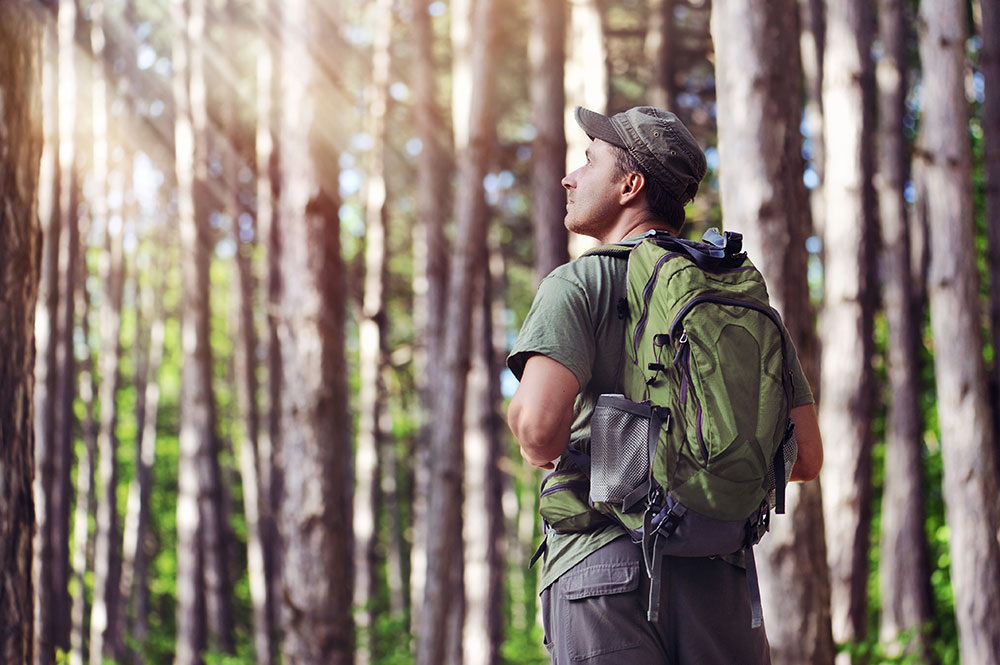
Embarking on a hike often evokes feelings of adventure, serenity, and connection with nature. However, it also raises crucial questions about safety and preparedness. One of the most debated topics among hikers is whether they should carry a knife during their outdoor excursions. Understanding the significance of a pocket or outdoor knife can influence your safety, emergency management, and overall experience. So, should I carry a knife when hiking? This comprehensive guide explores various aspects of carrying a knife, offering insights, expert opinions, and practical advice to help you make an informed decision.
The Role of a Knife in Hiking Safety and Survival — Why Carrying One Matters
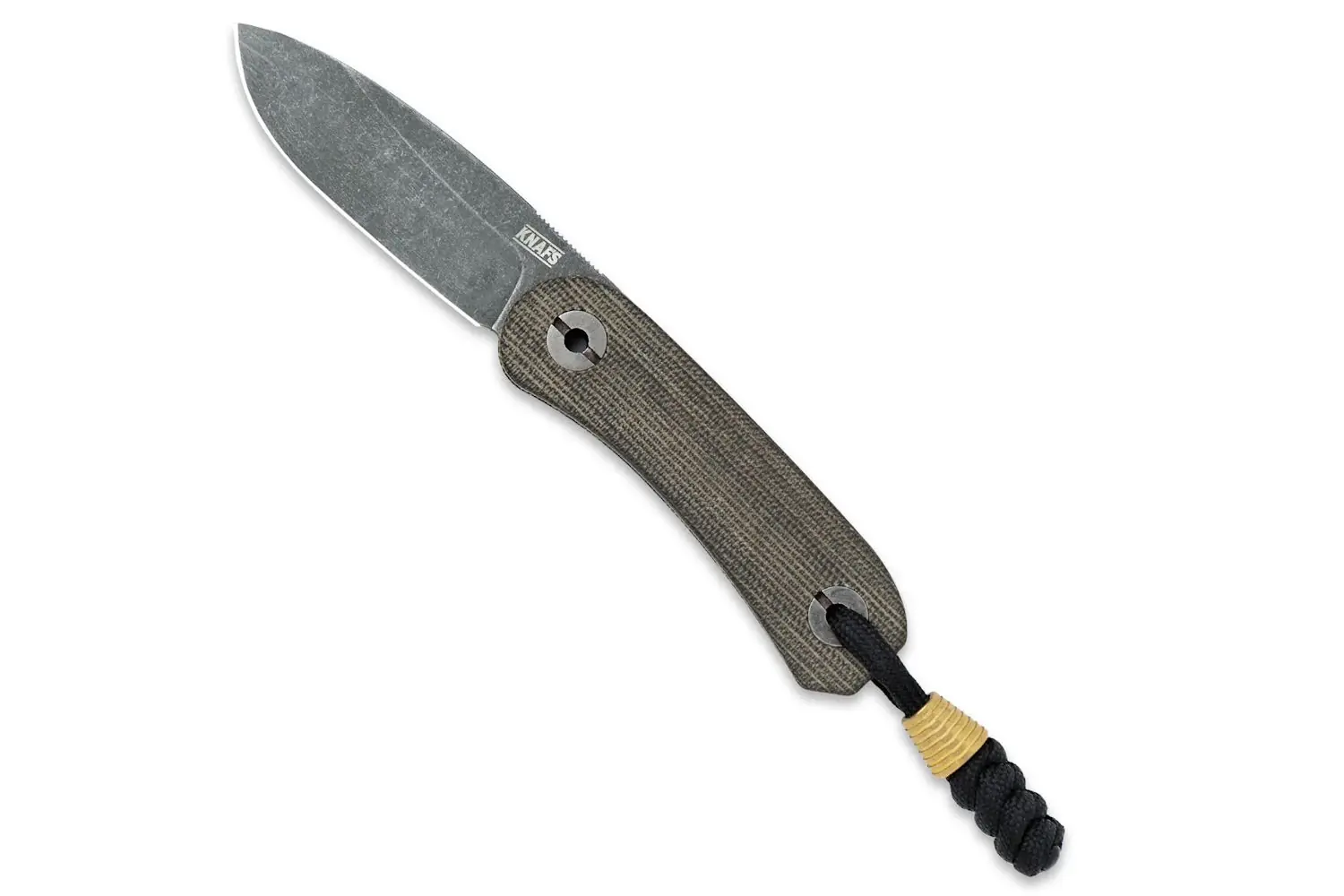
When venturing into remote or rugged terrain, being prepared for unexpected situations is vital. A knife can be a versatile tool that enhances your safety, aids in emergency scenarios, and improves your overall hiking experience. The primary concern for many hikers is whether carrying a knife is necessary or permissible within legal boundaries.
Understanding the importance of having a reliable knife on hand involves examining the potential risks encountered during hikes—such as food preparation, gear repair, first aid, and self-defense. These situations exemplify why many experienced hikers advocate for carrying a suitable blade. Well-chosen knives are designed for durability, ease of use, and safety, providing peace of mind during outdoor adventures.
Additionally, knives can serve as multi-functional tools that augment other safety gear, such as rescue blankets or compasses. When correctly selected and responsibly carried, a knife can be a critical component of your emergency toolkit. They also take on an educational role in outdoor skills, emphasizing self-sufficiency and confidence.
While concerns about legality and safety sometimes deter hikers from carrying knives, understanding their practical benefits can illuminate their role in outdoor preparedness. From opening packages to slicing through tangled branches or even serving as a signaling device in emergencies, a carefully selected knife can immensely benefit your hiking expedition.
Legal and Ethical Considerations — Navigating the Regulations on Carrying a Knife on a Hike
Before answering the question, should I carry a knife when hiking?, it’s essential to consider legal and ethical issues surrounding knife ownership and transportation in various regions. Laws governing knives differ significantly based on country, state, or even specific trail regulations, making awareness crucial for responsible hiking.
Many outdoor enthusiasts overlook the importance of understanding local regulations, risking legal repercussions or conflicts. For example, some jurisdictions restrict carrying certain types of knives, like switchblades or large fixed blades, especially in public areas. Other areas may have specific restrictions regarding self-defense knives or those with locking mechanisms.
Understanding regional regulations involves researching local laws, consulting park authorities, or reviewing official guidelines before your trip. Furthermore, ethical considerations include respecting land management policies and fellow hikers’ comfort levels, especially in crowded or environmentally sensitive areas.
Carrying a knife responsibly also requires thorough knowledge of its safe use, storage, and transportation. Ensuring your knife is securely stored, legally permissible, and ethically used makes your hiking experience not only safer but also compliant with outdoor safety standards.
Being proactive about legal and ethical considerations enhances your credibility and safety. It demonstrates respect for regulations and fellow adventurers, aligning with responsible outdoor ethics. Properly understanding these aspects ensures you’re prepared to enjoy your hike with confidence and mindfulness of your responsibilities.
Selecting the Right Knife for Hiking — Types, Features, and Tips for Choosing
Choosing the appropriate knife is critical in maximizing its benefits during a hike. Not all blades are suitable for outdoor activities, so understanding different types, features, and practical tips can drastically improve your safety and efficiency.
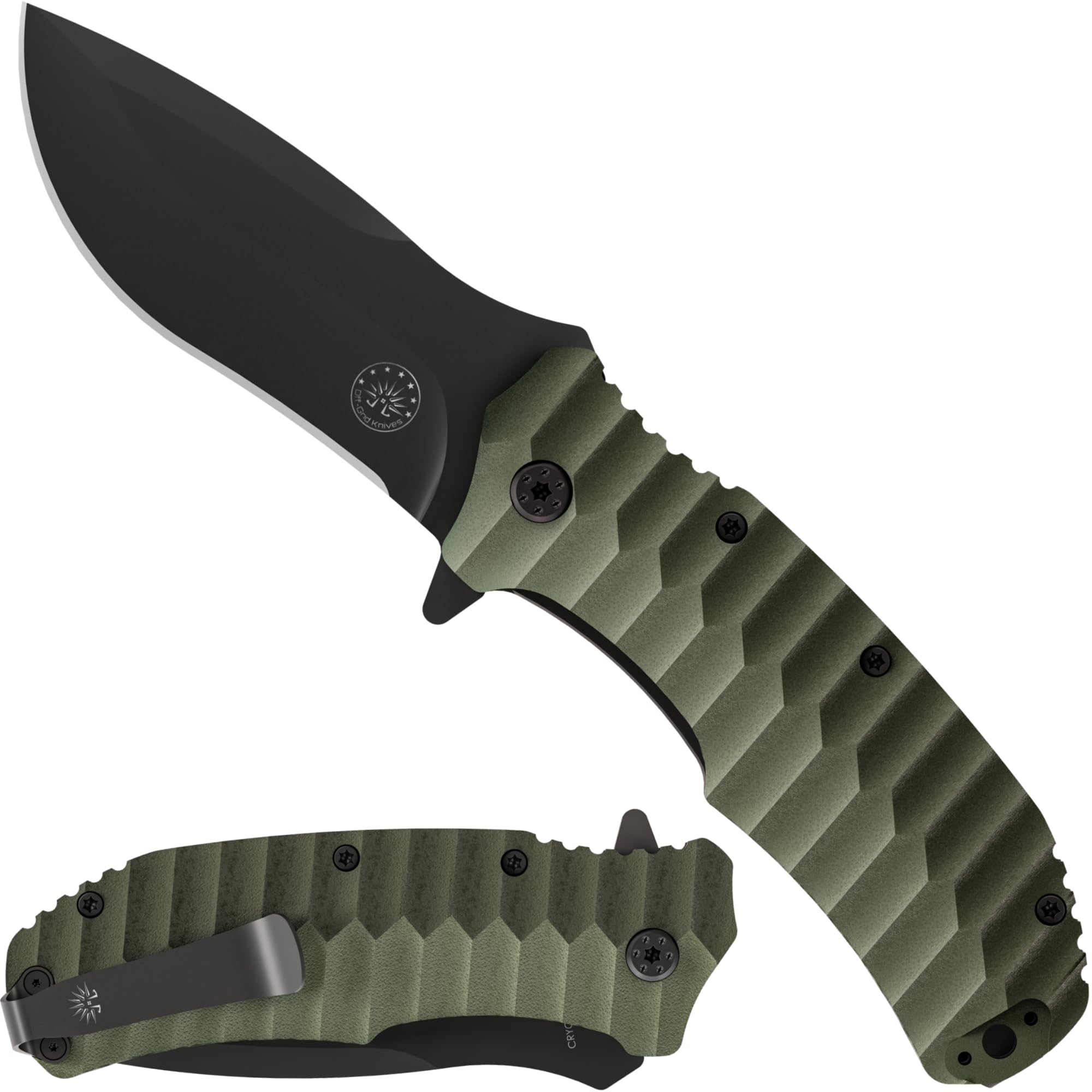
Hiking knives come in various styles, primarily fixed-blade and folding knives, each with unique advantages. Fixed blades are renowned for strength and durability, making them ideal for heavy-duty tasks, while folding knives offer portability and easier concealment.
When selecting a hiking knife, focus on features like blade material, size, weight, grip, and safety mechanisms. High-quality stainless steel blades resist rust and maintain sharpness longer, which is essential for tasks like cutting rope or preparing food. The size and weight should strike a balance—compact enough to carry comfortably yet large enough to handle diverse tasks.
Personal preferences and the specific nature of your hikes influence your choice. For example, longer blades excel in bushcraft, whereas a lightweight folding knife is more suitable for day hikes or urban trail walking. It’s also wise to choose a knife with a secure locking mechanism for safety during use.
Training on proper handling, sharpening, and maintenance of your knife will improve its performance and longevity. Remember, the right choice involves careful consideration of your needs, skill level, and local regulations. Investing in a versatile, well-made knife dedicated for outdoor use ultimately supports your safety, preparedness, and confidence during every hiking adventure.
Practical Uses and Scenarios — How a Knife Can Support Your Hike
Understanding how to use a knife during your hike can turn an ordinary outdoor trip into an extraordinary display of preparedness and safety. This section explores practical applications and real-world scenarios where a good knife can be invaluable.
One of the most common uses of a hiking knife is food preparation. Whether slicing fruits, cutting cheese, or preparing a makeshift fishing line, a sharp blade makes outdoor cooking more manageable and enjoyable. Having the ability to open packages or containers efficiently also enhances convenience and safety, reducing the need for makeshift tools or unsafe improvisations.
Emergency situations are another critical aspect—like cutting through tangled clothing or seatbelts during a rescue, or creating splints and bandages for first aid. A knife is often the fastest method to address injuries in remote settings, especially when traditional tools are unavailable. As such, knowing how and when to use your blade safely becomes a vital skill.
Lastly, knives also contribute to shelter-building, fire-starting, and trail clearing. For instance, trimming branches or making kindling can be simplified with a dependable knife. Using it for signaling in case of rescue, by carving symbols in wood or sharpened sticks, demonstrates resourcefulness and adaptability.
In essence, a knife’s practicality extends far beyond mere utility—it’s a vital tool in life-threatening and everyday situations alike. Proper training on its use enhances your confidence, ensures safety, and maximizes its utility during your outdoor adventures.
FAQ — Common Questions about Carrying a Knife While Hiking
Q: Is it legal to carry a knife on all hiking trails?
A: Laws vary widely depending on your location. Always research local regulations before your trip and consult with trail authorities to ensure compliance. Some areas restrict certain types or sizes of knives, while others allow them freely for outdoor use.
Q: What type of knife is best for hiking?
A: The ideal hiking knife depends on your needs. Fixed-blade knives provide durability for heavy-duty tasks, while folding knives offer portability. Look for corrosion-resistant blades, secure locking mechanisms, and comfortable grips suited to outdoor activities.
Q: Are there safety concerns with carrying a knife?
A: Yes, proper handling, storage, and awareness are essential to avoid accidents or injuries. Always keep your knife securely sheathed when not in use, and practice safe handling techniques to prevent harm to yourself or others.
Q: Can carrying a knife help in emergency situations during a hike?
A: Absolutely. Knives can assist in various emergency scenarios like first aid, shelter-building, or signaling. Being familiar with your knife’s use enhances safety and increases your chances of effectively responding to unforeseen events.
Q: How should I carry and store my hiking knife?
A: Use a secure sheath or clip to attach your knife to your gear or belt. Ensure it is sheathed securely to prevent accidental cuts. Regularly inspect and sharpen your blade to maintain safety and usability during your trip.
Conclusion
Deciding whether should I carry a knife when hiking depends on multiple factors including your specific needs, experience level, and local regulations. A well-chosen, responsibly carried knife offers numerous advantages—from safety and emergency preparedness to practical daily tasks on the trail. By understanding the types of knives, legal considerations, and proper handling techniques, you can confidently incorporate this versatile tool into your hiking gear. Ultimately, a knife, when used ethically and safely, can significantly enhance your outdoor experience, turning potential emergencies into manageable situations and ensuring that your adventure remains safe, enjoyable, and rewarding.