
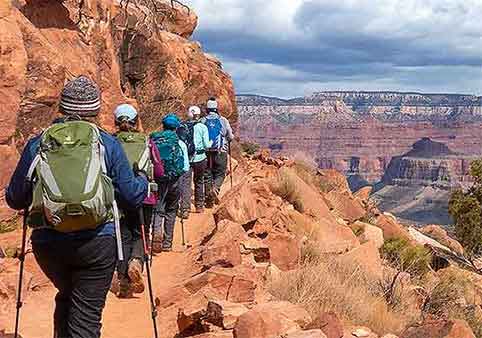
Have you ever wondered what the key to a safe and enjoyable hiking experience is? Whether you’re an experienced trekker or a novice heading into the wilderness, understanding the fundamental principles that govern responsible outdoor activities can make all the difference. At the heart of it all lies a simple yet profound guideline: What is the golden rule of hiking? This essential ethic not only preserves the natural environment but also ensures safety and camaraderie among hikers. In this comprehensive guide, we will delve into the multiple facets of this golden rule, exploring its significance, practical applications, and how it can elevate your hiking adventures to new heights.
The Philosophical Foundation of the Golden Rule in Hiking – Respect for Nature and Others
Understanding what is the golden rule of hiking goes beyond merely following a set of instructions; it embodies a mindset rooted in respect, responsibility, and conservation. The core of this rule emphasizes respect for the environment and fellow trail users. It is the ethical backbone that guides us to minimize our ecological footprint while fostering a sense of community among outdoor enthusiasts.
Hiking is a powerful connection to nature, providing solitude, adventure, and a chance to disconnect from daily stress. However, this privilege comes with a duty: to protect and sustain the wilderness for future generations. The golden rule reminds us that every action we take on the trail should reflect respect—be it for delicate plant life, wildlife habitats, or fellow hikers. This attitude not only enhances personal safety but nurtures a collective effort toward conservation.
Moreover, understanding the what is the golden rule of hiking helps cultivate empathy and patience, essential qualities for sharing narrow paths, crowded trails, or challenging conditions. Respect fosters positive interactions — a simple smile, yielding the right of way, or helping a fellow hiker—contributes to a more harmonious outdoor experience. This overarching philosophy underscores that hiking is not just about personal achievement but about honoring the environment and community we engage with.
In essence, this rule acts as the ethical compass guiding hikers through responsible interaction with nature and people, ensuring that the wilderness remains pristine and accessible. Its significance becomes clear: respecting the trail, fellow hikers, flora, and fauna is the foundation of safety, sustainability, and the enjoyment of outdoor pursuits.
Practical Applications of the Golden Rule in Trail Etiquette – How to Hike Responsibly and Safely

Now that the philosophical emphasis of the what is the golden rule of hiking is clear, translating these principles into actionable behaviors is crucial. Responsible hiking involves adopting etiquette that safeguards the environment and ensures a positive experience for everyone. It’s about incorporating mindfulness into each step, recognizing that your choices impact the broader ecosystem and community.
Respect for trail regulation and environmental conservation are central to this rule. Hikers should stay on designated paths, avoiding shortcuts that can cause trail widening or damage to native vegetation. Disrupting natural habitats impacts wildlife, which can be sensitive to human intrusion. Carrying out all trash and disposing of waste responsibly prevents pollution and maintains the trail’s integrity. Respect also extends to respecting wildlife by observing from a distance and not feeding or approaching animals, which can be dangerous for both humans and creatures.
Another key application of this golden rule is in trail sharing and user etiquette. Narrow paths require one to yield to uphill hikers, equestrians, or bikers, reflecting mutual respect for others’ safety and comfort. It’s crucial to communicate politely if you need to pass or need assistance, fostering camaraderie and safety. When encountering other hikers, practice good trail manners like keeping noise levels down, not littering, and responsibly managing dogs.
Safety is an integral aspect of responsible hiking, and understanding what is the golden rule of hiking helps in practical ways. For example, informing someone about your route, carrying essentials like water, navigation tools, and a first aid kit, and avoiding risky behaviors are all extensions of this rule. It’s also about respecting one’s limits—knowing when to turn back to avoid hazards.
Ultimately, responsible hiking is a collection of mindful actions ensuring that nature remains unspoiled and all trail users—regardless of skill level—can enjoy the outdoors. This adherence extends beyond individual safety to encompass conservation efforts and fostering a community rooted in respect and care.
Educating and Inspiring Others Through the Golden Rule – Leading by Example in Outdoor Communities

An often overlooked aspect of what is the golden rule of hiking is the role of education and leadership. By embodying this principle, seasoned hikers and outdoor enthusiasts become ambassadors who inspire others to adopt responsible and ethical behaviors. Leading by example creates a ripple effect, fostering a culture of respect and sustainability in outdoor communities.
Sharing knowledge about ethical hiking practices empowers newcomers to appreciate the importance of respecting both the environment and fellow hikers. Educating through informal conversations, social media, or organized trail stewardship programs enhances awareness and encourages responsible conduct. Many outdoor organizations spearhead initiatives that teach Leave No Trace principles, highlighting that respecting nature is integral to the golden rule-based ethos.
Mentorship is another powerful facet. Experienced hikers can guide novices on trail etiquette, safety protocols, and conservation practices. When they demonstrate patience, kindness, and respect, it nurtures a positive outdoor culture that values sustainability and camaraderie. Such leadership roles can significantly influence the hiking community, cultivating a shared responsibility for maintaining pristine natural spaces.
Inspiring others also involves challenging irresponsible behaviors when observed — for example, confronting littering or discourteous conduct. Doing so with humility and clarity reinforces the importance of the golden rule and underscores that ethical hiking is a collective effort. When community members see positive role models, they are more likely to internalize and mimic responsible behaviors.
Furthermore, integrating education about environmental issues and trail ethics into outdoor programs promotes a deeper understanding of the what is the golden rule of hiking and its vital role in conservation. The goal is to instill a sense of stewardship in everyone, turning individual hikers into active guardians of nature.
FAQs About The Golden Rule of Hiking – Clarifying Common Concerns and Misconceptions
Q1: Why is the golden rule important in hiking?
The golden rule promotes respect—both for nature and other hikers—which is essential for safety, environmental conservation, and community harmony. It ensures that wilderness areas remain pristine and accessible for future generations.
Q2: How can I practice the golden rule on crowded trails?
Be courteous by yielding the trail to uphill hikers, dogs should be leashed, and noise levels kept moderate. Communicate politely if you need to pass or require assistance, maintaining a respectful attitude toward others.
Q3: What is the impact of ignoring the golden rule during hikes?
Neglecting this principle can lead to environmental degradation, conflicts among trail users, and safety hazards. It may also diminish the quality of experience for everyone and cause long-term harm to natural habitats.
Q4: How does the golden rule relate to Leave No Trace principles?
Both emphasize minimizing human impact—Leave No Trace offers specific practices, while the golden rule underscores a respectful attitude driving those behaviors. Together, they promote sustainable and responsible outdoor recreation.
Q5: Can following the golden rule improve safety on hikes?
Absolutely. Respectful behaviors like sharing trail space, communicating intentions, and being aware of others’ needs reduce accidents and misunderstandings, creating safer environments for everyone.
Conclusion
In summary, what is the golden rule of hiking encapsulates a commitment to respecting the environment, fellow trail users, and oneself. It encourages responsible behavior rooted in kindness, conservation, and safety, transforming hikes from mere adventures into meaningful stewardship of nature. By practicing this rule, hikers not only protect fragile ecosystems and cultural sites but also foster a welcoming community that shares a passion for outdoor exploration. Upholding the golden rule ensures that wilderness areas remain vibrant and accessible, allowing future generations to enjoy the same sense of discovery and tranquility that we cherish today. Embracing these principles keeps the spirit of hiking alive—adventurous, respectful, and thoughtfully sustainable.