Embarking on a long distance walk is an incredible adventure that offers unforgettable vistas, personal growth, and a profound sense of accomplishment. But whether you’re planning a multi-day trek or a lengthy day hike, knowing what to take on a long distance walk can make all the difference between an enjoyable experience and a stressful ordeal. Proper preparation ensures safety, comfort, and pleasure, and that’s why choosing the right gear and essentials is crucial.
In this comprehensive guide, we’ll explore everything you need to consider and pack for a successful long-distance walk, drawing on expert insights, personal experiences, and practical advice. Prepare to delve into the essential equipment, clothing, nutrition, safety measures, and tips that will help you conquer any trail with confidence and ease.
Planning Your Long Distance Walk: Understanding Your Needs and Route
Before jumping into packing tips, it’s vital to plan thoroughly. Proper planning includes understanding your route, assessing your physical condition, and considering the environment you’ll encounter.
Knowing what to take on a long distance walk begins with understanding your specific needs. Factors such as length of the journey, weather conditions, terrain, and your experience level all influence what gear you’ll carry. A well-structured plan minimizes surprises and ensures you’re prepared for contingencies, whether it’s unexpected weather changes or navigation challenges.
When preparing for a long-distance walk, you need to map out your route, identify water sources, resting spots, and potential hazards. This itinerary will guide you in packing the appropriate essentials and avoiding unnecessary weight. Familiarity with the trail helps you estimate logistical needs—such as extra food in remote stretches or specific gear for rugged terrain—making your backpack both lighter and more effective.
Ultimately, tailoring your packing list based on route-specific demands allows you to optimize what to take on a long distance walk. It transforms what could be a daunting challenge into an enjoyable adventure, seasoned with preparedness and confidence.
Clothing and Footwear: Selecting Durable and Weather-Appropriate Gear
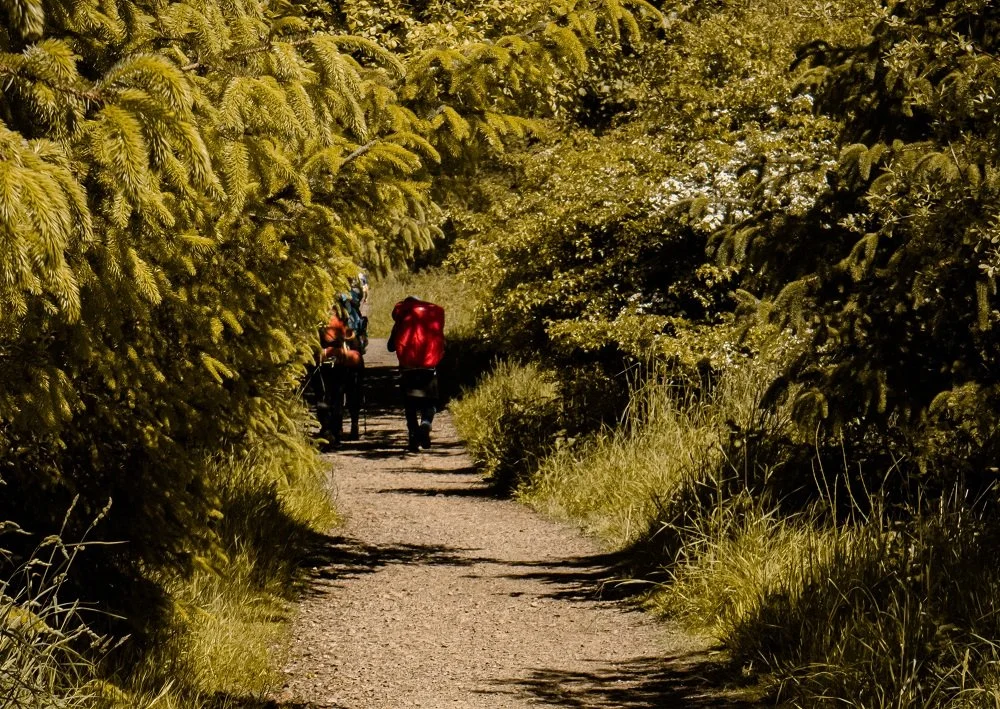
Choosing the right clothing and footwear is perhaps the most critical aspect of preparing for a long-distance walk. Your gear must protect you from the elements, prevent blisters, and manage moisture, all while being comfortable for extended wear.
The appropriate clothing layers—base, insulating, and waterproof—are essential to adapt swiftly to changing weather conditions. Moisture-wicking base layers keep sweat away from the skin, which prevents chafing and chills. Lightweight insulating layers add warmth without bulk, and waterproof outer shells keep you dry in rain or snow.
Footwear is the foundation of your comfort and safety. Investing in high-quality hiking boots or shoes that support your arches and fit well reduces the risk of blisters, soreness, and injuries. Test your footwear before your trip; breaking in new shoes prevents surprises on the trail. Also, consider gaiters to keep mud and debris out of your shoes—this simple addition can significantly enhance comfort and foot health.
For what to take on a long distance walk, packing the right clothing and footwear setup ensures you stay comfortable, dry, and protected. Proper layering, moisture management, and appropriate footwear policies enable you to enjoy your journey without distraction or discomfort, allowing you to focus on the scenery and experience.
Essential Gear and Equipment for Long-Distance Trekkers

Every seasoned long-distance walker knows that the right gear maximizes safety, comfort, and efficiency. From navigation tools to survival essentials, packing thoughtfully is paramount.
Navigation equipment, including maps, a compass, and GPS devices, ensure you stay on the right path. Even if your route is well-marked, carrying backup navigation options is always wise. Technology can fail, and understanding traditional navigation techniques keeps you independent from electronic devices, especially in remote areas.
Shelter and sleep systems are vital for multi-day treks. Lightweight tents or bivvy bags, coupled with sleeping bags suitable for expected temperatures, provide necessary protection and rest. Prioritize gear that balances weight and comfort; a bulky tent may be unnecessary if you plan to stay in shelters or use a minimal tarp system. An ultralight sleeping pad adds comfort and insulates you from cold ground.
Finally, don’t forget basic life-saving tools: a first aid kit, multi-tool, flashlight or headlamp, fire-starting materials, and emergency blankets. These items may seem minimal but are crucial when faced with unexpected situations. Knowing what to take on a long distance walk includes the essentials that support your safety and well-being in unforeseen circumstances.
Nutrition, Hydration, and Energy Management on the Trail
Every mile on the trail demands energy, and understanding what to take on a long distance walk means prioritizing nutrition and hydration strategies. Long-distance walking is an energy-intensive activity, and fueling your body adequately is essential for stamina and recovery.
Carrying lightweight, calorie-dense foods like trail mix, energy bars, dried fruits, and nuts ensures sustained energy without excessive weight. These foods provide the necessary carbs, fats, and proteins to keep you going over long hours. When planning your rations, consider your taste preferences and any dietary restrictions to maintain morale on the trail.
Hydration is equally crucial, especially in warm weather or high-altitude environments. Always carry enough water and have a means to purify additional supplies, such as portable water filters or purification tablets. Consuming frequently small amounts of water prevents dehydration and keeps your energy levels steady.
Smart energy management involves pacing yourself, taking regular breaks, and consuming small snacks throughout the day rather than large meals infrequently. Proper nutrition and hydration strategies influence your overall experience, and knowing what to take on a long distance walk in this regard can determine whether you finish invigorated or exhausted. Planning for these needs ensures you approach each mile with the resilience and motivation to complete your adventure.
Frequently Asked Questions About Long-Distance Walking Essentials
What are the must-have items for a multi-day trek?
The essentials include navigation tools, lightweight shelter, sleeping gear, sufficient food and water, a first aid kit, and appropriate clothing. Prioritize multi-purpose and lightweight equipment to reduce pack weight without sacrificing safety and comfort.
How do I determine the right footwear for long-distance walks?
Choose supportive, well-fitting hiking boots or shoes suited for your terrain. Break them in beforehand to prevent blisters. Gaiters can help keep debris out, and consider waterproof options if rain is expected.
What lightweight gear can I use to reduce my pack weight?
Opt for ultralight tents, sleeping bags, and pads, which are designed specifically for long-distance hikers. Use multi-tools and multi-purpose clothing, and avoid excess gadgets. Streamlining gear ensures you can carry everything comfortably.
How should I manage my nutrition on multi-day hikes?
Pack calorie-dense, lightweight foods like nuts, dried fruits, and energy bars. Plan your meals based on trail distance and caloric needs, and always have backup supplies. Regular small snacks keep energy levels stable.
What safety equipment is essential for remote trails?
A compass, GPS device, first aid kit, emergency blanket, and a whistle are vital. Also, consider a portable charger for electronics and a personal locator beacon if venturing into very remote areas.
Conclusion
Preparing for a long-distance walk involves careful planning, selective packing, and a thorough understanding of the essentials needed to ensure safety, comfort, and enjoyment. Knowing what to take on a long distance walk empowers you with the confidence to tackle every mile, from sturdy footwear and weather-appropriate clothing to navigation tools and nourishing food. Tailoring your gear to your route and personal needs, maintaining safety at all times, and managing your energy are key to making your journey memorable and fulfilling. With the right preparation, every step will bring you closer to nature’s beauty and your own personal achievement.
Embark on your long-distance adventure equipped with knowledge and confidence—happy hiking!