When venturing into the great outdoors, especially on extended treks or in remote areas, being prepared can mean the difference between an enjoyable adventure and a life-threatening situation. Knowing what do you need in a hiking survival kit ensures you’re equipped to handle emergencies, unforeseen weather changes, injuries, or navigational issues. This comprehensive guide will walk you through the essentials of a survival kit, tailored to your hiking needs, providing insights from experienced outdoorspeople, safety experts, and survival specialists.
Understanding the Importance of a Well-Prepared Hiking Survival Kit – Your Best Defense Against the Unexpected
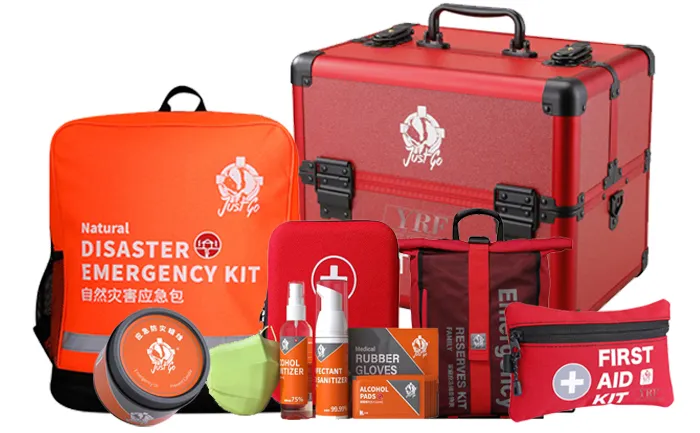
Before delving into what exactly should be included in your hiking survival kit, it’s essential to understand its significance. An appropriately stocked survival kit serves as your safety net, providing tools, knowledge, and resources to aid in emergencies such as injuries, getting lost, or sudden weather shifts.
Hiking in remote, rugged terrains often means limited access to help, making self-sufficiency a priority. A compact, lightweight, and comprehensive survival kit can prevent minor mishaps from escalating into serious situations. Experienced hikers emphasize that a well-thought-out survival kit reflects a blend of practicality, adaptability, and personal knowledge of the wilderness.
When preparing your kit, consider the environment, duration of your hike, and your experience level. For instance, climbing in high-altitude mountainous regions demands different gear compared to a forested day hike. The ultimate goal is to anticipate potential hazards and equip yourself accordingly—with confidence built upon understanding what do you need in a hiking survival kit.
Core Components of a Comprehensive Hiking Survival Kit – Essential Items for Wilderness Safety

The heart of any survival kit lies in its contents. While the specific items may vary based on trek length and environment, certain core components remain universally critical. To ensure you’re resilient in emergencies, let’s examine the vital items and their roles in your kit.
Navigation and Signaling Equipment
A crucial aspect of survival is finding your way or attracting rescue teams. Navigation tools such as a detailed topographical map, a compass, or GPS device are fundamental. In addition, signaling tools like a whistle, mirror, or flares can be lifesavers if you need help drawing attention.
Personal experience shows that many outdoor enthusiasts underestimate the importance of signaling devices. Relying solely on a cellphone can be risky due to potential battery depletion or signal loss. Incorporating traditional navigation and signaling tools ensures multiple backup options.
Proper use of these items involves understanding how to operate a compass accurately, reading maps effectively, and creating visible signals when necessary. Practice before your trip can dramatically increase your confidence and chances of rescue if required.
Shelter and Warmth Supplies
Weather conditions can change rapidly, especially in mountainous or coastal regions. Having the means to shelter yourself and stay warm is critical for survival. In your kit, include a compact tent, a lightweight sleeping bag rated for your expected temperatures, or a space blanket that reflects your body heat.
Survivors recount instances where a simple emergency shelter prevented hypothermia or exposure in cold nights or rainy days. Building a fire may sometimes be the best option, but it’s not always feasible depending on terrain and weather conditions, so having alternative warmth sources like insulated blankets is advised.
Learning how to construct a shelter from natural materials complements your gear. Knowing how to set up a tarp or bivvy, and understanding insulation principles, give you an advantage when stranded. Remember, the goal is to stay dry, sheltered, and maintain body heat until rescue or rescue becomes possible.
First Aid and Hygiene Items
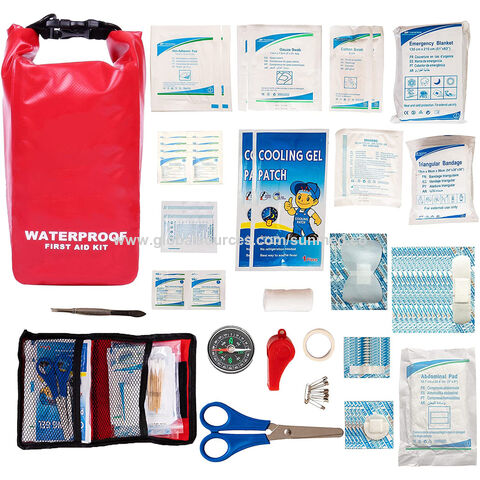
Injuries happen unexpectedly—cuts, sprains, blisters, or insect bites are common in hiking environments. Carrying a comprehensive first aid kit tailored for outdoor emergencies is non-negotiable. It should contain antiseptic wipes, bandages, tweezers for splinters, blister treatment, pain relievers, and insect repellent.
Personal hygiene items like hand sanitizer, biodegradable wipes, and water purification tablets or filters help prevent infections and keep you physically and mentally healthy during your hike. Experience has shown that neglecting hygiene can lead to complications or illness, so versatility in your first aid supplies allows addressing a range of issues.
Additionally, understanding basic first aid procedures—such as how to treat a sprained ankle or stop bleeding—empowers hikers to act confidently until professional help arrives. Practice and familiarity with your supplies elevate your readiness for emergencies.
Food, Water, and Sustenance – Ensuring Energy and Hydration in Critical Moments
While most hikes are planned for day trips with minimal needs, extended or remote expeditions demand by far the most attention to sustaining energy and hydration levels. Having reliable means to procure, purify, and store food and water significantly enhances survival prospects.
Water Purification and Storage Solutions
Freshwater is paramount in survival situations. Carrying water purification tablets, portable filters, or UV sterilizers is essential to convert natural sources into safe drinking water. Personal experience underscores that untreated water can harbor bacteria or parasites, making purification vital to avoid illness.
Understanding how to use these tools efficiently, and recognizing the best natural water sources like streams, rain runoff, or snowmelts, enables timely and safe hydration. Proper storage containers should be durable, leak-proof, and lightweight for easy transport.
Beyond purification, water conservation techniques—like rationing and awareness of hydration cues—should be part of your planning. Adequate hydration affects every bodily function; thus, knowing how to find and purify water can sustain you through prolonged wilderness unplanned overnight stays.
Non-Perishable Food Items and Energy Sources
The role of proper nourishment cannot be overstated in survival scenarios. Lightweight, calorie-dense foods such as energy bars, trail mix, and dehydrated meals are staples in your kit. They provide the needed energy to keep up stamina, warm the body, and maintain mental clarity.
Personal insights from seasoned hikers highlight the importance of balancing caloric intake with ease of consumption. Food that can be eaten quickly, stored safely without refrigeration, and prepared with minimal water or tools is optimal.
In emergency situations, not only do these supplies sustain your physical health, but they also contribute to mental resilience. Maintaining a positive state of mind can make a real difference when navigating difficult circumstances.
Clothing and Personal Protection – Dressing for Success and Safety in Wilderness
Clothing choices can influence the outcome of your survival efforts. The right layers and protective gear guard against hypothermia, sunburn, and insect bites. Being aware of how to select, wear, and maintain your clothing minimizes exposure to environmental hazards.
Appropriate Clothing for Various Conditions
Layering is a tried-and-true principle for outdoor survival. Base layers wick moisture away from the skin, insulating layers retain body heat, and waterproof or windproof outer shells protect against weather elements. Including items like a wide-brimmed hat, gloves, and UV-protection sunglasses further enhances your defense.
Seasonal and climatic awareness influences clothing selection. For example, in colder zones, wool or synthetic thermal gear offers warmth even when wet, while in hot environments, lightweight, breathable fabrics prevent heat exhaustion.
You should also carry extra clothing—such as socks, a hat, or an emergency poncho—as backup. Personal experience emphasizes that staying dry and warm is often the simplest strategy to prevent critical conditions in survival circumstances.
Personal Protection Equipment
Beyond clothing, personal protection items like insect repellent, sunscreen, and a headlamp or flashlight ease your journey and protect against environmental hazards. These small gear pieces often go unnoticed but are vital in maintaining health and safety.
Using insect repellents can avert bites that transmit diseases, while sunscreen shields against sunburns that impair your ability to remain active. A reliable light source extends your visibility in low-light conditions, aiding navigation and signaling.
In addition, carrying a multi-tool or pocket knife provides versatility for various tasks, from preparing shelter to food procurement. Familiarity with your protection equipment ensures you’re prepared to leverage them effectively in crises.
FAQs about What do you need in a hiking survival kit?
Q1: How do I decide what to include in my hiking survival kit?
A1: Your kit should be tailored based on hike duration, terrain, weather, and personal experience. Prioritize essentials like navigation, shelter, first aid, and water purification, but always consider environmental risks and your own skills.
Q2: What lightweight items are most critical for backpackers?
A2: Compact essentials include a mini first aid kit, lightweight water purifier, multi-tool, signal whistle, and emergency blanket. These balance functionality with portability and are often most relied-upon during emergencies.
Q3: Is it necessary to carry a GPS device or just maps and compasses?
A3: Both are recommended. While GPS devices offer convenience, their batteries can fail. Carrying traditional tools like maps and compasses provides a reliable backup solution.
Q4: How often should I update my survival gear?
A4: Regularly inspect your gear for damage, expiration dates, and usability—at least once a year or before long trips. This way, you ensure everything functions properly when needed.
Q5: Can I prepare my own survival kit, or should I buy a pre-made one?
A5: While pre-made kits are convenient, customizing your own ensures it suits your specific needs and environment. Knowledge of proper gear use and maintenance is essential regardless of purchase choice.
Conclusion
Knowing what do you need in a hiking survival kit is paramount for safe and successful outdoor adventures. An effective kit combines navigation tools, shelter and warmth supplies, first aid essentials, water and food provisions, and protective clothing—all tailored to your environment and hike length. Proper preparation, ongoing education about using your gear, and regular updates enhance your confidence and resilience amid the unpredictable wilderness. Remember, a well-stocked survival kit is not just about carrying supplies but building a mindset of preparedness that can turn a potential disaster into a manageable challenge.