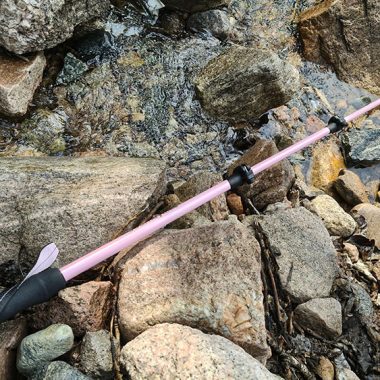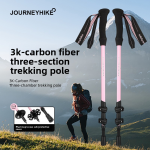
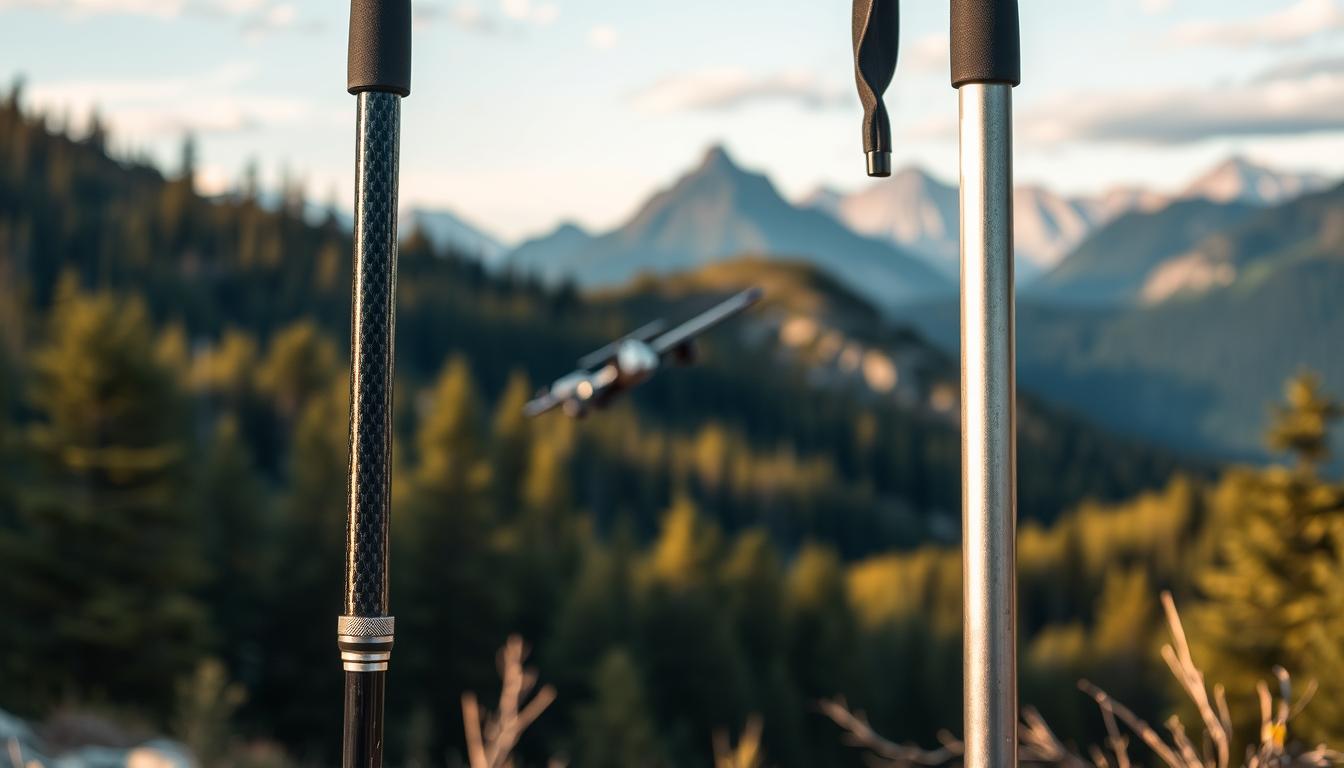
Choosing the right hiking gear can make a big difference in comfort and performance. One key decision is selecting between carbon fiber and aluminum materials for your poles. Each offers unique benefits, depending on your adventure needs.
Studies show that using these support tools reduces stress on joints by 20-25% during downhill hikes. Lighter options, like those from FiTiFT, enhance endurance without sacrificing durability. Weight and terrain play a major role in deciding which material suits you best.
Aluminum models, such as Cascade Mountain Tech’s, provide rugged reliability. Meanwhile, premium carbon fiber alternatives offer a lighter feel for long-distance trips. Understanding these differences helps hikers invest wisely in their gear.
Key Takeaways
- Poles reduce joint impact by 20-25% on descents.
- Carbon fiber options are lighter (11.2-16 oz) than aluminum (20.8 oz).
- Durability varies based on terrain and hiking style.
- FiTiFT specializes in high-performance carbon fiber designs.
- Temperature sensitivity affects material performance.
Why Trekking Poles Matter for Hikers
Hikers often overlook the importance of proper support tools, but they can transform your outdoor experience. From reducing strain on your joints to improving balance, these aids are game-changers on rugged terrain.
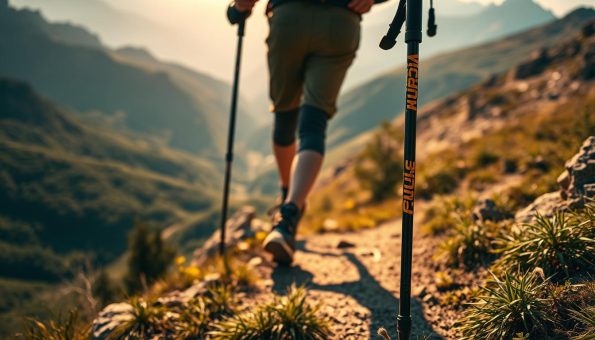
Research by Pure Hiker shows a 12% reduction in hip strain during ascents. On descents, they cut knee impact by 20-25%. This makes steep sections feel less taxing on your body.
The four-point stability system boosts balance by 25% on rocky trails. With two extra contact points, you’ll navigate uneven ground confidently. No more wobbling or wasted energy.
Fatigue drops by 18% thanks to better weight distribution. Your arms share the load, easing stress on your legs. Long hikes become more enjoyable when muscles tire slower.
Beyond daily use, these tools excel in emergencies. Test river depths, probe snowy paths, or check loose rocks before stepping. FiTiFT’s ergonomic grips add comfort for all-day adventures.
CNOC Outdoors found they prevent 63% of ankle sprains. Whether you’re a beginner or seasoned hiker, that extra support keeps you safer on the trail.
Carbon Fiber vs Aluminum Trekking Poles: Key Differences
The material of your hiking support tools impacts every step of your journey. Whether you prioritize lightness or toughness, each option has unique features. Let’s break down the critical factors to help you decide.
Weight: Ultralight vs Sturdy
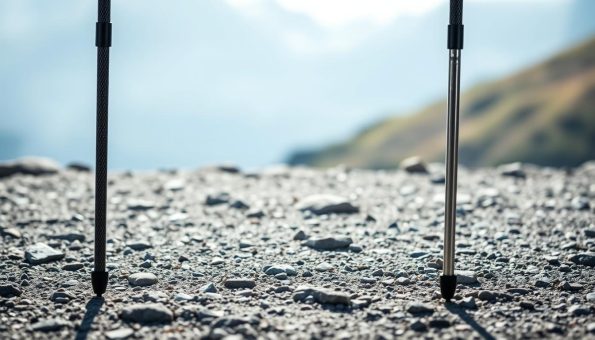
Carbon models shine for weight savings, ideal for long-distance hikers. They’re 37% lighter than aluminum, reducing arm fatigue over miles. Aluminum, though heavier, offers unbeatable stability on rocky terrain.
Durability: Flexibility vs Toughness
Aluminum bends up to 5° under pressure, often springing back intact. Carbon resists bending (2° max) but can snap under extreme force. FiTiFT’s reinforced designs blend both pros for balanced performance.
Price: Budget vs Premium
Aluminum poles cost less upfront, perfect for beginners. Carbon commands a higher price but pays off in weight savings. Consider your budget and how often you’ll use them to weigh the cons.
Shock Absorption & Rigidity
Carbon naturally dampens vibrations, cutting hand fatigue by 37%. Aluminum transmits more impact but provides firm rigidity for steep climbs. For added comfort, FiTiFT’s grips enhance shock absorption on carbon models.
Choosing the Right Material for Your Hike
Your hiking style determines which support tool material works best. Heavy packers carrying over 30 lbs will find aluminum a great option—it handles 20% more load capacity. For long-distance hikes exceeding 10 miles daily, lighter alternatives reduce fatigue.
Four-season hikers face tough conditions. Aluminum stays reliable below 15°F, while other materials may stiffen. Speed-focused adventurers save energy—carbon cuts 4,800 arm lifts on a 12-mile trek.
FiTiFT’s designs excel for thru-hikes like the Appalachian Trail. Their lightweight build balances durability and comfort. Off-trail explorers should prioritize aluminum’s toughness for bushwhacking.
Match your gear to your goals. Whether it’s weight savings or rugged reliability, the right choice enhances every step.
Conclusion
Your outdoor adventures deserve the right gear for maximum comfort. If speed and lightness top your list, carbon fiber aluminum models shine. For rugged reliability on a budget, traditional options excel.
FiTiFT’s new ultralight design weighs just 14.9 oz per pair, perfect for long trails. Their expertise ensures you use carbon fiber without sacrificing durability.
Still unsure? Share your hiking style below—we’ll help you choose. Plus, grab a free trail checklist with any purchase to keep your gear in top shape.
FAQ
Are carbon fiber hiking poles worth the extra cost?
If you prioritize lightweight gear for long-distance hikes, they’re a great option. They reduce arm fatigue and are ideal for backpackers who count every ounce. However, aluminum ones offer better durability for rough terrain at a lower price.
Which material handles cold weather better?
Aluminum performs well in freezing temperatures since it doesn’t become brittle. Carbon fiber can crack in extreme cold, making it less reliable for winter hikes or icy trails.
Do these poles help with joint pain?
Yes! Both materials absorb shock, easing stress on knees and ankles. Aluminum poles often have more flex, while carbon fiber provides firmer support—choose based on your comfort preference.
How do I decide between the two for my next trip?
Consider your hike type. For rugged trails, aluminum’s toughness shines. For speed or ultralight packing, carbon fiber’s weight savings are unbeatable. Your budget and trail conditions will guide the best pick.
Can I replace parts if they break?
Aluminum poles are easier to repair, with replaceable tips and segments. Carbon fiber damage often requires full replacement, though some high-end models offer modular designs.