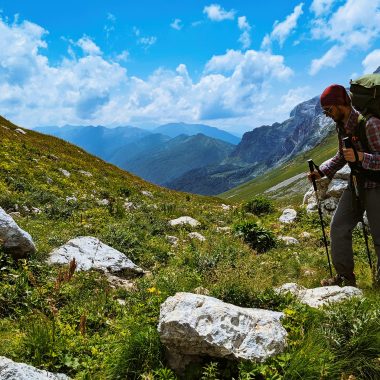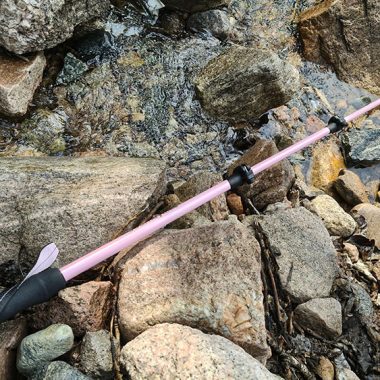
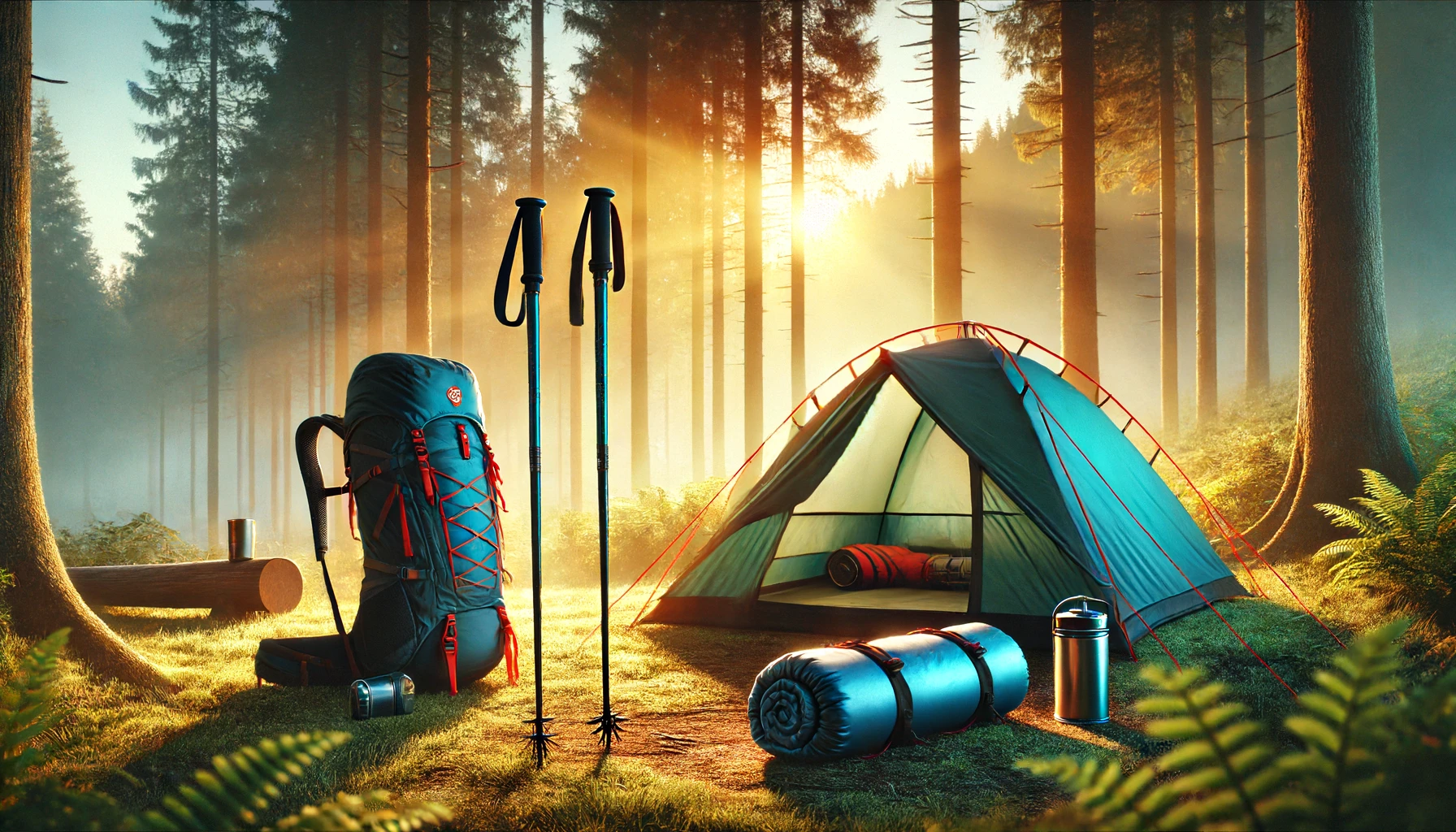
As a hiking enthusiast, having the right gear can significantly enhance your experience and ensure safety on the trails. Among the essential equipment, trekking poles and other hiking devices play a crucial role in providing stability, support, and navigation. This guide will walk you through the essential tips for selecting the perfect trekking poles and other hiking devices, considering factors like durability, adjustability, weight, and additional features.
Trekking Poles: Choosing the Right Pair
1. Determine Your Needs
Understanding what you need from your trekking poles is the first step. Are you looking for lightweight poles for long-distance hiking, or do you need more robust options for rugged terrains?
- Terrain: For uneven or steep terrain, look for poles with strong materials and advanced features.
- Hiking Style: Casual hikers might prefer lighter, less feature-rich poles, while serious trekkers might need more durable and adjustable options.
2. Material and Durability
The material of the trekking poles affects their weight, durability, and cost.
- Aluminum: Durable and affordable, aluminum poles are a good choice for rugged use. They can withstand significant stress but are slightly heavier.
- Carbon Fiber: Lightweight and strong, carbon fiber poles are ideal for long hikes where weight savings are critical. However, they can be more expensive and less durable under extreme stress.
3. Adjustability and Locking Mechanisms
Adjustable trekking poles are versatile and can be used in various terrains and hiking styles.
- Telescoping Poles: These have multiple sections that can be extended or collapsed. They are versatile and easy to store.
- Foldable Poles: Similar to tent poles, these are compact and lightweight, suitable for backpackers.
- Locking Mechanisms: Look for reliable locking mechanisms like lever locks (quick and easy to adjust) or twist locks (lighter but sometimes less reliable).
4. Weight
Lighter poles reduce fatigue, especially on long hikes. However, ultralight poles might compromise on durability.
- Balance Weight and Strength: Consider your hiking needs and find a balance between weight and durability.
5. Grip and Straps
Comfortable grips and adjustable straps are crucial for long-term use.
- Grip Material: Cork grips offer comfort and wick away moisture. Foam grips are soft and absorb sweat. Rubber grips are durable but might cause blisters if used without gloves.
- Straps: Adjustable and padded straps help distribute pressure and prevent chafing.
6. Shock Absorption
Some poles come with shock-absorbing features, which can reduce impact on joints, especially during descents.
- Internal Springs: Poles with built-in shock absorbers can provide extra comfort. These features can often be turned off if not needed.
7. Tips and Baskets
Consider poles with interchangeable tips and baskets to adapt to different terrains.
- Carbide or Rubber Tips: Carbide tips are durable and provide excellent grip on trails. Rubber tips are quieter and better for urban use.
- Baskets: Larger baskets prevent poles from sinking in mud or snow, while smaller baskets are suitable for general hiking.
Other Essential Hiking Devices
1. GPS Devices
A reliable GPS device is indispensable for navigation, especially in unfamiliar or remote areas.
- Accuracy: Ensure the device has high-precision GPS, possibly with GLONASS support.
- Battery Life: Look for devices with long battery life and power-saving modes.
- Mapping Capabilities: Devices with preloaded topographic maps and the ability to download additional maps are highly beneficial.
2. Wearable Fitness Trackers
Fitness trackers can monitor your activity levels, heart rate, and calories burned, helping you maintain optimal health during hikes.
- Durability: Choose waterproof and shock-resistant models.
- Battery Life: Opt for devices with long battery life, especially for multi-day hikes.
- Features: Look for features like GPS, heart rate monitoring, and altitude tracking.
3. Emergency Communication Devices
In remote areas, having a device for emergency communication can be a lifesaver.
- Satellite Messengers: Devices like the Garmin inReach provide two-way communication and SOS features via satellite.
- Personal Locator Beacons (PLBs): PLBs can send distress signals to search and rescue services, ensuring help is on the way.
4. Headlamps and Flashlights
Proper lighting is essential for hiking in low-light conditions or overnight trips.
- Brightness: Look for headlamps with adjustable brightness and long battery life.
- Durability: Waterproof and shock-resistant models are ideal for outdoor use.
5. Multi-Tools and Knives
A good multi-tool or knife can be incredibly useful for various tasks on the trail.
- Functionality: Choose multi-tools with essential functions like knives, pliers, and screwdrivers.
- Portability: Compact and lightweight models are easier to carry.
Conclusion
Shopping for the right trekking poles and other hiking devices involves careful consideration of your specific needs, the device’s features, and your budget. Prioritize essential features like durability, adjustability, and user comfort when choosing trekking poles. For other hiking devices, focus on functionality, reliability, and additional features that enhance your hiking experience. By investing in the right gear, you can ensure safer, more enjoyable adventures on the trails.
-
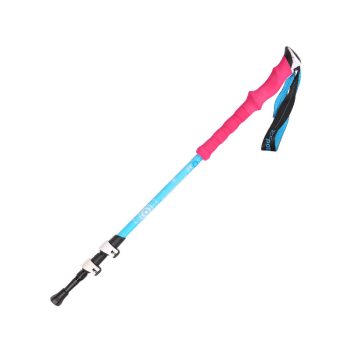 7075 Aluminum Trekking Poles (2-pack)$79
 -
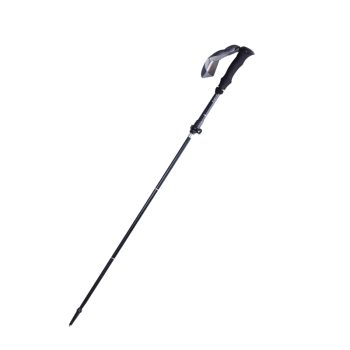 Premium 7075 Aluminum Trekking Poles (2-pack)$89
 -
Product on sale
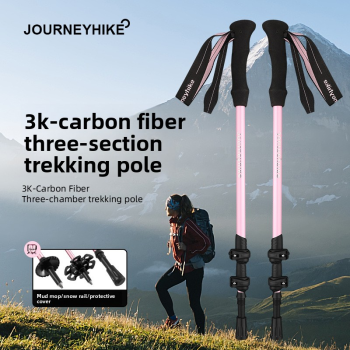 3K Carbon Fiber Trekking Poles (2-pack)Price range: $120 through $129