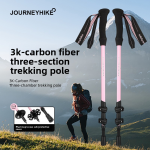
When venturing into the great outdoors, especially on challenging terrains, many hikers reach for an essential tool—hiking sticks, also known as trekking poles. These seemingly simple devices serve a variety of purposes that can drastically improve your hiking experience. What are the sticks for when hiking? This question reveals a myriad of benefits that go beyond mere balance and stability. This article dives deep into the multifaceted role of hiking sticks, exploring their advantages, proper usage, and the strategic benefits they offer to both novice and seasoned adventurers alike.
Unraveling the Primary Functions of Hiking Sticks in Outdoor Adventures
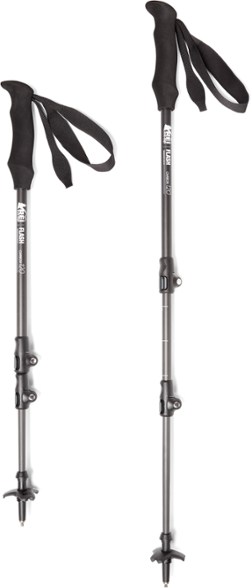
Hiking sticks are versatile tools designed to support, stabilize, and conserve energy during long hikes across diverse terrains. Whether climbing steep inclines, traversing uneven ground, or crossing streams, these poles are integral to hiking efficiency and safety. They act as extensions of your limbs, enhancing your ability to navigate obstacles with agility and confidence.
Understanding what are the sticks for when hiking? involves examining their core functions, which include distributing weight, reducing joint strain, and improving balance. By incorporating hiking sticks into your gear, you can experience a more comfortable and confident journey, especially in challenging environments where stability is paramount.
Furthermore, the role of these sticks extends beyond mere physical support. They provide mental comfort, making even the most arduous terrains seem manageable. As you learn to use your hiking sticks effectively, their purpose becomes clear: they are indispensable tools that augment your physical capabilities while ensuring safety, endurance, and enjoyment on the trail.
Supporting Your Body During Long Hikes
Hiking long distances can strain your muscles and joints, especially in environments with slippery or uneven surfaces.
Hiking sticks help by acting as additional points of contact with the ground, reducing the pressure on your knees and hips as you descend slopes or carry a heavy pack.
They enable a dynamic load distribution system, which minimizes fatigue and potential injury, allowing you to hike farther with less discomfort.
Enhancing Balance and Stability on Varied Terrains
Navigating rocky, muddy, or uneven ground requires precise balance.
Hiking sticks serve as stabilizers, providing a reliable point of leverage that keeps you upright and poised.
This is particularly vital when crossing narrow ridges or descending steep paths, where losing footing could lead to dangerous falls.
Saving Energy and Increasing Hiking Efficiency
Using sticks effectively can significantly conserve your energy over extended treks.
By engaging your upper body muscles, trekking poles reduce the workload on your legs, especially on inclines or when carrying a load.
This synergy between your arms and legs results in a more sustainable pace and allows you to hike longer distances without fatigue setting in quickly.
How to Use Hiking Sticks Effectively for a Better Trekking Experience
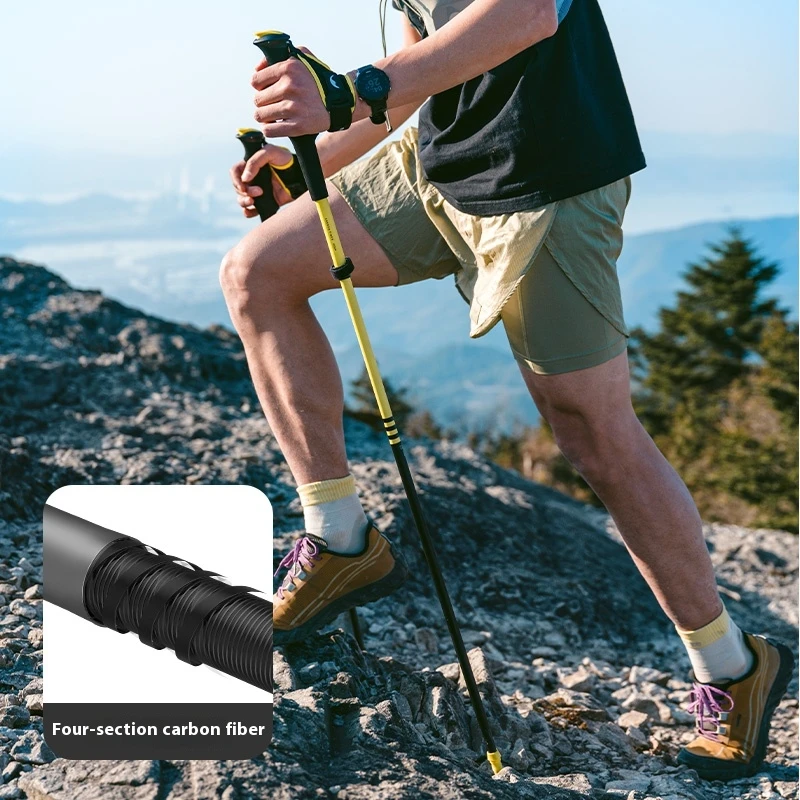
Once you understand what are the sticks for when hiking, the next step is to master their proper usage. Correct technique maximizes benefits and minimizes fatigue or discomfort. Proper handling also ensures safety and enhances the overall hiking experience.
Hiking sticks should be adjusted to suit your height, with elbows bent at approximately a 90-degree angle when holding the grips. This ergonomic setup ensures your stride remains natural and comfortable. When using trekking poles, coordination between your arm swings and steps is vital for smooth movement.
Adjustments during the hike are also crucial. For instance, on uphill sections, shortening the poles provides added leverage, while lengthening them when descending offers better control and reduces impact on your knees. Techniques such as planting the sticks slightly ahead of your body, pushing down to propel yourself upward, or planting firmly to stabilize on descents, make a noticeable difference in your hike’s efficiency.
Proper Grip and Technique
The grip of your hiking sticks should be firm but relaxed, preventing unnecessary muscle tension. Many poles come with adjustable straps that should be looped around your wrists comfortably, providing extra support without constriction.
When gripping the poles, avoid squeezing tightly; instead, use a light hold that allows your fingers to relax naturally, reducing fatigue.
Coordinating Movement with Poles and Body
A coordinated rhythm between your arm movements and steps enhances both stability and speed.
As you step forward with one foot, push down on the opposite pole, helping to propel your body upward or stabilize against uneven surfaces.
This technique distributes exertion evenly and reduces stress on specific joints, especially when descending or climbing.
Practical Tips and Common Mistakes to Avoid
Many hikers underestimate the importance of proper pole adjustment and technique.
Avoid planting your sticks too far ahead or too close to your feet; a position slightly ahead of your foot optimizes support and weight transfer.
Focusing on using the poles to push yourself up hills while ensuring a natural arm motion prevents overexertion and strain.
Comparing Different Types of Hiking Sticks – Which One Suits Your Adventure?

There are various types of hiking sticks available, each designed to cater to different terrains, preferences, and trekking styles. Choosing the right type can enhance your journey and ensure you’re well-equipped for every situation.
Understanding the differences helps answer the question, what are the sticks for when hiking? not only in terms of general support but also regarding specific terrain adaptability and personal comfort.
Trekking Poles Vs. Walking Sticks: What’s the Difference?
Trekking poles are specialized hiking sticks engineered for durability, adjustability, and functional performance on rugged terrain.
They typically come with shock absorbers, ergonomic grips, and quick-lock mechanisms that allow easy adjustment on the go.
Walking sticks, on the other hand, are often lighter, with simpler designs meant for casual strolls, and may lack advanced features like shock absorption or quick adjustability.
In terms of use, trekking poles excel during strenuous hikes involving steep ascents, descents, and technical terrain, making them the preferred choice for serious outdoor adventurers. Walking sticks are suitable for leisurely walks, urban hikes, or as supplementary supports for individuals with mobility concerns.
Folding vs. Telescoping Hiking Sticks
Folding sticks collapse into compact sizes, making them highly portable and ideal for travelers or those with limited storage space.
Telescoping poles extend when in use and retract into a smaller size for transport, providing more stability and versatility during varied terrains.
The decision depends on the frequency of use and preferred convenience: folding sticks are excellent for occasional hikers, while telescoping poles are favored by frequent trekkers.
Materials and Design Considerations
Hiking sticks are made from aluminum, carbon fiber, or composite materials, each offering different balances of weight, strength, and price.
Aluminum poles are durable and budget-friendly, while carbon fiber ones are lighter and more shock-absorbent but usually come at a higher cost.
The choice of design also influences comfort and performance, with features like ergonomic grips, adjustable straps, and shock absorption playing crucial roles.
Which Stick Type Best Fits Your Hiking Style?
Ultimately, selecting the right support depends on your physical needs, terrain, and hiking philosophy. If your adventures involve rugged, steep, or technical routes, investing in high-quality, adjustable, shock-absorbing trekking poles is wise. For casual walking in flatter environments, lightweight and simple walking sticks may suffice.
FAQs – Frequently Asked Questions About Hiking Sticks
Q1: What are the sticks for when hiking?
Hiking sticks primarily support stability, reduce joint strain, and conserve energy. They help you navigate uneven, steep, or slippery terrain safely by distributing physical effort across your body.
Q2: How do I choose the right hiking sticks?
Select sticks based on terrain, frequency of use, and personal preferences. Consider adjustable height features, weight, material, grip design, and whether they include shock absorption to ensure comfort and functionality.
Q3: How do I properly use hiking sticks?
Adjust the length to match your height, hold grips lightly, and coordinate your arm swings with your steps. Plant the poles ahead or beside your feet in sync with your stride, especially when ascending or descending.
Q4: Are hiking sticks necessary for casual hikers?
While not essential, hiking sticks enhance safety and comfort, especially on challenging terrain or for individuals with mobility concerns. Casual hikers can benefit from added stability and reduced fatigue.
Q5: Can hiking sticks improve performance on technical trails?
Yes, high-quality trekking poles provide better control, balance, and energy transfer, making technical sections more manageable and reducing the risk of falls or injuries.
Conclusion
Hiking sticks are more than simple poles; they are vital companions that significantly elevate your outdoor experience. By providing support, stability, and energy conservation, they empower you to explore more challenging terrains with confidence. Understanding what are the sticks for when hiking enables hikers to harness their full potential, choosing the right type and technique to match their adventure. Whether navigating rocky paths, steep inclines, or slippery slopes, properly used hiking sticks are invaluable tools that enhance safety, comfort, and efficiency, transforming a strenuous hike into a joyful exploration of nature’s wonders.