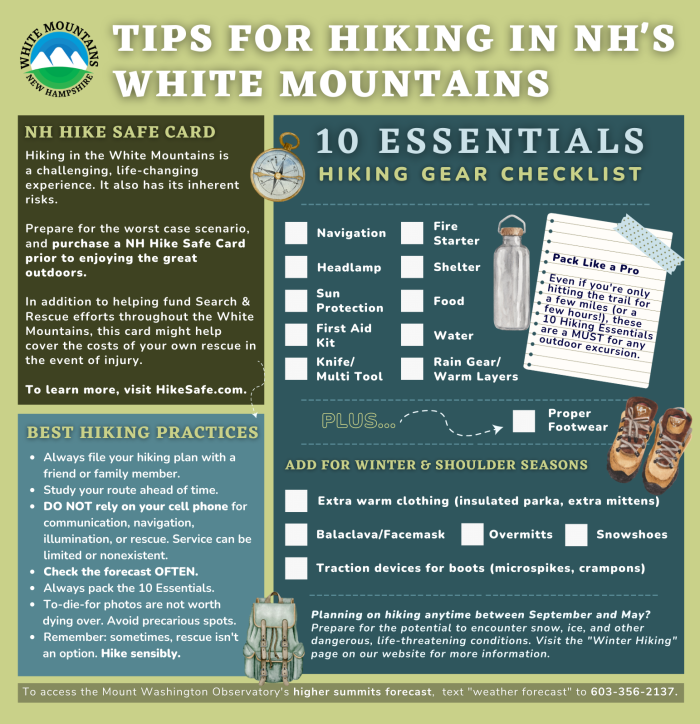
Embarking on a hiking adventure requires more than just a love for nature and good footwear. It demands preparation, knowledge, and the right gear to ensure safety, comfort, and enjoyment. Whether you’re a seasoned trekker or a beginner, understanding what are the 10 essential gears in hiking is fundamental for a successful trip. This comprehensive guide delves into each piece of crucial hiking gear—exploring their importance, proper use, and how they can transform your outdoor experience into a memorable adventure.
Why Identifying the 10 Essential Gears in Hiking Is Crucial for Every Outdoor Enthusiast
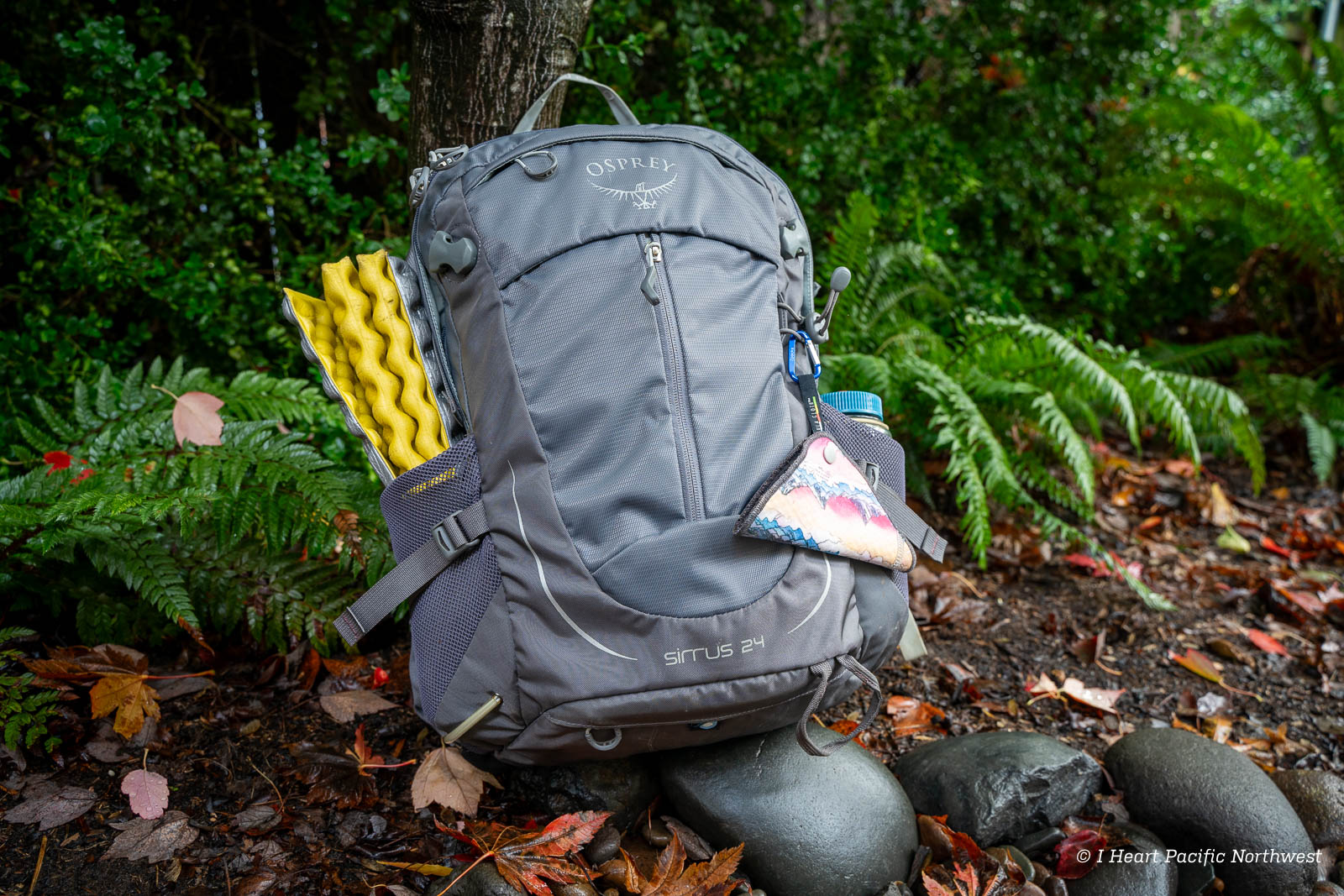
Before diving into the specifics, it’s vital to recognize why understanding what are the 10 essential gears in hiking is so important. Hiking is an activity that combines physical endurance with environmental unpredictability. Proper gear not only increases comfort but also acts as a safety net against unforeseen circumstances like weather changes, terrain challenges, or emergencies.
Additionally, the right gear enhances efficiency, allowing hikers to conserve energy and focus on enjoying the scenery rather than battling discomfort or risks. Overpacking or neglecting critical equipment can lead to dangerous situations, ranging from minor inconveniences to life-threatening emergencies. Therefore, familiarity with these essentials promotes responsible and enjoyable outdoor pursuits, fostering a deeper connection with nature while safeguarding wellbeing.
In essence, knowing what are the 10 essential gears in hiking empowers hikers with the tools needed to navigate different terrains confidently. It also helps in planning proper gear lists tailored to specific environments, such as mountain trails, forests, or desert landscapes. This knowledge fosters confidence, skills, and resilience, making your hiking endeavors not just adventurous but safe and rewarding.
The Foundational Importance of Reliable Footwear in Hiking Gear Selection
Selecting the right footwear is arguably the most critical aspect of packing for a hike. In the realm of what are the 10 essential gears in hiking, sturdy, comfortable, and appropriate hiking shoes or boots top the list. Footwear influences your mobility, comfort, and safety, affecting every step of your journey through rugged terrains or uneven trails.
The Critical Role of Shoe Durability and Support
Hiking shoes should be chosen based on the terrain you expect to encounter. For rocky paths or mountain excursions, high-ankle boots provide ankle support, preventing sprains. For well-maintained trails, trail runners may suffice due to their lightweight design and quick-drying features. Durability is paramount—quality materials such as Gore-Tex or other water-resistant fabrics prolong the lifespan of your footwear while protecting your feet from moisture, mud, and debris.
Support features in hiking shoes significantly reduce fatigue and prevent injuries. Arch support, cushioning, and a sturdy sole provide stability across diverse terrains. Remember, your feet carry all your weight and absorb shock, so investing in well-fitting, supportive footwear minimizes discomfort and the risk of blisters, calluses, or more serious injuries. Always test new shoes on shorter hikes before embarking on extensive adventures to ensure comfort and fit.
How to Choose and Maintain Your Hiking Shoes
When selecting hiking shoes, prioritize fit—your toes should have enough space to wiggle without slipping inside. Try shoes with the socks you intend to wear for the hike to ensure comfort. Proper lacing techniques also enhance fit and support, reducing pressure points during prolonged walks.
Maintenance prolongs shoe lifespan and performance. Regularly clean the soles for grip, inspect for signs of wear, and ensure waterproof linings remain effective. Waterproofing sprays or treatment help maintain water-resistant features, especially for extended hikes in wet conditions. Properly maintained footwear not only lasts longer but also provides consistent safety and comfort, making it an essential part of your hiking gear kit.
Essential Navigation and Communication Tools for Safe Hiking Adventures

Navigating unfamiliar terrains is one of the primary concerns when asking what are the 10 essential gears in hiking. Proper navigation tools and communication devices ensure you stay on course and can call for help if needed. Modern technology and traditional methods complement each other, providing reliable options regardless of environmental conditions.
Traditional Navigation Instruments
Map and compass are the cornerstone of classic navigation, indispensable even in the age of GPS. A detailed topographical map helps you understand terrain features, water sources, trail markers, and elevation changes. Learning how to read a map and use a compass effectively is a vital skill that can prevent you from getting lost, particularly in areas with poor GPS signal or unforeseen disruptions.
Carrying a physical map and compass is a reliable backup against technological failures, battery depletion, or signal loss. Understanding terrain features and orienting your map correctly ensures you stay aligned with your planned route. Practice these skills regularly to build confidence, and always carry them in a waterproof case or zip bag to keep them dry.
Modern Navigation Devices and Emergency Communication Tools
GPS devices and smartphone apps have revolutionized navigation, providing real-time route tracking and terrain details. However, they require batteries, which can run out. Carrying a portable power bank or extra batteries is a wise measure when depending on electronic tools.
Communication devices like whistles, satellite phones, or personal locator beacons (PLBs) can be lifesavers in emergencies. These tools enable you to alert rescue teams or loved ones if you’re lost or injured, especially in remote areas without cellular coverage. Prior knowledge of how to operate these devices maximizes their effectiveness during critical situations.
How to Use Navigation and Communication Devices Effectively
Before each hike, familiarize yourself with all devices—try out your GPS, set waypoints, and practice using your compass and maps. Share your planned route with a trusted contact and keep them updated on your progress. This proactive approach ensures that, in case of trouble, rescue or assistance can be on its way quickly.
Maintaining communication readiness involves regularly checking your devices’ batteries and carrying spares. When hiking in unfamiliar or challenging environments, these tools become your lifeline, providing confidence and security. Integrating traditional skills with modern technology ensures a comprehensive safety approach, addressing what are the 10 essential gears in hiking and much more.
Food, Water, and Shelter: The Basics for Sustained Adventure
In the quest to understand what are the 10 essential gears in hiking, sustenance and shelter undoubtedly belong to the core essentials. Long hikes demand proper planning—carrying enough nutritious food, clean water, and shelter options ensures your body remains energized and protected from the elements. These items are crucial for maintaining health, hydration, and endurance throughout your adventure.
Nutrition and Hydration Strategies
Carrying lightweight, high-calorie, nutrient-dense foods such as trail mix, energy bars, dried fruits, and jerky sustain energy levels during strenuous activity. These foods are easy to pack, quick to consume, and provide essential nutrients to combat fatigue and hunger.
Hydration is equally vital—dehydration hampers physical performance, impairs judgment, and can cause serious health issues. A suitable water bottle or hydration bladder makes drinking accessible on the move. Some hikers opt for water purification systems like filters or purification tablets to access safe drinking water from natural sources encountered en route.
Effective Shelter and Weather Protection
Depending on the duration and environment of your hike, appropriate shelter options range from lightweight tents to bivvy sacks or emergency space blankets. They provide refuge from unexpected weather changes—rain, wind, or cold—and contribute to rest and recovery.
Wearing layered clothing—moisture-wicking base layers, insulating mid-layers, and waterproof outer shells—enhances protection against weather and temperature fluctuations. Proper shelter and clothing are especially crucial in remote locations where weather shifts quickly and help might not be immediately available.
How to Plan and Use Food and Shelter Supplies
Prior planning involves mapping out water sources and identifying suitable shelter locations beforehand. During the hike, monitor your energy and hydration levels, adjusting intake as needed. Learning to set up tents swiftly and efficiently can make a significant difference in adverse conditions. Proper use and management of these essentials ensure your trip remains safe, comfortable, and rejuvenating, highlighting their importance in what are the 10 essential gears in hiking.
Staying Safe with First Aid and Emergency Equipment
Safety should always be a priority when exploring the wilderness. Recognizing what are the 10 essential gears in hiking includes comprehensive first aid kits and emergency equipment designed to address injuries and unexpected situations promptly. Being prepared for minor wounds, insect bites, or more serious emergencies reduces risks and can be lifesaving.
Assembling a Complete First Aid Kit
A well-stocked first aid kit should contain bandages, antiseptic wipes, pain relievers, and specific items like blister treatments, allergy medication, and tweezers. Customizing the kit to your itinerary and the environment enhances effectiveness. For example, insect repellent or midge netting is essential in mosquito-prone areas, while blister pads aid in preventing foot injuries.
Familiarity with basic first aid procedures empowers hikers to manage injuries until further assistance can be obtained. Practicing these skills beforehand ensures quick, confident responses in real situations, turning a potentially dangerous event into a manageable one.
Additional Emergency Equipment
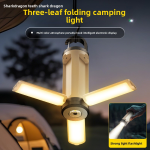
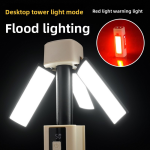
Items such as multi-tools, signal mirrors, headlamps, and extra batteries are indispensable. Multi-tools combine various functions—pliers, knives, screwdrivers—streamlining your gear and providing multiple solutions for common problems. Headlamps enable night navigation or light in emergencies, with extra batteries ensuring they stay operational.
In critical situations, items like emergency blankets or bivvy bags retain body heat, preventing hypothermia. Each piece of emergency gear adds a layer of safety, reinforcing the importance of thorough preparation in answering what are the 10 essential gears in hiking.
How to Use Safety and Emergency Gear Effectively
Before setting out, learn how to operate all emergency equipment and ensure they are in working condition. Carrying and knowing how to use these items reduces panic and improves response times during crises. Regularly reviewing basic first aid techniques increases your confidence, making you better prepared to handle injuries.
While these gear pieces are vital, their effectiveness depends on knowledge and preparedness. Carrying such equipment emphasizes the importance of safety in outdoor adventures, aligning with the overarching theme of what are the 10 essential gears in hiking and ensuring that hikers are equipped to face unpredictable challenges confidently.
FAQs About What Are the 10 Essential Gears in Hiking
What are the most important features to look for in hiking footwear?
Look for durability, ankle support, waterproofing, and comfort. Proper fit is paramount—shoes that are too tight or too loose can cause blisters or injuries. Choosing footwear suited for the terrain—mountain boots for rugged areas, trail shoes for lighter trails—is vital for safety and comfort.
How can I efficiently carry all necessary hiking gear?
Use a well-fitted backpack with adjustable straps and compartments to distribute weight evenly. Packing essentials logically, with frequently used items accessible, helps improve efficiency. Modern backpacks often include hydration reservoirs, which combine storage and water access.
What are the best navigation tools for remote hiking?
Traditional tools like a detailed map and compass are reliable and don’t rely on batteries. Complement this with a GPS device or smartphone app, ensuring your devices are fully charged and backups are available. Emergency communication devices like satellite phones or PLBs are crucial in remote areas.
How do I prepare for sudden weather changes during a hike?
Carry layered clothing, including waterproof outer shells, to adapt quickly. Pack lightweight gear such as emergency space blankets, rain covers, and quick-drying clothes. Monitoring weather forecasts before your trip helps you plan accordingly and avoid dangerous conditions.
What food should I pack for long hikes?
Choose lightweight, high-calorie foods that provide sustained energy like trail mix, energy bars, dried fruits, and jerky. Hydrate regularly and carry water purification methods if natural sources are available. Proper nutrition and hydration are critical for maintaining stamina and safety.
Conclusion
Understanding what are the 10 essential gears in hiking is fundamental for any outdoor enthusiast aiming for safety, comfort, and enjoyment. From reliable footwear and navigation tools to food, shelter, and emergency supplies, each gear component plays a pivotal role in your adventure. Proper planning, familiarization, and maintenance of these essentials ensure that your hiking experiences remain memorable, rewarding, and safe—allowing you to explore nature with confidence and resilience. Armed with the right gear and knowledge, every trail becomes an opportunity for discovery, challenge, and personal growth in the great outdoors.