
Hiking is more than just a walk in the park; it’s an opportunity to connect with nature, challenge oneself, and discover breathtaking vistas. But a rewarding hiking experience hinges on proper preparation. If you’re wondering what are the 10 essential items for hiking?, this comprehensive guide will not only answer that question but also delve into the specifics of each item, offering insights, tips, and personal experiences to ensure you’re fully equipped for your own trail adventures. Whether you’re a beginner or a seasoned trekker, knowing these essentials guarantees safety, comfort, and enjoyment on every hike.
The Importance of Proper Gear – Why Knowing What Are The 10 Essential Items For Hiking Matters
Embarking on a hike without the right gear can turn an otherwise enjoyable day into a dangerous ordeal. It’s essential to understand that each item on the list is curated based on survival principles, comfort, and efficiency. When asked what are the 10 essential items for hiking, it’s about more than just packing; it’s about safeguarding your health, navigating unforeseen circumstances, and respecting the environment.
Hiking gear has evolved significantly, incorporating lightweight materials, multi-functional tools, and eco-friendly options. Yet, the core essentials remain consistent because they address basic needs—shelter, sustenance, navigation, safety, and communication. Knowing these essentials manifests a responsible approach, ensuring you’re prepared for weather changes, terrain variations, or emergencies. Personal experience has illustrated time and again that even short hikes can go awry without these fundamentals.
Incorporating these essentials into your packing routine boosts your confidence, allows more spontaneous exploration, and minimizes risks. Having the right knowledge about what to pack empowers you with authority—making you less reliant on guesswork and more attached to responsible outdoor practices. Now, let’s explore each of these vital items in detail.
1. Navigation Tools – The Compass and Map for Trail Orientation

Navigating through unfamiliar terrains without proper tools is akin to venturing into the wilderness blindfolded. When asked what are the 10 essential items for hiking, navigation equipment consistently ranks high because it anchors your journey and prevents you from getting lost. The compass and map are perhaps the most traditional yet irreplaceable tools in a hiker’s arsenal.
Before heading out, understanding how to read a map and operate a compass is crucial. Modern GPS devices serve as excellent backups, but they can fail due to technical issues or battery life limitations. The combination of a compass and paper map offers redundancy, ensuring you’re always oriented regardless of electronic failures. Additionally, digital devices can be affected by weather or low battery, making traditional tools indispensable.
How to effectively use navigation tools? Familiarize yourself with terrain features such as ridges, streams, and landmarks—these become reference points when electronic aids malfunction. Practice compass skills and route plotting at home or in controlled environments. When on trial, check your bearings frequently to maintain trail awareness. Remember, what are the 10 essential items for hiking must include tools that provide precise orientation; without them, your adventure risks turning into a survival challenge.
Personal insight: In my many hikes, I’ve found that relying solely on a smartphone has sometimes backfired, especially in dense forests or remote areas. Complementing digital gadgets with a sturdy compass and detailed map significantly enhances safety, giving me confidence in navigating back in any scenario.
2. Adequate Clothing and Layering – Clothing Essentials for Weather Variability

One of the most overlooked aspects of preparing for a hike involves clothing selection—particularly understanding what are the 10 essential items for hiking concerning apparel. The right clothing, especially layered garments, makes the difference between a comfortable experience and a dangerous predicament.
Weather can change rapidly, especially at higher altitudes or across different climates. Proper clothing not only keeps you warm and dry but also wicks away moisture and prevents chafing. Layering is an art; it involves using base layers to manage moisture, insulating layers to retain heat, and shell layers to repel rain and wind.
The key to effective layering lies in selecting versatile and moisture-wicking fabrics, such as merino wool, polyester, or nylon, which dry quickly and retain warmth. Avoid cotton, as it absorbs moisture and can chill the body, significantly increasing hypothermia risk. Personal experience underscores the importance of an emergency rain jacket and extra thermal layers—sometimes even a change of socks for comfort and foot health.
It’s also advisable to have accessories like hats, gloves, and sun protection, depending on climatic conditions. Proper clothing mitigates cold, heat, and unexpected weather while contributing to overall safety and enjoyment. When considering what are the 10 essential items for hiking, craft your clothing pack according to the environment, and remember, gear is useless if not suited to the day’s weather.
Using clothing efficiently:
Wear your layers correctly—base layers close to your skin, insulating layers in the middle, and waterproof shells on the outside. Always test your clothing in controlled situations before long hikes. This preparation ensures you’re never caught unprepared for sudden weather shifts, making your hike safer and more pleasurable.
3. Food and Water – Nutrition and Hydration as Hiking Survival Pillars
Fueling your body properly is crucial when answering the question what are the 10 essential items for hiking. Good nutrition and hydration are fundamental to maintaining energy, focus, and physical health during your trek. Dehydration and low blood sugar are common culprits behind fatigue, disorientation, and even injury on hikes.
Water is the most critical element. Depending on the hike’s duration, size, and environmental conditions, your water needs may range from a liter to multiple liters. Always carry a portable water filter or purification tablets, especially when relying on natural sources, which often harbor bacteria or parasites. Personal experience shows that starting a hike well-hydrated and maintaining consistent water intake throughout is vital to avoid cramps and fatigue.
In terms of food, packing lightweight, non-perishable, nutrient-dense snacks like nuts, trail mix, energy bars, and dried fruits provides quick energy boosts. It’s also excellent to bring compact meals or sandwiches for longer hikes. Proper nutrition supports endurance and mental clarity, reducing the chances of mistakes or accidents.
Here’s a quick comparison table of popular hiking foods:
| Food Item | Calories per serving | Benefits | Ideal For |
|---|---|---|---|
| Trail mix | 150-200 calories | Nutrient-dense, easy to carry | Sustained energy during hikes |
| Energy bars | 200-250 calories | Convenient, high-calorie | Quick energy recharge |
| Dried fruits | 70-100 calories | Natural sugars, antioxidants | Long-lasting snacks |
| Nuts | 150-200 calories | Protein, healthy fats | Filling, supports stamina |
| Fresh fruit (apples, oranges) | 50-80 calories | Hydrating, vitamins | Fresh snacks for hydration |
Remember that hydration and nutrition cannot be overemphasized—they are the backbone of physical resilience during hikes. Adapt your pack with essentials tailored to the altitude, climate, and length of your trip to ensure you’re always well-fueled and hydrated.
4. First Aid Kit – Protecting Yourself with Basic Emergency Supplies
Inquiring what are the 10 essential items for hiking has to include a well-stocked first aid kit. Accidents happen unexpectedly—blisters, cuts, insect bites, or sprains are common in outdoor activities. Having a basic kit ensures you can handle minor injuries immediately and prevent complications.
Personal experience emphasizes that a compact, comprehensive first aid kit boosts confidence, especially on longer or remote hikes. Basic supplies include adhesive bandages, antiseptic wipes, blister treatment, pain relievers, tweezers, and a sterile dressing. Adding personal medications such as antihistamines or an EpiPen is also highly recommended if you have allergies.
Proper knowledge on how to use your first aid supplies is essential. Training or quick guides are valuable assets that help you respond effectively in emergencies. For example, knowing how to clean a wound or immobilize a sprain can be lifesaving and may prevent infections or worsening conditions.
Here’s an example of a well-rounded first aid kit:
| Item | Purpose |
|---|---|
| Adhesive bandages | Cover small cuts and blisters |
| Antiseptic wipes | Clean wounds and prevent infection |
| Sterile gauze | Cover larger wounds and control bleeding |
| Tweezers | Remove splinters or insect stingers |
| Pain relievers | Manage pain and reduce inflammation |
| Emergency blanket | Retain body heat in cold conditions |
| Personal medications | Address specific health needs |
An adequate first aid kit minimizes health risks, alleviates discomfort, and ensures preparedness for unforeseen incidents. Inclusivity and customization based on individual needs and hike conditions elevate safety standards, reinforcing that what are the 10 essential items for hiking virtually always includes basic medical supplies.
5. Shelter and Emergency Items – Staying Safe When the Unexpected Happens
Finally, when considering what are the 10 essential items for hiking, shelter and emergency equipment are paramount, especially in unpredictable weather and wilderness situations. Even during well-planned hikes, unexpected overnight stays or weather emergencies can occur.
A lightweight tent, bivvy, or emergency shelter provides protection against rain, wind, or cold. Personal experience has demonstrated that a compact emergency blanket or bivvy sack is sufficient for short-term shelter, weighing minimal and packing conveniently in your backpack. These items are critical if you get lost or are delayed, guaranteeing a basic refuge.
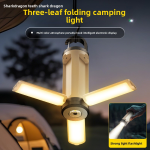
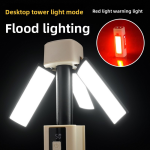
Additional emergency equipment includes a whistle for signaling, a headlamp or flashlight with extra batteries, and multipurpose tools or knives. These items help in signaling rescuers, illuminating dark areas, or performing repairs if needed. A fire-starting kit is also advisable for warmth and visibility, especially in cold climates.
Understanding how to use shelter and emergency gear is vital. Practice setting up your shelter, creating fire, and signaling effectively before venturing into remote regions. Small investments in quality and functionality—like waterproof matches or an all-weather blanket—can significantly increase your chances of safety and survival.
| Item | Use |
|---|---|
| Emergency shelter | Protects from elements in unexpected situations |
| Whistle | Attracts attention when signaling for help |
| Headlamp or flashlight | Ensures visibility at night or low-light conditions |
| Multipurpose tools | Assist in repairs, cutting, or other needs |
| Fire-starting kit | Creates warmth, cooks food, signals with smoke/readily available fire sources |
Being prepared with shelter and emergency gear enables you to handle unforeseen circumstances confidently, adding a vital layer to your overall preparedness. Proper usage and familiarity with these items solidify their role in what are the 10 essential items for hiking.
FAQs about What Are The 10 Essential Items For Hiking?
1. What are the most important items to pack for a beginner hiker?
For beginners, focusing on navigation tools, suitable clothing, water, food, and safety supplies like a first aid kit and emergency shelter ensure safety and comfort. Learning basic skills in using these items enhances experience exponentially.
2. How do I choose the right hiking backpack for essentials?
Select a backpack that fits well, distributes weight evenly, and has compartments for organization. It should be lightweight yet durable, with sufficient capacity to hold all 10 essentials comfortably, plus any extras based on trip length.
3. Can I rely solely on technology for navigation and safety?
While GPS devices and smartphones are helpful, they can fail. Relying on traditional tools like a compass, map, and whistle provides redundancy. Personal experience highlights that combining tech with manual tools is the safest approach.
4. How should I pack my essentials for different weather conditions?
Prepare for variability by packing layered clothing, rain protection, and sun gear. Adjust your water and food supplies based on forecasted temperature and terrain. Always tailor your kit to the expected environment.
5. Do these essentials change with the length of the hike?
Yes, longer hikes require more supplies—additional food, water, and possibly more comprehensive medical kits. Short day trips need minimal extras but should still include all core essentials for safety.
Conclusion
Knowing what are the 10 essential items for hiking is the foundation of a safe, enjoyable outdoor adventure. From navigation tools, weather-appropriate clothing, and sustenance, to first aid, shelter, and emergency gear—each item plays a vital role. Properly selecting, packing, and learning to use these essentials maximizes your ability to handle challenges, adapt to changing conditions, and fully immerse yourself in the beauty of nature. Being well-prepared conveys respect for the environment, responsibility for your safety, and confidence to face any unforeseen circumstances without panic, transforming every hike into a memorable and rewarding journey.