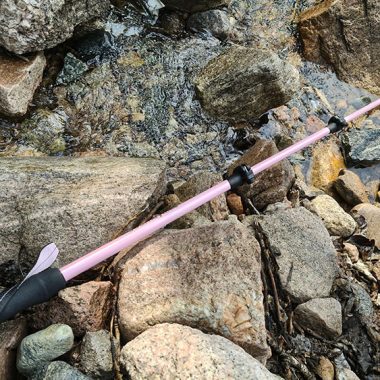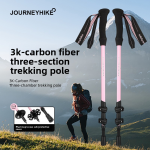
When preparing for a trek, selecting the right trekking poles can significantly influence your comfort, safety, and overall experience. With a wide range of options available, many explorers ask, what is the difference between cheap and expensive trekking poles? Understanding the nuances between these categories can help you make informed decisions, ensuring your investment aligns with your trekking needs and style.
In this comprehensive guide, we will explore the critical differences, advantages, and drawbacks of inexpensive versus premium trekking poles. Whether you’re a seasoned mountaineer or a casual hiker, knowing what sets these poles apart will guide you toward choosing gear that maximizes performance and durability without breaking the bank.
Material Quality and Durability – The Backbone of Trekking Poles
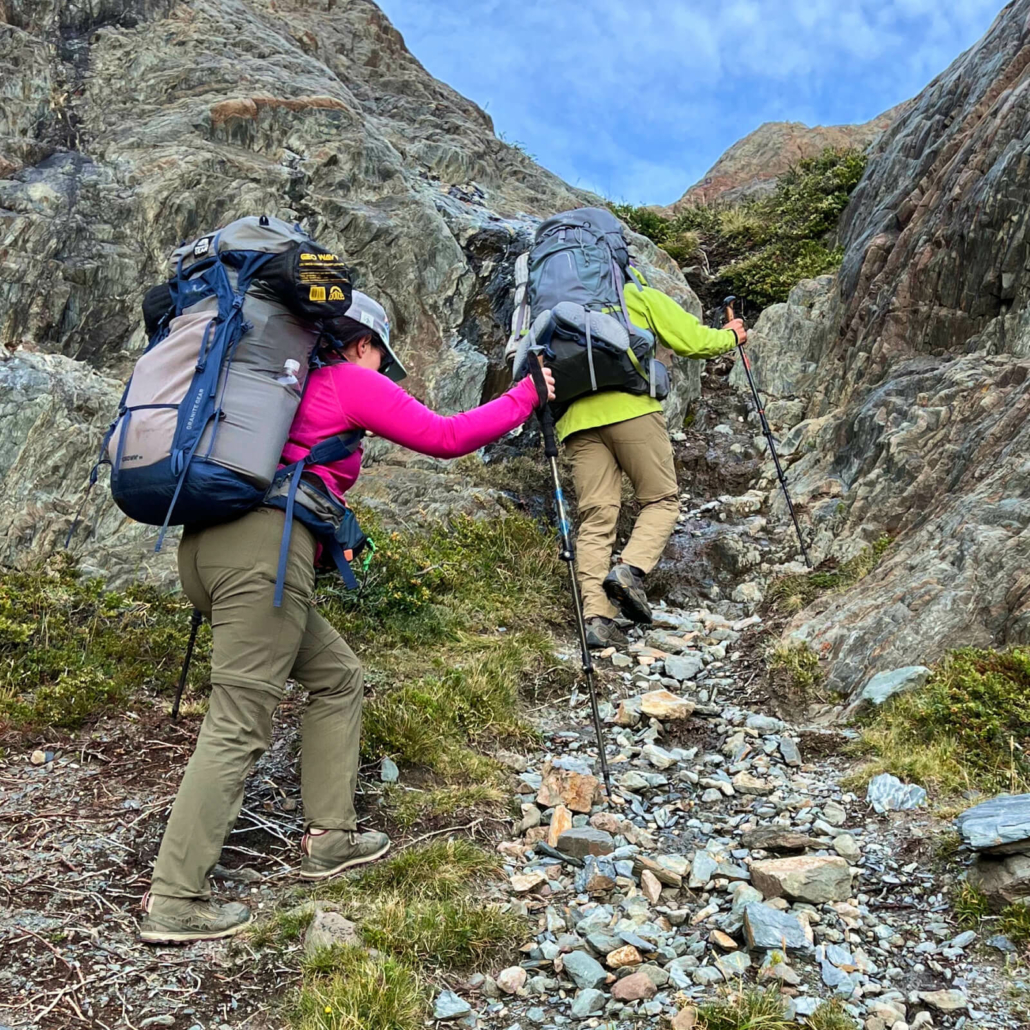
One of the most prominent distinctions between cheap and expensive trekking poles is the material used in manufacturing. This element critically influences durability, weight, and performance across diverse terrains.
When considering what is the difference between cheap and expensive trekking poles, the materials are foundational. Lower-cost models often utilize basic aluminum alloys or even plastic components, which tend to be heavier and less resilient over time. In contrast, higher-end poles typically employ high-grade aluminum alloys like 6061 or 7075, or even carbon fiber composites, recognized for their excellent strength-to-weight ratios.
How Material Choice Affects Performance
Expensive trekking poles made from carbon fiber or advanced aluminum alloys are designed to withstand rough usage and harsh environmental conditions. Their high durability makes them suitable for extreme trekking adventures, including alpine climbs and multi-day hikes. Cheaper options, however, tend to bend, crack, or wear out quickly under intense stress, making them less reliable over multiple trips.
Weight vs. Strength – Finding the Balance
An essential consideration is the weight of your trekking poles. Lightness is desirable, especially during long hikes, as it reduces fatigue. Premium poles, utilizing carbon fiber or reinforced alloys, often weigh significantly less than their cheaper counterparts. This reduction in weight not only enhances comfort but also means less strain on your arms and shoulders during extended trekking.
Longevity and Cost-effectiveness
While the initial investment in expensive trekking poles can seem high, their durability often results in better long-term value. Cheaper poles tend to break or deteriorate quicker, requiring frequent replacement, which can amount to more in the long run. Therefore, if you trek regularly, investing in high-quality materials is a practical choice.
Summary of Material Impact
- Cheap trekking poles: Typically use basic aluminum or plastic, higher weight, lower durability, and shorter lifespan.
- Expensive trekking poles: Use high-grade aluminum or carbon fiber, lighter weight, more resistant to wear and tear, improved performance over time.
In conclusion, material quality forms the core difference influencing how well trekking poles perform under stress, their longevity, and how they feel during use. Understanding this aspect helps justify the investment in more expensive, high-end models for serious trekkers.
Design and Engineering – The Hidden Differences That Matter
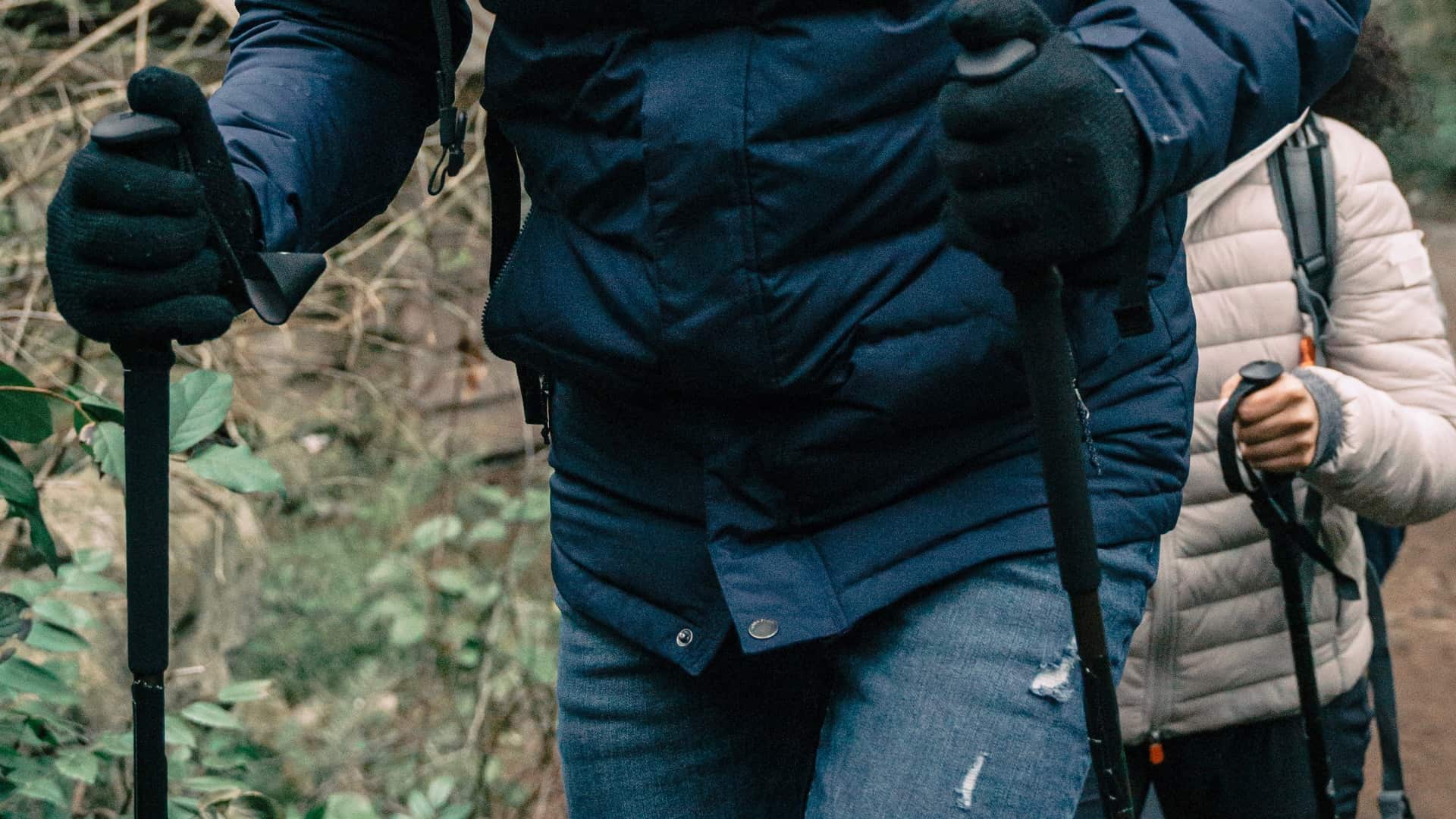
While material quality is vital, the design and engineering of trekking poles play an equally crucial role in their functionality. This encompasses aspects such as collapsibility, locking mechanisms, grip design, and adjustability – elements that directly impact usability and comfort.
Locking Mechanisms – Safety and Stability
One of the key features that differentiate cheap and expensive trekking poles is the locking mechanism used to adjust pole length. Budget models generally rely on basic twist-lock or foldable mechanisms that tend to slip or break with frequent use. These can lead to sudden collapses or adjustments during critical moments, which poses safety risks.
High-end trekking poles often utilize more sophisticated locking systems, such as flick-lock or lever-lock mechanisms, which provide secure, one-handed adjustments. These systems are engineered to withstand rigorous use, maintain their position over time and require minimal effort to operate, offering enhanced stability on steep or uneven terrain.
Ergonomics and Grip Design
Comfort during trekking heavily depends on grip ergonomics and material. Inexpensive poles might feature plastic or foam grips that can become uncomfortable or sweat-inducing after prolonged use. Conversely, premium models incorporate antimicrobial, moisture-wicking grips, often made from cork or rubber, designed to mold to the hand’s shape.
Moreover, adjustable straps are more sophisticated in high-end poles, allowing for better wrist support and reducing fatigue. The contour and padding of grips in expensive poles tend to accommodate natural hand positions, leading to less strain and increased control.
The Engineering of Shock Absorption and Flexibility
Great trekking poles often integrate shock absorption systems or flexible tips, enhancing comfort when traversing rugged terrain. These features reduce impact stress transmitted to joints, especially during downhill sections.
Cheap poles generally lack such innovations, resulting in a more jarring experience on rocky or uneven shifts. Their rigidity can contribute to fatigue or injury over time. Premier models, with engineered shock absorption, improve overall trekking comfort and can extend your endurance.
How Design Impacts Cost and Performance
The engineering intricacies of high-end trekking poles contribute to their higher price but deliver vastly superior performance. They are tailored for demanding conditions, providing safety, stability, and comfort that cheaper options struggle to match.
In contrast, inexpensive trekking poles often prioritize affordability over advanced design features, which can compromise safety and efficiency during long or technical hikes. For serious trekkers or those embarking on challenging terrains, investing in well-designed poles becomes a matter of safety and convenience.
Price, Performance, and Value – Making the Informed Investment

When asked, what is the difference between cheap and expensive trekking poles? the answer often boils down to how these factors translate into real-world utility and value.
Cost vs. Long-term Investment
Initial cost is one of the most apparent differences. Low-cost trekking poles are attractive due to their affordability, often priced under $30, but they tend to wear out quickly, requiring replacement every few trips. High-quality trekking poles may cost $80 to $200 or more, but their durability means fewer replacements and better support over the years.
Performance in the Field
Expensive trekking poles generally excel in a multitude of conditions—from snowy mountain passes to rocky trails—thanks to advanced materials and thoughtful engineering. They maintain their structural integrity, are easier to adjust, and provide better grip and shock absorption, translating to improved comfort and safety.
Cheaper poles, while functional for casual walks or flat terrain, may falter when faced with snow, ice, or uneven ground. Their less sophisticated locking systems and inferior materials can compromise safety and performance, especially under stress.
User Experience and Satisfaction
Many experienced trekkers value the finer details, such as lightweight design, ergonomic grips, and reliable locking mechanisms, which are hallmarks of premium trekking poles. The convenience and confidence they provide can elevate the overall trekking experience, particularly over extended journeys or challenging terrains.
On the other hand, novice hikers or those on a tight budget might find that basic models suffice for occasional use. Recognizing the intended use-case helps determine the appropriate investment level—and whether splurging on high-end poles is justified.
Summary: Price to Value Ratio
Choosing between cheap and expensive trekking poles involves evaluating your trekking frequency, terrain complexity, and budget. For regular, demanding adventures, high-quality poles deliver better performance and durability, making them worthwhile investments. For casual or infrequent hikes, budget options might meet your needs without significant compromise.
FAQs: Common Questions About Trekking Poles
1. Is it worth investing in expensive trekking poles?
Yes, especially if you trek frequently on rugged terrain. High-end poles offer better materials, engineering, comfort, and safety features that can last for years, providing greater value over time.
2. Can cheap trekking poles be reliable?
They can be suitable for casual hiking or flat terrain. However, they often lack durability and advanced features, which may compromise safety and comfort during demanding treks.
3. What materials are used in high-quality trekking poles?
Premium models typically use carbon fiber or reinforced aluminum alloys like 6061 or 7075, which are lightweight, durable, and resilient under stress.
4. How important are shock absorption features?
They are vital for reducing joint strain during descents or on rocky terrain. Expensive trekking poles often incorporate effective shock absorption mechanisms that enhance trekking comfort.
5. How do I choose the right trekking pole for my needs?
Assess your trekking terrain, frequency of hikes, and budget. Invest in high-quality poles if you trek often, need lightweight and durable gear, or face challenging landscapes.
Conclusion
Understanding what is the difference between cheap and expensive trekking poles is essential for making an informed gear choice that aligns with your trekking ambitions. Material quality, engineering design, performance features, and long-term durability distinguish premium models from their budget counterparts. While inexpensive poles may suffice for light or occasional use, serious trekkers benefit from investing in high-end poles that provide safety, comfort, and longevity. Recognizing these differences ensures you can select the optimal trekking poles suited for your journeys, enhancing your outdoor adventures and ensuring your safety across diverse terrains.