Backpacking mixes freedom, thrift, and a love of the outdoors. This short guide lays out the four core elements you need to plan a safe, comfortable walk on UK trails: Shelter & Sleep, Navigation & Safety, Food & Water, and Mobility & Support.
Real people prove it’s possible at any age or budget. Mike and Lorraine, both 65, completed a 630-mile trek on England’s South West Coast Path carrying just 15 kg each. Othmane Zolati set out with $80 and crossed many countries by working along the way.
We link each pillar to practical gear so you can act fast. Expect tips on staying warm and dry with a 2.2 kg sleeping bag, carrying compact safety tools like a Compass Survival Whistle 2-in-1, and lighting options such as a Multifunctional High-Intensity Flashlight or a red EDC flashlight.
Also learn how a smokeless Stainless Steel Wood Stove helps when services are sparse, and how 3K Carbon Fiber Trekking Poles cut strain and boost stability on mixed terrain.
Key Takeaways
- Backpacking is affordable and suits a wide range of ages and budgets.
- Focus on four pillars: shelter, navigation, food/water, and mobility.
- Choose gear that balances weight, durability, and weather protection.
- Carry redundant navigation and simple safety tools for UK conditions.
- Plan food and water with low-impact cooking like a smokeless stove.
- Use trekking poles and proper load management to reduce fatigue.
Backpacking today in the UK: low-cost, flexible, and for every age
You can explore Britain on a budget and still keep choices open with simple, reliable kit. Shorter days, variable weather, and plentiful transport mean routes can be changed on the fly.
Real travellers prove it. Mike and Lorraine, both 65, walked 630 miles on the South West Coast Path carrying about 15 kg each. They chose B&Bs, camps, or fields as needed and rarely pre-booked.
“We picked where to sleep day by day and stayed light. It made the walk relaxed and affordable.”
Low-cost trips work by mixing affordable stays, wild camping where legal, and small-town resupplies. Carry a compact safety kit: a map, layers, a whistle, and a dependable light.
FiTiFT tools are designed to fit that approach. Pair a FiTiFT Compass Survival Whistle 2-in-1 with an EDC Flashlight to keep weight and cost down while staying safe.
Plan smart: use public transport to jump sections, resupply often, and swap digital navigation for paper maps when signal drops.
Quick comparison:
| Approach | Cost | Flexibility | Kit focus |
|---|---|---|---|
| Daily B&B mix | Moderate | High | Comfort + light safety kit |
| Wild camping & hostels | Low | High | Minimal weight, reliable shelter |
| Budget long-haul (work/resupply) | Very low | Variable | Durable basics, multitools |
- Keep safety items prioritized.
- Choose kit that reduces weight and expense.
- Embrace flexibility for weather and tides.
What are the four elements of backpacking?
Think of backpacking as four practical pillars that keep you safe, fed, moving, and rested. These elements simplify planning and help you choose kit that matters when miles and weather test you on UK trails.
The four pillars
Shelter & Sleep
Rest is mission-critical. A reliable sleep system beats fatigue and improves judgment.
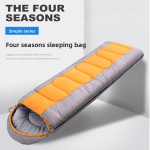
FiTiFT’s Sleeping Bag for All Seasons 2.2 kg anchors this pillar. In the UK, choose a bag rated for damp, wind, and cool nights and pair it with a weather-aware shelter option.
Navigation & Safety
Know where you are and make yourself known. The FiTiFT Compass Survival Whistle 2-in-1 gives directional aid and an audible signal with very little weight.
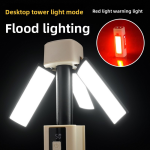
Lighting redundancy matters: use the Multifunctional High-Intensity Flashlight for long runs and a small Red EDC Flashlight for quick tasks in fog or coastal darkness.
Food & Water
Fuel your miles without carrying excess. The Stainless Steel Wood Stove offers smokeless, minimal-trace cooking where allowed and reduces the need for heavy fuel canisters.
Plan resupplies across towns, moors, and coasts and treat water responsibly.
Mobility & Support
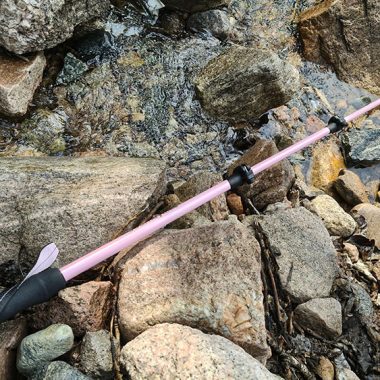
Protect joints and keep a steady pace. 3K Carbon Fiber Trekking Poles lower strain on descents and help on muddy bridleways, slick grass, and rocky steps.
- Shelter & Sleep ensures restorative rest.
- Navigation & Safety keeps you oriented and visible.
- Food & Water fuels performance responsibly.
- Mobility & Support protects your body over distance.
Shelter and sleep: building a reliable rest system
A good night’s rest changes how every mile feels the next day.
Choosing a sleeping bag for all seasons
Pick a bag that balances warmth, moisture management, and durability. The FiTiFT Sleeping Bag for All Seasons in Orange/Gray or Blue/Gray is a lightweight, travel-ready option designed for UK conditions. Its 2.2 kg build aims to resist damp and dry quickly.
Staying dry and warm in British weather
Hybrid shelter strategies work best in the UK. Camp when legal and calm, switch to a B&B or hostel to dry gear after wet days, and keep a lightweight bivy or tarp as backup on exposed coasts and moors.
- Check fill type, temperature rating, and shell fabric for moisture resistance.
- Layer sleeping bag, liner, and pad for ground insulation; use a stuff-sack pillow to save weight.
- Pitch for airflow to reduce condensation; air out kit on sunny lunches after wet nights.
- Store sleep kit in a dry bag at the top of your pack so you can stop and set up fast.
“We kept packs light and chose a B&B when storms rolled in — it let us reset and stay going.”
Navigation and safety: see, signal, and stay on course
Good navigation and clear signals keep you safe when routes change at the last minute.
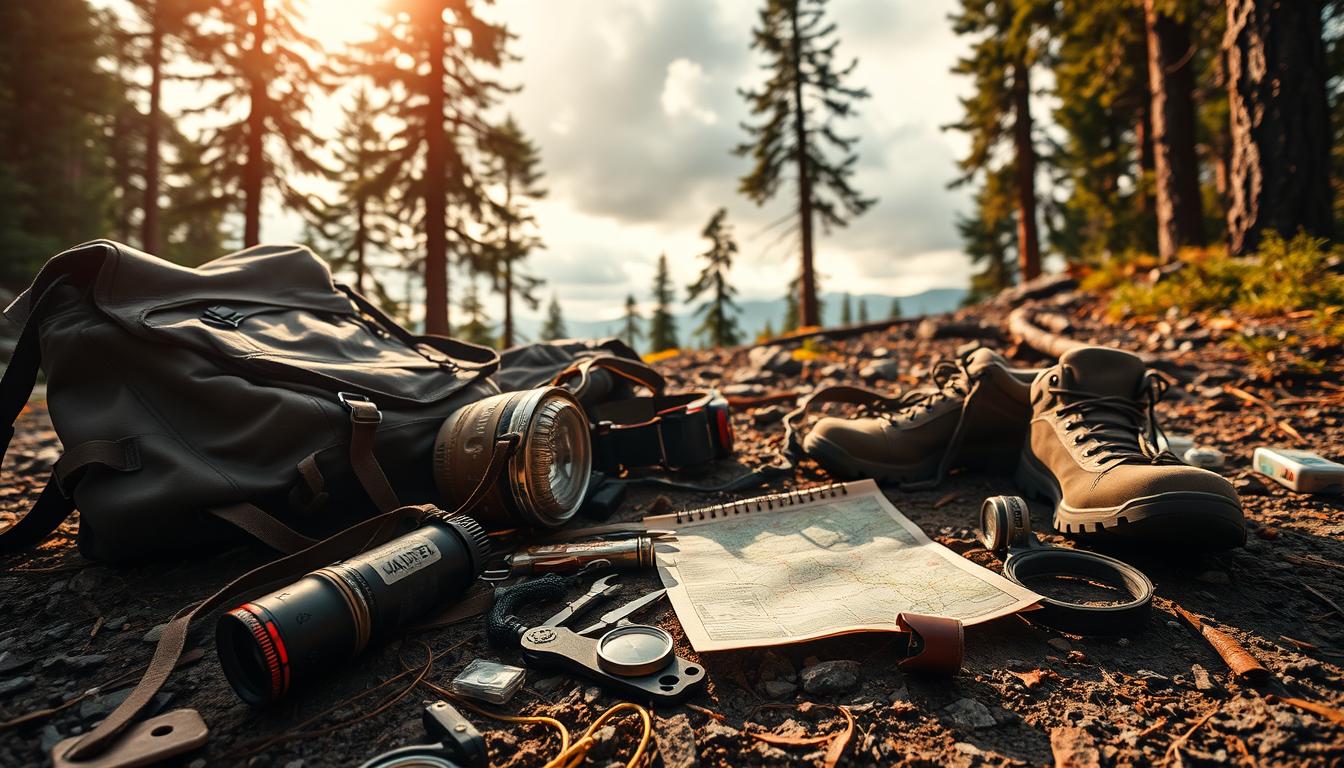
Layered navigation is simple and reliable. Use paper maps and a compass as your baseline. Add GPX files and apps for convenience, but never rely on them alone.
Compact redundancy with a Compass Survival Whistle 2-in-1
The FiTiFT Compass Survival Whistle 2-in-1 saves space by combining a compass and whistle. Carry it on a lanyard or chest strap for instant access. In fog or heavy rain, an audible signal often helps more than light.
Lighting that lasts: EDC flashlight vs multifunctional high-intensity flashlight
Run two lights: a long-throw beam for trail finding and signaling, and a small EDC torch for tent tasks.
- FiTiFT Multifunctional High-Intensity Flashlight gives strong range, USB charging, and bike-mount options.
- FiTiFT Red EDC Flashlight is pocket-sized redundancy for quick checks.
| Tool | Primary use | Carry tip |
|---|---|---|
| Compass Survival Whistle 2-in-1 | Direction + audible signal | Chest strap or lanyard |
| Multifunctional High-Intensity Flashlight | Long-range lighting, signaling | Pack with power bank; mount for bike legs |
| Red EDC Flashlight | Close tasks, quick checks | Keep in quick-access pocket |
Manage batteries: top up at cafés or B&Bs and use low modes to stretch life. Practice compass bearings at home and keep printed route notes and tide times in a waterproof sleeve. Tell someone your rough plan before you go.
Food, water, and cooking: fuel your miles responsibly
Plan food and water the same way you plan your route: simply, safely, and with local options in mind.
Smokeless efficiency
Smokeless efficiency: Stainless Steel Wood Stove for minimal-trace cooking
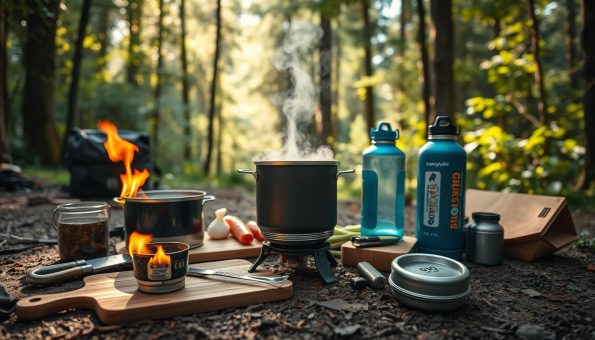
The FiTiFT Stainless Steel Wood Stove cuts the need to carry heavy fuel canisters. It burns small sticks with low smoke and leaves little soot.
Use it where fires are allowed, on a durable surface, and never on peat or in high-risk periods.
Pre-soak meals, use a lid and a windscreen, and pack reusable utensils to save fuel and reduce waste.
Hydration planning
Hydration planning on UK trails and around coastal routes
Aim for 2–3 liters a day depending on effort and weather. Sip regularly rather than gulping.
Carry a lightweight filter or purification tablets for uncertain sources. On coastal legs, plan fills at cafés, village taps, or public facilities—do not try to use seawater.
- Pack dense foods: oats, nuts, cheese, couscous, plus local bakery finds.
- Keep an emergency hot drink plan for cold snaps.
- Bring a small trash bag and support local eateries when possible.
Mobility and support: protect joints and maintain pace
On uneven UK trails, smart support keeps you moving and saves your knees.
Long days across cliffs, beaches, steps, and moors demand gear that steadies you. A balanced support system reduces strain and lets you hike farther with less ache.
Why 3K Carbon Fiber Trekking Poles improve stability on mixed terrain
FiTiFT 3K Carbon Fiber Trekking Poles (2-pack) – Green provide two reliable contact points that act like a portable four-wheel drive on slick grass, loose gravel, and muddy ruts.
3K carbon fiber blends stiffness with low weight to cut arm fatigue while keeping a steady rhythm on rolling trails. Poles offload knees on descents and add power on climbs, which matters with a 10–15 kg pack.
- Adjustable length gives leverage for steep ups and downs; set them longer for descents, shorter for climbs.
- Learn to load wrist straps so hands relax; straps should support, not choke circulation.
- Rubber tips protect stonework and reduce noise in villages; carbide tips bite on dirt and ice when needed.
- Use poles to probe puddles and bogs before committing weight on moorland.
- Stow poles fast for scrambles and attach them outside your pack when wet to keep interiors dry.
- Pair pole use with a well-fitted pack to avoid uneven gait or over-reliance on one side.
Practical note: FiTiFT sells the poles as a 2-pack, so both hands get equal support from the first step. For UK routes, that simple symmetry helps both new and seasoned walkers keep pace and protect joints.
How to choose a backpack that actually works on the trail
The right rucksack keeps kit dry, balanced, and reachable when weather turns. Start with materials that shrug off drizzle and dry fast. A treated nylon or similar semi-waterproof shell plus a dedicated rain cover gives real protection in UK showers.
Water-resistant fabrics, quick-dry performance, and rain covers
Choose treated nylon or comparable fabrics that do not stay damp. Carry a compact rain cover for heavy downpours. Add internal dry bags or liners so a sleeping bag and electronics stay dry even in prolonged drizzle.
Lockable zippers, multiple compartments, and robust padded straps
Pick packs with dual zipper pulls on main compartments so you can lock them together in towns and on transport.
- Multiple compartments separate wet/dry and clean/dirty kit for fast access to maps and snacks.
- Thick, one-piece padded shoulder straps distribute load and resist breakdown over time.
- Ensure hip-belt transfer works: most weight should sit on hips, not shoulders.
- Look for exterior lash points and side pockets for poles and bottles, plus a quick-access top pocket for a FiTiFT Red EDC Flashlight and a Compass Survival Whistle.
Sizing tip: 40–55 liters suits most UK multi-day trips. Avoid oversizing: extra volume invites excess weight and fatigue.
Budgeting smartly and embracing flexibility
A careful daily plan is the easiest way to keep costs low while staying flexible on the trail.
Set realistic daily spending for food, occasional accommodation, transport, and a small emergency buffer. This helps when weather forces a detour or you need new kit mid-trip.
Mix lodging styles: combine camping, hostels, and last-minute B&Bs. Older hikers often choose day-of rooms to stay dry and reset after bad weather. That flexibility cuts wasted spending on unused bookings.
Cook simple meals from village shops with a compact stove to save cash. Treat yourself at a pub on milestone days—one small reward keeps morale high without blowing the budget.
Invest first in safety gear: a reliable light, a compass-whistle, and a basic map. Value items that do more than one job, such as a stainless steel wood stove and a 2-in-1 compass whistle.
| Expense | Daily guide | Smart saving tip | Priority |
|---|---|---|---|
| Food | £8–15 | Buy local, cook with stove | High |
| Accommodation | £0–40 | Mix camping and last-minute B&Bs | Medium |
| Transport | £2–15 | Use passes, travel off-peak | Medium |
| Contingency | £5–10 | Keep buffer for weather/gear | High |
Track expenses nightly and plan occasional rest days in towns to do laundry, repair kit, and hunt local bargains. Stay open to odd jobs or volunteering—many walkers have stretched tiny budgets this way.
Responsible travel principles for every backpacker
Travel lightly and leave a positive trace: small choices make a big difference for trails and towns.
Respect local culture and protect fragile places. Learn access rules, wildlife protections, and fire regulations before you set out. Follow them and ask if unsure.
Respect culture and minimize impact: practical do’s in towns and wild spaces
- Keep noise low in villages and after dark. Use your FiTiFT EDC Flashlight on low mode to avoid disturbing wildlife and residents.
- Pack out all waste, including microtrash. Carry a small spare bag for litter you find or create.
- Bring reusable utensils, a mug, and a toiletry kit to cut single-use waste in hostels and campsites.
- Support local shops, cafés, and family-run B&Bs; buy local crafts where possible to keep money in the community.
- Dress and act respectfully at religious or cultural sites. Take photos without disrupting daily life.
- Use minimal-trace cooking and avoid open fires in sensitive zones; follow all local rules even with smokeless stoves.
- Stay on durable paths to protect dunes, heath, and moorland. Give way courteously on narrow sections and keep dogs controlled around livestock.
| Action | Benefit | Quick tip |
|---|---|---|
| Bring reusable utensils & mug | Less plastic, lower waste | Pack a lightweight set in a dry bag |
| Buy from local shops | Supports small businesses | Choose bakeries and grocers over chains |
| Pack out microtrash | Cleaner trails and wildlife protection | Use a spare bag for small bits |
Packing strategy: organize, balance, and access what matters
Smart packing keeps weight close to your body and essentials within reach. A clear system reduces fatigue and speeds up stops when weather or tide forces a quick change.
Layering and weight distribution
Start with a weight map: place heavy items (food, water, stove) near your spine, centred between the shoulder blades. This stabilises your stride and cuts shoulder strain.
Keep your FiTiFT sleeping bag in a dry-lined bottom or centre compartment. Make it reachable so you can set camp fast in foul weather.
Layer clothing by function: a wicking base, insulating mid-layer, and a waterproof/windproof shell. The UK often serves several seasons in one day, so layer access matters more than bulk.
Quick-access pocket essentials
Reserve a top or chest pocket for items you need without stopping. Pack these in a small organiser or lightweight stuff sack:
- FiTiFT Red EDC Flashlight for quick tent checks and low-light navigation.
- Compass Survival Whistle 2-in-1 on a lanyard for instant signal and direction.
- A folded map segment and a few high-energy snacks.
Use side pockets for water bottles and gloves. Stash your rain shell at the very top for instant deployment. Separate wet/dry and clean/dirty with packing cubes to keep morale and hygiene high.
| Item | Place | Why |
|---|---|---|
| Heavy food & stove | Centre, close to spine | Stabilises load and improves balance |
| Sleeping bag | Dry-lined bottom or centre | Accessible for quick camp setup |
| Rain shell | Top pocket | Immediate protection from showers |
| Quick-access kit (light, whistle, map) | Top/chest pocket | Fast reach in poor conditions |
- Route phone cables and a power bank in a secure inner pocket and recharge indoors when possible.
- Keep a small repair kit handy for on-trail fixes.
- Rebalance the pack as food and water weights change; practice packing at home and time yourself.
Seasonal and weather considerations in the United Kingdom
Short winter days and damp shoulder seasons demand gear that works when conditions change.
UK weather is variable: wind, rain, fog, and sudden sun are all part of a day on the trail. Bring a reliable lighting setup and a warm sleep system to cover shorter daylight and chilly, damp nights.
Lighting and sleep: use the FiTiFT Multifunctional High-Intensity Flashlight for wide-beam needs and a small EDC light for tent chores. Pack a warm, moisture-resistant sleeping bag to stop damp coastal air from turning a mild night into a cold one.
Trekking poles and footwear: spring mud and polished stone require waterproof boots, gaiters, and poles for balance on slick surfaces. Poles also help on wooden bridges and wet limestone.
- Spring: expect mud and lingering chill—waterproof footwear, gaiters, and stable poles help.
- Summer: long daylight but sudden showers—carry sun protection plus a light insulating layer.
- Autumn: wind and early dusk—robust lighting and a windproof shell are essential.
- Winter: plan conservatively—shorter routes, extra layers, and strong lighting for long nights.
Always check forecasts and tide tables for coastal legs. When storms or landslips close a path, consider safer inland alternatives and build recovery days into your schedule.
| Season | Key risks | Recommended kit |
|---|---|---|
| Spring | Mud, cold nights | Waterproof boots, gaiters, trekking poles |
| Summer | Sudden showers, sun exposure | Light insulating layer, sun kit, compact rain cover |
| Autumn | Wind, early dusk | High-output light, windproof shell, warm hat/gloves |
| Winter | Short daylight, storms | Robust lighting, extra layers, conservative route plan |
Practical tip: use a rain cover plus internal liners during extended wet spells to keep core items dry. Good gear reduces risk, but patience and flexible plans win more often than pushing on in bad weather.
Safety mindset: analog backups to your favorite apps
Treat tech as helpful company, not a sole plan — a small set of analog backups keeps you moving.
Carry paper maps, a printed route plan, and a real compass. Keep them in a waterproof sleeve so rain or sweat doesn’t ruin directions. Phones are convenient, but paper and a compass need no signal.
The FiTiFT Compass Survival Whistle 2-in-1 is central to this approach. It gives you direction and an audible signal in one light tool that sits on a lanyard or chest strap. In poor visibility, a whistle often works better than shouting.
Run two lights: a powerful Multifunctional High-Intensity Flashlight for navigation and a compact EDC Flashlight for tent tasks and emergencies. If one fails, the other keeps you safe.
Write key details offline: ICE contacts, medical notes, and nearby B&B addresses. Practice basic bearings, pacing, and handrail navigation using walls, rivers, and ridgelines.
Manage batteries with low modes and scheduled checks. Predetermine bail-out options and tell someone your flexible plan before you go. A small first-aid kit and early blister care prevent minor problems from becoming serious.
- Treat phones as convenience, not lifelines.
- Use FiTiFT Compass Survival Whistle 2-in-1 plus paper maps.
- Carry two flashlights for redundancy.
- Keep printed essentials and practice navigation skills.
Build a reliable overnight kit with FiTiFT gear
A compact, dependable overnight load makes changing plans easy when weather or tides force a detour.
Focus on items that work together: warmth, light, cook, movement, and simple navigation. Keep each piece light and multi-role to save weight and hassle on damp, windy UK legs.
Core loadout
- Sleep: FiTiFT Sleeping Bag for All Seasons (2.2 kg) in Orange/Gray or Blue/Gray gives dependable warmth and resists repeated pack/unpack cycles. Product link
- Light: Pair the FiTiFT Multifunctional High-Intensity Flashlight for navigation and signaling with the Red EDC Flashlight for quick tent and map tasks. Multifunctional • EDC
- Cook: The FiTiFT Stainless Steel Wood Stove offers smokeless efficiency where allowed and cuts the need to carry fuel. Product link
- Move: FiTiFT 3K Carbon Fiber Trekking Poles steady slippery steps and reduce knee load on descents. Product link
- Signal/Navigate: The FiTiFT Compass Survival Whistle 2-in-1 gives simple bearings and an audible SOS option without adding bulk. Product link
Organise these items so the whistle and EDC light sit in a top or chest pocket for instant access. Lash poles to the exterior and store the stove in a side sleeve to keep soot away from sleeping kit.
“A short checklist before each departure saved us time and stress when the weather turned.”
- Protect the sleeping bag with a dry liner and keep spare base layers sealed from drizzle.
- Plan USB top-ups for lights during B&B or café stops; carry a modest power bank for longer legs.
- Keep a printed checklist to verify the core loadout before leaving town.
Inspiration: beginner-friendly UK routes to try
Begin with well-serviced sections so you can practice packing, navigation, and pacing. Choose short samples, learn how your kit works, then extend days as confidence grows.
Try coastal and classic lowland legs: pick 2–4 day segments of the South West Coast Path near Cornwall or Devon for cliffs, beaches, and towns. The Pembrokeshire Coast offers regular access points to shorten or lengthen days.
For gentler terrain, the Cotswold Way and Ridgeway National Trail give soft gradients and broad views. Hadrian’s Wall Path has clear waymarking and Roman sites that make short stages rewarding.
Lake District valley loops and Yorkshire Dales riverside routes suit lower-level circuits before tackling high passes. Start with 10–15 km days and build up as your pack skills improve.
- Mix camping with hostels or B&Bs to cut pack weight and ensure a dry reset after rainy spells.
- Carry a FiTiFT whistle and an EDC light even on easy routes—small basics boost confidence.
- Use poles for steady rhythm and reduced joint strain on varied footing.
Quick buy list: link your kit to high-quality FiTiFT gear
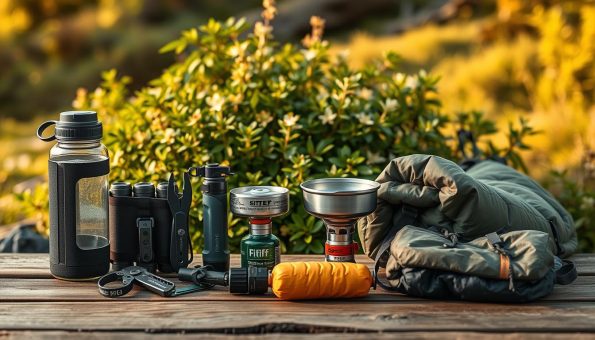
Match each purchase to a problem you actually face on the trail, not a hypothetical one. Below is a compact list that ties items to the four pillars so you can buy with confidence.
Navigation & Safety
FiTiFT Compass Survival Whistle 2-in-1 — https://www.fitift.com/product/compass-whistle/
Shelter & Sleep
Sleeping Bag for All Seasons (Orange/Gray or Blue/Gray) — https://www.fitift.com/product/sleeping-bag-for-all-seasons/
Lighting
Multifunctional High-Intensity Flashlight — https://www.fitift.com/product/multifunctional-high-intensity-flashlight/
EDC Flashlight — https://www.fitift.com/product/edc-flashlight/
Mobility & Support
3K Carbon Fiber Trekking Poles (2-pack) — https://www.fitift.com/product/carbon-fiber-trekking-poles/
Food & Water / Cook
Stainless Steel Wood Stove — https://www.fitift.com/product/stainless-steel-wood-stove/
- Build kit pillar-by-pillar so items work together and stay light.
- Pick your Sleeping Bag color to anchor rest planning in damp climates.
- Pair the Multifunctional flashlight with the EDC torch for redundancy.
- Add the stainless stove where allowed to cut fuel weight and cost.
- Carry the compass-whistle on a chest strap for instant access in poor visibility.
- Consider a small power bank and dry bags to keep electronics and sleep gear mission-ready.
Tip: Keep purchase receipts and a packing checklist together for quick pre-trip checks and warranty reference. Start with essentials, then refine after real miles.
Conclusion
Wrap up your kit around four clear needs and you’ll hike farther with less stress.
Backpacking in the UK rewards simple, multi-role gear. Choose a moisture-wise sleeping bag, layered navigation with an audible whistle, an efficient smokeless stove, carbon poles, and two lights to cover the four pillars.
FiTiFT products map directly to Shelter & Sleep, Navigation & Safety, Food & Water, and Mobility & Support. Real stories—from retirees on the South West Coast Path to budget travellers—show adaptability wins.
Pack smart, protect key items from wet, follow low-impact rules, and start with short routes. Use the quick-buy list to build a compact FiTiFT core kit and get on trail sooner with confidence.
FAQ
What are the four essential elements of backpacking?
The four essential elements are Shelter & Sleep, Navigation & Safety, Food & Water, and Mobility & Support. These cover rest systems like sleeping bags and shelters, ways to navigate and call for help, planning meals and hydration, and tools that protect joints and keep you moving—such as trekking poles and supportive packs.
How can I keep costs low while backpacking in the UK?
Travel flexibly by combining wild camping where legal with low-cost B&Bs or hostels. Use public transport, cook with lightweight stoves like a stainless steel wood stove, and choose durable gear that lasts. Planning and packing efficiently cuts both weight and expense.
Which sleeping bag suits changeable UK weather?
Choose an all-season bag rated for temperatures you expect. FiTiFT’s Sleeping Bag for All Seasons (Orange/Gray or Blue/Gray) offers versatile insulation and a compact pack size, so you stay warm without carrying excess bulk.
How do I stay dry and warm in British conditions?
Layer clothing, pack a reliable rain cover for your backpack, and bring a weatherproof shelter or know nearby B&B options. A good sleeping pad and a quality sleeping bag prevent heat loss on damp nights.
What navigation and safety items should I carry?
Carry a compass, a paper map, and at least one signaling device. The Compass Survival Whistle 2-in-1 provides simple redundancy. Also bring a reliable light source, spare batteries, and a basic first-aid kit.
Which flashlight is best: EDC or high-intensity multifunctional?
Carry both if you can. An EDC flashlight is compact for quick tasks. A multifunctional high-intensity flashlight offers longer range and modes for signalling or night navigation. Choose IP-rated, durable models.
What’s the best way to cook while minimizing trace in the wild?
Use a smokeless, compact stove like a stainless steel wood stove to burn small twigs cleanly. Pack fuel options, cook simple meals to reduce waste, and follow Leave No Trace rules by dispersing ashes and packing out trash.
How much water should I plan for on UK trails?
Plan based on route difficulty, weather, and water sources en route. Carry a baseline of 1–2 liters and know reliable refill points. Use a filter or purification tablets for rivers and streams to stay safe.
Do trekking poles make a real difference?
Yes. Carbon fiber poles like 3K models reduce weight and improve stability on mixed terrain. They reduce joint impact on descents and help maintain pacing on long sections.
How do I choose a backpack that actually works?
Look for water-resistant fabrics, quick-dry mesh, a rain cover, lockable zippers, multiple compartments for organization, and robust padded shoulder straps and a hip belt. Fit matters—try loads with similar weight to your planned kit.
What are smart budgeting tips for gear purchases?
Prioritize items you use nightly—sleep systems, shelter, and footwear. Buy modular, upgradeable pieces and check reviews from trusted outlets. Consider secondhand for high-cost items like backpacks and trekking poles to save money.
What responsible travel principles should backpackers follow?
Respect local culture, stick to marked paths, minimize campfire impact, pack out waste, and camp only where allowed. Be mindful of wildlife and local residents when wild camping near towns.
How should I pack for balance and quick access?
Place heavy items close to your back and centered. Keep quick-access pockets for essentials like a light, whistle, map, and snacks. Use compression and small dry bags to organize layers and food.
What seasonal considerations are unique to the United Kingdom?
Expect rapid weather shifts and variable daylight. Spring and autumn can be wet and cool; summer brings longer days but potential boggy ground; winter requires warmer insulation and awareness of shorter daylight hours. Adjust gear and route length accordingly.
Why maintain analog backups to apps and devices?
Batteries die and signals fail. A map, compass, and a basic knowledge of navigation keep you safe when electronics stop working. Simple tools offer reliable redundancy and peace of mind.
What should be in a reliable overnight kit with FiTiFT gear?
A core loadout includes the FiTiFT Sleeping Bag for All Seasons, a compact shelter or tarp, the Compass Survival Whistle 2-in-1, an EDC flashlight and a multifunctional high-intensity flashlight, a smokeless stainless steel wood stove, and 3K carbon fiber trekking poles.
Can you recommend beginner-friendly UK routes?
Try established paths like the South West Coast Path (short sections), the Pennine Way day sections, or parts of the South Downs Way. Pick routes with good public transport links and nearby accommodation options.
Where can I buy recommended FiTiFT items quickly?
FiTiFT supplies key items like the Compass Survival Whistle 2-in-1, Sleeping Bag for All Seasons, multifunctional high-intensity flashlight, EDC flashlight, 3K carbon fiber trekking poles, and the stainless steel wood stove on their official product pages.