Trekking is an exciting outdoor activity that allows you to explore nature while challenging yourself physically and mentally. However, to enjoy the trek safely and comfortably, it’s essential to have the right equipment. Here’s a comprehensive guide to the gear you’ll need, as well as safety and comfort considerations.
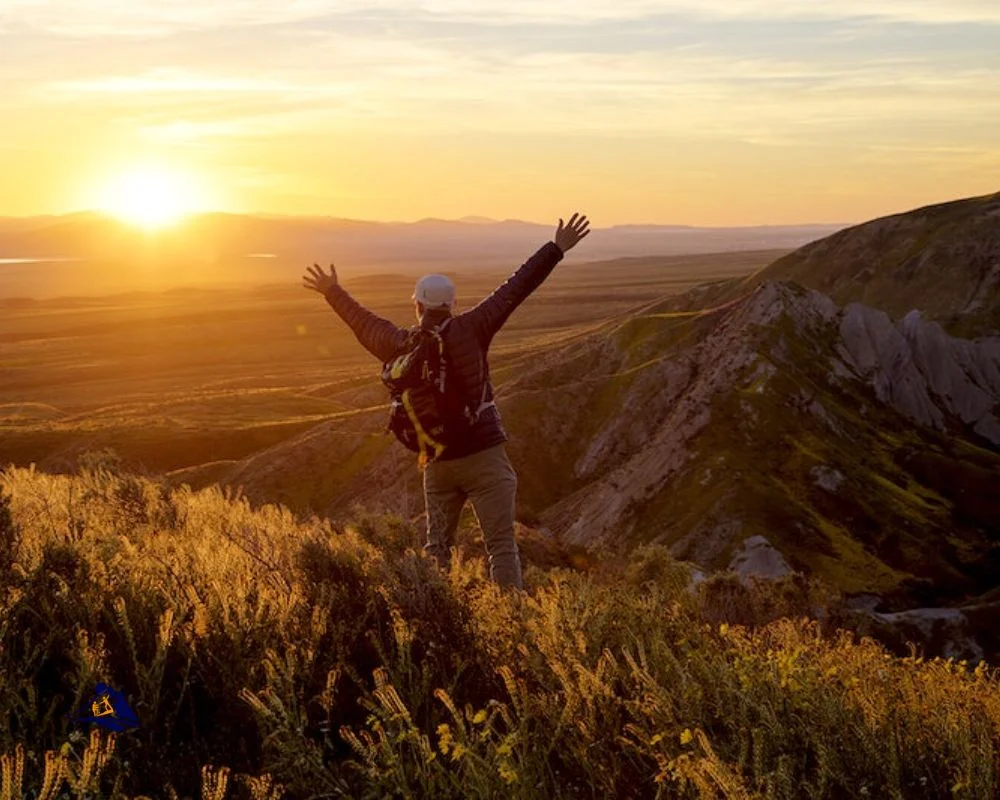
Trekking is a thrilling adventure that offers an opportunity to immerse yourself in the beauty of nature while also pushing your physical and mental limits. To ensure that this experience is both enjoyable and safe, it is crucial to equip yourself with the appropriate gear. Below, we’ll outline the essential equipment needed for trekking, along with important considerations for safety and comfort.
Essential Trekking Gear
- Footwear:
- Trekking Boots: Invest in high-quality hiking or trekking boots that provide adequate grip, ankle support, and waterproofing.
- Socks: Choose moisture-wicking socks to prevent blisters and keep your feet dry.
- Clothing:
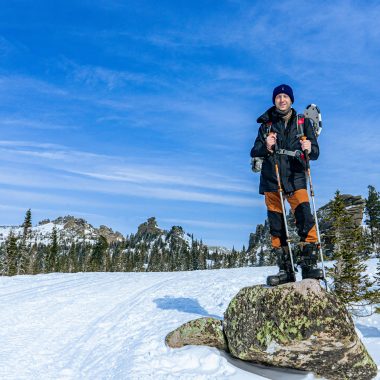
- Layered Clothing: Wear moisture-wicking base layers, insulating middle layers, and waterproof outer layers to adapt to changing weather conditions.
- Hiking Pants: Opt for durable, lightweight, and quick-drying pants.
- Backpack:
- A comfortable and appropriately sized backpack is crucial. It should have enough capacity to hold your gear and include hydration options.
- Navigation Tools:
- Map and Compass: Always carry a physical map and compass, even if you plan to use a smartphone for navigation.
- GPS Device: A handheld GPS can be a useful backup for finding your way.
- Hydration:
- Water Bottles or Hydration Bladders: Stay hydrated on your trek; aim for at least 2-3 liters of water per day.
- Filtration or purification systems are also advisable if you’re unsure about water quality.
- Nutrition:
- Bring easy-to-carry snacks like energy bars, nuts, or dried fruits to maintain your energy levels.
- First Aid Kit:
- A basic first aid kit can be invaluable in treating minor injuries or ailments on the trail.
- Emergency Gear:
- Carry a multi-tool, whistle, headlamp, or flashlight, and a fire-starting kit for emergencies.
Safety Considerations
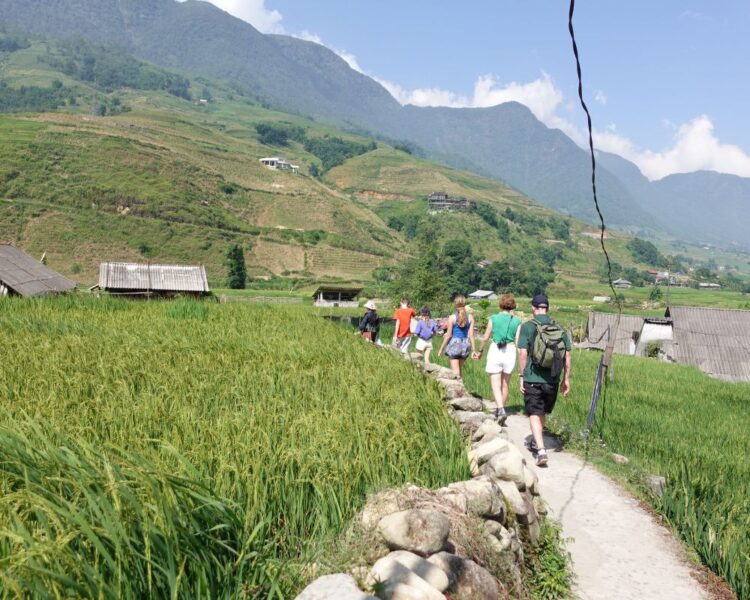
- Inform Someone: Always let someone know your route and expected return time.
- Weather Conditions: Check the forecast and prepare for sudden changes in weather.
- Wildlife: Be aware of the potential for encountering wildlife, and know how to react safely.
- Pace Yourself: Listen to your body and take breaks as needed.
The section titled “Safety Considerations” emphasizes the importance of being aware and prepared when engaging in outdoor activities, such as hiking or exploring nature. Here’s a breakdown of each point:
- Inform Someone: It’s crucial to inform a friend or family member about your plans, including your intended route and expected return time. This way, if you encounter any issues, someone will know to look for you and can alert authorities if necessary.
- Weather Conditions: Always check the weather forecast before heading out. Weather can change rapidly in outdoor environments, so being prepared with appropriate clothing and gear can help ensure your safety and comfort.
- Wildlife: Familiarize yourself with the wildlife that may be present in the area you’re visiting. Knowing how to safely react to encounters with animals can prevent dangerous situations and enhance your overall outdoor experience.
- Pace Yourself: It’s important to listen to your body when exploring outdoor terrains. Taking breaks when needed helps to prevent exhaustion and reduces the risk of injury, allowing you to enjoy your adventure more fully.
Overall, these considerations are vital for ensuring a safe and enjoyable experience in nature.
Comfort Considerations
- Adjust Your Gear: Make sure your backpack is properly fitted and adjusted for comfort.
- Take Breaks: Schedule regular breaks to rest, hydrate, and enjoy the views.
- Stay Warm: In colder climates, make sure to pack layers you can easily add or remove based on your activity level and temperature changes.
Comfort Considerations
When engaging in outdoor activities such as hiking, camping, or extended travel, comfort is crucial to ensuring an enjoyable experience. Here are some key considerations to keep in mind:
- Adjust Your Gear: It’s essential that you fit your backpack and any other gear properly. A well-fitted backpack will distribute weight evenly, reducing strain on your back and shoulders. Additionally, make sure to adjust straps and settings to match your body and carrying style.
- Take Breaks: To prevent fatigue and to fully enjoy your surroundings, it’s important to schedule regular breaks. Use these pauses to rest your body, hydrate, and take in the scenery. Breaks not only help alleviate physical strain but also allow you to recharge mentally.
- Stay Warm: If you’re in a colder environment, dressing in layers is key. Bring clothing that can be easily added or removed based on your level of activity and changes in temperature. This will help you stay comfortable and regulate your body heat effectively, preventing overheating or chill.
By incorporating these considerations into your planning and execution, you’ll enhance your overall experience and maintain a higher level of comfort throughout your outdoor adventures.
By investing in the right equipment and taking the necessary safety precautions, you can enhance your trekking experience, making it both exhilarating and secure. Happy trekking!
1. Footwear
- Trekking Boots: Invest in a good pair of sturdy, waterproof trekking boots with good ankle support and traction. Make sure they are broken in before your trek to avoid blisters.
- Socks: Choose moisture-wicking, breathable socks. Merino wool or synthetic blend socks are ideal as they keep your feet dry and help prevent blisters.
Top Outdoor Survival Tools Gear to Conquer the Wild
2. Clothing
- Base Layers: Wear moisture-wicking base layers to keep sweat away from your skin. Choose materials like synthetic fabrics or merino wool.
- Insulating Layer: A fleece or down jacket for warmth during colder temperatures.
- Outer Layer: A waterproof and breathable jacket to protect against wind and rain.
- Pants: Consider quick-drying, lightweight pants or shorts, depending on the climate and terrain.
What Should You Bring to the Grand Canyon? – Essential Gear for Your Adventure
3. Backpack
- Trekking Backpack: Choose a comfortable backpack with adequate capacity (30-70 liters depending on the length of your trek), good support, and multiple compartments for organization.
What is the Golden Rule of Hiking? Essential Safety Tips for Outdoor Enthusiasts
4. Safety Gear
- Navigation Tools: Bring a map, compass, and/or GPS device to help ensure you stay on track.
- First Aid Kit: A well-stocked first-aid kit is essential for treating minor injuries and ailments.
- Headlamp/Flashlight: A reliable light source for visibility during late hikes or emergencies.
- Multi-tool or Knife: Useful for a variety of tasks, from food preparation to gear repair.
The Complete Rock Climbing Gear Pack: What You Need for Safety and Performance
5. Hydration and Nutrition
- Water Bottles or Hydration Bladder: Ensure you have enough water storage and a reliable means to filter or purify water from natural sources.
- Snacks and Meals: Pack lightweight, energy-dense foods that are easy to prepare, such as trail mix, energy bars, or dehydrated meals.
Essential Equipment for an Unforgettable Trekking Experience
6. Comfort and Convenience
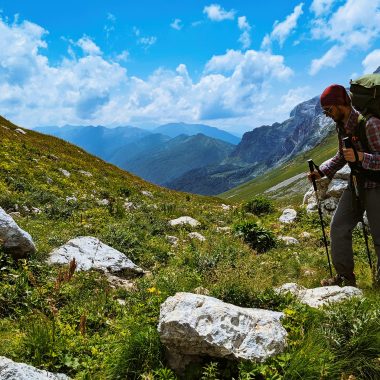
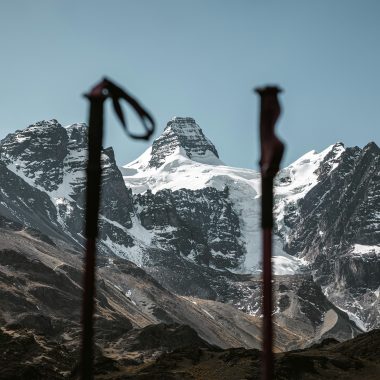
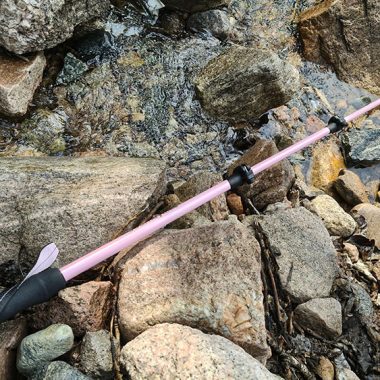
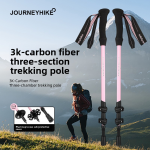
- Trekking Poles: These can help with stability, reduce strain on your knees, and improve balance on uneven terrain.
- Sleeping Gear: If overnighting, consider a lightweight tent, sleeping bag, and sleeping pad for insulation and comfort.
- Sun Protection: Pack sunglasses, a wide-brimmed hat, and sunscreen to protect yourself from UV rays.
Automobile Roof Top Carriers: Durable and Stylish Options
7. Additional Considerations
- Emergency Whistle: Provides a way to signal for help if you get lost or injured.
- Trash Bags: Carry out what you bring in to maintain the natural environment.
- Cell Phone or Satellite Device: For emergency communication, especially in remote areas.
What Should You Bring to the Grand Canyon? – Essential Gear for Your Adventure
Conclusion
Choosing the right equipment for trekking is crucial for ensuring your safety, comfort, and enjoyment. By investing in quality gear and preparing adequately, you can focus on what truly matters: exploring the great outdoors and connecting with nature. Always take the time to research the specific conditions of your trekking route and adjust your gear accordingly to ensure a successful adventure.