When planning a visit to one of the most majestic natural wonders in the world, the Grand Canyon, many travelers often ponder the question: What should you bring to the Grand Canyon? This iconic site not only offers breathtaking views but also a plethora of activities from hiking to photography. To fully enjoy your adventure, knowing what to pack is crucial.
Understanding the Grand Canyon’s Environment and Conditions
Before jumping into the specifics of packing for your trip, it’s important to understand the unique environment and conditions you will encounter at the Grand Canyon. The landscape is diverse, ranging from treacherous cliffs to sandy riverbanks, and the climate can vary greatly depending on the season, time of day, and your elevation within the canyon.
Weather Variability
The Grand Canyon experiences wide temperature fluctuations.
- Summer Months: While the rims can be pleasantly warm, the temperatures in the canyon can soar, often exceeding 100°F (38°C).
- Winter Months: Conversely, winter brings cold temperatures with the rims often seeing snowfall, while lower elevations might remain mild. Understanding these weather patterns will help you decide what to bring for comfort and safety.
Altitude Impact
At its highest point, the Grand Canyon’s South Rim sits at 7,000 feet (2,134 meters) above sea level.
- Oxygen Levels: The altitude can affect people differently, leading to shortness of breath and fatigue.
- Hydration Needs: The drier air can also increase dehydration.
Packing items to meet these altitude-related challenges is crucial for a safe and enjoyable visit.
Essential Items to Pack for Your Grand Canyon Adventure
When pondering What should you bring to the Grand Canyon?, there’s a plethora of gear and essentials that can enhance your experience.
Appropriate Clothing
The first consideration is your attire.
- Base Layers: Think breathable fabrics that wick moisture away from your body.
- Outer Layers: For colder months, pack a warm fleece or jacket.
- Footwear: Comfortable hiking boots with good ankle support are essential, as the terrain can be rocky and steep.
Hydration and Nutrition
Hydration is key to a successful exploration of the Grand Canyon.
- Water Bottles: Ensure you bring reusable water bottles or hydration packs to stay hydrated.
- Snacks: Energy-boosting snacks like nuts, granola bars, and fruit are great options.
Bringing enough water and snacks can make your hiking trips enjoyable vs. dragging due to exhaustion and dehydration.
Safety Gear and Tools
Having the right safety equipment can be invaluable.
- First Aid Kit: Include essentials like band-aids, antiseptic wipes, and pain relievers.
- Navigation Tools: A reliable map, GPS device, or compass will help you stay oriented.
- Sun Protection: Sunscreen, hats, and sunglasses to safeguard against the sun’s harsh rays.
Camping Equipment (If Staying Overnight)
If you’re planning to stay overnight or camp in the canyon, special items will be essential.
- Tent: A durable tent suitable for the elements.
- Sleeping Gear: Sleeping bags rated for the season and sleeping pads for comfort.
- Cooking Supplies: Portable stoves and cooking gear to prepare meals.
Camera Gear for Capturing Memories
The Grand Canyon’s landscapes are begging to be captured.
- Camera: Whether a professional DSLR or a smartphone, ensure it’s ready to take stunning photos.
- Extra Batteries and Memory Cards: The last thing you want is to run out of power or space while capturing awe-inspiring shots.
Making Use of Your Gear at the Grand Canyon
Understanding What should you bring to the Grand Canyon? goes beyond just packing; it involves knowing how to utilize what you have to maximize enjoyment and safety.
Planning Hikes and Activities
Having your essentials can change how you experience the canyon.
- Short Hikes: For day hikes, a lightweight backpack with hydration and snacks is critical.
- Longer Treks: If undertaking multi-day hiking, ensure you have adequate supplies in your camping gear as mentioned above.
Utilizing Safety Equipment
In the thick of adventure, safety should always come first.
- Using the First Aid Kit: Knowing where your kit is stored can save time in emergencies.
- Navigation: Having a map or app can help you locate scenic viewpoints or dangerous paths.
Photography Tips
While experiencing the Grand Canyon, capturing memories is just as important.
- Sunrise and Sunset Photos: The early and late hours provide the best light for stunning landscape photographs.
- Wide-Angle Lens: If using a DSLR, make sure your camera has a wide-angle lens to capture extensive views.
Conclusion
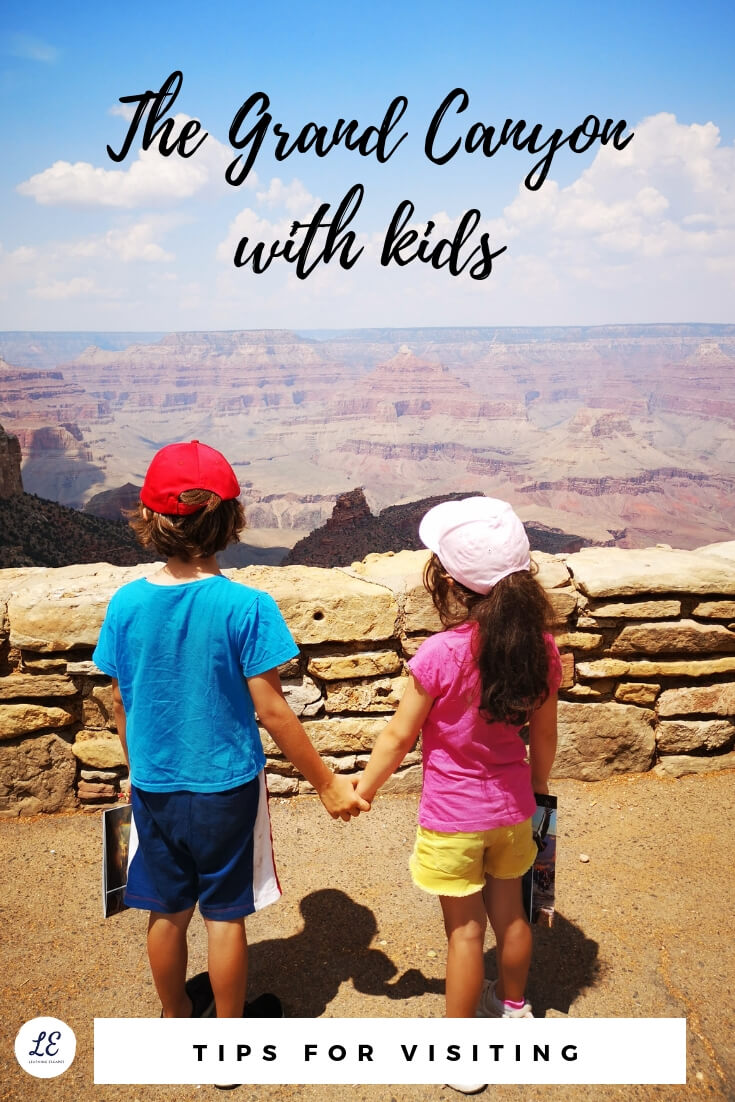
Ultimately, knowing What should you bring to the Grand Canyon? is about preparation and foresight. The Grand Canyon, with its breathtaking beauty and treacherous terrains, requires thoughtful packing of essentials like clothing, hydration, and safety gear. Understanding the environment and planning your activities will not only enhance your comfort but also enrich your experience in this natural wonder. Thus, engage fully, remain safe, and make lasting memories through the perfect preparation for your adventure.
Frequently Asked Questions
What are the best months to visit the Grand Canyon?
The best months to visit are typically from mid-March to mid-November, with mild weather and full accessibility to trails.
Are there any entry fees for visiting the Grand Canyon?
Yes, there is an entrance fee for vehicles that varies by season and park area. Consider purchasing an annual pass if you plan to visit multiple times.
Can I purchase supplies inside the Grand Canyon?
Yes, there are stores and gift shops available, but it’s typically more expensive and with a limited selection. It’s better to pack essentials beforehand.
What’s the best way to stay connected while at the Grand Canyon?
Cell reception can be spotty, especially in the inner canyon. Consider downloading maps and necessary apps before your trip runs out of service.
Are there guided tours available in the Grand Canyon?
Yes, many companies offer guided tours ranging from helicopter rides to hiking treks, providing valuable insights into the canyon’s history and geology.