Are carbon running poles worth it? For runners striving to enhance their performance and endurance, the incorporation of technology continues to enrich experiences. In recent years, carbon running poles have gained popularity among trail runners, hikers, and outdoor enthusiasts alike. But are they really worth the investment? This article delves into the nature of carbon running poles, their benefits, drawbacks, and helps you make an informed decision on their suitability for your running adventures.
Understanding Carbon Running Poles
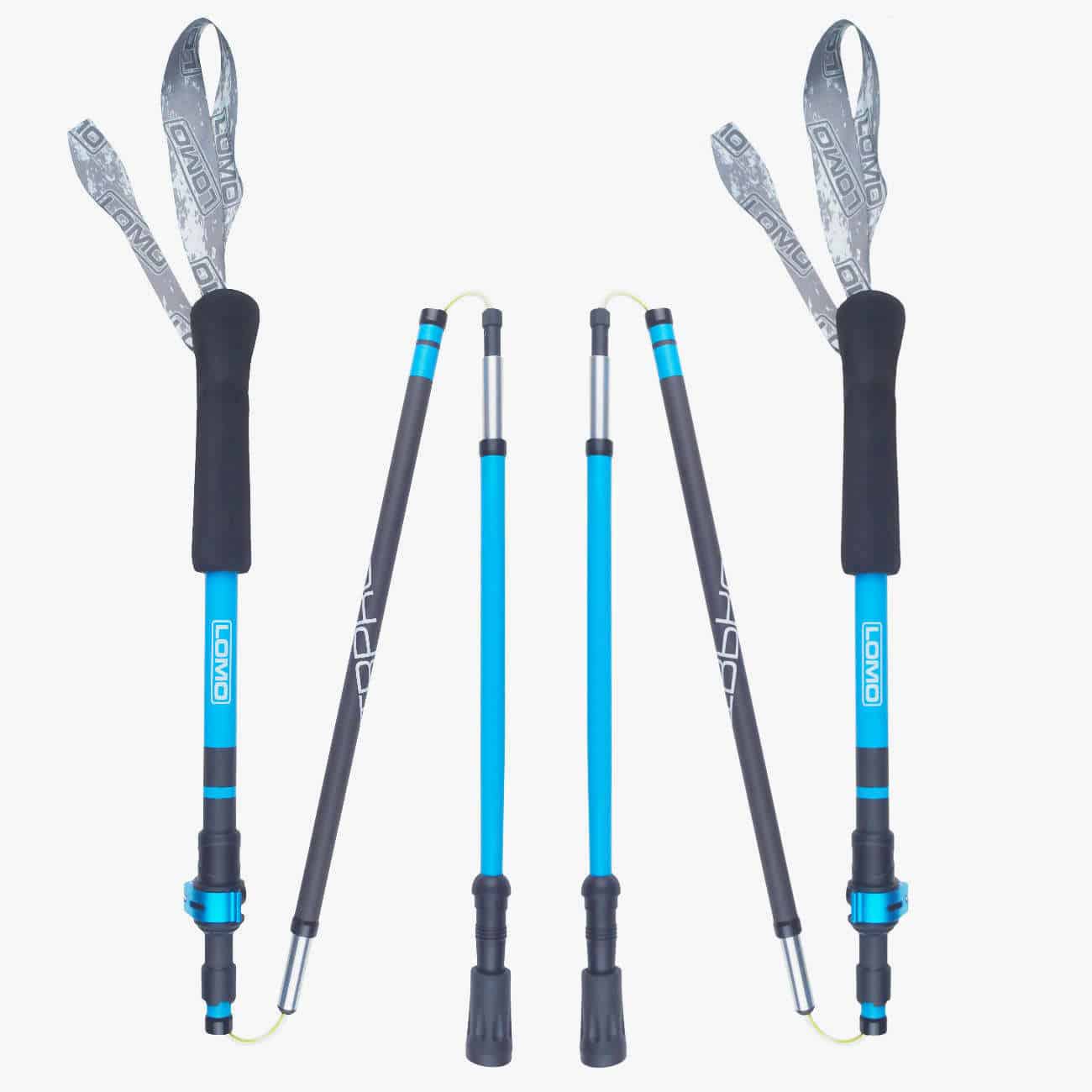
Before we dive into their worthiness, it’s essential to comprehend what carbon running poles are and how they differ from traditional trekking poles.
What Are Carbon Running Poles?
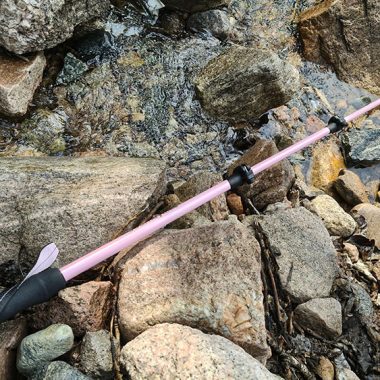
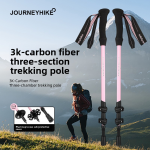
Carbon running poles are lightweight, strong, and flexible supports designed to aid during running and trekking, especially across uneven terrains. They are primarily made from composite carbon fibers, lending exceptional strength while minimizing weight. Their design is optimized for runners, providing stability and balance during movement.
The Construction of Carbon Poles
Unlike aluminum poles, carbon poles incorporate advanced materials that offer unique advantages:
- Lightweight: Typically lighter than aluminum poles, making them easier to carry without compromising strength.
- Vibration Dampening: Carbon absorbs shock more effectively, reducing stress on joints, which is particularly valuable during long-distance runs on rugged trails.
- Durability: These poles resist bending and maintain performance over time, even under extensive use.
The Target Audience
Carbon running poles cater to several groups:
- Trail runners seeking additional support and stability.
- Hikers navigating various terrains who want to conserve energy.
- Adventurers who tackle uphill and downhill challenges requiring balance.
Knowing the audience that utilizes carbon running poles provides insights into their functional value.
Advantages of Carbon Running Poles

Understanding are carbon running poles worth it necessitates evaluating their advantages. Here are several key benefits of using carbon running poles.
Enhanced Stability and Balance
Carbon running poles distribute weight evenly, allowing for more stable footing. This is achieved by utilizing hand placements that counterbalance body weight and shifts in terrain.
- Assistance on Steep Trails: Uphill running benefits immensely as poles provide leverage and reduce strain on leg muscles.
- Improved Downhill Control: During descents, running poles minimize impact and help manage speed.
Reduced Strain on Joints
One of the leading reasons athletes explore carbon running poles is to minimize joint impact during high-intensity workouts.
- Less Fatigue: Employing poles allows for a natural arm swing, engaged core muscles, and reduced pressure on knee joints.
- Increased Endurance: Over long distances, using poles helps alleviate muscle fatigue, enabling you to perform efficiently for extended periods.
Versatile Versatility
Carbon running poles adapt to various conditions and types of terrain, making them a versatile addition to any runner’s gear.
- Adjustable Height Options: Many carbon poles feature adjustable lengths, catering to users of different heights and preferences.
- Perfect for Varied Activities: Not only do they belong on running trails, but they can also assist in hiking, snowshoeing, and even mountain biking.
These advantages make it clear that carbon running poles offer unique benefits for runners willing to make an investment.
Potential Drawbacks of Carbon Running Poles
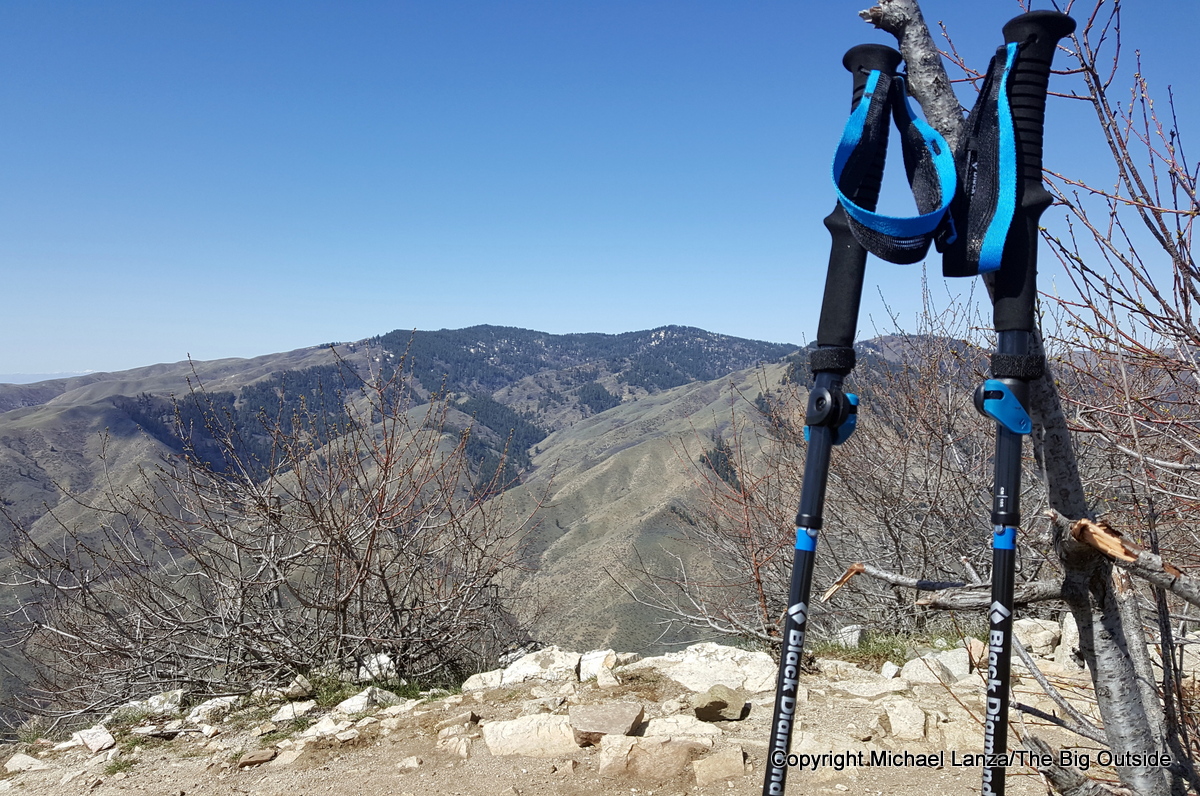
While the benefits are notable, there are also considerations that you should be aware of regarding carbon running poles.
Price Consideration
Balancing cost against overall value is crucial when determining if carbon running poles are worth it for you.
- Higher Initial Investment: As compared to traditional trekking poles, carbon poles tend to be more expensive due to their advanced materials.
- Budget Constraints: For casual runners or those new to trail running, committing to a more significant upfront cost may not be practical.
Durability Concerns
Even though carbon poles are generally durable, there are specific situations where they might be less resilient than other materials.
- Brittleness: Carbon poles can sometimes be susceptible to cracking or breaking under excessive force, unlike aluminum poles that may bend.
- Care Requirements: Users must handle carbon poles with care, ensuring they avoid impacts with hard surfaces to prevent damage.
Learning Curve
Integration of carbon running poles into your routine requires a bit of a learning curve for those new to this style of running.
- Technique Adjustment: You may need to adjust your running form and practice effectively using the poles in rhythm with your stride.
- Coordination Skills: Developing coordination between arm and leg movement can pose a challenge for initial users.
These potential drawbacks highlight the importance of understanding how carbon running poles can fit into your running lifestyle.
How to Use Carbon Running Poles Effectively
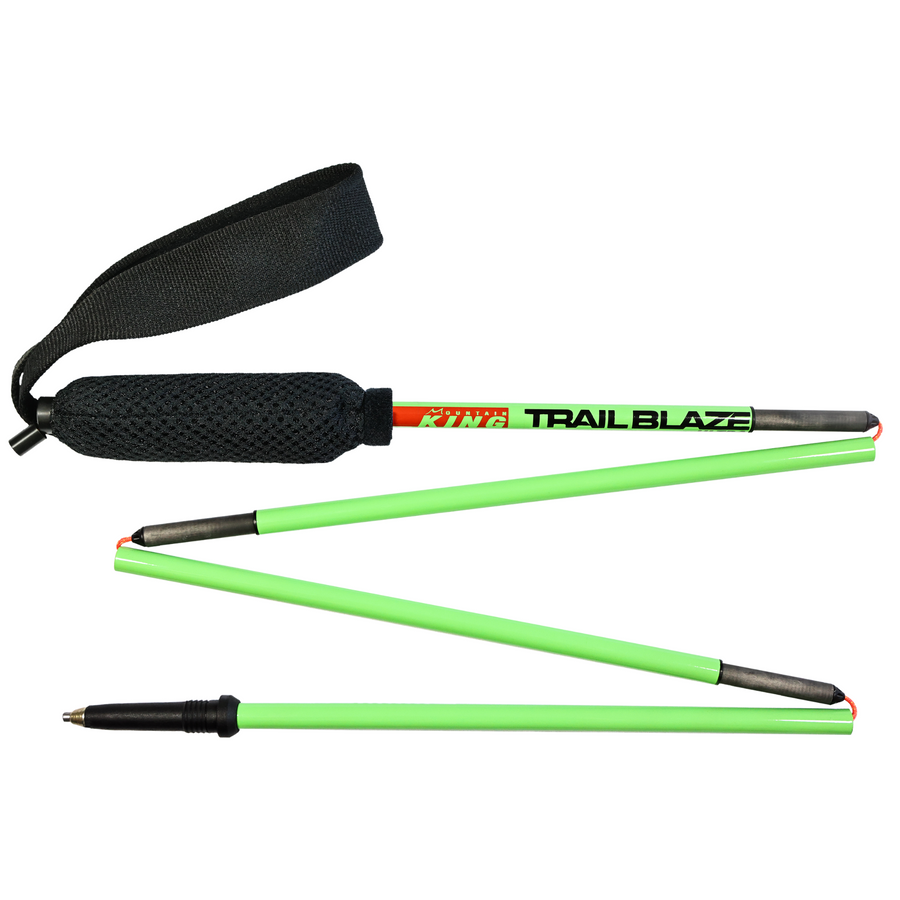
Proper use of carbon running poles can significantly enhance your running experience. Below are some tips on how to get the most out of your poles.
Correct Pole Length Adjustment
The right pole length is vital for achieving optimal performance.
- Measure Properly: When standing upright with the pole, your elbow should form a 90-degree angle when the pole’s tip touches the ground.
- Adjust as Needed: Terrain changes may require frequent adjustments to your poles to accommodate uphill and downhill sections.
Rhythm and Technique
Finding the right rhythm and technique can enhance the effectiveness of your carbon running poles.
- Engage Your Core: Maintaining a strong core will help utilize your poles effectively while running.
- Pole Placement Timing: Strive for a smooth engagement of the pole with the ground in harmony with your opposite foot’s landing.
Practice Makes Perfect
Using poles might feel unnatural initially, so practice gradually is key.
- Start with Short Distances: Begin incorporating poles during shorter runs until you feel comfortable.
- Increase Gradually: As you develop your technique and confidence, gradually increase the distance that you employ the poles.
Using these guidelines not only enhances your performance but also ensures that you gain maximum benefit from your investment in carbon running poles.
Comparing Carbon Running Poles to Aluminum Alternatives
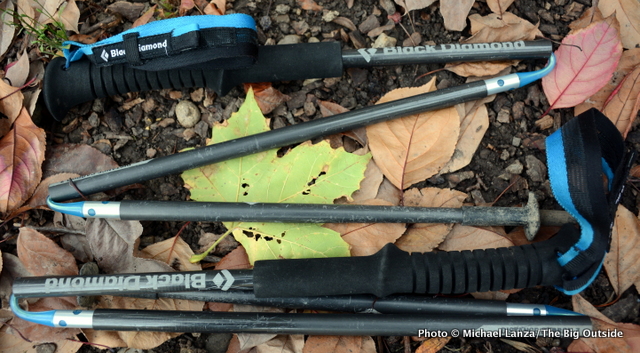
It’s essential to compare carbon running poles against alternative materials, specifically aluminum, to determine their worth.
Weight and Portability
One primary distinction between carbon and aluminum poles lies in weight.
- Carbon Poles: Typically lighter, these poles reduce the overall burden on your body, translating to less fatigue over longer distances.
- Aluminum Poles: While heavier, they offer sturdiness that may appeal to those focusing on durability.
Shock Absorption
The effectiveness in absorbing vibrations and shock is crucial for maintaining joint health during running.
- Carbon Poles: These more comprehensively dampen vibrations, which can reduce strain during challenging runs.
- Aluminum Poles: Although they offer some level of vibration dampening, the performance might not match that of carbon.
Pricing Conundrum
The decision to invest in carbon poles versus aluminum should weigh heavily on your budget and usage frequency.
- Investment: Carbon’s upfront cost may deter some runners, while the longer lifespan can offset initial expenses in the long run.
- Budget-Friendly Aluminum: If you run less frequently or are budget-conscious, aluminum poles might serve merely as a temporary solution.
This comparative analysis further emphasizes the thoughtful consideration needed when deciding whether carbon running poles are worth it for you.
FAQs
Are carbon running poles suitable for beginners?
Yes, carbon running poles can be suitable for beginners, provided they learn the proper technique and start with short distances.
How do I choose the right carbon running pole?
To select the right carbon running pole, consider your height, intended use (hiking or running), and ensure the pole has adjustable lengths.
Can carbon running poles be used for snowshoeing?
Absolutely, carbon running poles can be effectively used for snowshoeing and other winter sports due to their lightweight design and stability.
Should I use my carbon running poles on flat terrain?
While carbon running poles are primarily advantageous in hilly areas, they can also provide stability on flat terrains, especially during longer runs.
Do I need to replace my carbon running poles frequently?
With proper care and usage, carbon running poles can last a significant amount of time. However, inspect them regularly for damage after intense usage.
Conclusion
In summary, whether or not carbon running poles are worth the investment depends on individual preferences, running style, and terrain challenges. With their numerous advantages including stability, reduced joint stress, and versatility, many runners find them beneficial in enhancing their performance. However, potential drawbacks such as cost and fragility invite careful consideration. Ultimately, the decision should align with your running goals and commitment to the sport.