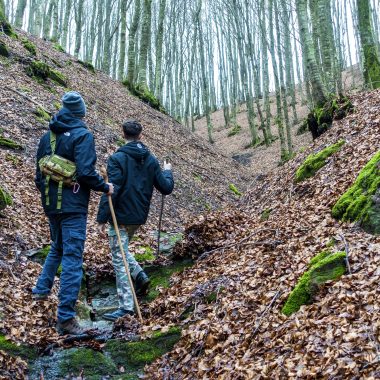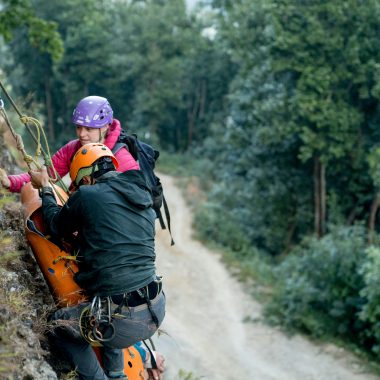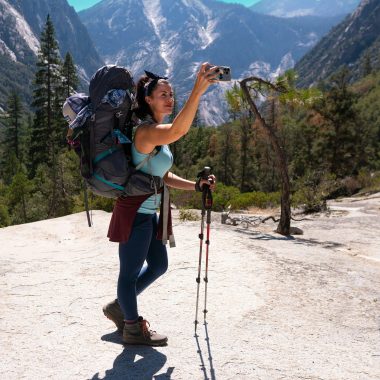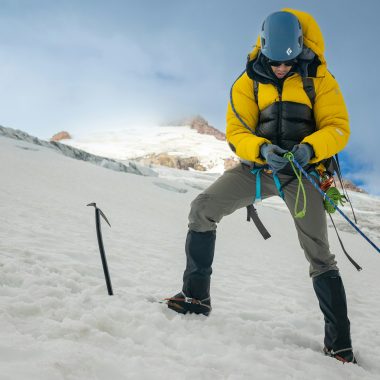
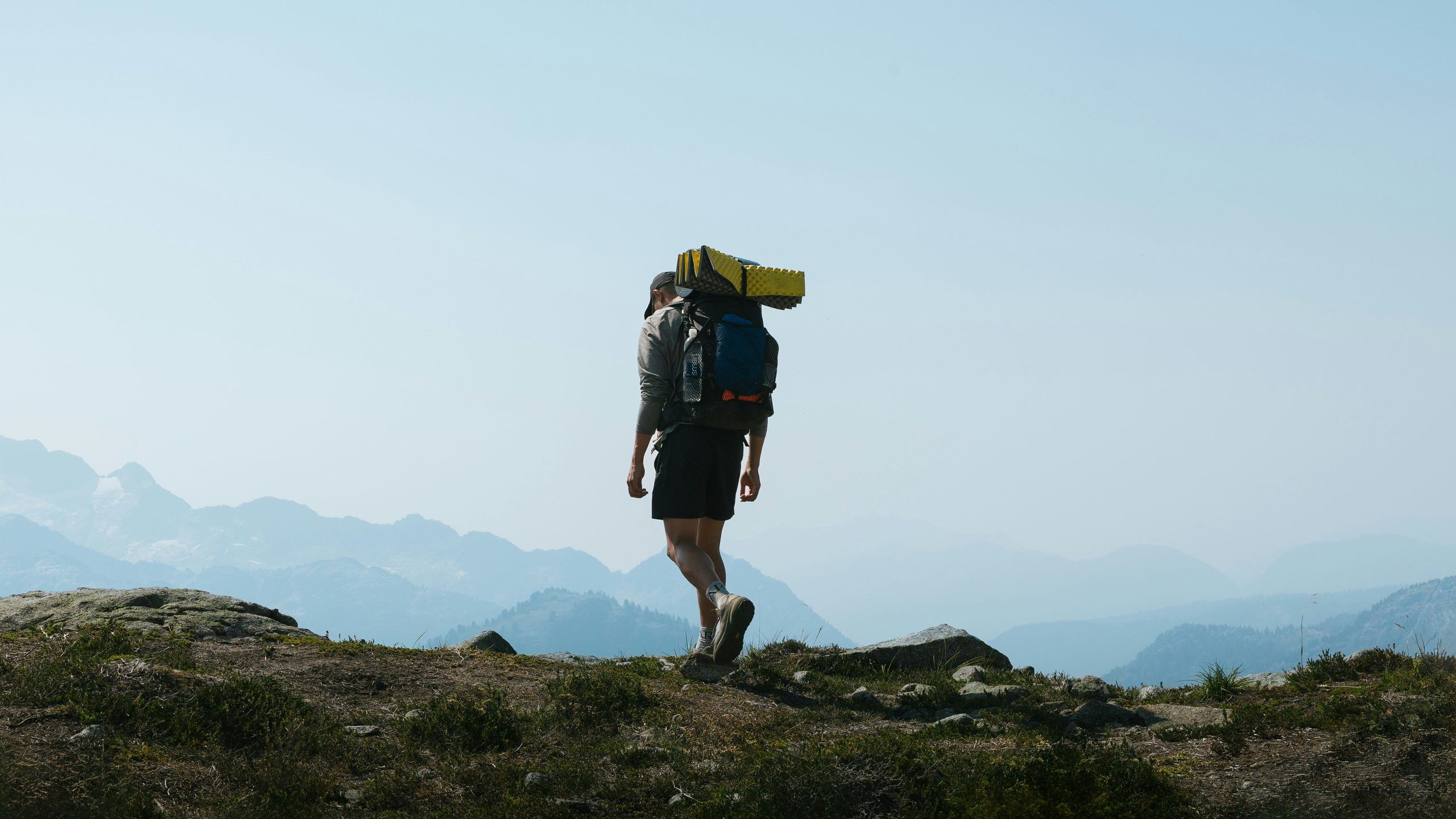
Proper preparation separates memorable outdoor adventures from potential emergencies. Every hiker bears responsibility for their own safety on the trail.
The ten essential systems represent organized categories of first aid and emergency gear. These critical items protect against minor injuries, sudden weather shifts, and unexpected delays.
FiTiFT offers high-quality outdoor sports gear designed for diverse conditions. Our equipment helps outdoor enthusiasts stay prepared across various environments.
This guide covers each essential category and explains why every item matters. You’ll learn practical recommendations for building a comprehensive safety system.
Key Takeaways
- The ten essentials form a fundamental safety framework for all hiking activities
- Proper preparation with quality gear can prevent minor issues from becoming emergencies
- Each essential category addresses specific potential risks on the trail
- FiTiFT provides reliable outdoor equipment designed for various hiking conditions
- Understanding how to use each item is as important as carrying it
- Additional specialized gear may be needed based on destination and activity type
- Every hiker should customize their essential kit to match personal needs
Preparing for Your Hiking Adventure
A well-planned hiking adventure begins long before you step onto the trail. Thorough preparation forms the bedrock of a safe and successful outdoor experience. Every hiker carries personal responsibility for their well-being once they venture into nature.
Understanding the Importance of Being Prepared
Researching your destination is a critical first step. Visit the park’s official website to understand specific trail conditions, elevation changes, and potential hazards. This knowledge helps you select appropriate routes matching your fitness level.
Always share a detailed itinerary with someone reliable. Include your planned route, expected return time, and vehicle description. This simple act provides a crucial safety net if your hike takes longer than anticipated.
Planning Your Route and Gear Essentials
Mountain weather changes rapidly. A sunny day can become a cold downpour in minutes. Your gear selection must create multiple safety layers for these conditions.
Examine topographical maps to estimate hiking time based on distance and elevation. Identify water sources and emergency exit points during planning. This ensures you carry the right kit items for your specific trip duration.
Key Preparation Factors for Your Hike
| Planning Aspect | Critical Considerations | Safety Impact |
|---|---|---|
| Route Research | Trail difficulty, elevation gain, hazard locations | Prevents getting lost or attempting unsafe terrain |
| Weather Assessment | Forecast trends, temperature ranges, precipitation risk | Determines clothing layers and protection essentials |
| Gear Selection | Trip duration, environment, personal needs | Ensures adequate supplies for emergencies and comfort |
| Fitness Evaluation | Current ability, pace planning, turnaround time | Reduces exhaustion risk and improves enjoyment |
Honest self-assessment of your capabilities ensures you choose trails within your limits. Proper preparation with quality essentials transforms potential risks into manageable factors. This approach turns hiking into a truly rewarding outdoor pursuit.
What are the 10 essentials when hiking?
Effective trail safety relies on carrying specific gear categories that address fundamental outdoor risks. These systems work together to protect hikers from navigation errors, weather changes, and unexpected situations.
Navigation and Communication Tools
Every hiker needs reliable navigation tools. Carry a detailed map of your hiking area and a quality compass. Store your map in waterproof protection to prevent rain damage.
GPS devices supplement traditional navigation but never replace map compass skills. Understand magnetic declination for accurate direction finding. This knowledge ensures you can know use your tools effectively.
Protection from the Elements and Illumination
Weather protection includes sun defense and proper insulation. Choose moisture-wicking fabrics instead of cotton. Always pack reliable illumination sources.
Headlamps provide hands-free light in dark environments. Carry extra batteries for your flashlight or headlamp. This ensures continuous visibility during unexpected delays.
Emergency Supplies and Basic Repair Kits
A well-stocked first aid kit addresses injuries and medical needs. Check expiration dates on all aid supplies regularly. Include medications you might require.
Basic repair items like duct tape and a multi-tool handle equipment failures. These repair tools fix everything from torn gear to broken poles. Fire-starting equipment provides warmth and emergency signaling.
Emergency shelter options protect during unexpected overnight stays. Pack high-energy food for extra nutrition. These emergency items create a comprehensive safety system.
FiTiFT’s High-Quality Outdoor Gear for Every Situation
Innovative outdoor products bridge the gap between basic preparation and comprehensive trail safety. FiTiFT engineers specialized equipment meeting demanding requirements across diverse environments.
Innovative Products to Enhance Your Outdoor Experience
The Compass Survival Whistle 2 in 1 combines reliable navigation with emergency signaling. This stonewashed compass provides critical orientation while the whistle delivers audible protection.
FiTiFT’s all-season sleeping bag options offer versatile shelter solutions. The Orange Gray and Blue Gray variants (2.2kg) maintain warmth across changing conditions.
Featured Gear: Compass Whistle, Sleeping Bags, Flashlights, and More
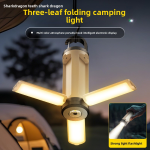
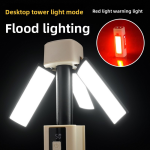
Illumination needs are covered by versatile lighting items. The Multifunctional high-intensity flashlight features bicycle mounting and USB charging. For compact emergency kit inclusion, the EDC flashlight provides reliable backup light.
The 3K Carbon Fiber Trekking Poles deliver premium stability support. These essential items reduce joint stress on challenging terrain.
Complete your safety system with the Stainless steel wood stove. This multifunctional stove enables efficient cooking while minimizing environmental impact.
Each FiTiFT product addresses multiple safety categories within your hiking essentials kit. This integrated approach ensures comprehensive protection during outdoor adventures.
Balancing Navigation, Illumination, and Emergency Essentials
Strategic gear selection combines navigation tools, reliable lighting, and emergency preparedness into a unified safety approach. These systems work together to address potential trail challenges effectively.
Choosing the Right Map, Compass, and GPS for Safe Navigation
Selecting appropriate navigation tools requires understanding your specific trail requirements. A detailed topographic map reveals terrain features that GPS alone cannot display.
Traditional compass skills provide reliable backup when electronic devices fail. FiTiFT’s Compass Survival Whistle exemplifies smart integration, combining orientation with emergency signaling.
GPS points the direction, but only a proper map shows if that way is passable given environmental conditions.
The Role of Flashlights and Illumination in the Outdoors
Headlamps offer hands-free operation for challenging terrain navigation. Always pack extra batteries to ensure continuous light availability.
FiTiFT’s multifunctional flashlights provide powerful illumination with modern charging options. These reliable light sources enhance safety during unexpected delays.
Integrating First-Aid, Fire, and Repair Tools into Your Pack
A comprehensive first aid kit addresses injuries while fire-starting equipment serves dual purposes. These tools provide warmth and emergency signaling capabilities.
Duct tape serves as universal repair solution for equipment failures. FiTiFT’s stainless steel wood stove offers efficient fire management in diverse conditions.
Essential Gear Integration Strategies
| Category | Primary Function | Backup Solution |
|---|---|---|
| Navigation | GPS directional guidance | Map and compass skills |
| Illumination | Headlamp visibility | Extra batteries and backup light |
| Emergency | First aid immediate care | Fire and repair capabilities |
Conclusion
A comprehensive hiking kit serves as your personal lifeline when nature presents unexpected challenges. These fundamental items represent the minimum baseline protection every outdoor enthusiast should carry, regardless of trail difficulty or experience level.
Personal responsibility remains paramount on any excursion. Proper hydration with adequate water supplies, combined with extra day rations, creates a crucial safety buffer against changing weather conditions. All emergency systems work together as an integrated protection framework.
FiTiFT provides high-quality gear that supports this essential safety approach. Their innovative products help transform potential risks into manageable situations. Proper preparation with reliable equipment ensures you can confidently pursue your next outdoor adventure.
FAQ
Why is a map and compass still necessary if I have a GPS device?
GPS devices and smartphones are excellent navigation aids, but they rely on batteries and satellite signals. A physical map and a reliable compass like those from Suunto or Brunton are essential backups. They don’t require power and provide a fundamental, fail-safe method for finding your way on any trail.
What type of first-aid kit is best for a day hike?
A compact, lightweight kit designed for outdoor use is ideal. Look for one that includes adhesive bandages, gauze pads, antiseptic wipes, blister treatment like Moleskin, and basic medications. Brands like Adventure Medical Kits offer excellent pre-assembled options tailored for different trip lengths and group sizes.
How much water should I carry, and are hydration systems better than bottles?
Hydration needs vary, but a good rule is to carry at least one liter of water for every two hours of moderate activity. Hydration bladders, such as those from CamelBak, allow for easy drinking on the move. However, durable water bottles from Nalgene are also a great choice. Always plan for your source and consider a filter or purification tablets for longer trips.
What are the most important items for sun and weather protection?
Key items include sunglasses with UV protection, a wide-brimmed hat, and sunscreen. For changeable weather, pack a lightweight rain jacket and an extra layer like a fleece. A space blanket or emergency tarp is also crucial in your pack for unexpected cold or wet conditions.
What should be in a basic repair kit?
A simple but effective repair kit can save a hike. Essential items include a multi-tool or knife, a roll of duct tape (wrapped around a water bottle saves space), and a few safety pins. These tools can fix broken gear, a torn bag, or malfunctioning equipment quickly.
Why is a headlamp preferred over a handheld flashlight?
A headlamp, such as those from Black Diamond or Petzl, keeps your hands free for tasks like setting up shelter, cooking, or navigating with a map compass in the dark. This is a significant safety advantage. Always pack extra batteries for any light source you carry.