Have you ever found yourself staring at trail ratings and wondering, What does T3 mean in hiking? This article dives deep into the intricacies of trail rating systems, their meanings, and how they enhance your hiking experience.
The Basics of Hiking Trails: A Vocabulary for Adventures
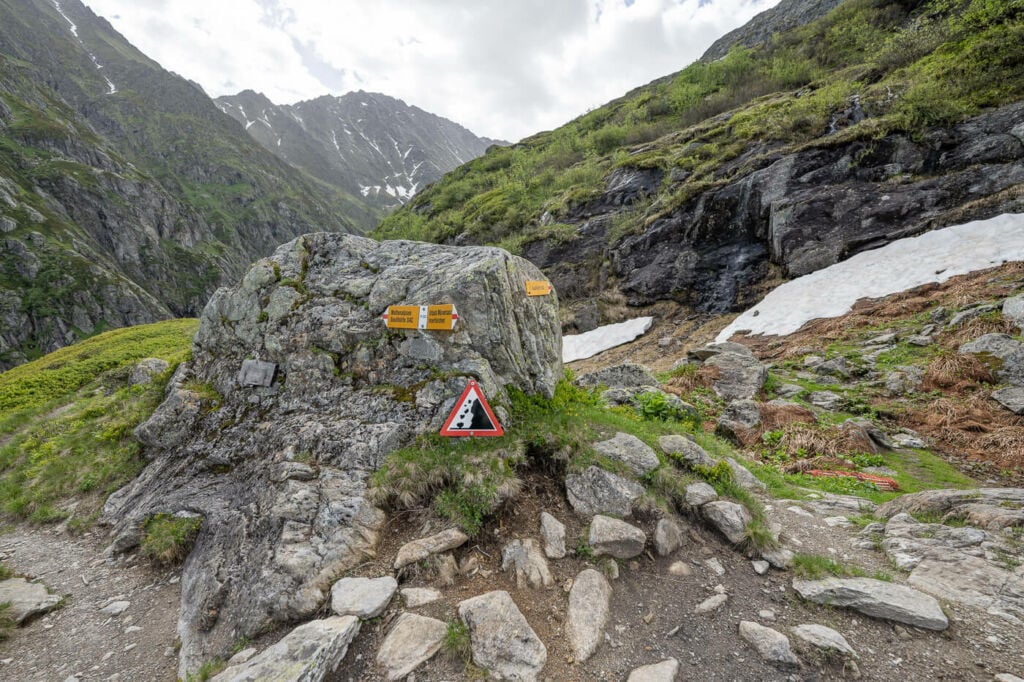
When you’re preparing for a hike, understanding the language of the trail is crucial. This includes knowledge about trail difficulties, terrain types, and various codes like T1, T2, and T3.
Hiking trails are categorized based on difficulty and the type of terrain a hiker can expect. The European classification system generally uses the T-rating, which stands for “Touren” in German, meaning “touring” or “hiking.”
So what does this mean for you? A deeper understanding of trail ratings not only ensures you’re equipped with the knowledge for better choices but boosts your confidence on your hiking endeavors.
Trail Ratings 101
Before we delve into the specifics of T3, let’s take a look at how hiking trails are classified.
What Are Trail Ratings?
Trail ratings provide an indication of the expected difficulty level, giving hikers insight into what challenges they might face. These ratings help hikers choose trails that align with their skill levels and physical conditioning.
Categories of Trail Ratings
Trail ratings often fall into:
- Easy: Flat and well-marked paths, suitable for beginners.
- Intermediate: Some elevation, potential obstacles, generally appropriate for those with some experience.
- Difficult: Steeper terrain, potentially requiring advanced navigation and physical endurance.
Understanding T-Ratings
T-ratings, specifically, categorize trails based on various factors including terrain type, altitude changes, and navigational requirements.
- T1: Suitable for beginners, clear paths.
- T2: More challenging with rough or narrow paths.
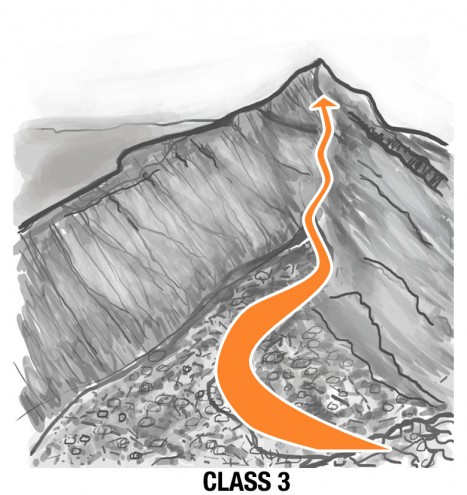
- T3: Involves more technical skills and elements of scrambling, often requiring physical fitness.
Now let’s examine What does T3 mean in hiking?
What Does T3 Mean in Hiking? Characteristics and Expectations
T3-rated trails represent a moderate to high difficulty level that requires a certain degree of hiking experience. Understanding What does T3 mean in hiking? extends beyond just knowing the rating; it’s about being prepared for what lies ahead.
The Technical Landscape of T3 Trails
T3 hikes are not for the casual weekend walker. They demand respect and preparation.
Physical Requirements
- Stamina: Expect to exert a fair amount of energy. T3 trails may involve longer distances or steeper climbs.
- Strength: Navigating rocks, uneven terrain, and potential scrambles calls for physical strength and balance.
Navigational Skills
- Map Reading: Knowledge of the area, how to read a map, and potentially using a compass are essential.
- Route Finding: Finding the best path through challenging physical landscapes is crucial.
Trail Features Specific to T3 Ratings
T3 trails often feature:
- Rocky Terrain: Hikers may face rocks and scree that require careful navigation.
- Exposure: Some areas may lack significant cover or safety features.
- Elevation Changes: Expect to climb and descend steep paths, presenting both rewards and challenges.
If you’re considering a T3 trail, wear suitable hiking boots with good grip, carry sufficient water, and inform someone of your hiking plans.
Popular T3 Hiking Trails and What to Expect

When trying to understand What does T3 mean in hiking?, checking out real-world examples can be incredibly helpful. Here are some popular T3-rated hiking trails from various parts of the world.
Famous T3 Hiking Trails
- The Inca Trail, Peru:
- An iconic trek with steep ascents and descents.
- Remarkable archaeological sites along the way.
- Angel’s Landing, Zion National Park, USA:
- Known for its tight paths and breathtaking views.
- Features chains for navigation along the rock faces.
Preparation and Gear for T3 Hiking
Understanding T3 trails also means being well-prepared.
- Gear Essentials:
- Sturdy hiking boots are a must.
- A good backpack with hydration capabilities.
- Trekking poles for added support.
- Safety Measures:
- Always check weather conditions.
- Carry a first-aid kit.
- Ensure your mobile device is charged but also consider carrying a physical map.
Preparing mentally, physically, and even emotionally can set the stage for a successful T3 hike.
Comparison: T3 vs T2 and T4 Trails

To fully grasp what T3 means in hiking, comparing it to the ratings immediately below and above will illuminate its nuances.
T2 Trails
For context, T2 trails usually involve:
- Less Technical Challenges: While some routes may be narrow and uneven, they don’t require climbing or scrambles.
- Less Exposure: These tenable tracks are often less strenuous compared to T3.
T4 Trails
On the other side, T4 possibilities can include:
- Higher Risk: T4 trails can feature greater descents, often with fewer markers or assistance.
- Requirement for Climbing Gear: Some T4 trails may engage climbing essentials, such as harnesses or ropes.
Personal Considerations for Trail Ratings
When it comes down to personal experience, those who find themselves comfortable on T2 trails may be inspired to venture into T3 trails for the thrill and challenge. Conversely, those intimidated by T3 might want to hone their skills and experience on the comparatively friendlier T2 trails before attempting anything more strenuous.
FAQs
What is a T3 hiking trail?
A T3 hiking trail is characterized by moderate to high difficulty. It typically involves technical skills and varying weather conditions, requiring solid fitness levels and experience.
How do I prepare for a T3 hike?
Preparing for a T3 hike involves physical conditioning, proper gear, navigation skills, and mental preparedness for the challenges you’ll encounter.
What are typical features of a T3 trail?
Typical features include rocky terrain, steep ascents and descents, and general navigational challenges that require experience.
Is it necessary to hike in a group on a T3 trail?
While hiking in a group is advisable for safety reasons, experienced solo hikers can manage T3 trails if they are adequately prepared.
Can anyone hike a T3 trail?
While T3 trails are not exclusively for experts, they are best suited for individuals with some level of trail experience and good physical conditioning.
Conclusion
Understanding What does T3 mean in hiking? is crucial for hiking enthusiasts wishing to smoothly transition between different challenges offered on the trails. From realizing the skills needed for T3 trails to comparing them with T2 and T4 ratings, being informed leads to safer and more enjoyable experiences. Make sure to go into every hike educated, prepared, and ready to tackle whatever the trail throws your way. Happy hiking!