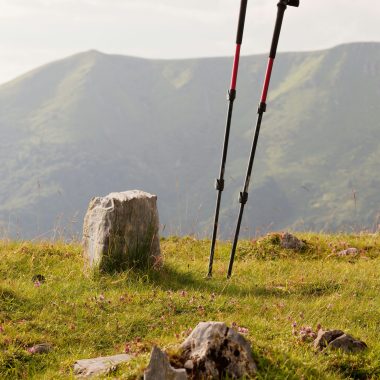
The trekking gear market presents a wide spectrum of pole prices, ranging from around $20 to over $200. This vast price range often leaves outdoor enthusiasts questioning the justification for such a significant investment. Are premium models truly worth the extra cost, or do budget options provide sufficient performance?
Understanding the factors behind this cost variation is crucial for making a smart purchase. Key elements like materials, construction quality, weight, and durability separate entry-level gear from high-performance equipment. These differences directly impact your comfort, safety, and enjoyment on the trail.
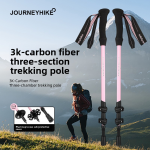
This guide will break down the specific features that define value in hiking poles. We will explore how manufacturing quality and engineering design influence longevity and performance. Our analysis will include examples of premium gear, such as FiTiFT’s 3K Carbon Fiber Trekking Poles, to illustrate the tangible benefits of higher-quality construction.
By the end, you will possess the knowledge to determine which investment level best suits your hiking style and frequency. Whether you are a casual day hiker or a serious backpacker, this comparison will help you allocate your outdoor gear budget effectively and confidently.
Key Takeaways
- The price of trekking poles varies significantly, reflecting differences in materials and construction.
- Premium poles often feature advanced materials like carbon fiber for better performance.
- Higher cost typically correlates with increased durability and a longer product lifespan.
- Your specific hiking needs and frequency should guide your purchasing decision.
- Understanding the value behind the price helps you make a more informed investment in your gear.
Introduction to Trekking Poles and Outdoor Gear
Proper outdoor equipment transforms hiking experiences from challenging to enjoyable. The right gear provides stability, comfort, and safety during wilderness adventures.
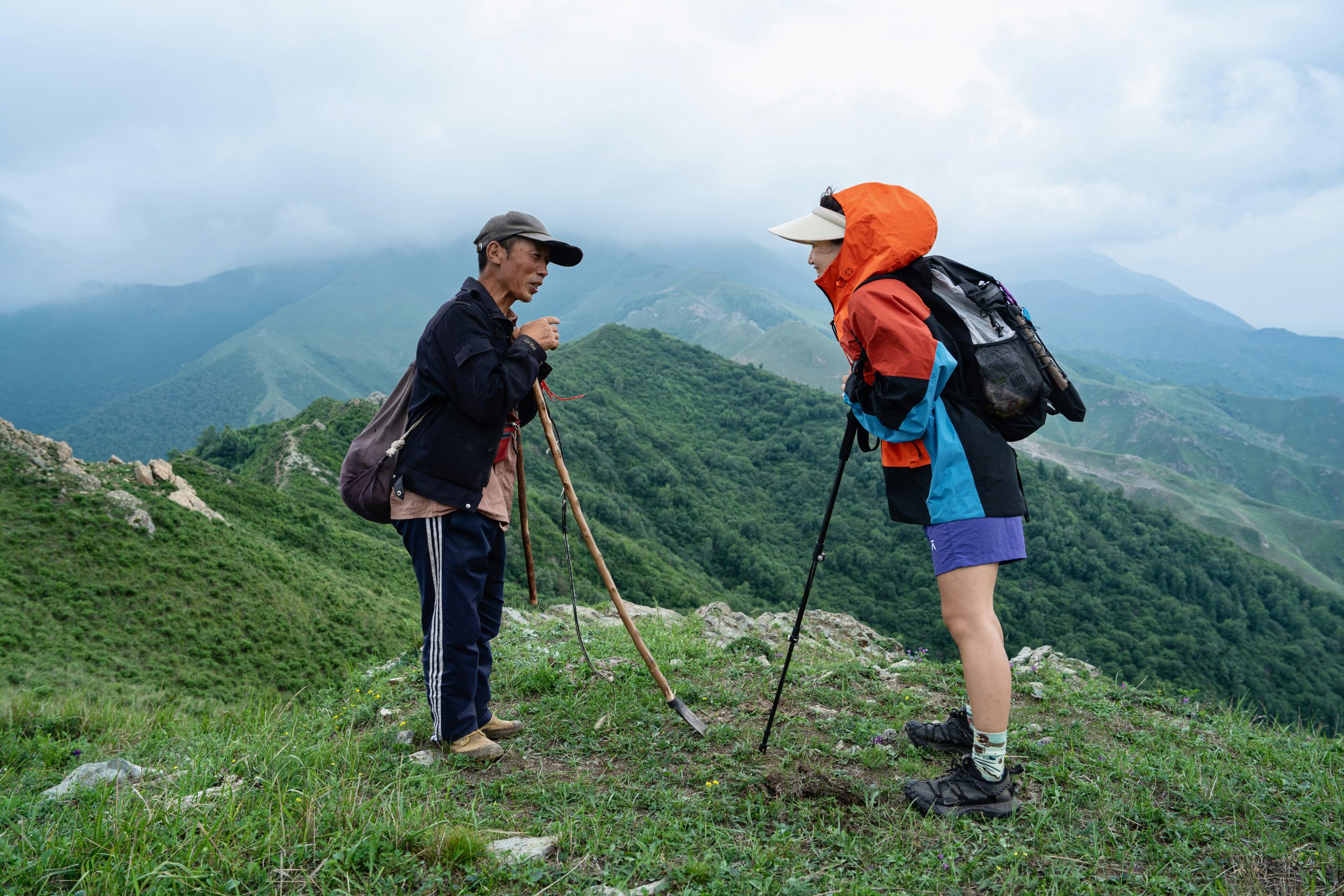
Trekking poles serve multiple essential functions for outdoor enthusiasts. They engage arm muscles during uphill climbs and reduce knee pressure on descents. These poles also assist with balance when crossing streams.
High-quality gear by FiTiFT
FiTiFT specializes in premium outdoor sports equipment designed for diverse adventure needs. Their product line includes essential camping and hiking accessories.
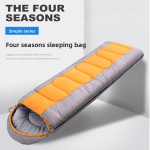
The company offers reliable sleeping bags for all seasons, available in Orange Gray and Blue Gray options. Each sleeping bag weighs 2.2kg, providing warmth across varying weather conditions.
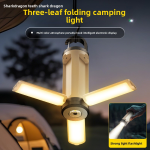
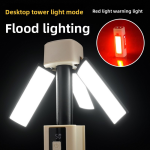
FiTiFT’s lighting solutions include multifunctional flashlights with USB charging capabilities. Their flagship 3K Carbon Fiber Trekking Poles represent advanced engineering for serious hikers.
Additional camp gear features a stainless steel wood stove designed for minimal environmental impact. This type of equipment supports sustainable backcountry cooking practices.
Purpose of comparing trekking poles
Understanding gear differences helps hikers make informed purchasing decisions. The comparison process evaluates which investment level suits specific use cases.
This analysis educates outdoor enthusiasts about tangible performance variations. It enables alignment between equipment choices and individual hiking styles.
The right poles can significantly impact hiking performance over time. Smart gear selection ensures optimal support for various trail conditions.
Materials and Construction Comparison
The core distinction in walking support tools emerges from their structural composition. Manufacturing choices directly influence weight, durability, and overall trail performance.
Aluminum vs. Carbon Fiber
Most hiking poles utilize either aluminum or carbon fiber construction. Aluminum dominates budget-friendly options due to lower production costs.
Poles made from aluminum alloys typically weigh 20-25 ounces per pair. They offer reliable durability for recreational use.
Carbon fiber represents the premium alternative. This advanced material delivers exceptional strength-to-weight ratios.
Premium carbon fiber trekking poles can weigh under 10 ounces. The aluminum-carbon weight difference reaches 50-60%.
FiTiFT’s 3K Carbon Fiber Trekking Poles exemplify high-end construction. Their 3K carbon weave balances lightweight performance with structural integrity.
Design and Build Quality Differences
Construction quality extends beyond basic materials. Premium poles feature tighter tolerances and refined connection points.
Advanced manufacturing techniques include tapered shaft designs. These reinforce stress points for enhanced longevity.
Superior fiber poles provide better vibration dampening. They offer confidence-inspiring stability on challenging terrain.
While aluminum bends can often be straightened, damaged carbon fiber typically requires replacement. Each material suits different hiking scenarios and care requirements.
Performance and Durability Considerations
Long-distance hikers quickly discover how equipment specifications translate into real-world performance benefits. The physical characteristics of walking aids significantly impact trail endurance and hiking efficiency over extended periods.
Weight and compactness for travel
Weight considerations become critically important for ultralight enthusiasts. Every ounce carried affects energy expenditure during multi-day backpacking trips.
A typical pair of aluminum poles weighs around 25 ounces. Premium carbon fiber options can reduce this to just 10 ounces per pair. This 15-ounce difference represents nearly a pound of weight savings.
Ultralight backpackers recognize that reduced pole weight minimizes arm fatigue over hundreds of miles. When poles are stowed on your pack, lighter options maintain hiking efficiency.
Compactness also distinguishes premium models from budget alternatives. High-end folding designs collapse to 16-17 inches, while basic telescoping poles compress to 25-26 inches. This creates significant differences in packability for air travel and storage.
Durability testing reveals that well-made budget poles can last for years with proper care. Some aluminum models have survived a decade of regular use, demonstrating that higher price doesn’t always guarantee proportionally longer lifespan.
The relationship between weight and performance extends beyond mere ounces. Factors like swing weight and balance point affect how poles feel during extended use on challenging terrain.
Feature and Design Considerations
Beyond material composition, thoughtful design features elevate the performance of quality trekking equipment. These elements directly impact comfort, safety, and trail efficiency.
Smart engineering choices transform basic poles into reliable hiking partners. Each component serves specific functional purposes.
Handle Grip and Wrist Strap Benefits
Handle materials create noticeable differences in daily trail use. Cork and foam grips conform to hand shape during extended hikes.
They remain secure when wet from sweat or rain. Proper wrist strap technique engages arm muscles effectively.
“Correct pole adjustment protects knees on descents and improves uphill efficiency. This technique reduces joint stress significantly.”
| Handle Material | Comfort Level | Moisture Control | Durability |
|---|---|---|---|
| Plastic | Basic | Poor | High |
| Cork | Excellent | Good | Medium |
| Foam | Very Good | Excellent | Medium |
Adjustability and Folding Mechanisms
Adjustable poles offer versatility across changing terrain. Quick-release systems enable rapid length modifications.
Folding designs provide compact storage for travel. Proper length settings maximize balance and reduce knee pressure.
Warranty and After-Sales Support
Reliable manufacturers stand behind their products with comprehensive coverage. Quality brands offer replacement parts and customer service.
This support extends the functional lifespan of your equipment investment. Many people use poles for tent setup, requiring dependable performance.
What is the difference between cheap and expensive trekking poles?
Real-world hiking scenarios demonstrate the practical implications of trekking pole investment decisions. The choice between budget and premium options affects daily trail experiences in measurable ways.
Impact on hiking performance and knee support
Lighter carbon fiber poles significantly reduce arm fatigue during multi-day excursions. This weight advantage becomes crucial for backpackers covering substantial mileage.
Knee support functions effectively across all price categories when poles are used correctly. The biomechanical benefits of proper technique outweigh material differences for most recreational hikers.
User experiences and real-life applications
Field testing reveals that budget aluminum poles often deliver surprising durability. Many outdoor enthusiasts report decade-long service from inexpensive pairs.
Premium options like FiTiFT’s 3K Carbon Fiber Trekking Poles excel for specific user profiles. Frequent travelers and ultralight enthusiasts benefit most from advanced engineering.
The consensus suggests mid-range poles provide optimal value for typical hiking applications. Most people find Cascade Mountain Tech alternatives sufficient for weekend adventures.
Conclusion
Making the right investment in walking aids comes down to matching gear capabilities with personal hiking ambitions. Your selection should reflect actual trail requirements rather than hypothetical scenarios.
Budget aluminum poles provide reliable performance for most outdoor enthusiasts. They handle weekend adventures and day trips effectively. Premium carbon options justify their cost for dedicated long-distance hikers who benefit from weight savings.
Allocate your outdoor budget strategically. Quality boots and shelter often deliver greater comfort improvements than premium poles. FiTiFT offers professional-grade equipment, including their 3K Carbon Fiber Trekking Poles, for serious adventurers.
The best poles are those you’ll consistently use on the trail. Whether choosing budget-friendly or premium models, proper technique matters most for maximizing benefits during your hiking experiences.
FAQ
Are expensive trekking poles worth the extra cost?
Higher-priced poles often provide better value through superior materials like carbon fiber, which reduces weight. They also feature more durable construction, reliable locking mechanisms, and longer warranties from trusted brands like Black Diamond. For frequent hikers or those carrying a heavy pack, the investment can significantly improve comfort and longevity.
What is the main advantage of carbon fiber trekking poles over aluminum?
The primary benefit of carbon fiber poles is their reduced weight, which can save ounces and lessen fatigue on long hikes. They also effectively dampen trail vibration, transferring less shock to your arms and joints. However, high-quality aluminum poles from companies like Cascade Mountain Tech offer excellent strength and are generally more budget-friendly.
Can using trekking poles really help with knee pain?
Yes, properly using a pair of poles can dramatically reduce pressure on your knees, especially during descents. They improve balance and stability, distributing the workload to your arms and core. This support is crucial for backpacking with a heavy load or for hikers with existing joint concerns.
How important is the locking mechanism on a trekking pole?
The locking system is critical for safety and performance. Expensive models typically feature robust, easy-to-adjust flip locks that hold firmly under pressure. Cheap poles may have weaker twist locks that can slip over time, compromising your stability and potentially leading to injury on tricky terrain.
Do I need ultralight poles for a day hike?
For a short day hike, ultralight gear is less critical. A sturdy, affordable aluminum pole is often sufficient. The need for a lighter pack becomes more apparent on multi-day trips where every ounce adds up. Your choice should align with the type and duration of your typical adventures.
What should I look for in the grip and wrist strap?
Look for ergonomic handles made from moisture-wicking materials like cork or foam, which enhance comfort. A well-designed wrist strap should distribute weight across your hand without causing chafing. These features become essential for preventing blisters and maintaining control during extended use.