What is the point of trekking? This question resonates differently with every adventurer, nature lover, or even the curious novice. Trekking is often viewed as a mere physical activity, but it embodies so much more—spiritual awakening, mental clarity, cultural understanding, and personal growth. Through this comprehensive guide, we’ll explore the deep layers of what makes trekking an unparalleled experience and why it continues to captivate millions around the world.
The Impact of Trekking on Personal Well-being and Self-Discovery
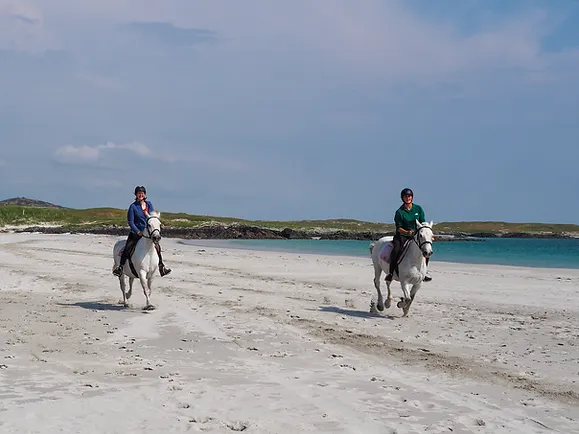
Embarking on a trek is more than just walking through scenic landscapes; it is a journey inward. For many, the physical act of trekking becomes a gateway to mental renewal and emotional strength. The question what is the point of trekking? often leads to introspection about how this activity fosters resilience, patience, and a broader perspective on life.
Trekking forces individuals out of their comfort zones, presenting challenges that test both mind and body. Conquering difficult terrains or harsh weather conditions instills a sense of accomplishment. Such experiences can lead to heightened self-confidence and a deeper understanding of one’s capabilities. In a world obsessed with instant gratification, trekking teaches patience and perseverance. Each step, whether uphill or through the rain, becomes a metaphor for life’s struggles, making personal growth an inevitable byproduct.
Beyond physical benefits, trekking actively nurtures mental well-being. The serenity of natural environments reduces stress hormones, enhances mood, and improves cognitive functions. It is akin to meditation in motion, where the focus shifts from everyday worries to the beauty surrounding you. The silence of mountains, forests, or deserts acts as a balm for anxious minds, offering clarity and a fresh outlook. Many who trek regularly report a sense of rebirth, claiming that the activity strips away superficial concerns, revealing what truly matters.
Additionally, trekking often brings self-discovery through solitude or shared experiences with fellow trekkers. Facing hardships together, sharing stories around campfires, or simply walking in silence fosters bonds and emotional intelligence. These personal transformations underscore the importance of understanding what is the point of trekking?—it’s a holistic journey that rejuvenates the mind, body, and spirit.
Sub-heading: How Trekking Enhances Resilience and Mental Toughness
Resilience is at the core of trekking’s appeal. Climbing steep trails or braving unpredictable weather conditions forces trekkers to adapt quickly and persist despite obstacles. These encounters cultivate mental toughness that extends beyond the trail into everyday life, helping individuals better handle stress and adversity.
Personal anecdotes highlight how trekkers have developed new perspectives on resilience through their journeys. For example, a trek through unforgiving mountain passes illustrates perseverance—one footstep at a time. Overcoming these physical challenges teaches patience, problem-solving, and a no-quit attitude that can enhance personal and professional aspects.
This process of enduring hardship on the trail promotes emotional stability. When faced with setbacks or fatigue, trekkers learn to regulate emotions, stay calm, and push forward—valuable skills applicable in various life contexts. The experience of completing a tough trek becomes a powerful metaphor for triumph over life’s difficulties, fostering resilience and confidence unmatched by other activities.
Furthermore, trekking’s unpredictability nudges individuals toward greater adaptability and openness. Flexibility in plans and acceptance of unforeseen delays teach humility and patience—traits essential in modern society. As such, understanding what is the point of trekking? involves recognizing its capacity to shape resilient, adaptable spirits ready to face life’s challenges.
How to Use This Insight: Personal Application and Reflection
Incorporating trekking into your life can be a transformative experience. Start by setting achievable goals—whether it’s a day hike or a multi-day expedition—and gradually increase difficulty. Prioritize safety, preparation, and awareness of your physical limits. Use each trek as an opportunity to reflect on personal strengths, weaknesses, and aspirations.
Reflecting on what is the point of trekking? encourages a holistic approach to the activity. Beyond the physical exertion, consider journaling your experiences, noting emotional shifts, or even engaging in mindfulness during walks. These practices amplify personal insights from the journey, making each trek a step towards greater self-awareness.
Listening to your body and mind during treks helps develop a deeper connection with yourself. Remember, the aim isn’t to conquer as many trails as possible but to derive meaning and growth from each experience. Sharing stories, joining trekking communities, or participating in conservation efforts can deepen this connection, making your journey more impactful and sustainable.
In summary, meaningful trekking lies in embracing its capacity to build resilience, promote self-awareness, and reconnect with oneself amidst nature’s serenity. This pursuit isn’t just about reaching a destination but about discovering your inner strength through the process.
Cultural Connection and Environmental Consciousness in Trekking Adventures
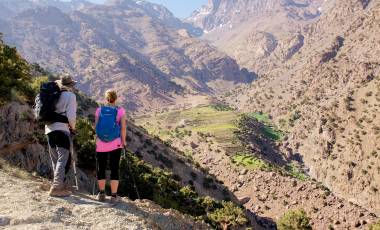
Trekking isn’t solely about physical challenges but also about immersing yourself in diverse cultures and nurturing environmental awareness. The activity opens doors to understanding the traditions, histories, and lifestyles of local communities living within natural landscapes. It raises questions about what is the point of trekking? from a cultural preservation perspective and environmental stewardship.
Sub-heading: Experiencing Cultural Diversity Through Trekking
One of the most enriching aspects of trekking is the opportunity to encounter different cultures. Whether trekking through the Himalayan villages, Amazon rainforests, or African highlands, travelers gain firsthand knowledge of unique customs, traditions, and lifestyles. These encounters foster empathy, respect, and global awareness—values vital in today’s interconnected world.
Trekking guides and local communities often serve as custodians of cultural heritage. Engaging with them provides insight into their history, spiritual practices, and survival strategies. For example, participating in traditional ceremonies or local cooking can deepen a trekker’s appreciation for cultural diversity and the importance of preserving intangible heritage.
Moreover, treks that involve cultural encounters promote sustainable tourism. Responsible trekkers become advocates for protecting the communities they visit. Supporting local businesses and respecting sacred sites help ensure that the cultural richness remains intact for future generations. Ultimately, understanding what is the point of trekking? includes recognizing its power as a bridge between cultures and a catalyst for cultural preservation.
Sub-heading: Promoting Environmental Conservation and Responsible Tourism
Trekking can significantly impact the environment—both positively and negatively. Recognizing this duality is essential for defining what is the point of trekking? responsibly. Eco-tourism aims to minimize ecological footprints while maximizing awareness of conservation issues.
Through trekking, individuals often witness the fragility of ecosystems—melting glaciers, deforestation, or endangered wildlife. These experiences ignite a sense of responsibility to protect nature. Many trekking organizations now emphasize Leave No Trace principles, ensuring trekkers contribute to ecological sustainability by minimizing waste, staying on designated trails, and respecting wildlife.
Environmental consciousness cultivated on treks can extend into everyday actions, such as advocating for conservation policies or participating in reforestation projects. Responsible trekking emphasizes education and advocacy, transforming the activity from mere recreation into a movement for positive change.
Furthermore, trekking companies adopting eco-friendly practices demonstrate how tourism can support local communities economically while safeguarding natural resources. Such models promote longevity in natural landscapes and cultural sites, which are essential to the very essence of trekking’s purpose.
In essence, the environmental aspect of trekking underscores what is the point of trekking?—to enjoy nature responsibly, educate oneself about ecological importance, and contribute to sustainable conservation efforts.
FAQs About the True Meaning and Benefits of Trekking

What is the primary purpose of trekking?
Trekking’s primary purpose is to challenge oneself physically and mentally while experiencing nature and culture firsthand. It fosters personal growth, resilience, and a deeper appreciation for the environment and diverse communities.
How does trekking benefit mental health?
Trekking reduces stress, improves mood, and enhances cognitive function by immersing individuals in serene natural environments. It provides a mental detox, clarity, and a sense of achievement that boosts overall well-being.
What are some sustainable practices for responsible trekking?
Practicing Leave No Trace, respecting local customs, supporting local economies, sticking to designated trails, and minimizing waste are key responsible trekking practices that help preserve the environment and cultural heritage.
Can trekking be done alone, and why is it beneficial?
Yes, solo trekking offers heightened self-awareness, independence, and personal reflection opportunities. It allows for deep introspection and a unique connection with nature without distractions.
Why is cultural exchange important in trekking expeditions?
Cultural exchange promotes understanding, empathy, and respect for diversity. It enriches the trekking experience, ensuring benefits extend beyond personal achievement to fostering global harmony.
Conclusion
In summary, what is the point of trekking? is a question rooted in exploring the physical, mental, cultural, and environmental dimensions of this timeless activity. Trekking challenges individuals to venture beyond comfort zones, nurturing resilience, self-awareness, and spiritual growth. It opens doors to meaningful cultural exchanges, deepens environmental consciousness, and fosters a profound connection with nature. Ultimately, trekking is a multifaceted journey that transforms the way we see ourselves and the world, reminding us that the adventure lies not just in reaching the destination but in embracing every step of the process.