Trekking is more than just walking through scenic trails; it’s an immersive experience that combines physical endurance, adventure, cultural exposure, and a deep connection with nature. Whether it’s navigating mountain routes, exploring remote villages, or traversing lush forests, trekking offers a unique way to challenge oneself and discover the world’s natural beauty. But what exactly is trekking, and how does it stand apart from other outdoor activities? Let’s dive into this comprehensive guide to understand the essence, significance, and practicalities of trekking.
Understanding Trekking – An In-Depth Exploration of This Ultimate Adventure Activity
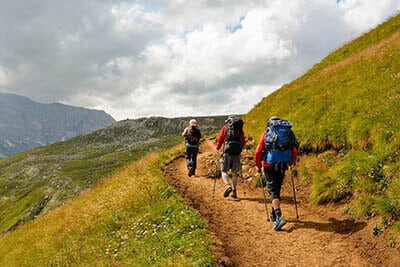
Before we delve into the specifics, it’s important to recognize that what is trekking encompasses a broad spectrum of outdoor pursuits. It’s often mistaken for hiking, but trekking generally involves longer journeys over varied terrains, sometimes lasting several days, and can include a combination of walking, camping, and cultural interactions. Trekking is about endurance, exploration, and immersing oneself into different environments, both physical and cultural.
Trekking activities attract adventurers, nature lovers, photographers, and even spiritual seekers. It is a form of active tourism that encourages sustainable travel, respecting local communities and ecosystems. Typically, trekking routes are designed to challenge individuals’ stamina while offering rewarding views, cultural encounters, and personal growth opportunities. The overall mindset behind trekking is one of adventure, discovery, and resilience.
Understanding this activity’s core principles helps aspiring trekkers prepare adequately, ensuring safety and maximizing the experience. Whether it’s the rugged Himalayas, the dense rainforests of South America, or the expansive deserts of Africa, knowing what is trekking helps enthusiasts channel their passion for outdoor exploration effectively and responsibly.
The Significance of Trekking in Adventure and Wellness

Engaging in trekking offers unparalleled benefits for physical health, mental wellbeing, and personal development. It’s a holistic activity that redefines outdoor adventure, emphasizing resilience, mindfulness, and cultural appreciation. Recognizing the importance of trekking can motivate more individuals to step out of their comfort zones and embrace this activity as a lifestyle choice.
Trekking exercises the entire body, building strength, stamina, and cardiovascular health. The varied terrains challenge different muscle groups, making it a comprehensive workout. Furthermore, trekking reduces stress, boosts mood, and enhances mental clarity by connecting with nature. Scientific studies support outdoor activities like trekking for reducing anxiety, depression, and improving overall mental wellbeing.
Beyond physical and mental health, trekking encourages cultural exchange and environmental stewardship. Trekking routes often pass through remote villages—providing opportunities to learn about local traditions, cuisines, and histories. This cultural immersion fosters respect, understanding, and appreciation for diversity while supporting local economies. Eco-conscious trekking promotes responsible tourism, emphasizing minimal environmental impact and conservation efforts.
Overall, understanding what is trekking reveals it as a multidimensional activity that nurtures the body, mind, and soul. It inspires individuals to venture outside their comfort zones, develop resilience, and foster a respect for our planet’s natural and cultural treasures.
Planning a Trekking Expedition – Preparation, Safety, and Practical Tips
Successfully embarking on a trek requires meticulous planning, physical preparation, and an understanding of safety protocols. Knowing what is trekking also involves learning how to plan effectively to ensure a memorable and safe adventure. From selecting routes to packing essentials, preparation is key to overcoming challenges you may encounter on the trail.
Firstly, choosing the right trek suited to your fitness level and experience is crucial. Some routes are beginner-friendly, featuring gentle terrains and shorter distances, while others involve high altitudes and complex navigation. Researching the route’s difficulty, weather conditions, and local regulations helps in planning adequately. Consulting experienced guides or trekking companies can provide valuable insights and logistical support.
Next, physical preparation should not be overlooked. Regular cardiovascular workouts, strength training, and endurance exercises help build stamina. Practicing on similar terrains or carrying a loaded backpack ensures your body adapts to the physical demands of trekking. It’s equally important to acclimatize to altitude if your trek involves high elevations, preventing altitude sickness.
Safety is paramount, and some essential tips include packing sufficient gear, food, and water supplies and carrying navigation tools like maps or GPS devices. Learning basic first aid and understanding local emergency procedures adds safety layers. Always inform someone about your itinerary and expected return date. Joining guided treks or hiring local guides enhances safety and enriches your cultural experience.
In conclusion, a well-planned trek amplifies the joy of exploration while minimizing risks. Knowing what is trekking in terms of preparation ensures that your adventure is rewarding, safe, and aligned with your personal capabilities.
How to Use and Benefit from Trekking – Practical Applications and Inspirational Insights
Understanding what is trekking enables enthusiasts to incorporate this activity into their lives meaningfully. It’s not just about conquering mountains or forests but about harnessing trekking for personal growth, environmental awareness, and even career paths such as ecotourism, outdoor education, or adventure guiding.
One practical way to use trekking is as a physical fitness regimen. Regular trekking sessions improve cardiovascular health, muscle tone, and overall stamina. For example, a daily or weekly trek in local parks, hills, or trails can serve as an accessible form of exercise. For those training for longer expeditions, systematic preparation involving gradual elevation gains and endurance-building activities enhances preparedness.
In addition, trekking can be a powerful tool for cultural exposure and social bonding. Participating in community-led treks in rural or indigenous regions fosters cross-cultural understanding and supports sustainable tourism initiatives. Educational institutions and corporate wellness programs increasingly incorporate trekking to promote team-building, leadership, and environmental stewardship.
Comparatively, trekking shares similarities with outdoor sports such as mountain climbing or trail running but offers a broader scope of exploration and inclusion. Unlike these activities, trekking emphasizes endurance over technical skills, making it accessible to a larger demographic. It’s a flexible activity—adaptable to personal interests, fitness levels, and environmental conditions.
For best practices, aspiring trekkers should always respect private land, local customs, and environmental safety. Leave no trace behind, dispose of waste properly, and support community projects. When used appropriately, trekking becomes a means to foster a lifelong love for nature, improve health, and cultivate resilience. It’s an activity that can be adapted for beginners and seasoned explorers, offering endless opportunities for discovery and self-improvement.
FAQs about Trekking – Your Common Questions Answered
What distinguishes trekking from hiking?
Trekking typically involves longer, more challenging routes that span multiple days or require considerable endurance, often crossing remote terrains and cultural regions, unlike day hikes which are shorter and less demanding.
Is trekking suitable for beginners?
Yes, beginners can start with short, easy treks to build stamina and experience. It’s essential to choose routes aligned with your fitness level and to prepare appropriately.
What gear is necessary for trekking?
Key gear includes sturdy footwear, weather-appropriate clothing, a backpack, navigation tools, first-aid kit, hydration systems, and basic camping supplies if necessary.
How does trekking benefit mental health?
Trekking fosters mindfulness, reduces stress, and promotes mental clarity through immersion in natural surroundings, providing an escape from daily routines and digital distractions.
Can trekking be environmentally sustainable?
Absolutely. Responsible trekking involves minimizing environmental impact, respecting local communities, and adhering to Leave No Trace principles to preserve natural beauty and biodiversity.
Conclusion
In essence, what is trekking is a multifaceted outdoor activity rooted in exploration, endurance, and cultural discovery. It offers physical benefits, mental rejuvenation, and opportunities for personal growth while fostering respect for nature and local traditions. With thoughtful planning, proper gear, and a respectful attitude, trekking can become a transformative experience. Whether you aim for a leisurely walk through lush forests, a challenging ascent of a mountain, or an immersive cultural journey through remote villages, trekking invites you to step outside your comfort zone and discover the boundless wonders of our planet. Embrace this adventure, and let the trails inspire you to grow, connect, and explore beyond limits.