Are you planning a 3-day hike and wondering what to pack for a 3 day hike to ensure a safe, comfortable, and enjoyable experience? Whether you’re a seasoned trekker or a weekend warrior, knowing exactly what gear, clothing, and supplies to bring can make all the difference. This comprehensive guide will walk you through the essentials, offer expert insights, and equip you with practical tips to prepare like a pro for your outdoor adventure. Read on to discover how to pack efficiently, stay safe, and enjoy every moment of your trek into nature.
Understanding the Fundamentals of Packing for a 3 Day Hike
Embarking on a multi-day hike requires careful planning and strategic packing. Since you’ll be away from civilization for several days, every item must serve a purpose, be lightweight, and contribute to your overall safety and comfort. This section delves into the core principles behind packing for such a trip, emphasizing preparedness, weight management, and adaptability.
Before you start listing items, it’s vital to consider your destination’s environment, weather patterns, terrain, and available facilities. These factors heavily influence what to pack for a 3 day hike—from clothing layers to navigation tools, every element must be tailored to your specific conditions. Think of your gear as an extension of your own resilience; it should empower rather than encumber.
When packing, adopt the “layering” approach. This philosophy involves bringing versatile clothing that can be added or removed based on temperature fluctuations. It maximizes comfort while minimizing weight. Additionally, focus on multi-use items to reduce bulk—like a bandana serving as a sun guard, towel, or makeshift washcloth. Light but durable gear ensures you’re prepared without overloading yourself, which can lead to fatigue and increased risk of injury.
Ultimately, successful packing marries foresight with practicality. Plan around your itinerary, anticipate emergencies, and always prepare for unexpected weather changes. What to pack for a 3 day hike involves balancing essentials and comfort—it’s about bringing just enough, not too much, for a memorable outdoor experience.
Clothing and Personal Gear for a 3-Day Trek
Clothing is arguably the most critical aspect of packing because it directly impacts your comfort, safety, and ability to adapt to changing conditions. Proper layers can keep you warm during chilly mornings, wick sweat during midday exertion, and dry quickly after accidental rain. Personal gear complements clothing, providing convenience, health benefits, and readiness for emergencies.
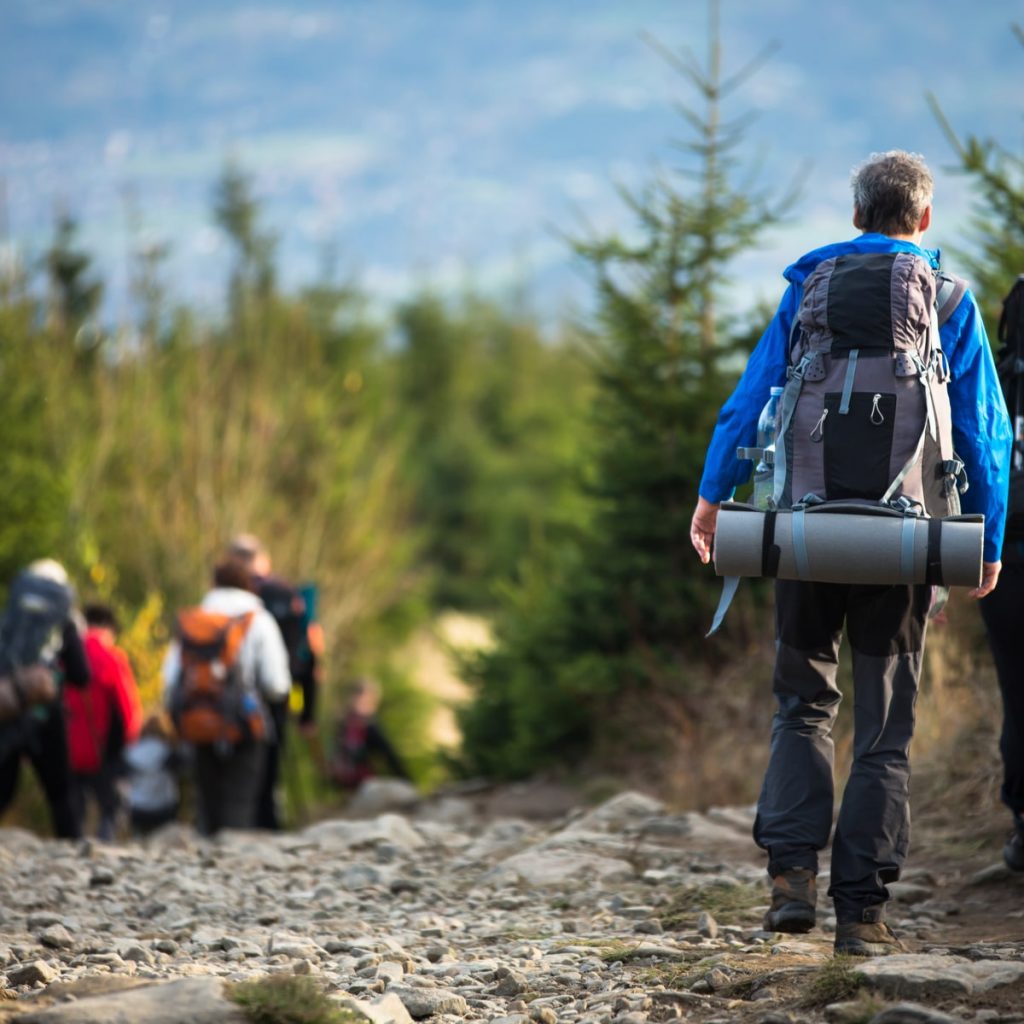
When selecting clothing, think in terms of layers: a moisture-wicking base layer, an insulating mid-layer, and a waterproof outer shell. The base layer manages sweat and dryness, which is crucial for avoiding chafing and hypothermia. The insulation layer traps heat—think fleece or down jackets—while the outer shell shields you from wind, rain, and snow. Always include extra socks to prevent blisters and keep your feet dry, which remain your most valuable asset on any hike.
For personal gear, essentials include a hat and sunglasses for sun protection, a lightweight buff or bandana to shield your neck or face, and sturdy, broken-in hiking boots or shoes suited to the terrain. Remember to pack insect repellent if you’ll be in areas with bugs, and carry a small personal first aid kit to treat minor injuries promptly. Personal hygiene items such as biodegradable soap, a toothbrush, and hand sanitizer are crucial for maintaining cleanliness, hygiene, and morale during your trek.
Incorporate clothing that can be quickly layered or shed, considering forecasted weather instead of over-packing for unlikely extremes. This adaptive approach allows you to stay comfortable through variable conditions without the burden of unnecessary weight. Overall, selecting the right clothing and personal gear is a deliberate act that ensures you’ll remain healthy and motivated throughout your 3-day adventure.
Food, Hydration, and Cooking Supplies for a 3-Day Hike

Nutrition and hydration are foundational to enduring a multi-day hike. Proper planning here ensures sustained energy, recovery, and mental alertness to navigate challenging trails. When considering what to pack for a 3 day hike, focus on lightweight, high-calorie, nutrient-dense foods that are easy to prepare and store, alongside reliable water sources and purification methods.
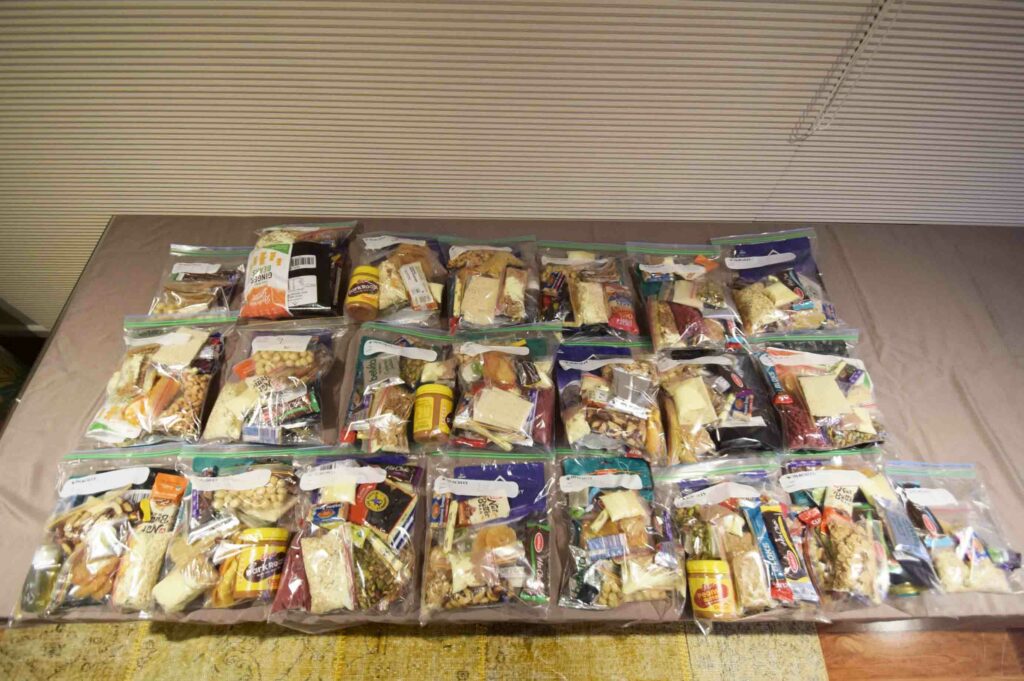
Start with breakfast options that provide energy for starting your day—think instant oatmeal, dehydrated eggs, or granola bars. For the main meals, compact dehydrated or freeze-dried meals, trail mix, energy bars, and lightweight snacks like jerky or trail-friendly fruit are excellent choices. These items are not only high in calories but also easy to pack and prepare in the wild. For dinner, consider pre-packed soups or pasta which can be easily rehydrated with hot water.
Hydration is equally critical: carry sufficient water, ideally 2-4 liters depending on your activity level and weather. Use collapsible water bottles or hydration bladders for space efficiency. Bring a reliable water purification system such as a portable filter or purification tablets to safely access water from streams or ponds along the trail. Never underestimate the importance of maintaining hydration; dehydration can impair physical and mental performance rapidly.
Cooking gear should be lightweight yet efficient. A small, backpacking stove paired with an ultralight pot, utensils, and a lighter or matches are central. Remember to carry biodegradable soap for cleaning dishes and hands, respecting environmental guidelines. Plan to cook simple meals, avoiding complicated recipes that drain fuel and time. Your food strategy for a 3-day hike should prioritize ease, energy density, and preservatives to keep everything fresh and safe.
Navigation, Safety, and Emergency Equipment
Safety is the paramount priority during any multi-day hike. Equipping yourself with reliable navigation tools, protective gear, and emergency supplies can make the difference between a delightful adventure and a dangerous predicament. When what to pack for a 3 day hike is considered, security items should be integrated seamlessly into your kit, ensuring accessibility without excess bulk.
A detailed map of the trail and a compass are fundamental navigation tools, especially in areas with poor cell reception. Even if you’re using GPS devices or smartphone apps, always carry backup paper maps and compass for redundancy. Familiarize yourself thoroughly with your route before setting off and establish waypoints to prevent getting lost or wandering off trail. Navigation skills are as critical as the gear itself—practice or review these before departure.
Emergency equipment should include a first aid kit tailored for outdoor injuries, a multi-tool or knife, an emergency whistle, a compact flashlight or headlamp with extra batteries, and a personal locator beacon if venturing into remote areas. Carry a fire-starting kit, such as waterproof matches or a ferro rod, to build signals or perform impromptu repairs. In addition, pack a small amount of emergency shelter like a bivvy or lightweight tarp to protect you if you get stranded or if weather unexpectedly deteriorates.
By thoughtfully integrating safety and navigation gear into your packing list, you ensure preparedness for unforeseen events. Knowledge, the right tools, and an unwavering focus on safety principles will empower you to navigate wilderness confidently and respond effectively in emergencies.
FAQs – Common Questions About Packing for a 3 Day Hike
Q1: How do I pack light but still be prepared for weather changes?
Opt for versatile clothing layers that can be added or removed quickly. Always check the forecast before your trip and include lightweight rain gear or waterproof jackets to stay dry and warm in unexpected weather. Prioritize multi-use items and avoid overpacking bulky gear.
Q2: What are the most important safety items to bring?
Critical safety gear includes navigation tools (map, compass), a first aid kit, a flashlight, emergency shelter, a whistle, and water purification supplies. Familiarize yourself with emergency procedures and carry a fully charged communication device if possible.
Q3: What foods are best for a 3-day backpacking trip?
High-calorie, lightweight, and easy-to-prepare foods are ideal. Freeze-dried meals, energy bars, trail mix, jerky, and dehydrated snacks provide sustenance without excess weight. Plan meals to be nutritious and simple to cook.
Q4: How should I organize my backpack for comfort?
Distribute weight evenly, placing heavier items close to your back and centered. Use compartments for different categories—clothing, cookware, food, safety gear—and keep essentials easily accessible. Adjust straps snugly to prevent shifting during movement.
Q5: Can I reuse gear from previous trips?
Absolutely. Examine gear for wear or damage before reuse. Use familiar equipment for reliability, and consider upgrading items like sleeping bags or tents if they no longer meet safety standards or personal comfort needs.
Conclusion
Properly packing for a 3-day hike involves strategic planning, weighing essentials against comfort and safety. From selecting the right clothing to organizing food supplies and safety gear, each element is critical to ensuring an enjoyable and secure outdoor experience. Remember, preparation is not just about packing light but packing smart—anticipating needs, adapting to conditions, and staying vigilant. With thoughtful planning and the right gear, you’ll be equipped to enjoy the wilderness confidently, making memories that last long after your boots are cleaned and your pack is unpacked.