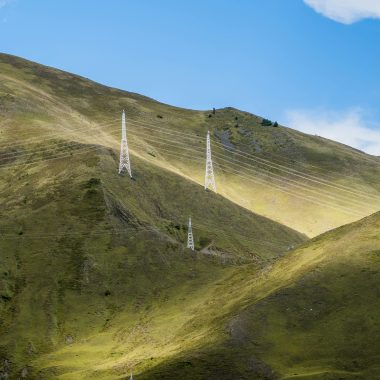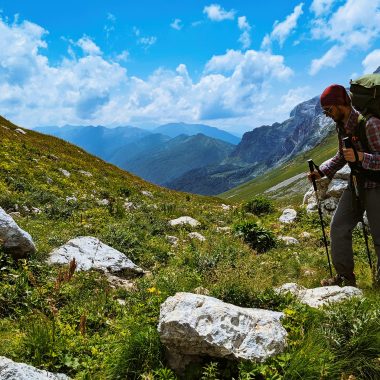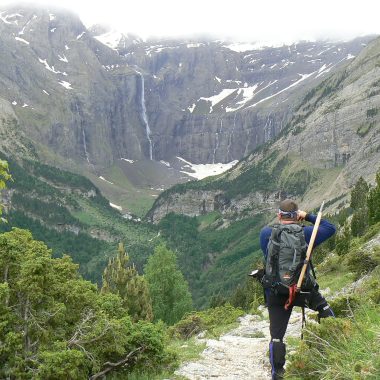
Nestled in the heart of North Carolina’s majestic mountains lies a natural wonder that captures the spirit of adventure and serenity—Shining Rock. This pristine outcrop, renowned for its radiant quartz formations and breathtaking vistas, has captivated hikers, geologists, and nature lovers alike. The allure of shining rock lies not just in its crystalline brilliance but also in the rich ecosystems, geological history, and conservation efforts that preserve its legacy. Exploring this wilderness offers an immersive experience into the beauty and mystery of nature’s craftsmanship, making it a must-visit destination for those seeking both adventure and tranquility.
Exploring Shining Rock Wilderness: A Hiker’s Paradise
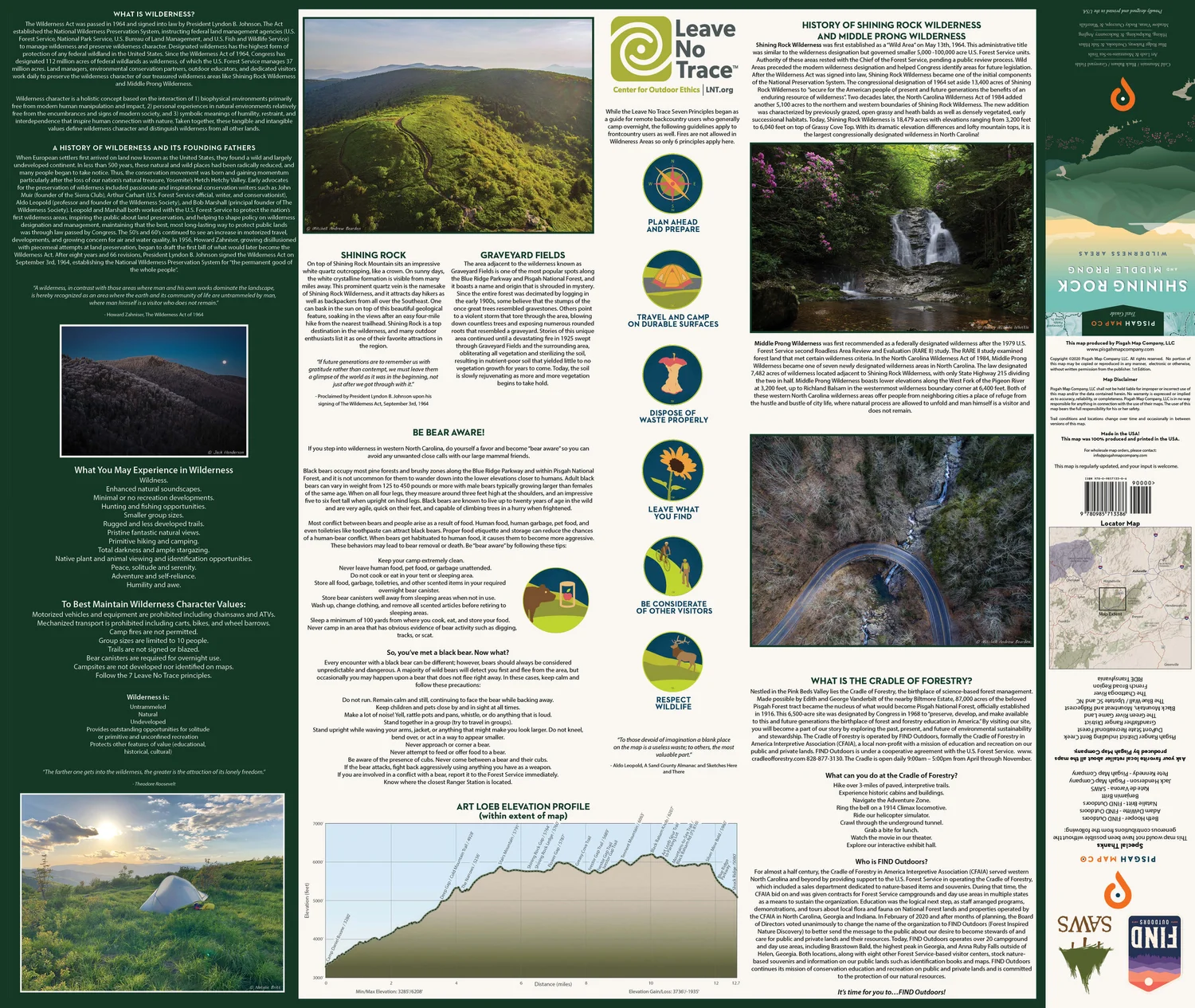
The Shining Rock Wilderness Area forms part of the Pisgah National Forest, stretching across rugged terrain with dense forests, cascading streams, and towering peaks. The area is an ideal destination for adventurous hikers eager to experience the untouched beauty of the Appalachian Mountains. As you navigate through its winding trails, you’re greeted by panoramic views, lush greenery, and the sparkling presence of shining rock formations that seem to glow under the sun.
Hiking here isn’t just a physical challenge but an exploration of nature’s artistic expressions. The wilderness remains largely unspoiled, allowing visitors to disconnect from the hustle of modern life and reconnect with the wilderness in its most authentic form. Whether you’re a seasoned trekker or a casual walker, the diverse trails—such as the popular Art Loeb Trail or Max Patch Loop—offer varying degrees of difficulty, engaging every level of outdoor enthusiast.
Trails that Lead to the Heart of Wilderness
The extensive trail network within Shining Rock Wilderness offers a variety of routes that cater to different experience levels. For the seasoned hiker, the Art Loeb Trail provides an immersive experience across high ridges and rocky outcrops, culminating in spectacular views of the Blue Ridge Mountains. This trail allows trekkers to witness shining rock formations up close, especially at the summit of Black Balsam Knob, where the quartz peaks sparkle vividly.
For those seeking a more scenic and less strenuous experience, the easily accessible Twin Falls and Looking Glass Rock trails offer picturesque waterfalls and lush forest scenery. These routes serve as perfect introductions to the area’s natural beauty, providing ample opportunities for photography and quiet reflection amidst the wilderness. Navigating these trails requires proper planning, sufficient supplies, and awareness of weather conditions, as the terrain can be challenging during inclement weather.
The Experience of Connecting with Nature
Venturing into the Shining Rock Wilderness is about more than just reaching the summit; it’s about immersing oneself in nature’s tranquility. The sounds of rustling leaves, bird calls, and rushing streams create an environment that promotes mindfulness and stress relief. Many hikers report that standing atop the shining rock formations and gazing over the sweeping valleys ignites a sense of awe and humility in the face of nature’s grandeur.
Engaging with the wilderness also includes respecting the delicate ecosystems that thrive here. Responsible hiking—sticking to trails, packing out trash, and leaving no trace—is essential to ensure the wilderness remains pristine for future generations. The experience becomes even more meaningful when hikers take time to observe the flora and fauna, realizing that their journey is intertwined with the health of the overall ecosystem.
The Geology and Formation of Shining Rock’s Crystalline Peaks

The luminous shining rock formations are not only visually striking but also scientifically fascinating. Their crystalline former emerged through a complex geological history involving volcanic activity, mineral deposits, and tectonic shifts. These processes have resulted in the quartz-rich peaks that shimmer intensely when sunlight hits their surfaces, earning the area its shimmering reputation.
Understanding the geology behind Shining Rock enhances appreciation for its natural beauty. This area is a living timeline of Earth’s dynamic forces, preserving clues about the ancient Earth and the processes that continue to shape our landscape. The intricate crystalline structures are testimonies to millions of years of geological transformation that can be studied and admired from multiple vantage points across the wilderness.
The Formation of Quartz Crystals and Their Radiance
The shining rock formations primarily consist of quartz, a mineral that forms when silica-rich solutions cool and crystallize over time. This process begins deep within the Earth’s crust, where high pressure and temperature facilitate mineral deposition. As the silica-rich fluids escape through fissures and cracks, they cool and crystallize, creating the glittering quartz outcrops we now see.
These crystals grow over millions of years, developing unique shapes and sizes that reflect the conditions during their formation. When exposed to sunlight, their clarity and reflective properties multiply, producing the sparkling appearance that makes the shining rock truly mesmerizing. This natural spectacle offers a tangible connection to the Earth’s geological history, inspiring scientists and laypeople alike.
Tectonic Movements and Geological Uplift
The geological story of Shining Rock involves not just mineral deposition but also significant tectonic movements. During the Appalachian orogeny—an event involving mountain-building forces—layers of rock were uplifted and folded, exposing these crystalline quartz deposits. Tectonic pressure caused fractures and faults, providing pathways for mineral-laden solutions to move and deposit crystals along these geologic features.
Moreover, the erosion processes over millions of years have carved out the peaks and ridges, revealing the quartz veins in dramatic display. The resilience of these formations, despite millions of years of weathering, signifies the strength of the minerals and the dynamic history of the region. These processes continue today, shaping the landscape and adding to the area’s geological allure.
Shining Rock’s Ecosystem: Flora and Fauna of Western North Carolina

The ecology surrounding shining rock is as diverse as it is beautiful, offering a lush habitat for countless plant and animal species. The region’s climate, elevation, and terrain foster a complex and thriving ecosystem that plays a vital role in maintaining regional biodiversity. Exploring this habitat reveals layers of interconnected life forms that depend on each other and their environment for survival.
The flora ranges from towering hardwoods and pines to delicate wildflowers, each contributing to the area’s vibrant tapestry. The fauna includes everything from elusive mammals and colorful birds to insects that pollinate and sustain the plant life. Understanding and appreciating this ecosystem enhances the experience of visiting Shining Rock, emphasizing the importance of conservation and responsible recreation.
Unique Plant Communities and Their Adaptations
The various elevations within the Shining Rock Wilderness create microclimates that support distinct plant communities. At lower elevations, mature hardwood forests dominate, filled with oaks, maples, and hickories, which provide habitat and food for numerous species. As the elevation increases, the vegetation transitions into evergreen forests and heath balds, hosting plants adapted to harsher conditions.
Wildflowers like rhododendrons, azaleas, and mountain laurels bloom seasonally, adding bursts of color to the landscape. These plants have adapted to cope with the region’s acidic soils, varying moisture levels, and temperature fluctuations. For botanists and nature lovers, observing these adaptations adds an extra layer of fascination to the wilderness experience, highlighting nature’s resilience and ingenuity.
Wildlife Encounters and Conservation Significance
The diverse habitats of shining rock support a wide range of wildlife, including black bears, white-tailed deer, bobcats, and numerous bird species. Birdwatchers can delight in sightings of hawks, owls, and migratory songbirds that thrive in this protected environment. Amphibians and reptiles—such as salamanders and snakes—also contribute to the ecosystem’s balance.
Conservation efforts focus on protecting these species from habitat loss, invasive species, and human impact. That makes responsible hiking and camping essential, as preserving the wilderness ensures the continued existence of these native animals and plants. Efforts like habitat restoration and environmental education are vital in maintaining the ecological health of Shining Rock for future generations to appreciate and study.
Navigating Shining Rock: Essential Tips for Safe Backpacking
Venturing into the Shining Rock Wilderness requires preparedness, respect for nature, and a keen awareness of safety considerations. Its rugged terrain and unpredictable weather can present challenges that demand careful planning. Proper equipment, trail knowledge, and emergency preparedness are crucial to ensuring an enjoyable and safe adventure in this pristine environment.
While the wilderness offers an enchanting escape, it’s easy to become disoriented or encounter difficulties without the right preparation. Whether you’re hiking solo or in a group, understanding the area, planning ahead, and respecting the natural terrain are fundamental steps in making your exploration memorable and safe.
Planning Your Route and Monitoring Conditions
Before embarking on your trek, research the trail systems thoroughly, understanding the difficulty levels, distance, and points of interest. The Art Loeb Trail and other paths leading to views of shining rock require physical endurance and navigation skills, especially in remote sections.
Weather in the mountains can change rapidly, bringing rain, fog, or storms. Always check forecasts before departure and carry essential gear like waterproof clothing, maps, and a GPS device. Also, inform someone about your plans and estimated return time, ensuring you have a safety plan in case of emergencies.
Essential Gear and Leave No Trace Principles
Packing appropriately is key—bring sturdy hiking boots, layered clothing, sufficient water, snacks, and a first aid kit. Nighttime temperatures can drop unexpectedly, so prepare for varying conditions. Carrying a flashlight or headlamp and extra batteries ensures visibility in low-light situations.
Practicing Leave No Trace principles preserves the wilderness for others. Pack out all trash, avoid disturbing wildlife, stick to designated trails, and minimize campfire impacts. Respecting the environment allows future visitors to experience the same stunning vistas of shining rock and the untouched ecosystems that make this area unique.
The History and Legacy of Shining Rock Wilderness Area
The Shining Rock Wilderness has a long-standing history rooted in the Appalachian heritage and the evolving conservation movement. This protected area embodies the North Carolina mountain spirit—resilient, rugged, and deeply connected to its natural heritage. Recognizing the importance of preserving such landscapes has driven efforts to safeguard its wilderness status for generations to come.
The legacy of shining rock is intertwined with indigenous history, early settlers, and modern conservation initiatives. Each chapter in its history adds depth to the story of how humans and nature co-evolved in this breathtaking region, inspiring both outdoor enthusiasts and environmental advocates to protect its splendor.
Indigenous Roots and Early Explorations
Long before it became a designated wilderness area, the region around shining rock was inhabited and traversed by Native American tribes, who viewed the landscape as sacred and vital to their way of life. Their knowledge of the land and its resources contributed to early understanding and respectful interactions with these mountains.
European settlers and explorers later ventured into the area, documenting its natural features and resource potential. Over time, the recognition of the area’s intrinsic beauty and ecological importance fostered preservation efforts, ultimately leading to its designation as part of the National Wilderness System. These historical layers deepen the connection between culture and nature here.
The Role of Conservation and Future Challenges
The establishment of Shining Rock Wilderness reflects a broader societal shift toward conserving natural landscapes amid increasing development and environmental threats. Advocacy groups, government agencies, and local communities work together to maintain the area’s ecological integrity and scenic beauty.
Looking ahead, challenges such as climate change, invasive species, and increasing tourism pose risks to the wilderness. Adaptive management strategies, research, and continued public engagement are essential to address these issues. Emphasizing sustainable visitation and protecting its ever-changing landscape will ensure shining rock remains an inspiring beacon of natural wonder for future generations.
Conclusion
The shining rock of North Carolina stands as a testament to Earth’s geological grandeur, ecological diversity, and the enduring human dedication to conservation. From exploring its extensive trails that weave through towering peaks and lush forests to understanding the intricate formation of its crystalline peaks, visitors gain a profound appreciation for this natural marvel. Its ecosystems teem with diverse flora and fauna, each playing a crucial role in maintaining regional harmony. Navigating the wilderness safely involves careful planning, responsible recreation, and respect for the environment, ensuring the area remains pristine for future explorers. The history embedded in the landscape reflects a legacy of indigenous reverence, exploration, and conservation efforts, emphasizing the importance of protecting such treasures. Ultimately, Shining Rock offers more than scenic vistas—it provides an inspiring connection to nature’s resilience, beauty, and the collective responsibility to preserve its wonder for generations to come.