Modern outdoor enthusiasts understand that quality gear makes all the difference on challenging terrain. For serious hikers, backpackers, and mountain athletes, proper equipment transforms difficult trails into manageable adventures.
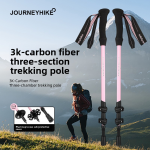
FiTiFT delivers high-performance outdoor sports gear designed to meet diverse wilderness needs. Their premium 3K Carbon Fiber Trekking Poles represent a significant advancement in trail technology. These tools provide exceptional support across various outdoor activities.
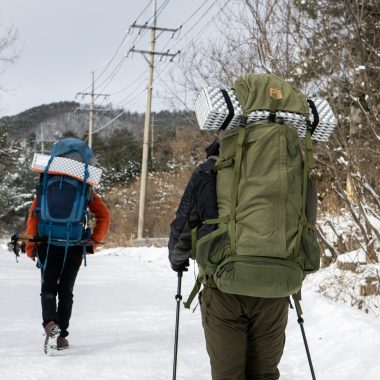
Experienced wilderness travelers rarely venture without their supportive gear after discovering the benefits. Using these accessories reduces strain on leg muscles, joints, and back while minimizing fatigue. They also decrease impact on feet and body, lessening chances of accidental falls regardless of pack weight.
This comprehensive guide explores everything from material selection to real-world performance testing. We examine critical decision factors including weight categories, construction materials, and design types. Our professional methodology ensures trustworthy, thoroughly vetted recommendations for your next expedition.
Key Takeaways
- Quality trail gear significantly enhances safety and comfort during outdoor activities
- Proper equipment reduces physical strain on joints, muscles, and back
- Supportive tools minimize fatigue and decrease risk of accidental falls
- Material construction and design features impact overall performance
- Professional testing ensures reliable recommendations for various terrains
- Versatile equipment benefits all activity levels from day hikes to heavy backpacking
- Choosing the right gear transforms challenging trails into enjoyable adventures
Introducing FiTiFT’s High-Quality Outdoor Sports Gear
The FiTiFT brand philosophy centers on creating innovative outdoor tools that withstand demanding conditions. Their approach combines advanced materials with thoughtful ergonomic design. Every product undergoes rigorous testing to ensure reliable performance when it matters most.
FiTiFT believes premium support gear should be accessible to all experience levels. Their equipment adapts to various wilderness activities, from casual day hikes to extended backpacking trips. The brand understands that different terrains require specialized solutions.
Manufacturing excellence remains a core commitment for FiTiFT. Each product meets strict standards for durability and user safety. Attention to detail ensures consistent quality across their entire lineup of outdoor gear.
The company maintains a customer-focused approach with transparent product information. Comprehensive specifications help users make informed decisions about their equipment needs. FiTiFT provides valuable support resources for outdoor enthusiasts seeking reliable trekking poles.
Overview of Adjustable Carbon Trekking Poles
Advanced trail accessories represent a technological leap in outdoor equipment design. These support tools feature carbon fiber construction that provides exceptional strength while minimizing weight. Their extendable nature allows customization for various user heights and terrain demands.
Two primary designs dominate the market: collapsible and folding models. Collapsible versions typically offer three sections with extensive length range. Folding alternatives prioritize compact storage with multiple interconnected segments.
The flexibility of these tools delivers significant hiking advantages. Users can shorten them for uphill climbs and extend for downhill sections. This adaptability makes them ideal for groups with different height requirements.
Carbon fiber material offers superior vibration absorption compared to aluminum alternatives. This reduces impact stress on hands and wrists during prolonged use. The exceptional strength-to-weight ratio ensures durability without added bulk.
Quality models typically adjust between 105-135 centimeters. This range accommodates users from approximately 5 feet to over 6 feet tall. Secure locking mechanisms maintain selected lengths during vigorous activity.
Backpackers particularly benefit from this versatility. Many ultralight tents require specific pole lengths between 125-135 centimeters for proper pitching. The right equipment transforms challenging trails into manageable adventures.
Key Features and Build Quality
Exceptional build quality in trail support gear manifests through carefully engineered features and durable materials. The foundation begins with advanced 3K carbon fiber construction featuring a specialized 2×2 weave pattern. This weaving technique distributes force evenly across the shaft, enhancing structural integrity.
Grip composition significantly impacts user comfort during extended outdoor activities. Manufacturers typically offer cork or EVA foam options, each with distinct advantages. The table below compares these primary grip materials:
| Feature | Cork Grips | EVA Foam Grips |
|---|---|---|
| Moisture Management | Natural wicking properties | Excellent sweat absorption |
| Temperature Regulation | Stays cool in heat | Provides insulation in cold |
| Long-Term Comfort | Molds to hand shape | Consistent cushioning |
| Durability | Improves with use | Maintains shape well |
Wrist strap design plays a crucial role in proper technique and fatigue reduction. Quality straps allow users to push downward through the strap rather than gripping tightly. This approach minimizes hand strain during long-distance excursions.
Interchangeable tip systems adapt equipment to various terrain conditions. Carbide tips provide superior traction on rocky trails, while rubber tips work well on paved surfaces. Specialized baskets handle snow, sand, and mud environments effectively.
Locking mechanisms ensure reliable performance under load. Both twist-lock and lever-lock systems prevent slippage when properly engineered. Premium manufacturing ensures seamless joints and reinforced connection points throughout the equipment’s structure.
In-Depth Look at 3K Carbon Fiber Trekking Poles (2-pack)
FiTiFT’s two-unit offering showcases how advanced manufacturing techniques create versatile trail companions for diverse activities. The 3K carbon fiber material represents a significant upgrade from traditional aluminum options.
This specific construction uses 3,000 individual filaments per strand woven in a precise 2×2 pattern. The weaving technique enhances structural integrity while maintaining impressive lightweight properties.
| Material Type | Average Weight | Strength Rating | Fatigue Reduction |
|---|---|---|---|
| 3K Carbon Fiber | Approx. 16 oz per pair | Exceptional | 30% less arm strain |
| Standard Aluminum | Approx. 23 oz per pair | Good | Baseline comparison |
| Premium Aluminum | Approx. 20 oz per pair | Very Good | 15% improvement |
Purchasing these fiber poles as a matched set provides balanced performance and cost-effectiveness. The complete package includes interchangeable tips for various surfaces and specialized baskets for challenging conditions.
“The 3K weaving pattern distributes force evenly across the shaft, creating exceptional durability without adding unnecessary weight.”
These carbon fiber poles excel across multiple outdoor pursuits. From day hikes to extended backpacking trips, they deliver reliable support. The engineering maintains structural integrity despite the reduced mass.
This pair of trail tools adapts to different user heights and terrain demands effectively. Proper equipment selection transforms challenging adventures into manageable experiences. The right gear makes all the difference when facing wilderness challenges.
Performance and Durability on Rugged Terrain
When facing demanding landscapes, gear durability becomes paramount for safety. Extensive field testing across challenging environments reveals how quality equipment performs under pressure.
These support tools underwent evaluation in Wyoming’s Wind River Range and Idaho’s Sawtooth Mountains. They demonstrated exceptional resilience during off-trail backpacking trips and long day hikes with significant elevation gain.
| Terrain Challenge | Performance Metric | Durability Factor | Maintenance Need |
|---|---|---|---|
| Rocky Descents | Impact Resistance | High compression strength | Tip inspection every 50 miles |
| Stream Crossings | Lateral Stress Handling | 3K weave integrity | Joint drying after water exposure |
| Boulder Fields | Stability Maintenance | Shaft vibration damping | Lock mechanism cleaning |
| Tent Pitching | Compression Force | Reinforced connection points | Regular length adjustment checks |
Quality construction handles specific challenges effectively. The 3K weaving pattern distributes force evenly, preventing catastrophic failure.
“Proper equipment maintains stability regardless of pack weight, from ultralight day trips to 50-pound expedition loads.”
Long-term durability factors include UV resistance and temperature extreme tolerance. These features ensure reliable performance across diverse weather conditions during multi-day adventures.
Regular maintenance sustains performance on rugged terrain. Inspection routines and proper storage methods significantly extend equipment lifespan.
Compare Ultralight and Lightweight Pole Options
Equipment weight serves as the primary decision factor when selecting trail support tools. Understanding category distinctions helps match gear to specific activities and user preferences.
Material Comparison and Weight Considerations
Clear weight thresholds define equipment categories. Ultralight options weigh under 12 ounces per pair, while lightweight models range from 12-15.9 ounces.
Material choice directly impacts performance characteristics. Carbon fiber construction offers superior strength-to-weight ratios compared to aluminum alternatives. This affects durability, cost, and vibration damping capabilities.
Beyond scale weight, consider swing weight and balance point location. These factors influence perceived effort during extended use. Proper equipment selection transforms challenging adventures into manageable experiences.
Technology in Collapsible versus Folding Designs
Traditional telescoping poles feature three-section designs with extensive adjustment ranges. They typically pack to 60-67 centimeters while offering continuous length customization.
Folding alternatives use internal cord systems with three to five segments. These achieve remarkably compact collapsed lengths of 33-40 centimeters. The trade-off involves limited adjustment within sections.
Choose folding poles for activities where packability matters most. Select telescoping models when maximum adjustability and stability are priorities. Both designs serve distinct wilderness needs effectively.
Enhancing Safety and Stability on the Trail
Wilderness safety depends heavily on maintaining consistent stability across changing landscapes and obstacles. Supportive equipment provides crucial additional contact points with the ground, effectively creating a four-legged stability system. This approach transforms unpredictable terrain into manageable challenges.
Fall prevention begins with hazard detection before committing full body weight. Quality trekking poles test surface stability and provide recovery options when balance becomes compromised. They offer essential support during stream crossings by probing water depth and testing bottom conditions.
Steep descents benefit significantly from proper equipment use. Impact forces distribute more evenly, reducing knee strain by approximately 25%. The braking action prevents forward momentum from causing accidental slips. This technique proves invaluable during challenging backpacking trips.
Rhythm maintenance represents another key advantage. Consistent cadence improves efficiency and reduces fatigue over long distances. Proper technique includes correct strap use and coordinated movement patterns for maximum benefit.
Specific safety applications extend to testing snow bridges and probing hidden obstacles. The right equipment provides confidence across diverse trail conditions. Strategic use transforms potential hazards into controlled situations, enhancing overall wilderness experience.
Technology Behind Carbon Fiber Construction
Carbon fiber technology represents one of the most significant advancements in outdoor gear manufacturing processes. This sophisticated material combines thousands of microscopic filaments bonded with epoxy resin. The resulting composite delivers exceptional strength while maintaining impressive lightweight properties.
The “3K” designation indicates 3,000 individual carbon strands bundled together before weaving. This creates the distinctive textured pattern visible on quality equipment. Each strand contributes to the overall structural integrity of the finished product.
Weave patterns like the common 2×2 twill distribute stress both vertically and horizontally. This engineering approach enhances durability under varied loading conditions. The pattern prevents concentrated stress points that could compromise the equipment’s construction.
Manufacturing involves precise filament winding, tube formation, and resin curing processes. Quality control measures ensure consistent performance across production batches. Advanced techniques include pre-preg materials and strategic fiber orientation in high-stress areas.
Compared to aluminum, carbon fiber offers approximately 30% weight reduction. However, it behaves differently under extreme stress—tending to fracture rather than bend. This characteristic requires thoughtful engineering around connection points and impact zones.
The material’s natural vibration-dampening properties provide significant comfort advantages. Carbon fiber absorbs trail shock that would otherwise transmit through aluminum equipment. This reduces hand and wrist fatigue during extended outdoor use.
Understanding this technology helps users appreciate the engineering behind their gear. The sophisticated construction process justifies the performance benefits experienced on the trail.
Comfort and Ergonomic Design Considerations
Comfort becomes the deciding factor when outdoor gear must perform for hours without causing fatigue. Extended use reveals how subtle design elements impact overall wilderness experience. Proper ergonomic considerations transform adequate equipment into exceptional trail companions.
Ergonomic Grip Design
Quality grips feature extended surfaces with specialized contours that accommodate natural hand positioning. Many models offer both EVA foam and cork options, each providing distinct advantages for different conditions.
The best designs include subtle notches for index finger placement and palm support areas. These features reduce muscle strain during multi-hour sessions. Extended grip surfaces below the main handle allow quick position changes on steep terrain.
Wrist Strap Adjustability and Padding
Well-designed wrist straps distribute weight through the arm rather than requiring tight hand grip. This technique significantly reduces forearm fatigue during long-distance travel.
Premium straps combine padded neoprene with breathable mesh panels for comfort across temperature ranges. Quick-adjust systems allow customization without removing gloves. Secure attachment points prevent loosening during vigorous activity.
Proper strap use creates a efficient pushing motion that conserves energy. This approach maximizes the benefits of your support equipment throughout extended adventures.
Versatility for Hiking, Backpacking, and Adventure Sports
From gentle day hikes to demanding alpine ascents, versatile equipment transforms performance across the activity spectrum. Quality support tools serve multiple functions beyond basic trail use.
Different outdoor pursuits require specific features. This table shows how adaptable gear meets diverse needs:
| Activity Type | Primary Benefits | Key Requirements | Storage Needs |
|---|---|---|---|
| Day Hiking | Fatigue reduction, stability | Quick adjustment, comfort | Standard pack attachment |
| Multi-day Backpacking | Load distribution, joint protection | 125-135cm length for shelters | External pack mounting |
| Ultra-running | Steep section support | Lightweight, fast deployment | Vest pocket storage |
| Winter Sports | Balance in snow | Extended baskets, cold grip | Ski pack compatibility |
Backpacking adventures benefit significantly from proper equipment. Carrying heavy loads becomes safer with improved balance and reduced joint impact. Multi-day trips demand reliable performance.
Adventure racing and travel situations favor compact designs. These fold small enough for luggage without exceeding size limits. The right tools enhance every outdoor experience.
This adaptability makes quality equipment essential for serious enthusiasts. Whether tackling mountain peaks or forest trails, versatile gear delivers consistent performance.
Expert Insights and Field Testing Methodologies
The credibility of gear recommendations stems from comprehensive field testing conducted by experienced wilderness professionals. Our evaluation process prioritizes real-world conditions over laboratory simulations.
Expert testers include internationally-certified mountain guides, park rangers with decade-long careers, and gear reviewers with 25+ years experience. These professionals test equipment during actual backpacking trips across diverse locations.
| Testing Category | Weight Percentage | Evaluation Focus |
|---|---|---|
| Comfort Assessment | 20% | Hand feel, strap comfort, vibration damping |
| Weight Performance | 20% | Swing weight, balance, perceived effort |
| Versatility Testing | 20% | Multiple terrain adaptation, activity types |
| Locking Mechanism | 15% | Security, ease of adjustment, reliability |
| Packed Size | 15% | Storage efficiency, transport convenience |
| Construction Quality | 10% | Durability, material integrity, craftsmanship |
“We test equipment where it matters most—on challenging trails with real loads and variable conditions. Laboratory data means little without field validation.”
Testing occurs in locations ranging from Wyoming’s Wind River Range to Grand Canyon’s technical routes. Protocols include multi-day backpacking trips with realistic loads and elevation changes exceeding 5,000 feet.
Long-term evaluation assesses durability over multiple seasons and hundreds of miles. This comprehensive approach ensures reliable recommendations for serious outdoor enthusiasts.
User Reviews and Real-World Experiences
Field reports from experienced adventurers offer the most reliable assessment of gear durability and functionality. These wilderness travelers have tested equipment on demanding routes like 74-mile Grand Canyon traverses and 96-mile Wind River High Route expeditions.
User feedback consistently highlights reduced joint pain and increased confidence on technical terrain. Many enthusiasts report maintaining activity levels despite aging or previous injuries. The compact storage proves valuable during challenging sections of any backpacking trip.
Specific features receive frequent praise in customer reviews. Reliable locking mechanisms that withstand heavy loads rank highest among user priorities. Comfortable grips for extended use and vibration reduction also earn positive mentions across multiple experience levels.
Professional guides observe that proper adjustment techniques make a significant difference in performance. They note that beginners often discover how quality gear transforms their hiking capability. Experienced mountaineers depend on reliable equipment for technical alpine approaches.
Long-term ownership reports confirm durability across thousands of miles. Maintenance requirements remain minimal for well-constructed gear. Most experienced users would repurchase the same model based on their positive trail experience.
Tips for Choosing the Right Trekking Pole
Finding the ideal hiking companions involves matching gear specifications to personal needs. The best trekking poles for your adventures depend on activity type, physical characteristics, and budget considerations.
Start by evaluating your primary use cases. Day hiking requires different features than multi-day backpacking or technical mountaineering. Each activity prioritizes distinct pole characteristics.
Weight categories provide a useful framework for selection. Consider these guidelines when choosing your equipment:
| Weight Category | Pair Weight | Ideal For | Durability Level |
|---|---|---|---|
| Ultralight | Under 12 oz | Fast-paced hiking, minimal loads | Good |
| Lightweight | 12-15.9 oz | General backpacking, varied terrain | Very Good |
| Sturdy | 16+ oz | Heavy loads, rough conditions | Excellent |
Proper length calculation ensures optimal performance. Your elbows should form 90-degree angles when gripping the handles. Most users need poles extending between 100-140 centimeters.
Design type affects packability and adjustment range. Folding models excel for travel and storage, while telescoping designs offer greater customization. Consider your storage needs and adjustment requirements.
Special applications like tent pitching demand specific minimum extensions, typically 125-135 centimeters. Winter use may require specialized baskets and broader length ranges.
Testing equipment before purchase helps confirm proper fit and feel. The right choice enhances safety and comfort across all your trekking adventures.
Adjustable Carbon Trekking Poles: Features That Make a Difference
The distinction between basic and exceptional wilderness gear frequently lies in thoughtful design details rather than obvious features. The Black Diamond Distance Carbon series exemplifies this principle with its innovative approach to trail support equipment.
These tools come in two distinct configurations. The Z version offers fixed-length options from 110-130cm, achieving remarkable 10-ounce weight. The FLZ model provides adjustable sizing with FlickLock levers for versatile use.
Both models share exceptional construction qualities. They feature 100% carbon fiber shafts with internal Kevlar cord systems. Extended EVA foam grips accommodate multiple hand positions during extended use.
The diamond distance carbon FLZ’s lever mechanism provides secure locking under heavy loads. This technology outperforms traditional twist-lock systems in reliability. The choice between models depends on weight priorities versus adjustment needs.
Proper size selection ensures optimal performance across various activities. The black diamond distance series delivers exceptional swing weight characteristics. Users report feeling greater efficiency with these lightweight tools.
Practical Maintenance and Care for Carbon Trekking Poles
Proper equipment maintenance represents the final component of wilderness preparedness. Regular attention ensures your gear performs reliably when you need it most. This care extends equipment lifespan significantly.
Develop a consistent inspection routine before and after each outing. Check carbon fiber shafts for stress cracks or unusual flex patterns. Verify locking mechanisms engage securely without slippage.
Cleaning procedures vary by component. Use a soft brush for locking mechanisms to remove dirt and debris. Wash grips and straps with mild soap, then air dry completely.
| Component | Pre-Trip Check | Post-Trip Care | Seasonal Maintenance |
|---|---|---|---|
| Shaft Integrity | Visual stress inspection | Clean and dry | UV protection check |
| Locking Mechanisms | Engagement test | Debris removal | Lubrication if needed |
| Tips and Baskets | Sharpness assessment | Mud removal | Replacement evaluation |
| Grips and Straps | Comfort check | Cleaning | Wear pattern analysis |
Storage conditions greatly impact long-term durability. Keep equipment in cool, dry locations away from direct sunlight. Avoid extreme temperature environments that could weaken materials.
Quality manufacturers offer replacement parts for economical repairs. Individual sections, tips, and baskets allow targeted fixes rather than complete replacement. This approach saves money and reduces waste.
Recognize when equipment requires retirement. Visible carbon cracks, unreliable locks, or deformation compromise safety. Proper care ensures your gear serves you well for years of adventure.
Conclusion
Serious outdoor enthusiasts now consider reliable poles among their most valuable investments. These tools deliver transformative benefits across all wilderness activities.
Top performers include the MSR DynaLock Ascent Carbon for overall excellence and the Gossamer Gear LT5 at just 10 ounces per pair for ultralight needs. The Black Diamond Distance Carbon FLZ offers versatile adjustability for varied terrain.
FiTiFT’s 3K Carbon Fiber Trekking Poles provide exceptional quality for diverse outdoor needs. Their two-pack option represents outstanding value for adventure seekers.
When selecting equipment, prioritize your primary use case and honestly assess requirements. Quality poles serve reliably for years, making them among the best hiking investments available.
Universal benefits include reduced joint stress, increased stability, and enhanced confidence. Whether using one pole or a pair, these tools improve safety and efficiency for all experience levels.
FAQ
Are these poles suitable for backpacking trips?
Absolutely. Their lightweight design and collapsible nature make them an excellent choice for long-distance journeys, helping to reduce fatigue without adding significant bulk to your pack.
How durable is the 3K carbon fiber construction?
The 3K weave offers an exceptional strength-to-weight ratio, providing reliable durability that stands up to rugged terrain while maintaining a low overall mass for easier handling.
What is the benefit of an ergonomic grip design?
Ergonomically shaped handles reduce hand strain and improve control during extended use. This design promotes a more natural grip, enhancing comfort and stability on varied trails.
Can I adjust the length for different activities?
Yes. These tools feature a quick-adjust system, allowing you to easily modify the size for uphill climbs, downhill descents, or flat terrain, optimizing support for any adventure sport.
How do I maintain and care for my gear?
Regular maintenance involves cleaning the shafts after use, checking locking mechanisms for debris, and ensuring wrist straps are dry before storage to preserve their performance and longevity.
What is the difference between collapsible and folding designs?
Collapsible, or telescoping, models adjust to various lengths and often provide more rigidity. Folding versions, like the Gossamer Gear LT5, pack down smaller but may have different feel under load.
Why are wrist straps important?
Properly adjusted straps transfer energy from your arms to the shaft, improving efficiency. Padded straps also increase comfort, preventing chafing during long days on the trail.