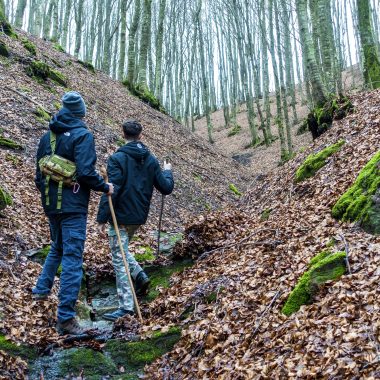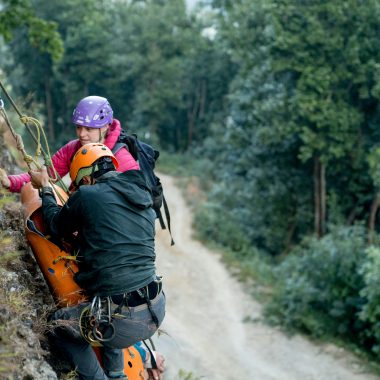
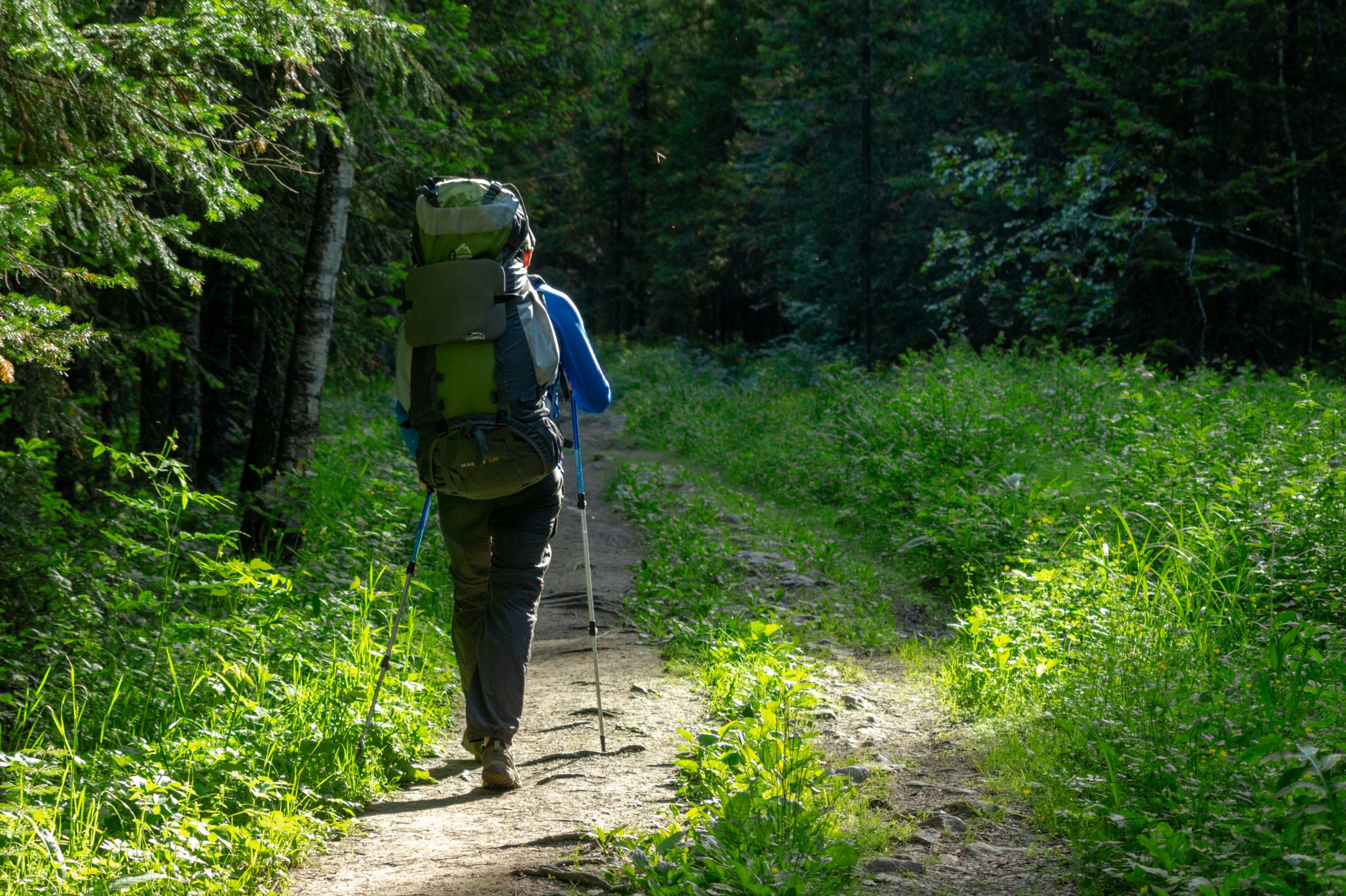
Many experienced outdoor enthusiasts discover that once they try using specialized support equipment, they rarely venture into the wilderness without it again. These tools significantly reduce physical strain and improve overall comfort during extended excursions.
The right equipment can transform your outdoor experience by minimizing fatigue and impact on your entire body. Quality gear provides stability on challenging terrain and helps maintain endurance throughout long-distance adventures.
When selecting support equipment, weight becomes a critical factor. Ultralight options weigh less than 12 ounces per pair, while more robust models may exceed one pound for demanding conditions. The material composition directly influences both durability and performance.
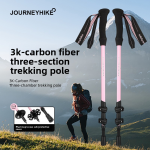
FiTiFT specializes in high-performance outdoor sports equipment designed to meet various adventure needs. Their 3K Carbon Fiber Trekking Poles exemplify the commitment to lightweight strength that serious hikers demand. This article explores why dedicated outdoor enthusiasts consistently choose premium support equipment.
Key Takeaways
- Specialized support equipment reduces physical strain and improves stability during outdoor activities
- Once experienced hikers try quality gear, they rarely go without it on future adventures
- Weight is a crucial factor when selecting outdoor equipment, with ultralight options under 12 ounces
- Material composition directly impacts both durability and performance in the field
- Premium construction offers simplified deployment and reliable structural integrity
- Proper equipment enhances endurance and reduces impact on joints during long excursions
- FiTiFT’s 3K Carbon Fiber model represents the high-performance standard for serious outdoor enthusiasts
Introduction to FiTiFT Outdoor Sports Gear and Trekking Poles
Navigating America’s vast trail networks requires equipment built to withstand diverse and challenging conditions. From the rocky climbs of the Appalachian Trail to the long stretches of the Pacific Crest Trail, your success and enjoyment hinge on reliable gear. Selecting the right tools is the first step toward a safe and rewarding adventure.
Overview of FiTiFT’s Commitment to Quality
FiTiFT focuses on creating high-quality outdoor sports gear for hikers, backpackers, and trail enthusiasts. Their philosophy centers on addressing real-world challenges faced during extended use. This includes rigorous attention to weight, durability, and ergonomic comfort.
The development process for their 3K Carbon Fiber model involved specific engineering for optimal performance. Material selection and design features were chosen to excel in hiking and backpacking applications. Every pair undergoes strict testing protocols to meet high performance benchmarks before reaching the customer.
Setting the Stage for Outdoor Adventures
Proper gear selection is an essential component of any complete hiking setup. Support equipment works alongside your pack, tent, and footwear to enhance your experience. FiTiFT’s products are designed to integrate seamlessly into your adventure preparation.
This commitment to quality establishes why certain support equipment choices stand out for serious enthusiasts. Performance and reliability become non-negotiable on demanding trails. The following sections will explore the distinct advantages of this specialized gear.
The Benefits of Using Fixed Length Carbon Trekking Poles
Scientific research demonstrates significant joint stress reduction when incorporating upper body engagement into hiking activities. This approach transforms traditional walking into an efficient full-body exercise system.
Enhanced Stability and Reduced Strain
Proper trail equipment creates four points of contact instead of two. Studies show this distribution reduces cumulative stress on lower body joints by up to 25%.
Steep descents, creek crossings, and loose terrain become more manageable. The equipment provides critical balance support where footing is uncertain.
“The transformation from two-point to four-point contact represents one of the most significant advancements in modern hiking biomechanics.”
Optimized Performance for Hiking and Backpacking
Uphill climbs gain propulsion through upper body engagement. This turns strenuous ascents into coordinated full-body movements.
Long-distance adventures benefit from rhythm maintenance. Consistent cadence helps conserve energy over multi-day trips.
| Scenario | With Support Equipment | Without Support Equipment |
|---|---|---|
| Steep Descent | 25% less knee impact | Full impact on joints |
| Uphill Climb | Upper body propulsion | Leg muscles only |
| Long Distance | Consistent rhythm | Variable pace |
Multi-day backpacking trips show the most dramatic benefits. Heavy loads become more manageable with proper weight distribution.
Key Features of 3K Carbon Fiber Trekking Poles
Advanced material engineering transforms how outdoor enthusiasts approach challenging trail environments. The 3K carbon fiber construction represents a significant advancement in hiking equipment technology.
Lightweight Construction and Durability
The 3K weave pattern creates an optimal balance between minimal mass and structural strength. This specific fiber arrangement allows premium models to achieve remarkable lightness.
High-quality equipment weighs approximately 9-10 ounces per pair. This reduction significantly decreases arm fatigue during extended excursions.
Carbon materials demonstrate impressive compressive strength for supporting body weight. However, they require careful handling to avoid lateral stress damage.
Performance in Varied Terrains
These tools excel across diverse environments from rocky paths to forest trails. The material’s natural vibration dampening reduces shock transmission to hands and arms.
Design features include reinforced joint areas and protective tip systems. These elements maximize the material’s advantages while ensuring reliability.
| Environment Type | Performance Advantage | Consideration |
|---|---|---|
| Rocky Trails | Excellent vibration absorption | Avoid lateral impacts |
| Muddy Paths | Lightweight for easy extraction | Regular tip cleaning needed |
| Alpine Routes | Temperature stability | Monitor for stress fractures |
| Desert Conditions | Corrosion resistance | Protect from extreme heat |
Design and Build: Carbon Fiber vs. Other Materials
Material selection represents one of the most critical decisions when choosing hiking support equipment. The choice between carbon fiber and aluminum construction involves distinct performance trade-offs that affect your entire outdoor experience.
Comparative Strength and Weight Considerations
Aluminum options typically weigh around 1 pound per pair, while carbon fiber alternatives average just 9-10 ounces. This 30-40% weight reduction becomes significant over thousands of steps during long hiking days.
The durability characteristics differ substantially between materials. Aluminum tends to bend under excessive lateral force, while carbon fiber may snap under similar stress but excels under normal vertical loading conditions.
| Material Property | Carbon Fiber | Aluminum | Best For |
|---|---|---|---|
| Weight per Pair | 9-10 ounces | 16-20 ounces | Ultralight enthusiasts |
| Lateral Stress Response | May fracture | Bends gradually | Off-trail scrambling |
| Price Range | $170-230 | $80-170 | Budget-conscious hikers |
| Maintenance Needs | Corrosion resistant | Joint lubrication required | All-weather use |
Carbon fiber construction offers superior corrosion resistance and requires minimal maintenance. Aluminum models need regular joint cleaning to prevent oxidation issues.
Your hiking style should guide material selection. Carbon fiber excels for fast-and-light approaches on maintained trails. Aluminum provides reassurance for rough backcountry use where lateral impacts are more likely.
User Experience with Fixed Length Carbon Trekking Poles
The human-hand interface with hiking equipment determines comfort across miles of trail. Thoughtful ergonomic design separates adequate gear from exceptional outdoor companions that enhance rather than hinder your adventure.
Comfort and Ergonomic Grip Analysis
Extended EVA foam grips provide consistent cushioning that maintains security in wet conditions. These foam surfaces offer reliable performance when moisture management matters most.
Cork alternatives naturally conform to hand shape over repeated use. This material excels at moisture absorption during strenuous climbs where sweat accumulation occurs.
Proper grip length enables multiple hand positions without strap adjustment. This flexibility proves valuable when transitioning between steep ascents and descents.
Well-designed wrist straps should support equipment weight without tight hand gripping. Adjustable, moisture-wicking straps prevent fatigue and maintain circulation.
New users benefit from simplified technique with consistent-length equipment. The learning curve focuses on letting straps bear weight while hands guide direction.
Real-world comfort factors include temperature regulation and quick release capability. These features matter when navigating obstacles or stopping for photography.
In-Depth Look at Performance and Durability
Rigorous field testing across America’s most demanding mountain ranges reveals critical insights into equipment performance under extreme conditions. Expert evaluations provide conclusive data about how quality gear withstands real-world challenges.
Field Testing Insights from Expert Hikers
Professional testers employ comprehensive methodologies to assess hiking support equipment. They evaluate stability, functional reliability, and weight perception across varied environments. Testing occurs in locations like Wyoming’s Wind River Range and Utah’s High Uintas.
Multi-day backpacking trips and demanding dayhikes expose equipment to maximum stress. Technical scrambles and ultra-trail runs test durability on rocky surfaces and uneven ground. Experts monitor how gear handles compression loading during steep descents.
Off-trail environments present unique challenges where reliability becomes critical. Equipment faces lateral stress from uneven terrain and environmental exposure. The absence of adjustment mechanisms in certain designs eliminates common failure points.
Seasoned hikers report thousands of miles of use with minimal maintenance requirements. Wear patterns on tips and baskets indicate long-term durability. These real-world observations help users understand performance boundaries for their specific hiking needs.
Fixed Length Carbon Trekking Poles and Trail Stability
Joint protection represents a critical benefit that transforms how hikers approach challenging descents and long-distance routes. The transition to four-point contact distributes weight more evenly across the body.
Impact on Knee, Ankle, and Hip Support
Biomechanical studies show how proper equipment reduces stress on lower body joints. Steep descents become significantly safer with up to 25% less impact on knees.
Ankle stability improves dramatically on uneven surfaces. Hip alignment maintains proper posture, preventing compensatory movements that lead to fatigue.
| Joint Area | Benefit with Support Equipment | Benefit Without Equipment |
|---|---|---|
| Knees | 25% less impact on descents | Full joint stress |
| Ankles | Enhanced stability on rocks | Higher sprain risk |
| Hips | Better alignment and posture | Compensatory fatigue |
User Testimonials on Trail Efficiency
Experienced hikers report measurable improvements in daily mileage capabilities. Recovery time between hiking days decreases substantially.
“After adopting these tools, my confidence on technical terrain improved dramatically. I can focus on the scenery rather than worrying about every step.”
Seasonal conditions like muddy trails or icy patches become more manageable. The learning curve for maximum benefit involves proper placement techniques and rhythm coordination.
Integrating Poles into Your Hiking and Backpacking Setup
Contemporary backpacking philosophy emphasizes multi-functional gear that reduces overall weight while maintaining performance standards. This approach transforms individual components into cohesive systems.
Modern shelter designs often rely on hiking aids for structural support. This integration creates significant weight savings while streamlining your entire adventure setup.
Compatibility with Trekking-Pole Supported Tents
Lightweight shelters have gained popularity among backpackers seeking efficient solutions. These designs eliminate dedicated tent poles, relying instead on compatible hiking aids.
Proper sizing is crucial for successful integration. Shelter specifications typically require support equipment measuring 115-135 centimeters. Matching these requirements ensures stable pitch and optimal performance.
Using consistent-length equipment offers distinct advantages during camp setup. The process becomes more straightforward without adjustment mechanisms. This consistency provides reliable tension and eliminates slippage concerns.
Pack integration strategies maintain accessibility while hiking. Side compression straps or specialized loops secure equipment externally. Proper placement prevents interference with balance or trail navigation.
Transport protection is essential for maintaining equipment integrity. Careful storage during travel prevents damage to delicate components. Thoughtful organization streamlines both hiking and camping workflows.
While most shelters work well with consistent-length options, some designs benefit from adjustable alternatives. Uneven terrain or specific shelter configurations may require flexibility.
Comparisons: Fixed Length versus Adjustable Trekking Poles
The debate between single-length and variable-length hiking aids represents a critical choice for outdoor enthusiasts. Each design philosophy offers distinct advantages tailored to different hiking styles and priorities.
Non-adjustable designs excel in mechanical reliability by eliminating complex locking mechanisms. These systems remove potential failure points that can compromise safety during demanding trail conditions.
Weight-conscious hikers appreciate the mass reduction achieved through simplified construction. Removing adjustment components typically saves 1-3 ounces per pair, a significant consideration for ultralight adventures.
Conversely, adaptable options provide valuable versatility for changing terrain and multiple users. The ability to modify height accommodates steep ascents, descents, and various shelter requirements.
Packability differs substantially between folding and telescoping designs. Compact folding models collapse to 13-16 inches, while traditional adjustable poles typically measure 24-26 inches when stored.
Your hiking habits should guide this important decision. Dedicated long-distance enthusiasts often prefer the reliability of consistent-length equipment. Recreational hikers facing varied conditions may value the flexibility of adjustable alternatives.
Some modern designs now offer limited adjustability through single-lever mechanisms. These hybrid options provide moderate versatility without substantial weight penalties.
Expert Reviews and Analysis of Trekking Pole Trends
Professional gear testers bring rigorous methodology to evaluating outdoor support tools across thousands of miles. These experts possess decades of combined experience testing equipment in diverse environments from alpine routes to desert trails.
Insights from Top Outdoor Gear Reviewers
Seasoned reviewers analyze dozens of models each year. Their comprehensive testing protocols assess durability, weight, and performance under real-world conditions.
Industry veterans like former magazine editors and long-distance hikers provide nuanced comparisons. They understand subtle differences between seemingly similar designs.
Market leaders like Black Diamond consistently receive high marks for innovation. Their commitment to quality sets industry standards that benefit all consumers.
Market Trends and Innovation in Pole Technologies
The outdoor gear market shows exciting developments in hiking support equipment. Manufacturers compete to create lighter, more packable designs without sacrificing strength.
Recent innovations include improved locking mechanisms that won’t slip under load. Folding models now feature internal systems for enhanced security.
Sustainability has become a significant focus area. Brands incorporate recycled materials and offer replacement parts to extend product lifespan.
Trail running’s growth influences design trends toward ultra-packable models. These specialized tools weigh under 10 ounces while maintaining reliability.
Practical Considerations for Choosing Your Trekking Poles
Selecting the right hiking support tools requires matching equipment specifications to your adventure goals. Your typical terrain, pack weight, and hiking style determine which features matter most.
Weight categories help narrow your options effectively. Ultralight models under 12 ounces suit fast-paced adventures, while sturdier options over one pound handle heavy loads better.
Proper sizing ensures optimal performance. For consistent-length equipment, your elbow should form a 90-degree angle when the tip touches ground. Most manufacturers offer 5cm increments from 105-130cm.
Grip material selection depends on climate and preference. Cork conforms to hands over time and manages moisture well. Foam provides consistent cushioning in wet or cold conditions.
| Hiking Style | Weight Recommendation | Grip Material | Price Range |
|---|---|---|---|
| Trail Running | Under 10 oz/pair | Foam | $90-140 |
| Day Hiking | 10-14 oz/pair | Cork or Foam | $75-160 |
| Backpacking | 12-16 oz/pair | Cork | $120-190 |
| Mountaineering | 16-20 oz/pair | Rubber | $150-230 |
Budget considerations range from $75 for basic aluminum models to $230 for premium constructions. Higher investment typically brings better durability and weight savings.
Evaluate build quality by examining shaft construction, locking mechanisms, and strap durability. These elements separate reliable equipment from potential trail failures.
Consider whether one versatile pair suits your needs or if specialized pairs justify additional investment. Trying equipment before purchasing helps assess comfort and fit.
Understanding Key Specifications for Outdoor Gear
Understanding equipment specifications helps hikers make informed purchasing decisions. These technical details translate directly to real-world performance on diverse trails.
Manufacturers provide comprehensive data covering multiple aspects of their products. Careful review ensures your gear matches your specific hiking needs and preferences.
Weight, Size, and Grip Materials Explained
Weight specifications are typically listed per pair and vary by product length. Most quality options range from 9-16 ounces for a complete set.
Size considerations include both extended length and collapsed dimensions. Standard lengths typically range from 105-135cm in 5cm increments.
Grip materials significantly impact comfort during extended use. EVA foam provides consistent cushioning and reliable performance in wet conditions. Cork naturally absorbs moisture and conforms to hand shape over time.
Shaft specifications affect durability and performance characteristics. Diameter and wall thickness determine strength-to-weight ratios. Seamless construction typically offers superior reliability.
Tip materials include carbide for maximum grip and rubber for noise reduction. Each option serves different trail conditions and personal preferences.
Strap design influences comfort and security during long hikes. Adjustable, moisture-wicking materials prevent fatigue and maintain proper circulation.
Maintenance Tips for Carbon Fiber Trekking Poles
Regular care routines ensure your hiking support tools remain reliable on every adventure. Consistent maintenance extends equipment lifespan while preventing unexpected trail failures.
Perform thorough inspections before and after each outing. Check tip security, examine shafts for cracks, and inspect baskets for wear. Test grip integrity and strap functionality regularly.
Carbide tips require particular attention after hard impacts. They can loosen with repeated use. Replace worn tips promptly and secure loose ones with appropriate adhesive.
Cleaning procedures vary by component. Remove dirt from grips, especially cork surfaces that harbor bacteria. Clean shaft sections and maintain basket flexibility across conditions.
Store equipment in cool, dry locations away from direct sunlight. Avoid compressing under heavy objects. Protective sleeves offer ideal long-term storage solutions.
Avoid lateral stress that can cause catastrophic failure. Handle carefully during transport and never use as tent stakes. This prevents structural damage to the carbon fiber material.
Field repairs address common issues like lost baskets. Temporary solutions work in backcountry situations. Major problems typically require professional attention.
Seasonal maintenance includes pre-season inspections and off-season storage. These practices keep your gear ready for immediate use when adventures call.
FiTiFT Product Roundup: Beyond Trekking Poles
Serious outdoor enthusiasts recognize that reliable gear forms an interconnected ecosystem rather than isolated pieces. FiTiFT’s commitment extends across a comprehensive range of adventure equipment designed for cohesive performance.
Other High-Quality Outdoor Gear Offerings
The brand maintains consistent quality standards throughout their product catalog. Each item reflects the same attention to detail found in their specialized hiking aids.
Complementary products include technical backpacks with integrated attachment systems. Hydration solutions and trail accessories complete well-rounded adventure setups.
This integrated approach simplifies purchasing decisions for outdoor enthusiasts. Components work together seamlessly across different activity levels and adventure types.
FiTiFT’s rigorous testing protocols ensure reliability across all equipment categories. The brand supports diverse outdoor needs from casual day trips to extended wilderness expeditions.
Investing in a coordinated system delivers consistent performance expectations. This philosophy makes premium outdoor equipment accessible to serious adventurers.
Choosing the Right Fixed Length Carbon Trekking Poles
For dedicated hikers who have perfected their technique, the choice between equipment types becomes clear through experience. The advantages of consistent-length carbon models stand out for those prioritizing performance and reliability.
Why Fixed Length Carbon Trekking Poles Stand Out
These specialized tools eliminate adjustment mechanisms that add weight and create potential failure points. This streamlined design offers superior weight-to-strength ratio and quick deployment.
Ideal users include experienced hikers who know their preferred specifications. Long-distance backpackers counting every ounce and trail runners needing packable options benefit most from this design.
FiTiFT’s 3K Carbon Fiber Trekking Poles represent quality construction in this category. Available at fitift.com, they deliver the performance characteristics serious adventurers require.
Consider your typical terrain and hiking style before investing. These models excel for users who prioritize mechanical simplicity and reliability above versatility.
The long-term value proposition includes durability expectations and minimal maintenance. Quality construction often outperforms cheaper alternatives that may fail during demanding excursions.
Outdoor Adventure Tips for United States Hikers
Proper preparation transforms challenging trails into rewarding experiences across America’s diverse landscapes. Researching your route, checking weather conditions, and understanding permit requirements form the foundation of safe adventures.
Trail Preparation and Safety Recommendations
Always inform someone of your hiking plans and expected return time. Carry essential safety equipment including navigation tools, first aid supplies, and appropriate support gear.
Mastering proper technique maximizes benefits while preventing injury. Use wrist straps to support weight rather than gripping tightly. Plant your equipment ahead of each step during climbs and descents.
Adjust your rhythm based on terrain difficulty. On steep sections, place your aids slightly forward for better stability. Maintain a natural walking cadence on flat sections.
| Trail Condition | Recommended Technique | Safety Consideration |
|---|---|---|
| Steep Descents | Plant ahead, lean slightly back | Watch for loose rocks |
| Rocky Terrain | Short, quick placements | Maintain three points of contact |
| River Crossings | Test depth with equipment first | Unbuckle pack straps |
| Icy Patches | Use carbide tips for grip | Shorten stride length |
Seasonal conditions require different approaches. In summer heat, focus on hydration and sun protection. During shoulder seasons, prepare for sudden weather changes.
Follow Leave No Trace principles by using rubber tips when appropriate. Avoid damaging vegetation and be mindful of other trail users. Store your gear securely when scrambling requires handholds.
Build fitness gradually as you adapt to using support equipment. Initial upper body soreness is normal. Consider joining local hiking groups to learn advanced techniques.
Conclusion
Quality outdoor gear represents more than just equipment—it’s an investment in safer, more enjoyable wilderness experiences. The right support tools transform challenging trails into rewarding adventures.
Fixed length carbon trekking poles deliver exceptional performance through their lightweight construction and reliable design. They reduce fatigue, prevent injury, and increase daily mileage capabilities. Careful selection based on weight, terrain, and intended use ensures optimal results.
FiTiFT’s commitment to excellence shines through their 3K Carbon Fiber Trekking Poles. These premium tools exemplify the durability and performance serious hikers demand. Visit fitift.com to explore this exceptional 2-pack option.
Your choice of support equipment empowers you to explore more challenging routes with confidence. Invest in quality gear that enhances every step of your journey.
FAQ
What are the main advantages of a fixed-length design over telescoping or folding poles?
Fixed-length models offer superior strength and reliability by eliminating moving parts. This design is lighter and provides a more consistent, vibration-free feel on the trail, which is ideal for ultralight backpacking and fast-paced hiking where simplicity and dependability are key.
How do I choose the correct size for my needs?
The proper size is determined by your height and intended use. A general rule is that when holding the grip, your elbow should form a 90-degree angle. Many brands, like Black Diamond, offer specific sizing charts for men and women to ensure an optimal fit for comfort and efficiency.
Are carbon fiber poles durable enough for rough terrain?
A> Yes, high-quality 3K carbon fiber construction offers an excellent balance of low weight and impressive durability. While they can be more susceptible to sharp impacts than some aluminum options, modern composites are incredibly robust and handle a wide range of trail conditions effectively.
Can I use these poles with a trekking-pole-supported tent?
A> Absolutely. Their robust build makes them perfect for supporting ultralight shelters. It’s a great way to reduce your overall pack weight by eliminating the need for separate tent poles, a popular strategy among experienced backpackers.
What type of grip material is best for long-distance hiking?
A> For extended use, cork grips are often preferred. They mold to your hand over time, provide excellent moisture-wicking properties, and remain comfortable in both hot and cold weather. Foam is another popular choice for its softness and sweat absorption.
How should I maintain and care for my carbon fiber gear?
A> Regular maintenance is simple. Wipe them down after each use to remove dirt and moisture. Periodically check the tips for wear and replace them as needed. Avoid storing them in extreme temperatures and inspect the shafts for any signs of damage before a big trip.