Choosing the right pole material can significantly impact your outdoor activities, from hiking and trekking to professional applications like surveying and sporting events. When it comes to poles, the debate often revolves around whether carbon fiber or aluminum offers better performance, durability, and value. Exploring the nuances between these materials helps outdoor enthusiasts and professionals make informed decisions aligned with their needs and expectations. So, are carbon or aluminum poles better? Let’s delve into the attributes, advantages, and disadvantages of each to provide a comprehensive understanding.
The Fundamentals of Carbon and Aluminum Poles — Understanding Core Materials for Outdoor Equipment
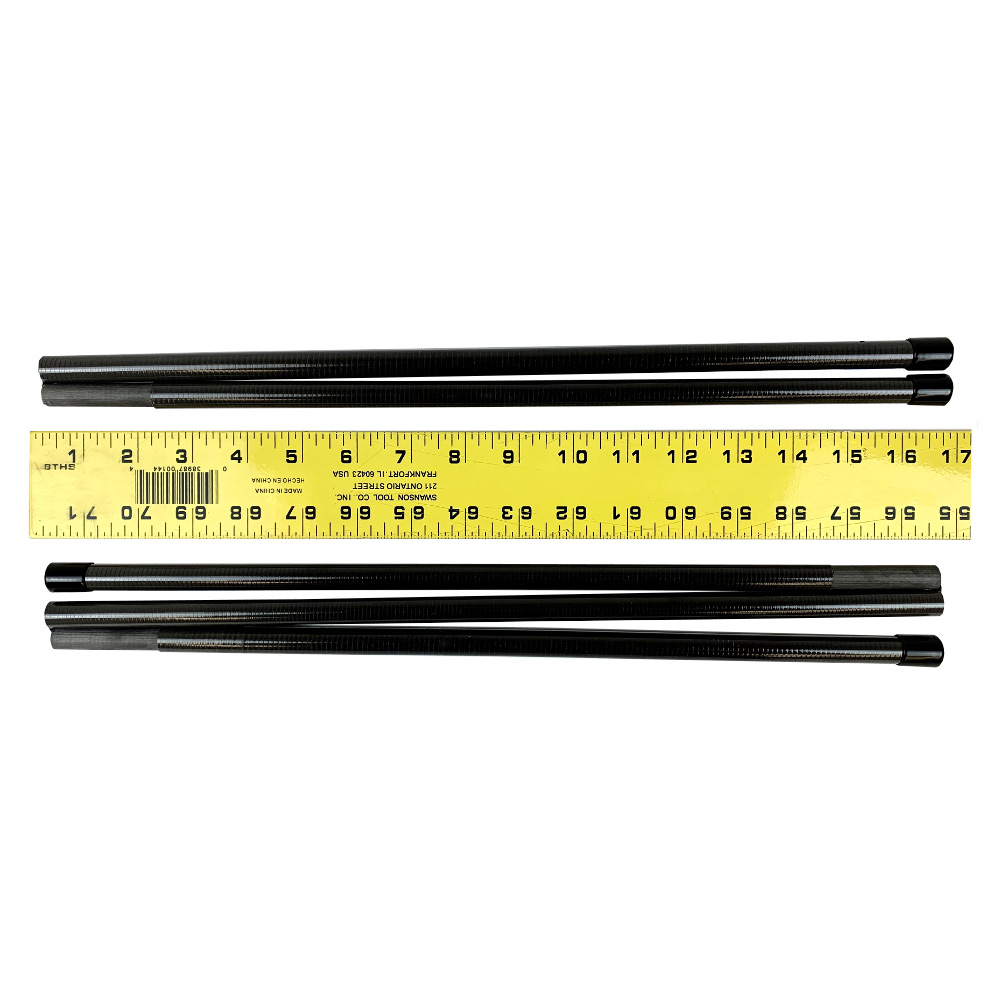
Before comparing the two, it’s essential to understand what makes carbon fiber and aluminum unique. Both materials have evolved to meet demanding performance standards, but they possess distinct intrinsic features that influence their suitability for different applications.
Carbon fiber is renowned for its lightweight nature and exceptional stiffness. It’s composed of extremely thin fibers woven into a fabric and then hardened with a resin, resulting in a material that boasts high strength-to-weight ratios. Aluminum, on the other hand, is a metal widely used for its durability, corrosion resistance, and affordability. It’s a malleable metal that can be easily shaped and is known for absorbing impact rather than resisting it outright.
In outdoor gear, these differences translate to various advantages and disadvantages. Let’s examine how these core properties influence each material’s application in poles.
Material Composition and Structural Integrity
Carbon fiber poles are constructed with fibers that provide exceptional tensile strength while maintaining remarkably low weight. This makes carbon poles ideal for situations where minimizing weight is critical, such as ultralight hiking or competitive sports like racing and mountaineering. However, carbon’s strength is directional; it excels in tension along its fibers but can be more brittle when subjected to lateral impacts or shocks.
Aluminum poles are made from alloys that balance strength with ductility. They are designed to absorb impacts better, making them more resistant to sudden shocks or bending forces. Aluminum’s malleability allows it to bend without snapping, providing forgiving resilience that can be advantageous in rough terrains or accidental impacts.
Manufacturing Processes and Cost Considerations
Carbon fiber poles are manufactured using complex processes such as filament winding or lay-up techniques, which are labor-intensive and require precise craftsmanship. Consequently, they tend to be more expensive than aluminum poles. Their production costs are reflected in retail pricing, and their availability might be limited compared to aluminum.
Aluminum poles benefit from mass-production methods that keep production costs lower. The manufacturing process is more straightforward and scalable, making aluminum poles more accessible to a broader audience. This affordability makes aluminum an attractive choice for casual users or those on a budget, while still offering considerable performance in many outdoor scenarios.
Environmental and Longevity Factors
Environmental exposure heavily influences pole durability. Carbon fiber tends to have excellent resistance to moisture and corrosion, but it can degrade over time if subjected to UV exposure or sustained impacts. Its brittleness can be a disadvantage in situations where impacts are frequent or unpredictable.
Aluminum is highly resistant to corrosion, especially when coated or anodized, which extends the lifespan of poles in harsh environments. Aluminum’s ductility means it can withstand repeated bending and impacts without cracking or breaking, often outperforming carbon in longevity under rugged conditions.
Understanding these foundational differences helps clarify why each material might serve specific user groups better, but further insights are necessary in considering performance under real-world conditions.
Performance and Functionality — Comparing Durability, Weight, and Flexibility of Carbon vs Aluminum Poles
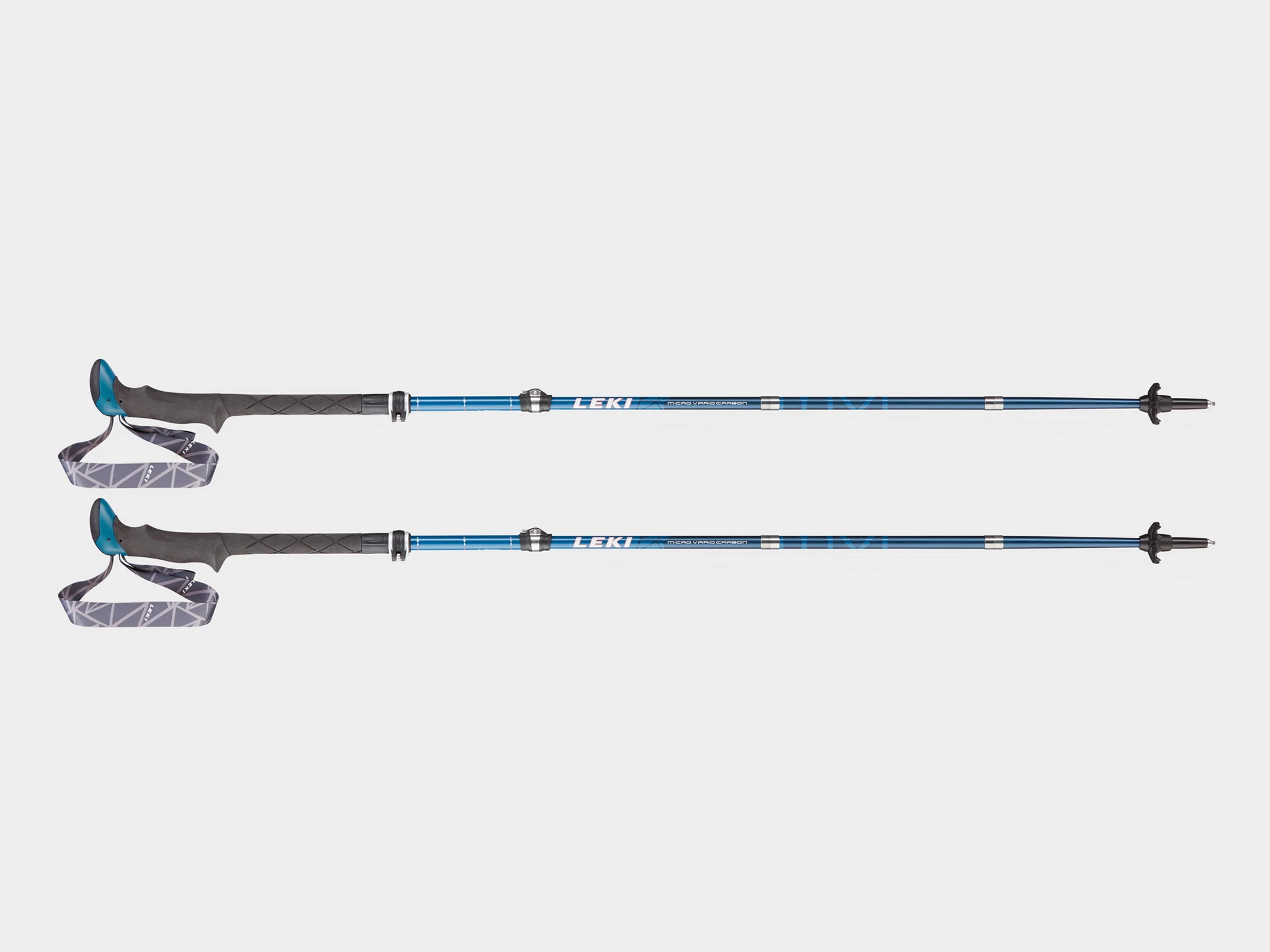
Evaluating are carbon or aluminum poles better? depends heavily on how each performs under typical usage conditions. Outdoor equipment users often prioritize factors such as weight, strength, flexibility, and resistance to environmental elements. Let’s analyze these key aspects to determine which material best fits your activity.
Durability and Resistance to Impact
Carbon fiber poles are incredibly strong with minimal weight; however, they can be brittle when subjected to blunt impacts or accidental drops. For example, if a carbon pole hits a rock or hard surface, there is a risk of cracking or splintering, which can compromise its integrity. This vulnerability makes carbon less ideal for environments where impact damage is common unless reinforced with protective sleeves or coatings.
Aluminum poles are designed to bend rather than break. They absorb shocks by flexing, making them much more forgiving when mishandled. This resilience prevents sudden failure, which is critical during intense outdoor activities such as avalanche rescue or uneven terrain navigation. Consequently, aluminum poles often have a longer lifespan in unpredictable environments and can endure more abuse without catastrophic failure.
Weight and Portability
When evaluating the are carbon or aluminum poles better?, weight plays a significant role. Carbon fiber poles are celebrated for their impressive strength-to-weight ratio, often being up to 30-50% lighter than aluminum counterparts of similar diameter and design.
This lightweight advantage translates into easier handling and less fatigue, especially during long hikes or prolonged activities. For ultralight backpackers or competitive climbers, the difference in weight can be substantial and influence overall performance and comfort.
Aluminum poles, though heavier, still offer excellent portability with modern designs that optimize weight savings. They tend to be bulkier and may cause increased fatigue over extended use, but their added robustness can outweigh the weight penalty for many users. Budget-conscious or casual outdoor enthusiasts might prefer aluminum for this reason, balancing cost and performance.
Flexibility and Adaptability
Flexibility is crucial for poles used in dynamic environments. Carbon fiber poles are typically stiff, providing excellent support for weight transfer and stability. However, this stiffness can be a drawback if flexibility is needed, as they may not absorb vibrations or shocks well, leading to discomfort or failure in extreme conditions.
Aluminum possesses greater flexibility, allowing it to bend and flex under stress, which helps in shock absorption and prevents sudden breakage. This feature is particularly advantageous during snowy, icy, or rocky climbs, where sudden impact loads are common.
In summary, are carbon or aluminum poles better? depends on the intended activity. Carbon poles excel in situations demanding minimal weight and high stiffness, while aluminum poles are preferable where durability, impact resistance, and cost-effectiveness are priorities.
How to Use and Maintain Carbon and Aluminum Poles – Practical Advice for Outdoor Users

Once the right material choice is made, understanding how to optimize the use and maintenance of these poles ensures longevity and performance. This section offers practical guidance for outdoor enthusiasts, hikers, and professionals on proper usage, storage, and care.
Proper Handling and Storage
Proper handling involves avoiding unnecessary impacts or drops, especially with carbon fiber poles. When setting up or packing away, ensure poles are collapsed carefully to prevent bending or cracking. For aluminum poles, flexing them gently and avoiding excessive force helps prevent fatigue or deformation over time.
Storing your poles in a dry, cool environment away from prolonged direct sunlight extends their lifespan. Use protective sleeves or soft cases to prevent scratches or impact damage during transport. When not in use, keep poles extended or collapsed based on manufacturer recommendations to avoid stress buildup.
Regular Inspection and Maintenance
Check your poles regularly for signs of wear, cracks, or corrosion. For aluminum poles, look for dents, bends, or discoloration, and keep anodized surfaces clean and free of dirt. Carbon poles should be inspected for cracks, especially at connection points or joints, which are common stress areas.
Cleaning your poles after each use, especially in muddy or salty environments, helps prevent corrosion or material degradation. Use mild soap and water, and avoid harsh chemicals that could weaken the materials. Tighten any loose fittings or clamps to ensure stability during usage.
Using Your Poles Effectively
Adjust your pole length to match terrain changes, climbing angles, or to provide support. Properly fitted straps improve control and reduce fatigue. When traversing uneven terrain, plant your poles firmly and use your body weight to maximize stability.
In adverse weather conditions, such as snow or ice, aluminum poles can often be fitted with snow baskets or carbide tips for enhanced grip. Carbon poles, while lightweight, still require careful handling in such conditions due to their susceptibility to impact damage.
Advising users on safety measures, storage, and maintenance not only prolongs the life of your poles but also ensures safety and confidence during outdoor adventures. Both carbon and aluminum poles demand respectful handling, though their care routines differ slightly based on their material properties.
FAQs — Answering Common Questions About Carbon and Aluminum Poles
Q: Are carbon or aluminum poles better for mountaineering?
Carbon fiber poles offer weight advantages and stiffness, reducing fatigue during long ascents. However, their vulnerability to impact damage makes aluminum more practical for rugged terrains where accidental impacts are frequent. For extreme durability, aluminum might be more suitable, but if weight savings are paramount, carbon can be advantageous.
Q: Can I use carbon poles in snowy or icy conditions?
Yes, but with caution. Carbon poles are lightweight and stiff, which can be beneficial, but they are more prone to cracking if mishandled or subjected to forceful impacts on ice or snow. Aluminum poles tend to withstand cold and impact better, making them a safer choice in such environments.
Q: Which material is more cost-effective in the long run?
Aluminum poles are generally more affordable upfront and durable in rugged conditions, potentially leading to lower replacement costs. Carbon poles, while costlier initially, provide weight savings and performance benefits that might justify the investment for serious enthusiasts or professionals.
Q: How do environmental factors like moisture and UV affect each material?
Aluminum is highly resistant to corrosion when coated properly, though it can corrode in salty environments. Carbon fiber resists moisture and UV exposure well but can degrade with prolonged UV exposure, especially if not protected. Proper storage and maintenance significantly extend the lifespan of both types.
Q: Are there hybrid poles combining carbon and aluminum?
Yes, some high-end poles incorporate carbon fiber shafts with aluminum components for connection points. These hybrids aim to balance weight, strength, durability, and cost, offering a tailored solution for demanding users.
Conclusion
In the debate of are carbon or aluminum poles better, the choice ultimately hinges on your specific needs and activity levels. Carbon fiber poles are unparalleled in lightweight performance and stiffness, making them ideal for ultralight adventures, racing, and situations where every gram counts. Conversely, aluminum poles excel in durability, impact resistance, and affordability, suiting them well for rugged terrains, heavy usage, and budget-conscious users. Both materials have their unique strengths and weaknesses, and understanding these allows outdoor enthusiasts to select the most suitable poles for their adventures. Proper use, maintenance, and handling further enhance their performance and lifespan, making the right choice a critical factor for successful outdoor experiences.
References
Note: This is a summative article based on expert knowledge and research available until October 2023. For specialized advice, consult product manufacturers or outdoor equipment specialists.