Looking to elevate your hiking and trekking experiences? Wondering what are trekking poles and how they can transform your journey? Whether you’re a seasoned adventurer or a casual hiker, understanding the role and benefits of trekking poles is essential. These versatile tools can provide stability, reduce fatigue, and improve overall safety on demanding terrains. In this comprehensive guide, we explore everything you need to know about trekking poles—what they are, how to use them effectively, their different types, and why they are becoming a must-have gear for outdoor enthusiasts.
What Are Trekking Poles? The Essential Tool for Modern Hikers and Trekking Enthusiasts
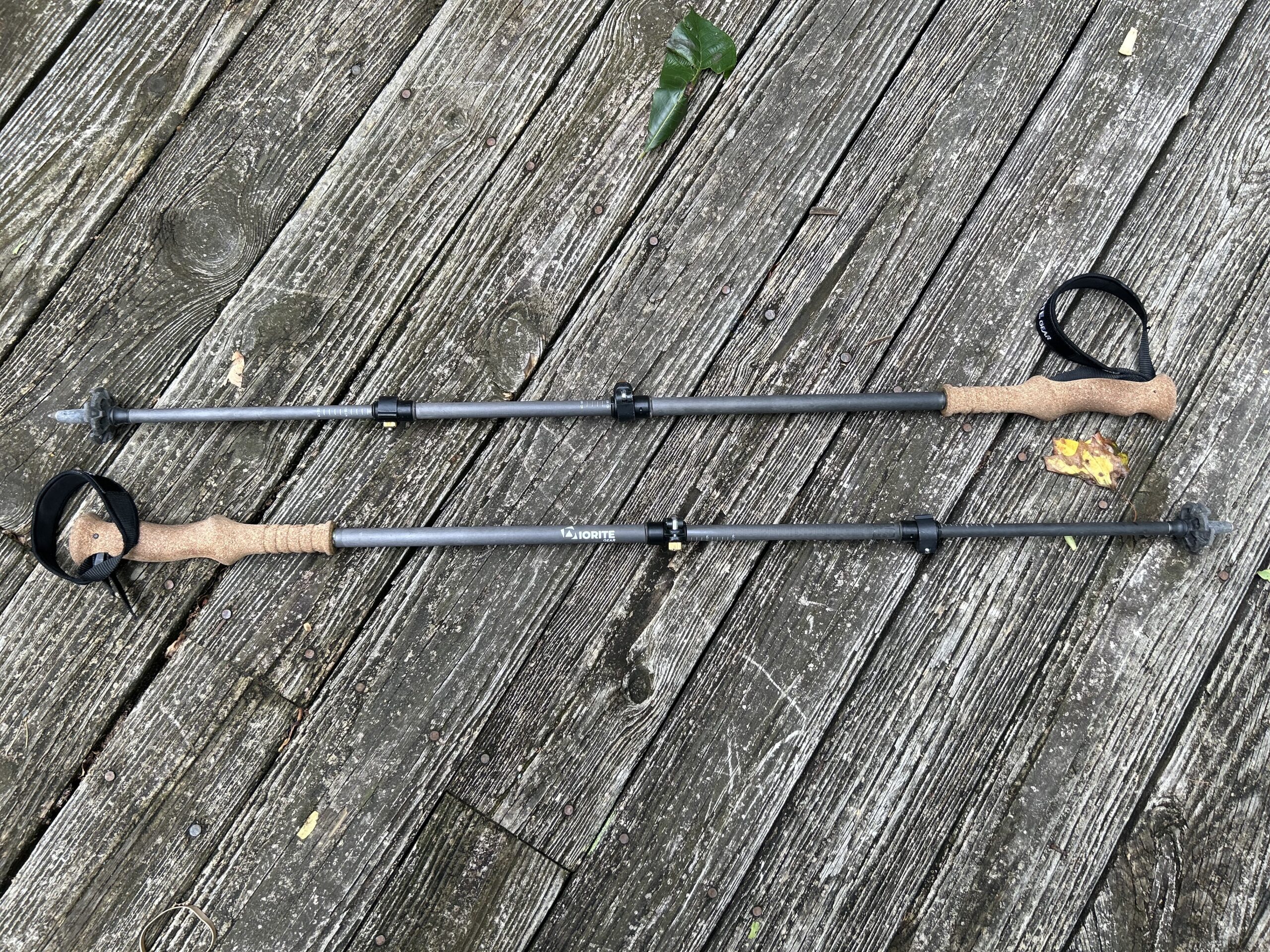
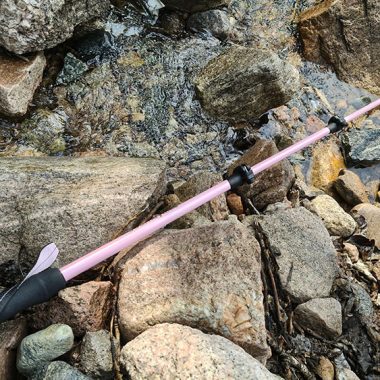
Before delving into advanced usage techniques and quality comparisons, it’s crucial to understand what are trekking poles. Essentially, trekking poles are adjustable sticks made from lightweight materials like aluminum or carbon fiber, designed to assist hikers and trekkers over various terrains. They resemble walking sticks but are specifically engineered for outdoor adventures, providing additional support, balance, and safety.
Trekking poles have become increasingly popular among outdoor enthusiasts, offering benefits that significantly improve comfort and performance. Whether navigating rocky paths, snow-covered trails, or uneven terrain, these poles help distribute physical stress and reduce joint strain, especially on downhill sections. Their ergonomic grips, adjustable lengths, and shock absorbers make them versatile tools suited for different body sizes and trail conditions. As a symbol of modern trekking gear, they combine functionality with durability, ensuring that every step taken during an outdoor expedition is safer and more comfortable.
Understanding what are trekking poles involves recognizing their design features, intended purposes, and the science behind their effectiveness. They are not merely walking sticks but sophisticated devices crafted to enhance endurance and safety, giving adventurers confidence to explore more challenging landscapes.
Why Use Trekking Poles? The Key Benefits and Scientific Insights

Using trekking poles is more than tradition or style; it’s grounded in science and ergonomic advantages. They play a critical role in improving biomechanics during hiking, reducing fatigue, and preventing injuries. Let’s explore why trekking poles are indispensable for all levels of outdoor activity.
Many hikers underestimate the physical toll of long-distance trekking on joints, muscles, and ligaments. Trekking poles help to alleviate stress on knees, ankles, and hips by redistributing part of the load to the upper body. This not only enhances endurance but also minimizes soreness and potential injuries after a strenuous day uphill or downhill.
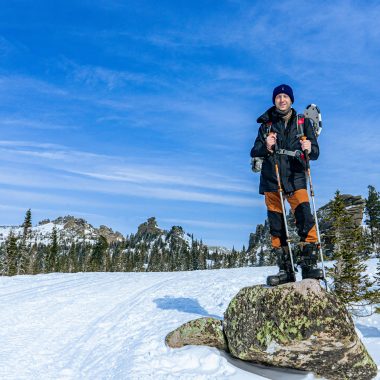
Furthermore, trekking poles are instrumental in enhancing stability on tricky terrains such as snow, ice, or loose gravel. Their additional points of contact offer more control, especially when crossing streams or navigating rocky steps. They also serve as critical tools during steep ascents or descents, enabling hikers to maintain balance and confidence.
The psychological benefits shouldn’t be overlooked either. Using trekking poles can foster a sense of preparedness and security, especially in remote or challenging environments. They empower hikers by providing a sense of control and reducing anxiety associated with tough terrains, ultimately enriching the outdoor experience.
How to Use Trekking Poles Effectively: Tips and Techniques for Maximum Benefit

Understanding what are trekking poles is just the beginning. Mastering their use can significantly amplify their benefits. Proper technique involves correct grip, posture, and adjustment, tailored to different terrains and personal health needs. Here’s a detailed guide for beginners and seasoned trekkers alike.
Start with the basic stance: keep your arms relaxed and elbows slightly bent, allowing for natural movement. Adjust the length of the poles so that when you hold the grips with your hands, your elbows form roughly a 90-degree angle. Proper fit ensures optimum transfer of energy from your arms to the poles, reducing fatigue.
When climbing uphill, shorten the poles slightly to gain better leverage and support. Conversely, extend them when descending to stabilize foot placement and absorb shocks. Use the straps effectively by slipping your wrists through, which distributes the force and reduces gripping fatigue. Remember, your grip should be firm but relaxed; gripping tightly tires out your hands unnecessarily.
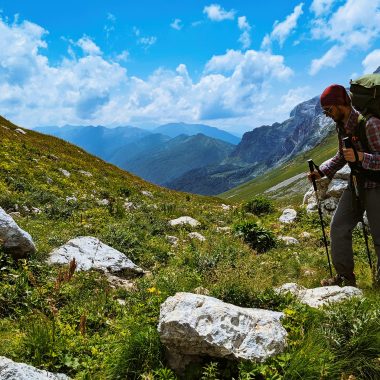
On uneven terrain like rocky paths or muddy trails, use the trekking poles at a slight angle for balance. Place the poles ahead of your body just before stepping, acting as a third point of contact that improves safety. Practice rhythmic movement matching your walking pattern, which makes trekking more fluid and less tiring.
Incorporate your trekking poles into your walking rhythm for efficiency. For example, planting your poles simultaneously with your opposite foot ensures synchronized movement that maximizes stability and power. Remember to check the terrain frequently to adjust pole placement, maintaining optimal contact with the ground.
Using trekking poles may seem straightforward but mastering their technique requires awareness and practice. Consider trail-specific adjustments and personal physical conditions to tailor their use for maximum comfort and safety.
Types of Trekking Poles and Choosing the Right One for Your Adventure
Choosing the right trekking pole involves understanding the different types available and selecting based on your specific needs. Not all trekking poles are created equal; materials, features, and design influence performance. Here’s an in-depth look at the various options to help you make an informed decision.
Telescoping vs. Collapsible Trekking Poles
Most trekking poles feature telescoping or collapsible designs, allowing for compact storage and adjustable length. Telescoping poles slide into each other with multiple locking mechanisms, often using twist or lever locks. Collapsible poles, on the other hand, fold into shorter segments, making them highly portable and easy to carry in backpacks or luggage.
Telescoping poles are widely preferred for their durability and quick adjustment capabilities during trekking. Collapsible models are highly favored by travelers who prioritize portability and convenience. Both types offer similar functionality, and your choice largely depends on your travel style and terrain preferences.
Material Matters: Aluminum, Carbon Fiber, and Hybrid Options
The primary materials used in trekking poles are aluminum and carbon fiber. Aluminum poles are sturdy, durable, and generally more affordable, making them suitable for rugged terrains and frequent use. They can withstand impacts and are less prone to breaking.
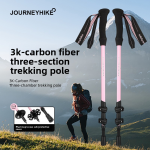
Carbon fiber poles are lighter and provide excellent shock absorption, which can reduce arm fatigue during long hikes. However, they tend to be more fragile and expensive. Understanding your priorities—whether durability or weight savings—is key when choosing the right material.
Hybrid trekking poles combine the strengths of both materials, often featuring aluminum shafts with carbon fiber tips or grips. They offer a good balance between strength, weight, and shock absorption, making them a versatile choice for most trekking adventures.
Additional Features to Consider
Beyond basic construction, consider features like adjustable length lock systems, shock absorption mechanisms, ergonomic grips, and tip design. Anti-shock systems help reduce vibrations that can cause fatigue or joint discomfort. Ergonomic grips made from cork or foam enhance comfort during prolonged use.
Tip design is critical for traction—rubber tips offer versatility on paved or rocky surfaces, while carbide tips are better for ice or snow. Some poles come with interchangeable tips, offering adaptability for various conditions.
Choosing the ideal trekking pole depends on your specific trekking environment, physical needs, and budget. Investing in a quality set tailored to your adventure can greatly enhance safety, comfort, and overall trail enjoyment.
FAQs – Common Questions About Trekking Poles
What are trekking poles, and do I really need them?
What are trekking poles are adjustable supports designed to improve balance, reduce fatigue, and prevent injuries during hikes. While not mandatory, they significantly benefit those tackling rugged terrains, carrying heavy backpacks, or needing extra stability, making trekking poles a worthwhile investment.
How do I choose the right trekking poles for my needs?
Selection depends on factors like material, weight, adjustability, and terrain. Consider aluminum or carbon fiber, and whether a telescoping or collapsible design suits your travel style. Features like shock absorption, grip comfort, and tip type should align with your specific outdoor activities.
Can trekking poles be used on all terrains?
Yes, but the effectiveness varies. Rubber tips work well on paved surfaces, whereas carbide tips excel on ice and snow. Interchangeable tips provide flexibility, making trekking poles adaptable for diverse environments such as rocky trails, snowy slopes, or muddy paths.
How do I maintain and care for my trekking poles?
Regular cleaning to remove dirt and debris extends pole lifespan. Tighten locking mechanisms periodically and inspect tips for wear or damage. Store them in a cool, dry place, and replace tips or straps when worn for continued optimal performance.
Are trekking poles suitable for seniors or people with joint issues?
Absolutely. They can provide stability and reduce joint strain, especially during downhill segments. Lightweight, ergonomic models with shock absorption features are ideal for seniors or individuals with joint concerns, making outdoor adventures safer and more enjoyable.
Conclusion
In summary, what are trekking poles are versatile, lightweight tools that enhance safety, stability, and endurance for outdoor enthusiasts. Their design and features—ranging from materials to adjustable mechanisms—allow users to customize their experience based on terrain and personal needs. Mastering appropriate techniques can maximize their benefits, reducing fatigue and preventing injuries across various terrains. With the right pair selected and proper usage, trekking poles can transform your hiking adventures into safer, more comfortable explorations of the great outdoors, empowering you to traverse new terrains with confidence and ease.