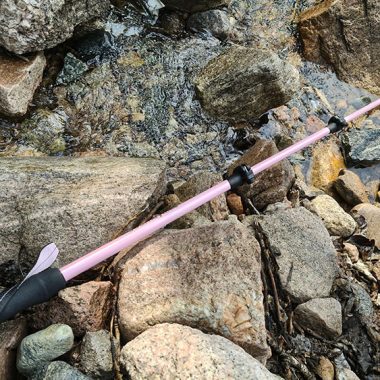
When preparing for your next outdoor adventure, whether it’s hiking, skiing, or climbing, one question pops up consistently: Are carbon or aluminum poles better? As outdoor enthusiasts, we are often faced with making the best choice among various gear options. Understanding the strengths and weaknesses of both carbon and aluminum poles will help you find the perfect balance of weight, durability, cost, and performance for your unique needs.
Understanding Carbon Poles: Their Composition and Benefits
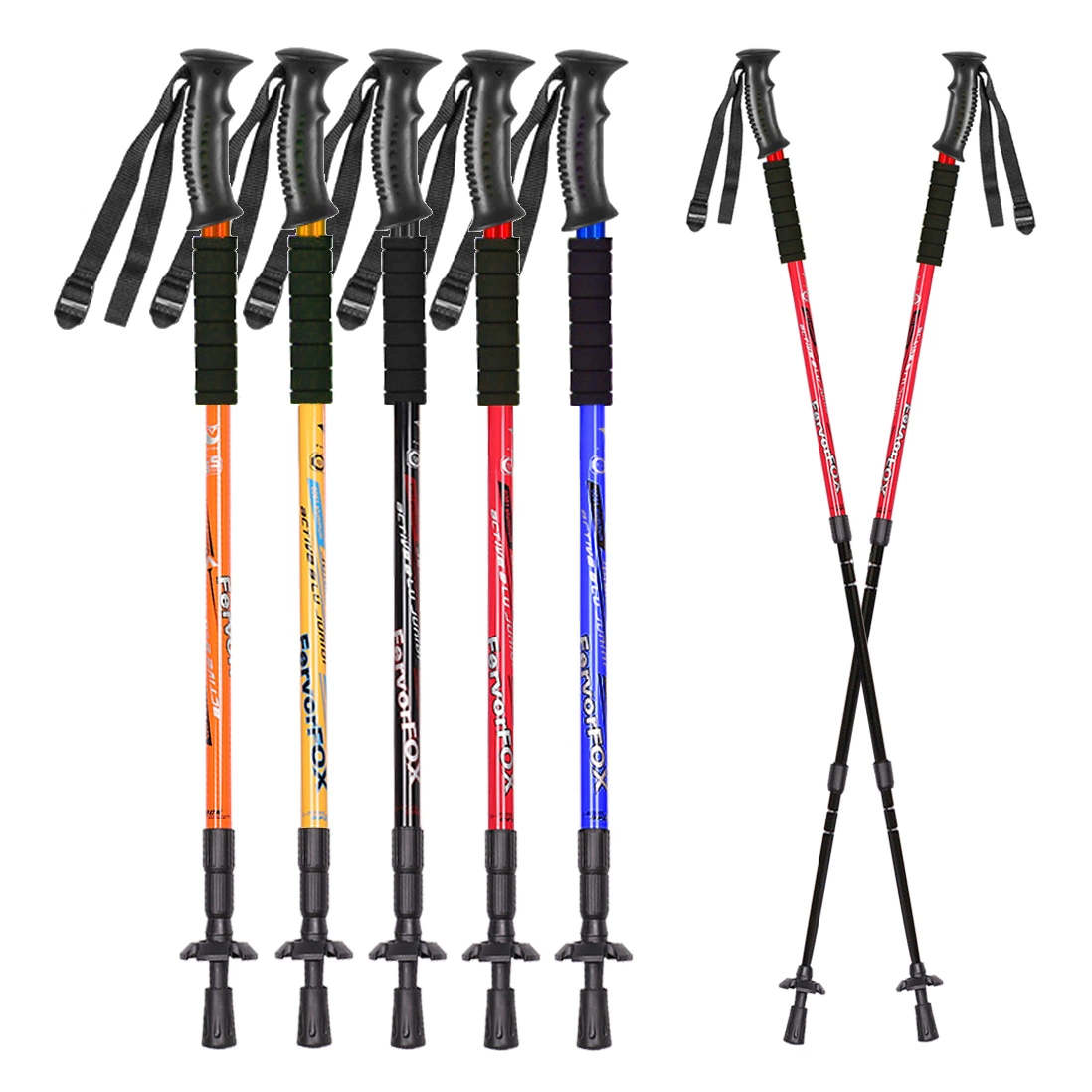
Carbon poles are crafted from high-strength carbon fiber composites, making them a popular choice among avid adventurers. These poles offer a variety of benefits that make them highly sought after.
Lightweight Construction for Easy Handling
One of the most significant advantages of carbon poles is their lightweight nature. These poles are often 30% lighter than their aluminum counterparts, allowing users to conserve energy and reduce fatigue during long hikes or climbs.
- Portability: The reduced weight makes carbon poles easier to carry in a backpack.
- User Comfort: Less weight translates to more comfortable handling over extended periods.
Having a lightweight pole can mean the difference between an enjoyable trek and a physically taxing experience.
Exceptional Shock Absorption
Another fantastic feature of carbon poles is their ability to absorb shock effectively. When trekking over uneven terrain, this shock-absorbing quality helps to minimize joint strain and reduces fatigue.
- Reduced Impact on Joints: The carbon material dampens vibrations, protecting your knees and joints.
- Better Performance: Enhanced shock absorption allows for smoother transitions, particularly during challenging descents.
For those who struggle with joint pain or discomfort, choosing carbon poles can significantly improve outdoor performance.
Durability and Resistance to Elements
Carbon poles are designed to withstand tough conditions. Although they might be perceived as fragile, high-quality carbon poles provide excellent resistance against environmental elements.
- Weather Resistance: These poles can endure extreme weather and temperature variations without losing structural integrity.
- Corrosion Resistance: Unlike metal poles, carbon poles do not corrode, enhancing their longevity.
While carbon poles are beneficial, careful handling is necessary to avoid accidental breakage from excessive force or collision.
Exploring Aluminum Poles: Solid and Sturdy Options
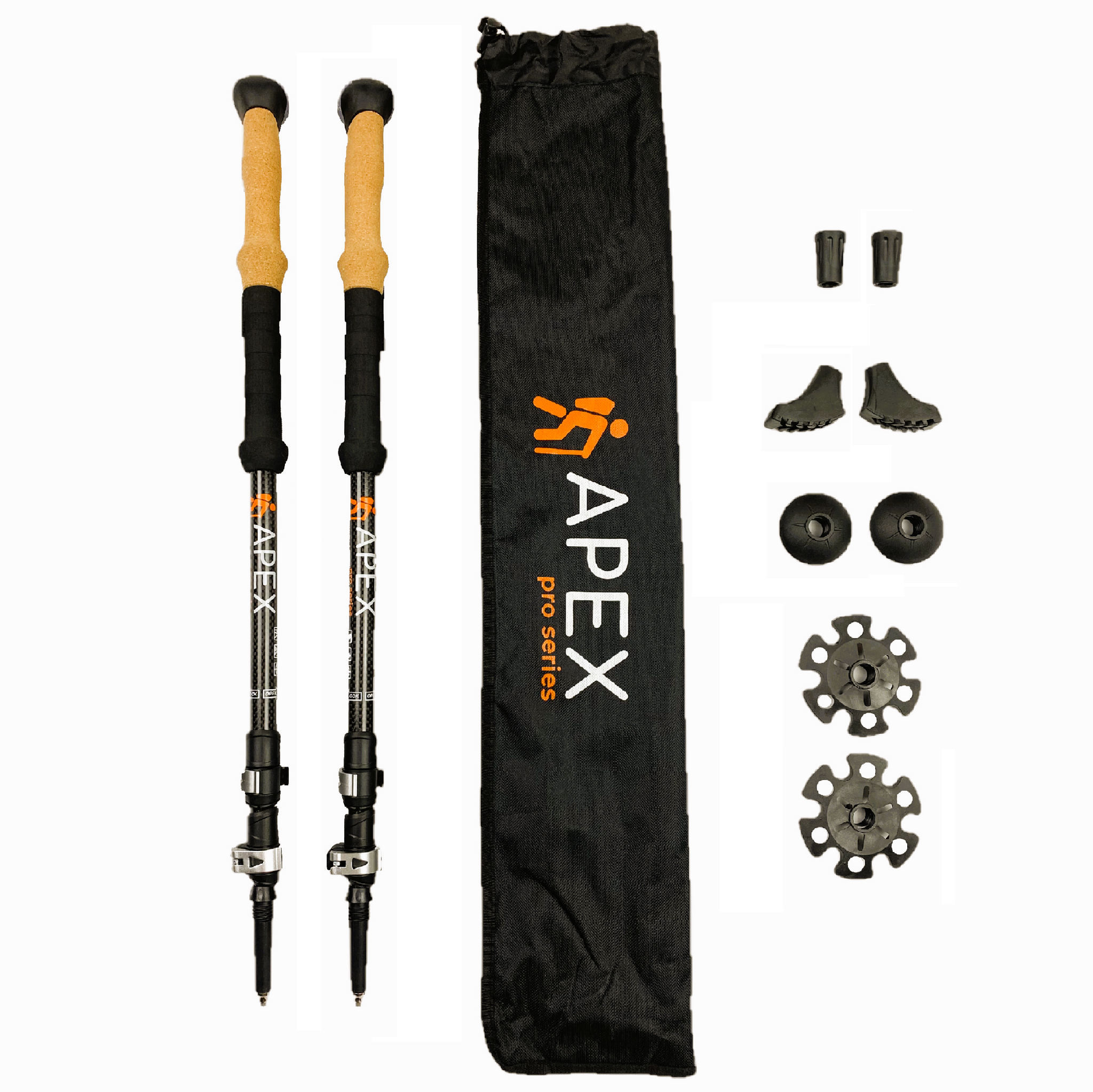
Aluminum poles are made from lightweight aluminum alloys, offering a more durable construction than carbon poles. Understanding their benefits and drawbacks can help you decide if they fit your adventure needs.
Robust Durability and Strength
Aluminum poles are known for their durability and resilience in extreme conditions.
- High Impact Resistance: Unlike carbon, aluminum can bend without breaking; they are less likely to shatter.
- Heavy-duty Construction: These poles cater to heavy load applications, benefiting those who carry substantial gear.
With their ability to withstand rough use and heavy loads, aluminum poles are ideal for rugged outdoor activities.
Cost-Effectiveness for Value Seekers
One key aspect that many outdoor enthusiasts consider is the price. Aluminum poles generally come at a lower price point than carbon poles.
- Affordability: Great for beginners or budget-conscious adventurers seeking to dip their toes into outdoor activities.
- Replacement Options: Due to their durability, many users experience fewer replacements, making them a cost-effective choice over time.
Investing in a good pair of aluminum poles provides value for those focusing on durable gear without breaking the bank.
Slightly Heavier Weight
While aluminum poles are tougher, they do come with the drawback of weight.
- Extra Bulk: Compared to carbon poles, aluminum poles weigh more, affecting agility and endurance during long hikes.
- Equipped for Stability: The added weight can provide stability in high winds or unfavorable terrain.
Considering your personal strength and endurance levels is critical in deciding if the weight is acceptable for your intended use.
Comparing Carbon and Aluminum Poles: A Side-by-Side Analysis
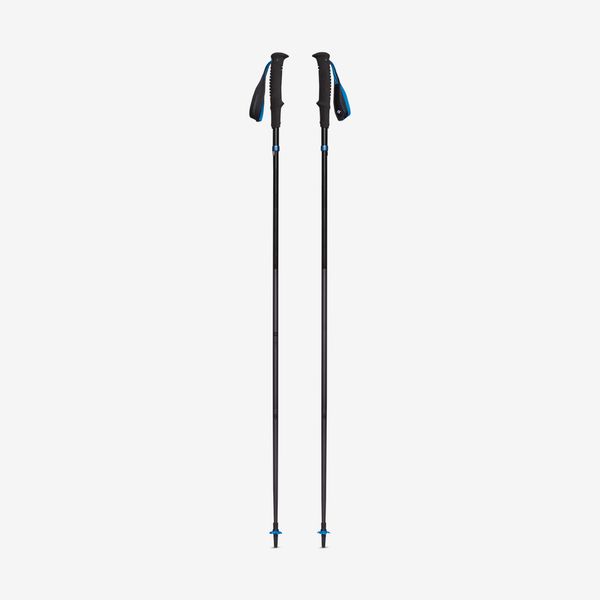
In determining Are carbon or aluminum poles better?, a detailed comparison can clarify your preferences and needs.
Performance vs. Durability
When weighing performance against durability, consider what’s essential for your outdoor activity.
- Carbon Poles: Provide superior performance and are lightweight, ideal for hiking, skiing, and climbing activities that require agility.
- Aluminum Poles: Offer robust durability and are reliable for rugged conditions but may vary in weight, demanding additional stamina.
Cost Implications
Cost may be a significant factor in deciding which pole to invest in.
| Feature | Carbon Poles | Aluminum Poles |
|---|---|---|
| Weight | Lightweight | Slightly Heavier |
| Durability | Moderate | High |
| Cost | More Expensive | Affordable |
Personal Preference and Intended Use
Ultimately, personal preferences play a vital role in determining which poles suit you best. Ask yourself the following:
- Are you prone to joint pain during long hikes? Eloquent shock absorption makes carbon poles ideal.
- Do you participate in rugged terrains demanding robust durability? Aluminum poles offer that strength.
Evaluating your requirements based on frequency of use and environmental challenges will help make the decision-making process easier.
Tips for Choosing Between Carbon and Aluminum Poles
When standing at the crossroads of choosing carbon or aluminum poles, consider a few key tips to ensure you make an informed decision.
Assess Your Adventure Style
Your adventure style can largely influence your choice.
- Frequent Hikers: If you hike regularly through various terrains, invest in carbon for lightweight advantages.
- Occasional Adventurers: For part-time enthusiasts, aluminum may suffice.
Understand Your Budget
Always factor in how much you’re willing to spend on trekking poles, as this can help narrow down options efficiently.
- Investing in Quality: If you have a higher budget, consider investing in high-quality carbon poles known for durability and low weight.
- Long-term Saving: Investing in sturdy aluminum can eventually save you money if they last longer compared to cheaper options.
Experiment with Different Types
It’s essential to try different poles before committing to a purchase.
- Test in your Environment: Take multiple poles out on the trail and experience how each performs under your typical conditions.
- Get Feedback: Consult knowledgeable retailers or seasoned adventure partners for their first-hand experiences.
Transitioning to new gear can be as much about personal comfort as it is about statistics; hence trials can be beneficial.
FAQs

What are the main advantages of carbon poles over aluminum ones?
Carbon poles are lighter and provide better shock absorption, making them ideal for long hikes and activities that require less fatigue.
Are aluminum poles more durable than carbon poles?
Yes, aluminum poles are generally more durable since they can bend without breaking; hence they are suitable for rough terrains.
Do carbon poles break more easily than aluminum poles?
While carbon poles are more fragile and can break upon extreme force, high-quality options designed for durability can withstand moderate use.
What should I consider when purchasing poles for skiing?
Choose poles that offer lightweight features for agility and optimal shock absorption for ski performance.
How do I maintain my trekking poles?
Regularly inspect poles for any damages, keep the locking mechanisms clean, and store them in a dry place to prolong their lifespan.
Conclusion
In conclusion, both carbon and aluminum poles have their unique advantages and drawbacks. Choosing the right poles depends on several factors, including your type of outdoor activities, frequency of use, personal preferences, and budget. By considering these aspects critically, you will be well-prepared to answer the question: Are carbon or aluminum poles better? Whether you lean towards the lightweight shock absorption of carbon or the durability and cost-efficiency of aluminum, the choice ultimately lies in what suits your adventure needs best.