We’ll help you decide whether lightweight gear makes sense for your goals, terrain, budget, and race plans right now.
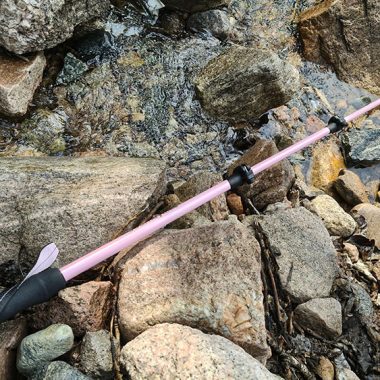
Trail-specific trekking gear has evolved fast. Modern designs fold into three segments so you can stash a set on a vest or belt and keep your rhythm during transitions.
Expect real performance gains: more uphill propulsion, extra stability downhill, and smoother pacing across mixed ground. That lowers stress on the lower body over long miles.
The core trade-off is simple. Carbon saves weight for light-and-fast models like Black Diamond Distance Carbon Z and Leki Ultratrail Fx.One Superlite. Aluminum choices trade added weight for durability and a lower price, and they tend to bend instead of snap.
Later sections will give a practical guide on sizing, grips, tips, folding systems, and maintenance so your purchase lasts for years.
Key Takeaways
- Light sets boost uphill push and reduce leg strain on long efforts.
- Foldable designs fit vests and make mid-race stow-and-go easy.
- Carbon favors low weight; aluminum favors durability.
- Grip, basket, and tip choices shape comfort and traction.
- Match choice to terrain, budget, and how often you will use a pole.
Why this question matters right now for trail and ultra runners
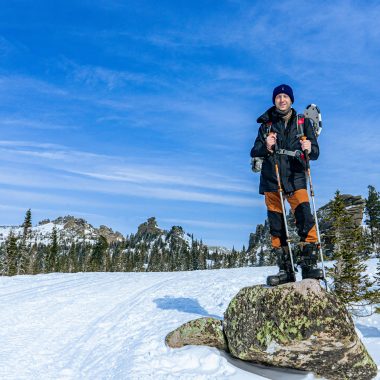
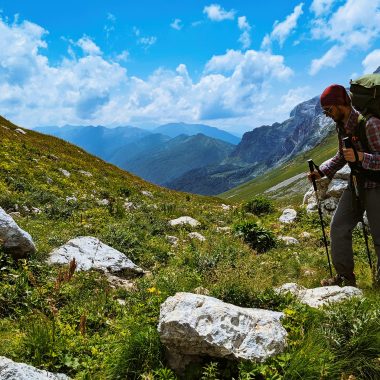
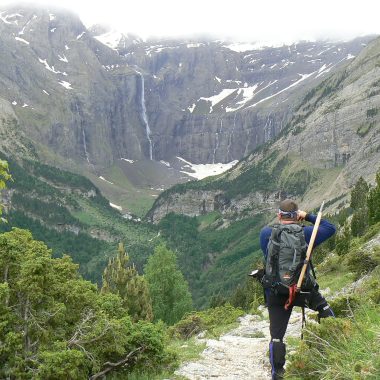
Start lines in the high-country increasingly show athletes with compact trekking tools.
Modern ultramarathons put steeper climbs, technical descents, and longer miles in front of runners more often. Field tests and lab work show that light supports harness upper-body power on climbs and add stability on steep downhills.
That matters because lighter designs cut arm fatigue at higher cadence. A fast deployable system fits a vest quiver so athletes can stash a set and pull them when terrain demands.
“It’s rare now to find a mountainous start line without at least a few runners carrying trekking aids.”
- More mountain races reward shared workload between legs and upper body.
- Some runners save a pole set for race day; others train with them regularly.
- Weather and terrain in the Rockies, Whites, and Sierra often sway the choice toward carrying support.
| Trend | Why it matters | Design impact |
|---|---|---|
| Steeper courses | Boosts climb efficiency | Light, foldable models preferred |
| Technical descents | Improves balance | Stiffer tips and reliable tips required |
| Long miles | Reduces leg load | Weight and packability critical |
Next: we’ll map these benefits against trade-offs in carbon vs aluminum so you can match a choice to pace, terrain, and budget.
Quick answer: Are carbon running poles worth it?
Shedding grams from your kit can shift the whole feel of a long mountain effort. For racers and fast hikers, the ultra-light Leki Ultratrail Fx.One Superlite and Black Diamond Distance Carbon Z deliver clear gains in pace and reduced arm load.
Who benefits most
TL;DR: choose light if you chase podiums, FKTs, or want less fatigue over long miles.
Mountain ultrarunners who maintain a high cadence and racers who swap gear fast will notice the biggest performance jump. Athletes who dread late-race leg burn often find upper-body help meaningful.
When aluminum might be smarter
Aluminum models like the Black Diamond Distance Z and BD Distance FLZ take more abuse. They bend before they fail and cost less to replace.
Practical tip: many runners carry a mixed quiver — light gear for race day, tougher sticks for daily training, winter use, or very rocky terrain.
“Be honest about your terrain, how often you use poles, and whether grams change your race outcome.”
Pros of carbon poles for running: performance you can feel
Small shifts in pole mass produce big changes over many miles and sustained elevation gain. Lightweight carbon shafts reduce swing effort, so your arms move faster with less fatigue.
Upper-body power on climbs and reduced lower-body stress
Transferring work to the upper body preserves quads and calves late in the race. Tests show ultralight models like the Leki Ultratrail Fx.One Superlite (268 g/pair at 115 cm) and BD Distance Carbon Z (272 g/pair) help runners keep cadence uphill.
Stability and confidence on technical descents and variable terrain
Adding extra touch points to the ground improves balance on roots, rock slabs, scree, and muddy switchbacks. That margin for error helps with micro-adjustments on sketchy steps.
Lighter weight, faster cadence, and less arm fatigue over miles
Carbon fiber shafts deliver a snappy, efficient plant-and-push. Over long outings, this saves energy and compounds into a measurable performance gain.
“A light, stiff shaft can turn the upper body into an extra engine on long climbs.”
| Benefit | How it helps | Where it matters | Example |
|---|---|---|---|
| Reduced swing weight | Faster arm turnover, less fatigue | Long climbs, high cadence | Leki Ultratrail Fx.One Superlite |
| Energy-efficient push | Snappy plant-and-push motion | Steep ascents | Carbon fiber shafts |
| Extra contact points | Better balance on technical sections | Roots, scree, slabs | Foldable trekking pole setups |
| Confidence boost | Safer micro-adjustments | Variable terrain | Race and fast-hike use |
Cons of carbon poles: trade-offs to consider
Speed and low mass come with practical compromises. Before you buy a race set, weigh how fragile designs, price, and packing habits fit your typical terrain and use.
Fragility under side loads
Breaks vs bends
Light shafts can snap when a tip jams or a stick takes a sideways hit. In those moments, aluminum often bends and stays usable.
Price and replacement burden
Premium models cost more up front. Replacing a snapped shaft or a specialized strap adds extra expense over time.
Pack and storage quirks
Some grips are chunky and resist quiver stowage. Fixed-length designs limit quick on-trail adjustments for steep climbs, descents, or water crossings.
“Treat ultralight hardware like precision gear: inspect cords, joints, and tips before each outing.”
- Sudden failure risk under sideways loads.
- Higher upfront and replacement costs.
- Limited adjustability and bulky grips can slow transitions.
- Ultralight cord systems need regular checks.
| Issue | Effect | How to mitigate |
|---|---|---|
| Side loads | Sharp failure, unusable shaft | Choose tougher material for rocky outings; train careful planting |
| Cost | Higher repair/replace time | Buy spares, favor warranty-friendly brands |
| Packability | Harder quiver stow, slower transitions | Test pack fit; prefer low-profile grip or folding system |
Carbon vs aluminum: which material fits your terrain, pace, and budget?
Choosing shaft material often boils down to a simple trade: durability versus saved grams. Match that trade to where you run, how fast you move, and how long you expect gear to last.
Durability realities: rocky mountains, roots, and falls
Aluminum models like the Black Diamond Distance Z and BD Distance FLZ stand up to scrapes, drops, and side hits. They bend instead of breaking, which often gets you back to the trailhead.
In contrast, lighter shafts favor race use. With hard side loads or a jammed tip, a snapped shaft is possible, so careful planting and routine checks matter.
Weight, feel, and fatigue across long distances
Reduced swing mass lowers arm fatigue over many miles. For faster paces and high cadence, that lively feel helps maintain rhythm on long climbs.
Heavier workhorses cost you more effort per step but add confidence on technical ground and when you hit roots or rock bands.
Total cost of ownership over many years
Budget reality: aluminum saves money up front and often on replacements. If you use gear daily, that can lower total cost over years.
Some careful users report many years of service from carbon sets, but expect higher replacement risk after crashes or repeated side loads.
Choose aluminum for daily abuse and carbon for high-priority efforts where every gram and cadence count.”
| Need | Best pick | Why |
|---|---|---|
| Daily training, rocky terrain | Aluminum | Durable, bends not breaks |
| Race day, fast paces | Carbon | Lower weight, less fatigue |
| Mixed use, long lifespan | Careful choice | Test fit, keep spares, inspect after falls |
- Durability wins on rough terrain.
- Weight savings help the body over long miles.
- Think long term: frequency of use shapes total cost.
Are carbon running poles worth it? The decision framework
Deciding between ultralight race gear and a durable daily setup starts with honest use patterns.
Race day vs everyday: Choose a featherweight Leki Ultratrail Fx.One Superlite for priority events and steep courses where every gram helps pace and saves energy. Pick an adjustable aluminum BD Distance FLZ if you need a tough daily stick that bends, not breaks.
Mountain and technical terrain
In rough or winter conditions, favor stiffer shafts and larger baskets. Tough ground raises failure risk for light shafts, so durability often beats minimal weight.
Pack, storage, and stow frequency
If you stash and deploy often from a vest quiver, pick low-profile grips and a smooth folding system. REI Swiftland TT Carbon balances cost and performance for mixed use and frequent handling.
How to decide
- Match terrain roughness and snow to material choice.
- Think about how often you stow gear and open the quiver.
- Weigh cost vs benefit: race-only sets can justify higher spend.
| Need | Best pick | Why |
|---|---|---|
| Race day, fast pace | Leki Ultratrail Fx.One Superlite | Lowest weight, faster cadence |
| Daily training | BD Distance FLZ (aluminum) | Durable, repairable |
| Mixed use | REI Swiftland TT Carbon | Balanced cost and performance |
Product roundup: standout carbon running poles for different needs
Here are three compact, race-ready options and why each fits a specific role.
Featherweight racing: Leki Ultratrail Fx.One Superlite
Why choose it: ultra-light carbon fiber shafts and the Trail Shark strap system make fast transitions feel natural.
The set weighs about 268 g per pair at 115 cm, so your arms tire less over long climbs.
All-around value: REI Swiftland TT Carbon Folding Trekking Poles
Why choose it: carbon shafts with EVA foam grips give comfort and a slightly heavier, durable feel for everyday use.
At 318 g per pair (115 cm) the push-button folding system packs well in a vest and stands up to frequent handling.
Iconic favorite: Black Diamond Distance Carbon Z
Why choose it: 100% carbon fiber shafts, reinforced joints, and a reliable push-button lock make this a race-proven model.
It weighs about 272 g per pair (115 cm) and offers stepped length options for fine tuning.
“Sub-300 g sets reduce fatigue when you keep a pair in hand for long stretches.”
| Model | Weight (pair, 115 cm) | Grip / Strap | Packability / Folding |
|---|---|---|---|
| Leki Ultratrail Fx.One Superlite | 268 g | Trail Shark strap, race-oriented grip | Compact, fast deploy |
| REI Swiftland TT Carbon | 318 g | EVA foam grips, comfortable for long use | Push-button fold, vest-friendly |
| Black Diamond Distance Carbon Z | 272 g | Low-profile grip, reinforced joints | Foldable, stepped lengths 100–130 cm |
Quick take: choose the Leki for pure racing, the REI for training and mixed use, and the Black Diamond for a proven, widely available race tool.
Great non-carbon alternatives and budget-friendly picks
A solid backup set can save a day when terrain turns ugly and your race hinges on durability.
Workhorse aluminum: The Black Diamond Distance Z uses 7075 aluminum, foam grips, and interchangeable rubber and carbide tips. A 344 g per pair (120 cm) build balances durability and packability for rough terrain. It’s a reliable, affordable folding option with broad parts availability.
Entry-level, budget-friendly options
The Camp Xenon Pro 2.0 is a four-piece 7075 aluminum set with Kevlar cord tension. At about 340 g per pair (115 cm) it folds compact and stores tidy with a Velcro strap. Aonijie folding poles are another inexpensive aluminum pick at ~350 g per pair, good for smoother routes or testing technique.
Low-cost lightweight alternative
The Paria Tri-Fold Carbon Cork blends carbon shafts and aluminum connectors with cork grips. It’s adjustable and very inexpensive (~$70), but heavier than high-end race models. Use this pair to get cork comfort and adjustability without a big spend.
- Recommend: Black Diamond for daily abuse and easy tip replacement.
- Camp Xenon Pro 2.0 for compact folding and value.
- Aonijie as an entry-level test set for mild terrain.
- Paria Tri-Fold for low-cost cork comfort and adjustability.
| Model | Material | Weight (pair) | Why pick |
|---|---|---|---|
| Black Diamond Distance Z | 7075 aluminum | 344 g (120 cm) | Durable, interchangeable tips |
| Camp Xenon Pro 2.0 | 7075 aluminum | 340 g (115 cm) | Compact fold, value |
| Aonijie folding poles | Aluminum | 350 g (pair) | Budget-friendly entry |
“Choose a durable set for everyday training; save light race sticks for priority events.”
Adjustable vs fixed-length and foldable systems explained
Deciding between adjustable shafts and fixed-length foldables comes down to trade-offs in weight, speed, and mid-run flexibility.
Adjustable sets like the Leki Cross Trail FX Superlite shine when routes change. The model uses carbon shafts, Cross Shark glove-like straps, and an external speed-lock lever. It adjusts 110–130 cm (or 100–120 cm) and folds into three sections. That range helps with steep climbs, water crossings, and pitching a tarp on a fastpack.
Fixed-length foldables such as the BD Distance Carbon Z and REI Swiftland TT Carbon favor simplicity. Push-button folding and fewer moving parts mean faster deployment, lower failure points, and often less weight for racers.
Folding systems compared
- Internal cord: light and tidy but harder to repair.
- Push-button lock: quick and reliable for many users.
- External speed-lock: fast adjustability with visible clamps.
Use case split: choose adjustable for mixed adventures and multi-day treks. Pick fixed-length foldables for race focus and steady terrain. Always check folded length against your vest quiver before you buy.
“Match your system to pace, pack size, and how often you change length on the trail.”
Grip, strap, and tip choices that change your run
What you hold and how it connects to your wrist can be as important as shaft weight for long miles. Small details at the handle and tip alter comfort, control, and trail impact.
Foam vs cork: sweat, comfort, and feel
Foam grips are affordable and light. They can get slick when hands sweat and may need gloves on hot days.
Cork grips absorb moisture and mold to your hands. That gives better long-term comfort and less slip over hours.
Strap systems: classic loops and glove-style designs
Classic wrist loops are simple to use with gloves and quick to adjust. They work well in changing weather and are low-fuss.
Leki’s Trail/Cross Shark uses a glove-like strap. This design improves energy transfer and reduces grip fatigue on long climbs.
Carbide vs rubber tips: traction and trail impact
Carbide tips bite into rock and dirt for secure plants on varied terrain. They give consistent traction but can be noisy on hard surfaces.
Rubber tips cut noise and protect rock. They are kinder to sensitive terrain but offer less bite on loose scree.
“Carry spare tip protectors and pick tips to match terrain and trail rules.”
- Grip diameter and contour matter for hand comfort over hours.
- Glove-style straps transfer power; loops are quick and glove-friendly.
- Swap rubber and carbide tips as conditions change; bring spares for race day.
| Feature | Foam | Cork |
|---|---|---|
| Moisture handling | Low — can feel slick | High — absorbs sweat |
| Comfort over hours | Moderate | High — molds to hands |
| Price | Lower | Moderate |
Packability, folding mechanisms, and on-the-run stowage
How a pole folds and locks can decide whether you bother to stash it in your vest.
Three- and four-section designs change collapsed length and how easily you slide a set into a tight quiver. Three-piece race sticks often tuck cleanly; four-piece options like the Camp Xenon Pro 2.0 fold shorter for smaller packs.
Push-button and internal cord systems let you deploy a pair without breaking stride. The REI Swiftland TT Carbon uses a smooth push-button collapse that works well during fast transitions.
External speed-locks, as on the Leki Cross Trail FX Superlite, add quick adjustability but can be slightly bulkier when stowed.
Low-profile grips make sliding a set into a vest pocket far easier. Try stowing the pole at home with your pack to avoid surprises on race day.
- Use keeper straps or bands to stop folded segments from flopping while you move fast.
- Match the folding system to your quiver and terrain for quick swaps.
- Reliable mechanisms save precious time and conserve energy on long climbs.
“Test stowage before you race—small fits win big time.”
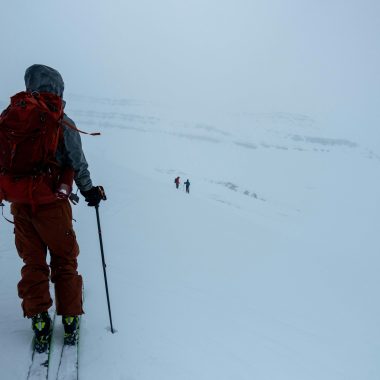
Winter running and snow travel: when specialized carbon makes sense
Snow travel rewards robust designs more than featherweight race setups.
Winter conditions change priorities. Cold, icy slopes and deep snow raise the cost of a failure. In that setting, a heavier, reinforced shaft and large baskets are smart choices.
MSR DynaLock Ascent Carbon for fast-and-light winter use
The MSR DynaLock Ascent Carbon is an adjustable set made for snow and alpine approaches. It comes in 100–120 cm and 120–140 cm ranges and weighs about 470 g per pair (100–120).
Key features: flip-lock tensioner, sturdy lower grip for sidehilling, plastic-sheathed wire linkage, and full snow baskets for flotation and stability.
Basket size, lower grips, and wire vs cord internals
Large snow baskets prevent tips from punching through soft terrain. Lower grips let you change hand position quickly on firm snow or steep traverses.
Internals matter: a sheathed wire system resists cold, abrasion, and ice buildup better than thin cord. That extra durability adds weight but reduces failure risk in remote mountain conditions.
“Choose winter-specific designs when the terrain is technical and failures carry high consequences.”
- Recommendation: favor winter-specific race-ready sets with robust baskets and durable internals for snow and ice.
- Use carbide tips for hard snow and mixed rock; carry rubber protectors for soft approaches.
- Pair winter sticks with traction-ready footwear and proper layering for safe mountain travel.
| Feature | Why it matters | MSR DynaLock Ascent Carbon |
|---|---|---|
| Adjustable length | Adapt to slope angle and pack setup | 100–120 cm or 120–140 cm |
| Weight (pair) | Balance between light and robust | 470 g (100–120) |
| Internals | Durability in cold, abrasion resistance | Plastic-sheathed wire linkage |
| Baskets & grips | Flotation, sidehilling control | Robust snow baskets, lower grip for hand shifts |
Sizing guide: choosing the right length for your height and terrain
Pick a length that lets your arm form a clean 90-degree angle when planted on flat ground. That simple test gives a reliable starting point for most trail setups.
Then tune for slope: shorten a pole for steep climbs to increase power and cadence. Add a few centimeters for long descents or water crossings to improve reach and stability.
Fixed-length models come in 5–10 cm steps (for example, BD Distance Carbon Z in 5 cm steps or REI Swiftland in 10 cm steps). Choose carefully—those sets don’t allow mid-run changes.
Adjustable options, like the Leki Cross Trail FX Superlite ranges (100–120 cm or 110–130 cm), let you tweak length on the fly. That helps with winter layers, variable terrain, or sharing a pole between runners.
- Check brand sizing charts and test hand positions on longer grips to mimic length changes.
- Factor in shoe stack height and how much of the route is climbing vs descending.
- Try a couple of lengths in-store or at home to find the most natural arm swing and efficient plant.
“A short in-person test beats a guess—small changes add up over miles.”
Durability, maintenance, and care to make poles last
A few quick inspections will save you from a failed tip or loose lock on a key day.
Routine checks catch small wear before it becomes a problem. Run your fingers along joints and folding sections to feel play or grit. Press every push-button lock and cycle any speed-lock levers to confirm firm engagement.
Inspect joints, cords, buttons, and locks
Look for frayed cord or slack in internal lines. Some models use Dyneema-like cord; others use plastic-sheathed wire. If the cord feels thin, replace it before a long trip.
Check button housings and external speed locks for grit. Rinse dust away, dry parts, and apply a drop of silicone lubricant to moving bits if the manufacturer allows.
Replacing tips and choosing spares for race day
Worn tips can pop out under load. Swap rubber tips when the tread thins, and keep a pair of carbide tips for technical sections where bite matters.
Pack spare rubber tip protectors and at least one extra tip per shaft for races on rocky routes. Many brands sell replacement tips, baskets, and repair kits—carry what fits your system.
“A quick tip check before you pack can prevent an unexpected failure miles from help.”
- Inspect joints and cord tension regularly.
- Keep external locks clean and snug; tighten small screws if loose.
- Carry spare tips or rubber protectors for races with abrasive terrain.
- Rinse grit, dry fully, and avoid leaving gear in a hot car for long periods.
- Log service intervals so shafts stay reliable across seasons and years.
| Item | Check | Action |
|---|---|---|
| Internal cord | Fraying or slack | Replace with manufacturer cord |
| Push-button / speed-lock | Sticky or loose | Clean, dry, and lubricate if allowed |
| Tip | Worn tread or loose fit | Replace with rubber or carbide tip |
Final tip: test your pack stow and quick-deploy routine after any maintenance. Small checks add little time but extend gear life for years.
Real-world perspectives: long-term use in the mountains
Real-world miles expose failure modes and strengths that lab specs can’t fully capture. Years of use tell a different story than spec sheets alone.
Why some runners swear by carbon after many years
One long-term user logged 8 years with a Black Diamond Z carbon set on Rocky Mountain climbs and Camino walks.
He credits steady energy savings and reliable service when he avoided big falls. Over big vert days, saved grams reduced arm fatigue and helped steady cadence.
Situations where aluminum saves the day
Meanwhile, aluminum models like the BD Distance FLZ and Distance Z get praise for surviving true abuse.
When a slip or jam occurs, aluminum tends to bend rather than break, letting you get back to camp or the trailhead.
“Match your risk tolerance and terrain to the gear, not the specs.”
- Careful technique extends service life for light sets.
- Aluminum buys forgiveness on rocky, rooty routes.
- Train with both to find your balance of weight and toughness.
| Scenario | Best outcome | Why |
|---|---|---|
| Long, fast climbs | Light shaft | Less weight reduces arm fatigue |
| Technical alpine rock | Aluminum shaft | Bends under side load; repairable |
| Mixed-season use | Test both | Find personal sweet spot over time |
Where to buy and brand highlights in the U.S.
Buy from shops that let you try gear, test stowage in your pack, and walk away with spares.
Black Diamond, Leki, REI, MSR: availability and support
Black Diamond and Leki keep popular models and replacement parts in U.S. stock. REI carries REI Swiftland TT Carbon and many brand models with easy returns and fitting help.
MSR supports seasonal, alpine-focused sets and sells baskets, tips, and lower grips.
Warranty considerations and replacement parts
Check warranty terms for shafts, locks, and straps before buying. Coverage varies by brand and model.
- Buy from dealers with parts on the shelf: tips, baskets, and straps ship fast.
- Pick up spare rubber and carbide tips and an extra set of baskets before a remote event.
- Watch REI and brand sites for seasonal sales on top models like BD Distance Carbon Z and Leki Ultratrail Fx.One Superlite.
“Choose a retailer that fits you and can replace wear items quickly.”
| Brand | Popular models | Support |
|---|---|---|
| Black Diamond | BD Distance Carbon Z, BD Distance Z | Wide parts stock, U.S. support |
| Leki | Leki Ultratrail Fx.One Superlite, Cross Trail FX Superlite | Straps and tips available, good warranty |
| REI / MSR | REI Swiftland TT Carbon, MSR DynaLock Ascent Carbon | Retail sizing, seasonal sales, repair parts |
Conclusion
a strong, practical rule helps: choose light gear for targeted speed and heavier workhorses for daily use.
Carbon shines on race day and long, steep efforts — models like the Leki Ultratrail Fx.One Superlite and BD Distance Carbon Z save weight and help your body keep cadence. For everyday training and rough ground, aluminum sets such as BD Distance Z or BD Distance FLZ give forgiving durability.
Pick grips, straps, and tips that fit your hands and local trails. Match folding and packability to your vest quiver so stow-and-deploy stays smooth. Use this short guide to select the right pole for your goals, enjoy more efficient movement, and get home with a smile.
FAQ
What are the main benefits of carbon running poles compared with aluminum?
Carbon fiber poles deliver noticeably lower weight and a snappier feel. That reduces arm fatigue over long miles, helps maintain a faster cadence, and transfers power efficiently on steep climbs. Many racers and fastpackers prefer carbon for its race-day performance, while aluminum shines when durability under side loads matters more.
Who gets the biggest advantage from lightweight carbon shafts?
Fast trail runners, ultramarathoners, and athletes doing steep, sustained climbs benefit most. Lightweight shafts let you swing poles faster with less effort, so your upper body helps maintain pace without draining your legs. If you chase PRs, FKTs, or long multisport races, the payoff is clearer.
Are carbon shafts more likely to break than aluminum?
Yes — carbon fiber handles axial loads and bending differently. It resists repeated flex fatigue but can fracture under sharp side impacts or if crushed. Aluminum tends to bend instead of snapping, which is easier to manage in the field. Proper use and avoiding heavy lateral forces reduce break risk.
How do folding and fixed-length carbon designs compare for runners?
Foldable models pack smaller and stow on the outside of a pack or in a hand, which is ideal for variable terrain. Fixed-length foldable poles (like Z-fold designs) often offer faster deployment and simpler mechanics. Adjustable twist-locks add versatility but can be heavier and slightly less reliable over many years.
Do pole tips and grips matter as much as shaft material?
Absolutely. Cork or foam grips affect sweat control and comfort; cork molds to your hand and reduces hotspots. Tip choice matters too: carbide tips grip rock and hardpack but wear faster and are noisy. Rubber tips protect trails and reduce noise, but they reduce bite on ice and rock.
When should I choose aluminum poles instead of a lighter carbon option?
Pick aluminum if you regularly hit rocky, rooty terrain or need a pole you can bash and bend without worrying about a snap. Aluminum is also better when budget and ease of repair (bends can be straightened) are priorities for day-in, day-out training and guide-type use.
How much does shaft material affect total fatigue on long runs?
Weight and vibration damping both play roles. Lighter carbon poles reduce inertial load per swing and cut arm fatigue over many miles. Carbon also dampens trail chatter better than thin-walled aluminum, so riders and runners often notice less hand and wrist fatigue on long descents.
What are typical maintenance steps to extend pole life?
Rinse and dry after muddy or salty outings, inspect joints and cords for wear, and keep locks clean. Replace worn carbide tips and worn straps. Store poles uncompressed for long periods and follow manufacturer torque specs for adjustable sections to avoid overtightening.
Are replacement parts and warranties common for top brands?
Yes. Black Diamond, Leki, REI, and MSR offer spare tips, straps, and sometimes shaft replacements. Warranties vary by brand and model; check coverage for breakage versus manufacturing defects. Buying from reputable U.S. dealers simplifies returns and parts support.
How should I choose pole length for mixed terrain or racing?
For running, many athletes use slightly shorter lengths than hiking recommendations to keep a faster turnover. Measure at elbow height with a planted pole: aim for roughly 90 degrees at the elbow. Adjustable systems let you tweak lengths for steep climbs or descents.
Can carbon poles be used in winter conditions and snow travel?
Yes — several carbon models are built for snow with larger baskets and robust lower sections. Consider poles with reinforced lower segments and compatible basket sizes. Cold can make some composite bonds stiffer, so choose winter-rated designs and inspect for cracks regularly.
How do cost and long-term ownership compare between materials?
Carbon models usually cost more up front and may incur replacement costs if broken. Aluminum is cheaper and often easier to repair in the field. Over many years, total cost depends on how you use them: racers may justify upgrades, while casual users get better value from durable aluminum.
Which models are recommended for racing, all-around use, and budget shoppers?
Lightweight racing: Leki Ultratrail Fx.One Superlite. All-around value: REI Swiftland TT Carbon folding poles. Budget and workhorse picks include Black Diamond Distance Z (aluminum) and entry-level folding poles from Camp or Aonijie. Choose based on terrain, packability, and planned mileage.
What are the signs a pole needs tip or lock replacement before a big race?
Look for worn carbide points, loose or jumping locks, frayed internal cords in folding joints, and cracks near the lower ferrule. If deployment takes extra seconds or sections slip under load, replace parts before race day to avoid failure on the trail.