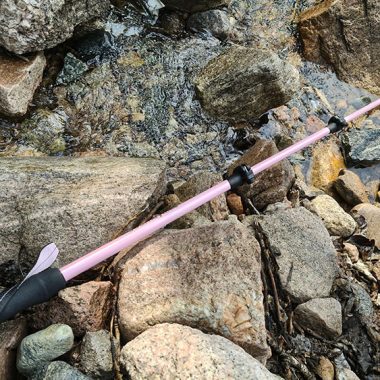
When it comes to running, especially trail running, ultramarathons, or demanding terrains, the choice of equipment can significantly impact performance and comfort. Among the various gear options, carbon running poles have gained notable popularity. But the ultimate question remains: Are carbon running poles worth it? This in-depth article explores the benefits, drawbacks, technical insights, and practical advice regarding carbon running poles, helping you make an informed decision.
The Rise of Carbon Running Poles in Modern Running Culture – Crafting an Apex Performance Strategy
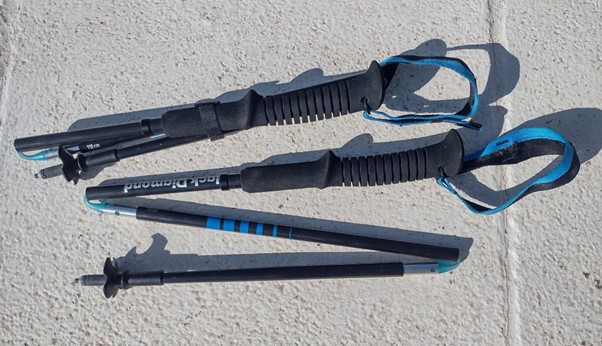
Running poles are no longer just for trekkers or mountaineers—they have seamlessly integrated into the running community, especially among trail runners and ultramarathon enthusiasts. The appeal lies in their lightweight nature and superior performance characteristics. But before delving into whether are carbon running poles worth it, understanding their origins, technological advantages, and evolving role in running attire is crucial.
Traditionally, aluminum poles were the standard choice due to affordability and durability. However, the advent of carbon fiber technology has revolutionized pole manufacturing, offering a compelling blend of rigidity, flexibility, and weight reduction. Carbon poles are engineered for high performance, enabling runners to conserve energy, improve stability, and reduce fatigue over long distances.
The growing trend toward minimalist, high-tech gear is fueled by athletes seeking every advantage possible. Carbon running poles fit into this narrative by promising lightweight handling without sacrificing strength. These innovations are increasingly supported by research indicating that well-designed poles can enhance biomechanical efficiency, reduce joint strain, and provide psychological benefits of improved trail control.
One of the key factors influencing the question “are carbon running poles worth it” is their impact on running economy. For marathon and ultra-distance runners, reducing energy expenditure by a few percentage points can translate into faster times and less fatigue. Therefore, understanding the trade-offs—cost versus benefit—is essential in making a decision aligned with your running goals.
Material Science and Construction: Why Carbon Fiber Sets the Benchmark

When considering the question are carbon running poles worth it, the material construction is fundamental. The core differentiation stems from the use of carbon fiber—a material known for its exceptional strength-to-weight ratio. This section explores how the composition influences performance and durability.
Why Choose Carbon Fiber for Running Poles?
Carbon fiber’s primary advantage is its lightweight design. When comparing materials, the table below clearly illustrates differences in weight and strength: Material Weight (per pair) Flexibility Durability Cost
As the table suggests, carbon fiber substantially reduces weight, enabling runners to carry less load and move more swiftly. Moreover, the rigidity offers improved propulsion and stability on rugged terrain, which is often compromised in aluminum counterparts.
How Are Carbon Running Poles Manufactured?
Manufacturing involves layering thin sheets of carbon fiber fabric, which are then bonded with epoxy resin. The assembly process requires precision to ensure uniform strength distribution and prevent weak points. Advanced techniques like unidirectional fibers and specific layering patterns optimize the poles for bending resistance and torsional stability.
In addition, the design of the pole shaft plays a role in its performance. Many carbon poles feature tapered shafts, which further enhance strength-to-weight characteristics. This meticulous engineering makes a tangible difference in how the poles feel and perform during rigorous running sessions.
Durability and Maintenance of Carbon Running Poles
While carbon fiber is revered for its strength, it isn’t entirely impervious to damage. Impact with rocks, roots, or accidental drops can cause microfractures or cracks, which may compromise structural integrity over time.
However, some advancements have been made to improve durability—such as reinforced tips and protective coatings—allowing runners to push their limits. Routine inspection, proper storage, and cautious handling extend the lifespan of these lightweight marvels. For runners considering are carbon running poles worth it, evaluating long-term durability versus initial cost is essential in assessing value.
Performance Benefits and Practical Usage – Enhancing Your Running Experience
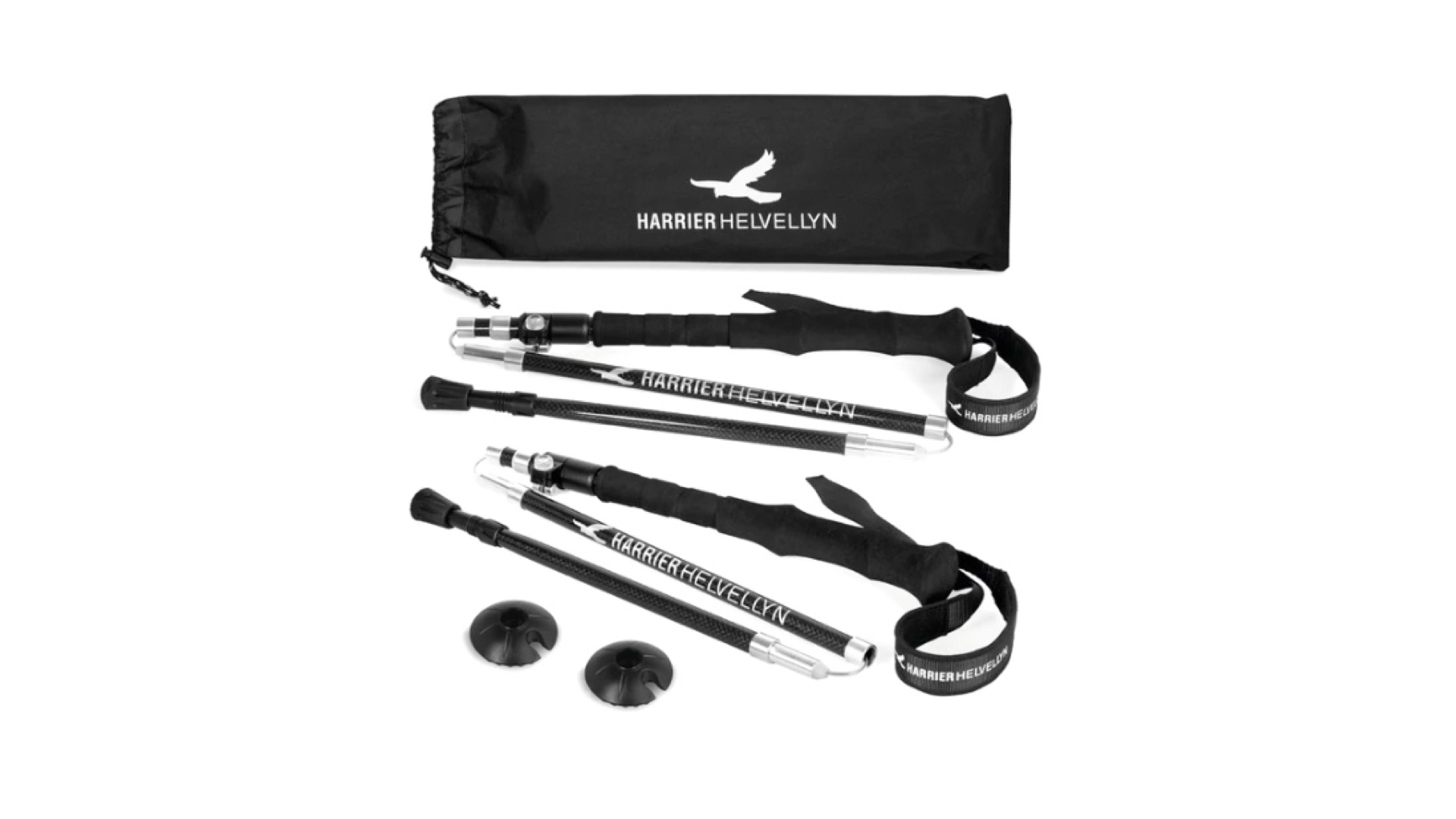
Deciding whether are carbon running poles worth it hinges largely on how they influence your running performance and overall experience. This section delves into real-world advantages, practical usage techniques, and comparisons with other materials.
How Do Carbon Running Poles Improve Running Efficiency?
Running efficiency involves biomechanics—how effectively your body propels forward with minimal energy waste. Properly used poles can distribute effort across upper and lower body muscles, reducing fatigue, particularly in steep ascents or technical terrains.
Carbon poles’ lightweight nature means less fatigue over prolonged periods. They allow a natural rhythm, minimizing arm strain and upper body tension. Some runners report feeling more balanced, especially during downhill sections, thanks to the stability provided by sturdy carbon shafts.
Moreover, poles serve as anchor points on difficult terrain, offering leverage on ascents and stability during descents. This can translate into faster climb times and safer descents, making are carbon running poles worth it especially for trail runners and ultra-distance athletes.
How to Properly Use Carbon Running Poles for Maximum Benefit
Effective utilization of these poles involves technique—how you plant, push, and balance during runs. First, adjust the pole length—generally, when standing upright, your elbows should be at about a 90-degree angle when hands grip the handle.
Focus on a fluid planting motion, planting the pole slightly ahead and then pushing back to propel forward. Engage your core to transfer energy efficiently and avoid over-reliance on upper body strength that can lead to arm fatigue. Practice rhythm—syncing arm movements with your stride—to enhance coordination and smoothness.
On technical terrains, maintain shorter, quicker plantings to maintain stability. Runners should also choose durable, grippy tips suited for varied surfaces—carbide or tungsten tips are common options. Incorporating these practices can reveal how are carbon running poles worth it by significantly improving speed and reducing injury risks.
Comparing Carbon Poles with Other Materials
While carbon is lauded for its benefits, it’s worth comparing the overall performance to other materials like aluminum or composite blends:
| Material | Weight | Flexibility | Cost | Pros | Cons |
|---|---|---|---|---|---|
| Aluminum | Heavier, cheaper | Flexible | Low | Durable, more affordable | Heavier, less efficient |
| Carbon Fiber | Lighter, pricier | Rigid | Higher | Lightweight, strong, efficient | More fragile if mishandled |
| Composite Blends | Moderate | Moderately rigid | Moderate | Balanced performance, cost-effective | Not as strong as pure carbon |
Understanding these differences will help practical consumers decide whether the premium on carbon poles aligns with their budget and performance expectations. For dedicated trail athletes or ultramarathoners, investing in carbon poles often makes sense given the performance upgrades.
Are Carbon Running Poles Worth It? Essential FAQs and Practical Advice
In this section, we address common questions prospective buyers have about the true value of carbon running poles, along with essential advice for maximizing their benefits.
FAQs
Q1: Are carbon running poles worth it for casual runners?
While casual runners may benefit slightly from reduced fatigue, the high cost and potential fragility of carbon poles might outweigh their advantages for non-competitive use. For recreational running on flat terrains, lightweight aluminum poles may suffice.
Q2: How long do carbon running poles typically last?
With proper care, carbon poles can last several seasons. Impact damage or microfractures may occur over time, so regular inspection and avoiding rough handling extend their lifespan.
Q3: Can I use carbon running poles on pavement or urban routes?
Yes, but they’re mainly designed for technical terrains. Using them on smooth pavements can lead to unnecessary wear on tips and increased cost without significant performance gains.
Q4: How much do carbon running poles typically cost?
Prices range from $150 to $400 depending on brand, design, and features. This investment reflects their advanced material, engineering, and performance benefits.
Q5: Are there different types of tips suitable for various terrains?
Absolutely. Carbide or tungsten tips are ideal for rocky terrains, while rubber tips are better for urban surfaces. Switching tips enhances pole versatility and longevity.
How to Decide If Are Carbon Running Poles Worth It Fits Your Running Style
Choosing the right equipment ultimately depends on your running style, terrain, and goals. If you frequently run on technical, mountainous terrains or partake in ultramarathons, the lightweight and sturdy nature of carbon poles can significantly improve your efficiency and safety.
For marathon runners in flat urban settings, the added expense may not justify the minimal performance gains. Be realistic about your expectations and evaluate how often you’ll use the poles. Practical advice includes trying out different brands, testing various lengths, and consulting experienced trail runners.
In all cases, investing in quality and well-maintained gear yields better results. If you prioritize performance, weight reduction, and reducing fatigue, the answer are carbon running poles worth it might be a resounding yes.
Conclusion
In weighing the question are carbon running poles worth it, it’s clear they offer compelling advantages in terms of weight, stability, and performance optimization, especially for dedicated trail and ultra-distance runners. Their construction from carbon fiber provides unmatched strength-to-weight ratio, making them invaluable in demanding terrains. However, their higher cost and fragility call for careful consideration, especially for casual or urban runners. Proper usage, maintenance, and understanding your specific running needs are essential in determining whether these advanced poles are a worthwhile investment. Ultimately, for serious athletes seeking every possible performance edge, carbon running poles can make a substantial difference, justifying their premium price tag.
Deciding are carbon running poles worth it depends on your goals, terrain, and commitment to trail running. As technology advances, their benefits continue to grow, making them a top choice for those aiming for maximum efficiency and safety. Whether you’re a seasoned ultrarunner or a weekend trail enthusiast, understanding their material science, performance advantages, and proper usage positions you to make the best decision tailored to your needs.