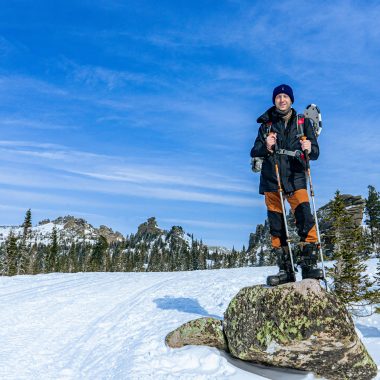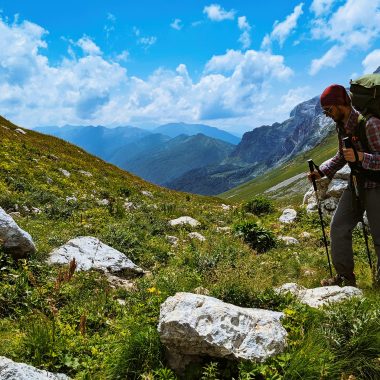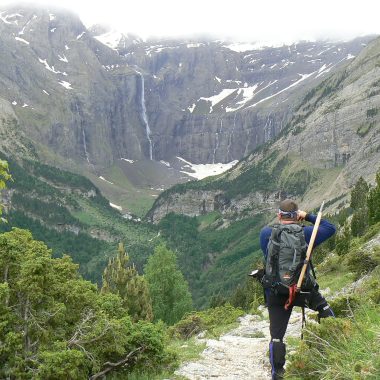
When preparing for an adventurous hike, it’s crucial to consider your safety and well-being. One of the key aspects of this preparation is knowing what to pack first aid for hiking. Having a comprehensive first aid kit can make a significant difference in case of an emergency, ensuring that you and your companions can manage injuries efficiently.
Understanding the Importance of a First Aid Kit for Hiking
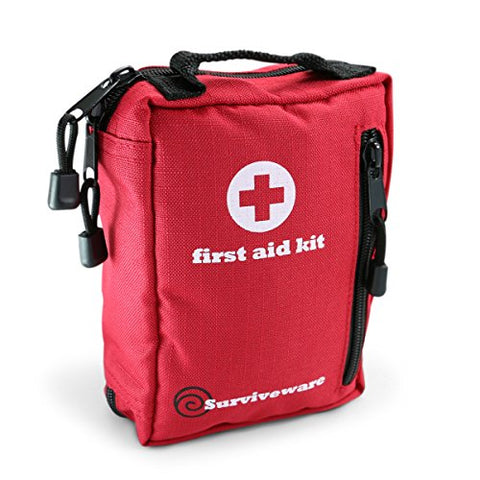
Before we discuss the specific items to include in your first aid kit, it’s important to understand the reasons why such a kit is essential for any hiking trip.
Why Carry a First Aid Kit on Hikes?
Hiking often takes you away from easily accessible medical facilities. The likelihood of minor to moderate injuries increases in remote areas due to uneven terrain, wildlife encounters, or even just the strains of physical activity.
Common Hiking Injuries
Injuries can range from blisters and sprains to cuts and bites. Here are some common examples:
- Blisters: Aproduct of friction, blisters can be debilitating on hikes.
- Sprains and Strains: These occur when the ankle twists or muscles are strained, particularly over rocky terrain.
- Lacerations and Cuts: Often from slips, falls, or sharp foliage.
- Insect Bites: Encountering insects can lead to allergic reactions or infections.
- Heat Exhaustion: Particularly on warmer days, it’s crucial to address heat-related illnesses as soon as they arise.
The Benefits of Packing a First Aid Kit
Packing a first aid kit is not just about safety; it also provides peace of mind. Knowing that you have the tools to handle minor issues can significantly enhance your enjoyment of the hike, allowing you to focus on the beauty around you rather than potential risks.
Key Components of a First Aid Kit for Hiking
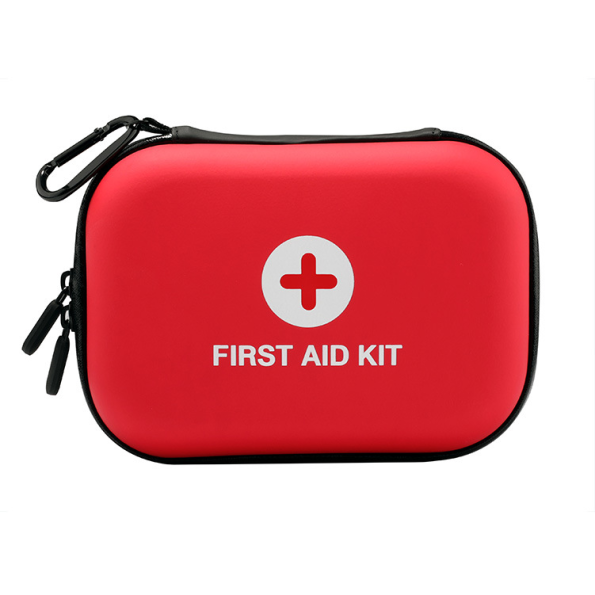
Now that you understand the importance, let’s delve into what you should actually pack.
Basic Supplies
Having the right foundational supplies can be a lifesaver. These supplies form the backbone of your first aid kit.
- Adhesive bandages: For small cuts and blisters.
- Gauze pads: To train larger wounds.
- Adhesive tape: To secure gauze pads.
- Antiseptic wipes or solution: To sanitize wounds before treating them.
- Antibiotic ointment: To prevent infection after cleaning.
Specialized Equipment
In addition to the basics, you should include specialized items tailored to the hiking experience.
- Elastic bandage: Useful for sprains or strains.
- Splint material: Essential in case of a serious injury to stabilize fractures.
- Emergency blanket: Lightweight and can trap body heat if someone is injured and in shock.
Medications and Other Essentials
A few medications could come in handy for minor ailments that occur during hikes.
- Pain relievers (Ibuprofen or Acetaminophen): Useful for headaches or muscle soreness.
- Allergy medication (Antihistamines): Essential in case of unexpected allergic reactions.
- Hydrocortisone cream: Provides relief for itchiness from insect bites or rashes.
Organizing Your First Aid Kit
It’s crucial not just to have all these items, but to organize them efficiently for quick access. Consider using:
- A waterproof bag or container.
- Labeling inner pouches for quick identification.
How to Use What You Pack in Your First Aid Kit for Hiking
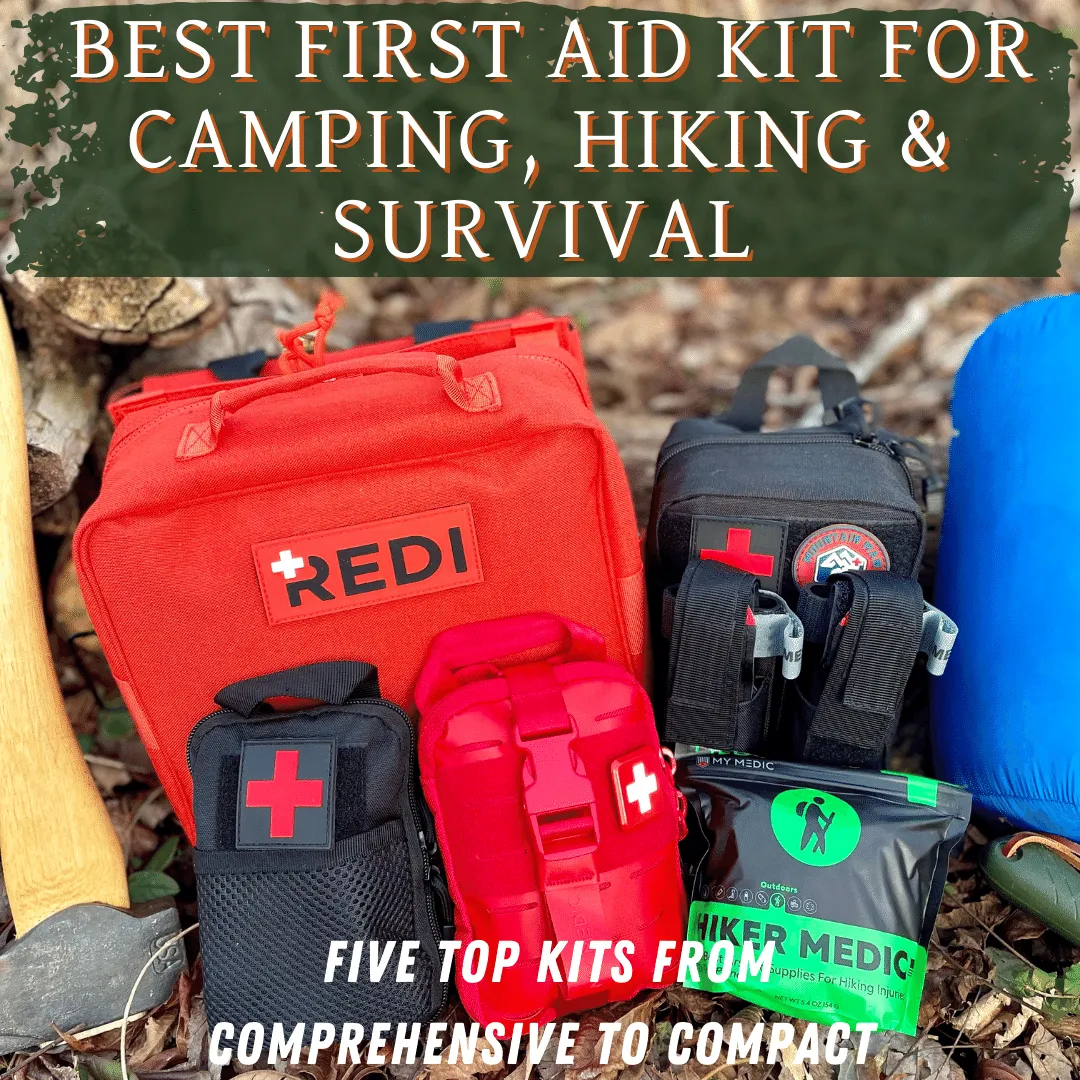
Understanding how to effectively use the contents of your first aid kit adds an extra layer of preparedness to your hiking experience. Let’s walk through some practical applications.
Treating Common Injuries
Knowing the treatment for various common hiking injuries can greatly enhance the effectiveness of your kit.
- Blisters: Clean the area gently with antiseptic wipes, cover with an adhesive bandage, and if needed, use a blister pad for more cushioning.
- Sprains: The R.I.C.E method (Rest, Ice, Compression, Elevation) is crucial. Use your elastic bandage for compression and support.
- Cuts and Lacerations: Clean with antiseptic, apply antibiotic ointment, and cover with gauze pad secured with tape.
Handling Allergic Reactions
In case of an allergic reaction, often indicated by swelling, itchiness, or difficulty breathing:
- Administer antihistamines immediately.
- If there’s severe swelling or difficulty breathing, consider calling for help and utilizing your emergency blanket to keep the person warm while you wait.
Recognizing Heat Exhaustion
Preventing and recognizing heat exhaustion is particularly important in warmer months. Symptoms include heavy sweating, weakness, and confusion.
- Move the individual to a cooler area.
- Have them lie down and elevate their legs.
- Administer water slowly as they recover.
Comparing Different First Aid Kits for Hiking
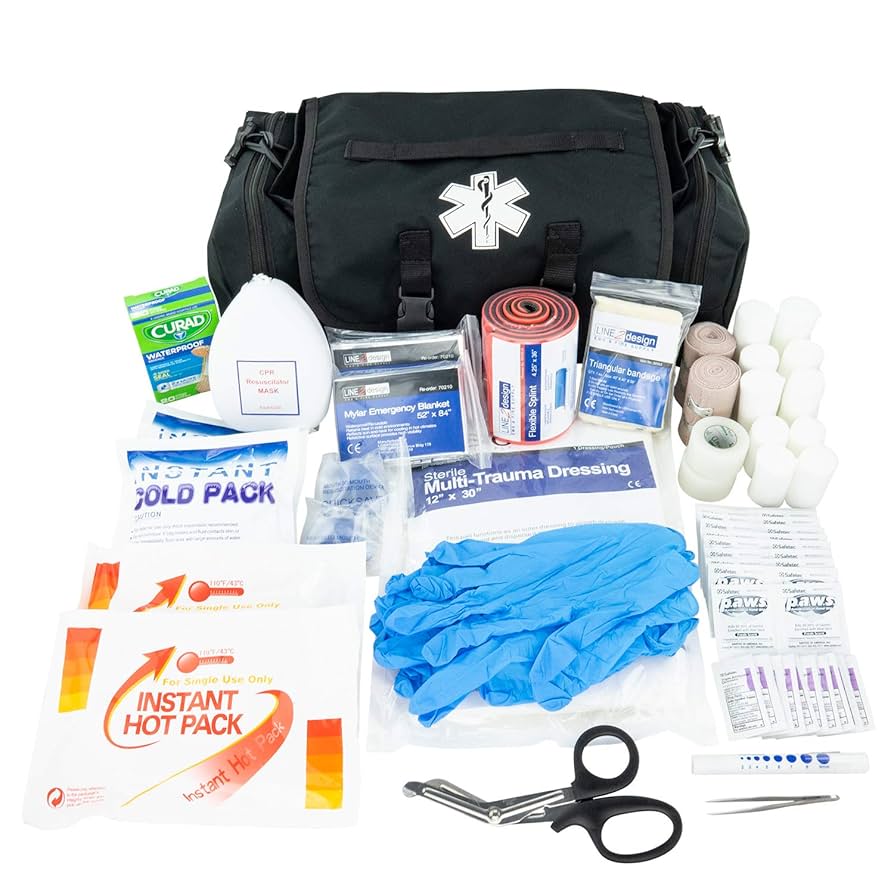
There are numerous options available when it comes to purchasing a first aid kit. Here, we’ll analyze some popular choices to help you understand the differences and what might best suit your hiking needs.
Pre-Made Kits vs. DIY Kits
- Pre-Made Kits:
- Pros: Convenience in packaging and potentially a wider selection of items tailored for outdoor activities.
- Cons: May contain items that you won’t use or lack some essentials.
- DIY Kits:
- Pros: Tailored to your specific needs. You can only include the items that are relevant to your hiking style or common injuries you experience.
- Cons: Takes time and effort to assemble and may require knowledge of first aid.
Portable Kits vs. Comprehensive Kits
- Portable Kits:
- Pros: Lightweight and easy to carry on shorter hikes or day trips.
- Cons: Might not include all necessary items for prolonged hikes or complex injuries.
- Comprehensive Kits:
- Pros: More exhaustive in terms of supplies, better for long trips or remote hikes.
- Cons: Heavier and bulkier, which could be a disadvantage on lightweight outings.
Factors to Consider in Your Choice
- Nature of the terrain.
- Duration of the hike.
- The size of your group.
- Pre-existing medical conditions of hikers.
FAQs
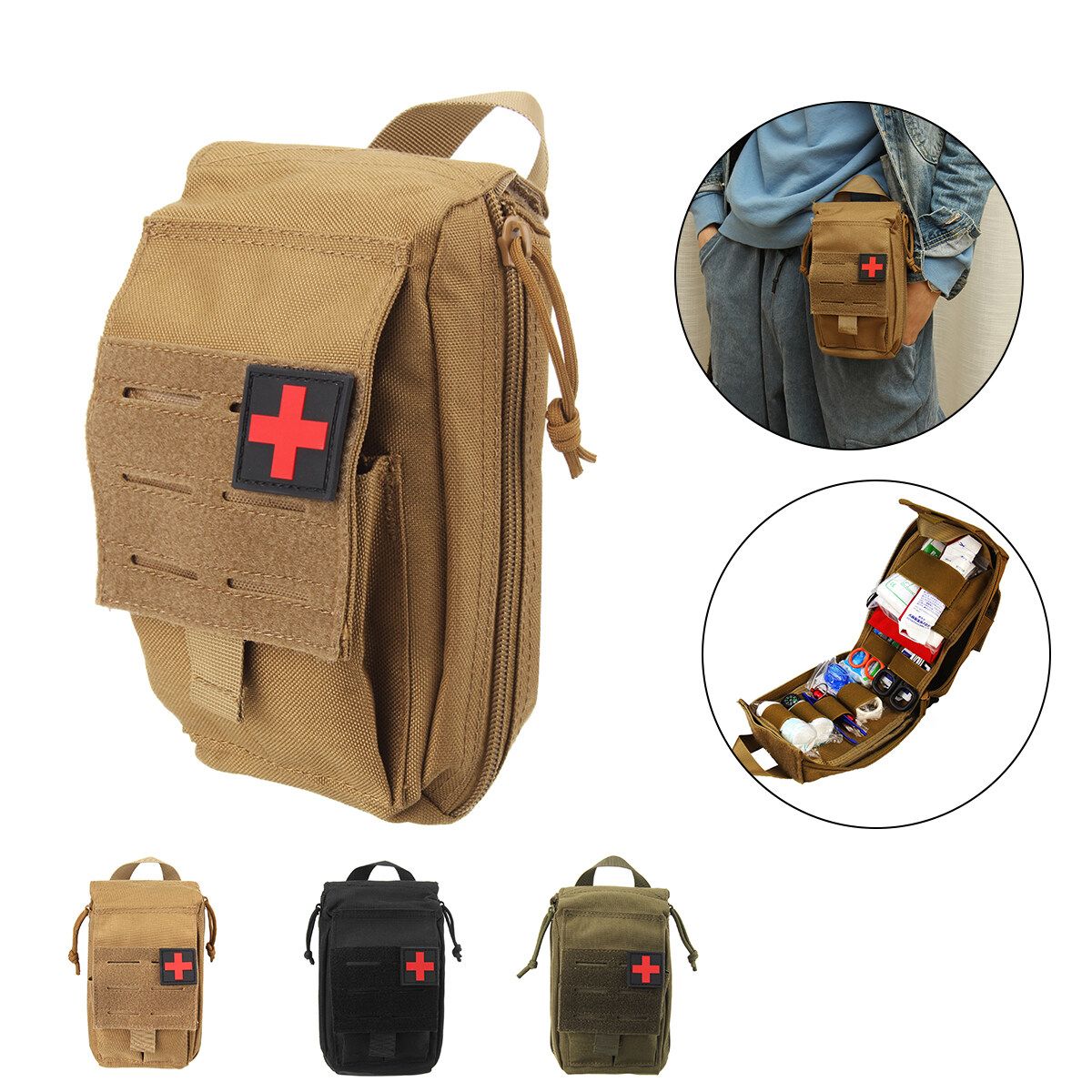
What are the must-have items in a hiking first aid kit?
The must-haves include adhesive bandages, antiseptic wipes, gauze pads, pain relievers, and an elastic bandage for sprains.
How do I prevent injuries while hiking?
Wear appropriate footwear, stay hydrated, and always adhere to marked trails to reduce risks of injury.
Is it necessary to take CPR training before hiking?
While not many hikers feel it’s necessary, knowing CPR can be a lifesaver in emergencies, especially in remote locations.
Are there allergy medications recommended for hikers?
Antihistamines are highly recommended to handle unexpected allergic reactions, particularly in environments with various allergens.
Where can I buy ready-made first aid kits for hiking?
Many outdoor supply stores, pharmacies, and online retailers offer pre-made kits that cater specifically to hiking and outdoor activities.
Conclusion
Packing for a hike is about more than ensuring you have your snacks and hydration; it’s about being prepared for the unexpected. What to pack for first aid while hiking should include essential supplies that can help you address common injuries quickly and effectively. From understanding the key components of a first aid kit to practical applications and comparisons of various options, being informed can ensure you have peace of mind during your adventures in the great outdoors. Safety starts with preparation, and a well-thought-out first aid kit is an essential part of that preparation. Explore the wilderness confidently, knowing you are equipped to handle the unexpected.