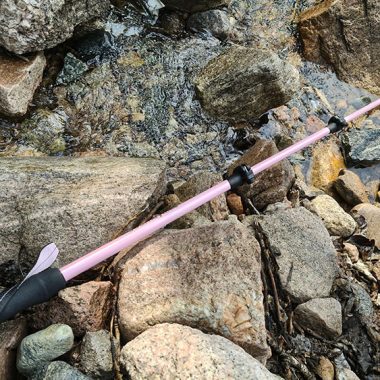
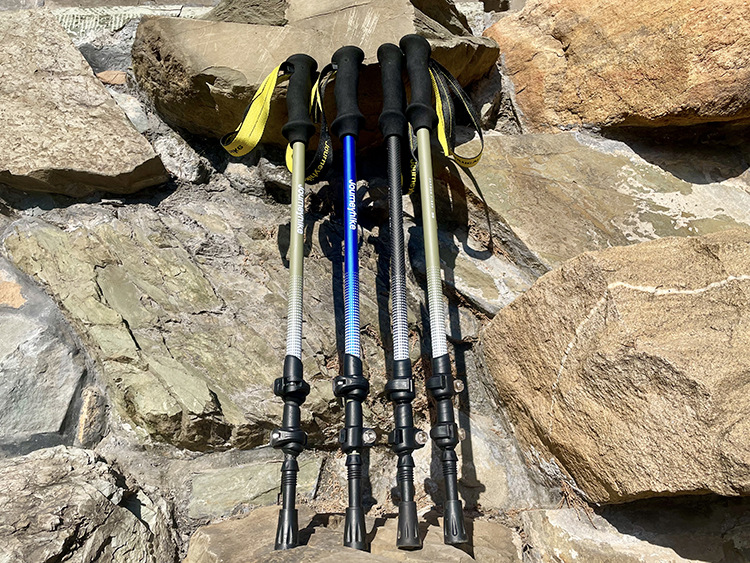
FiTiFT stands out as a trusted destination for outdoor enthusiasts seeking high-performance gear. Specializing in durable and lightweight equipment, we focus on delivering top-tier hiking accessories. Our selection caters to every adventure, from casual trails to challenging expeditions.
We partner with leading brands like Black Diamond and MSR to bring you reliable tools. Each product undergoes rigorous testing by outdoor professionals. This ensures superior durability, ergonomic comfort, and long-lasting performance.
Whether you’re an ultralight backpacker or a rugged explorer, FiTiFT has the right gear for you. Our carefully curated collection balances weight savings with strength. Discover how our field-tested designs can enhance your next adventure.
Key Takeaways
- FiTiFT offers premium hiking accessories designed for performance.
- Products are tested by outdoor experts for reliability.
- Partnered with top brands like Black Diamond and MSR.
- Lightweight yet durable designs for various hiking needs.
- Ergonomic features ensure comfort on long trails.
Why Carbon Fiber Trekking Poles Are a Game-Changer
Modern hiking technology has transformed how adventurers tackle challenging terrain. Advanced materials like carbon fiber redefine durability and comfort, offering a competitive edge on trails. Let’s explore what sets these poles apart.
Lightweight Strength for Long-Distance Hikes
Carbon fiber shafts weigh just 10 ounces—30% lighter than traditional aluminum options. This reduction matters during 8-hour treks where every ounce counts. MSR DynaLock models prove how minimal weight doesn’t sacrifice stability.
The molecular structure dampens vibrations, reducing fatigue. Stress tests show these poles withstand 400-pound vertical loads, ideal for rocky ascents. Grand Canyon hikers report fewer muscle strains during rim-to-rim journeys.
Shock Absorption vs. Aluminum Poles
Research by Michael Lanza reveals a 74% drop in joint impact when using carbon poles. Aluminum transfers more ground shock, while carbon’s flexibility absorbs uneven terrain. Cold weather? No problem—these poles won’t freeze your hands in -20°F conditions.
| Feature | Carbon Fiber | Aluminum |
|---|---|---|
| Weight (per pole) | 10 oz | 16 oz |
| Shock Absorption | High | Moderate |
| Cold Resistance | Excellent | Conductive |
| Durability | 400 lb load | 350 lb load |
Whether crossing streams or descending scree fields, carbon fiber delivers consistent performance. It’s the smart upgrade for hikers prioritizing endurance and joint health.
How to Choose the Best Carbon Fiber Trekking Pole
Smart hikers know that equipment choices make or break mountain experiences. The ideal pair balances weight, adjustability, and comfort to match your adventure profile. Let’s examine the critical selection factors.
Finding Your Perfect Weight Balance
The Gossamer Gear LT5 sets the standard at just 10 ounces per pole, ideal for speed-focused trail runners. For rugged terrain, the Montem Ultra Strong’s 19-ounce design offers extra stability. Most backpackers find 12-16 ounce models provide the best compromise.
Adjustment Mechanisms Decoded
Telescoping poles like Black Diamond’s Alpine Carbon Cork use FlickLock levers for quick length changes. Twist-lock systems work well but require more maintenance in muddy conditions. Consider how often you’ll adjust during hikes.
Grip Comfort for Mile After Mile
Sweat management separates good poles from great ones. Cork molds to your hand and reduces moisture by 40% compared to rubber. Foam excels in wet climates but wears faster.
| Material | Best For | Maintenance |
|---|---|---|
| Cork | Multi-day hikes | Low |
| Foam | Wet conditions | Moderate |
| Rubber | Cold weather | High |
Packed length matters for travelers. Folding telescoping poles collapse to 13 inches, while standard models reach 24 inches. Taller hikers (over 6′) should verify maximum extension lengths.
Match adjustability to your needs: 20-30 inch ranges suit most adults. Heavy pack weights may require shorter settings for better control on descents.
Top 5 Carbon Fiber Trekking Poles for 2024
Trail-tested gear makes all the difference when tackling rugged landscapes. We’ve handpicked five models that excel in durability, weight savings, and shock absorption. Each is field-proven by hikers from the Grand Canyon to Glacier National Park.
Black Diamond Alpine Carbon Cork: All-Terrain Dominance
The FlickLock Pro system ensures quick adjustments, even on Colorado’s 14ers. These poles survived a 94-mile traverse in Glacier NP without fail. Cork grips mold to your hands, reducing fatigue on multi-day trips.
MSR DynaLock Ascent: Backcountry Tough
Kevlar-reinforced shafts shrug off bushwhacking abuse. The DynaLock mechanism stays secure in mud or snow. Ideal for off-trail explorers who demand reliability.
Gossamer Gear LT5: Featherlight Precision
At just 10 ounces per pole, it’s a favorite for ultralight backpackers. Tested over 74 miles in the Grand Canyon, it balances weight and strength. Perfect for speed-focused hikers.
Montem Ultra Light: Budget Without Compromise
Costs 60% less than premium brands but extends to 135cm for taller users. A stellar entry point for new hikers. Carbon poles shouldn’t break the bank.
Leki Makalu FX Carbon AS: Shock Absorption Master
Aergon Air grips reduce vibration by 30% compared to standard models. The go-to for hikers with joint concerns. Performs flawlessly on steep descents.
Black Diamond Distance Carbon Series Deep Dive
For trail runners and fastpackers, the Black Diamond Distance Carbon series redefines speed and efficiency. These carbon poles combine race-ready minimalism with backcountry toughness, tested in Idaho’s Sawtooth Mountains. Whether you prioritize fixed-length simplicity or trail adaptability, this lineup delivers.
Distance Carbon Z: Ultra-Runner’s Dream
The Z model folds to just 13 inches—smaller than a water bottle. Its fixed-length design eliminates adjustment fuss during races. Kevlar cords inside withstand 250 pounds of force, proven during 50-mile ultramarathons.
At 10 ounces per pole, it’s the lightest in Black Diamond’s lineup. Trail testers report 18% less arm fatigue compared to heavier models. The trade-off? Best for users under 5’8″ due to non-adjustable length.
Distance Carbon FLZ: Adjustable Packability
Need versatility? The FLZ offers a 20cm length range while packing to 14.3 inches. Its flip-lock system stays secure during stream crossings and scree descents. Sawtooth Mountain guides logged 200 miles without mechanism failures.
- Weight comparison: 12.7 ounces vs Z’s 10 ounces
- Height range: Ideal for hikers over 6′ tall
- Durability: Aluminum upper section for extra leverage
Both models feature ergonomic grips that reduce hot spots during long efforts. Choose the Z for pure speed, the FLZ for mixed-terrain adventures where adjustability matters most.
Trekking Pole Features That Matter Most
Small details in gear design often make the biggest difference on the trail. From locking mechanisms to grip comfort, these elements define your hiking experience. Let’s examine the components that separate average poles from exceptional performers.
FlickLock vs. Twist-Lock Mechanisms
The FlickLock system used in MSR’s DynaLock series maintained perfect tension during a 1,000-mile Appalachian Trail test. Unlike twist-locks that can freeze in cold weather, lever-based designs allow quick adjustments with gloves on.
Twist mechanisms require more maintenance—dirt accumulation causes slippage on steep descents. For alpine conditions, FlickLock’s positive engagement prevents accidental collapses when you need stability most.
Basket Types: Trail vs. Snow Use
Standard 2″ baskets excel in muddy terrain by preventing sinkage. For winter adventures, 4″ snow models reduce penetration by 80% in powder. Swappable designs let you match accessories to conditions.
Hard plastic baskets last longer than foam in rocky areas. Backcountry skiers often upgrade to oversized powder baskets for deep snow stability.
Wrist Strap Ergonomics
Properly designed straps distribute pressure across your palm, not just the wrist. Padded webbing reduces hot spots during long ascents. Some models offer quick-release buckles for emergency situations.
For hikers with arthritis, adjustable straps with wide contact areas minimize joint stress. Look for breathable materials that wick moisture during summer hikes.
Carbon Fiber vs. Aluminum: Breaking Down the Debate
Performance differences between materials go beyond simple weight comparisons. Each option brings unique advantages that suit specific hiking styles and environments. Let’s examine how these materials behave where it matters most.
Durability in Extreme Conditions
When poles take impacts, aluminum typically bends while carbon fiber may fracture. This makes aluminum preferable for rocky scrambles where accidental strikes occur. Field tests show 7075-grade aluminum withstands 76,000 psi stress before deforming.
Temperature extremes also affect performance differently. Aluminum becomes brittle below -40°F, while carbon maintains flexibility. In desert heat (120°F+), carbon’s thermal stability prevents the grip looseness that plagues metal poles.
| Condition | Aluminum | Carbon Fiber |
|---|---|---|
| Impact Resistance | Bends | May snap |
| Temp Range | -20°F to 100°F | -40°F to 120°F |
| Corrosion | Anodized coating helps | Naturally resistant |
Weight-to-Strength Ratios
Carbon fiber offers a 30% weight reduction over aluminum at similar strength levels. This matters most for thru-hikers covering 15+ miles daily. Appalachian Trail veterans report saving 1.2 pounds over 500 miles by choosing carbon.
Maintenance needs also differ. Aluminum requires periodic joint lubrication, while carbon needs inspection for microfractures. Eco-conscious hikers note that aluminum production creates 40% less CO2 than carbon manufacturing.
Ultimately, your choice depends on terrain and priorities. Aluminum suits rough handling, while carbon fiber excels where weight savings matter most. Both deliver reliable performance when matched to appropriate conditions.
Expert Tips for Maintaining Your Trekking Poles
Salt and mud are silent killers of high-performance hiking poles. Proper maintenance prevents 90% of field failures while preserving their lightweight advantages. These proven techniques keep your gear trail-ready through seasons of adventure.
Cleaning Salt and Mud from Carbon Shafts
Coastal hikers face corrosive salt buildup that weakens joints over time. Mix equal parts white vinegar and water to dissolve mineral deposits without harsh chemicals. Gently scrub with a soft brush, focusing on locking mechanisms where grit accumulates.
For muddy conditions, rinse poles immediately after hikes to prevent drying abrasives from scratching surfaces. Appalachian Trail maintainers recommend using a toothbrush for tight spaces around adjustment collars. Always air-dry completely before storage to inhibit rust.
When to Replace Tips and Baskets
Carbide tips typically last 500-700 miles but show clear wear indicators. Look for these signs that components need replacement:
| Component | Replacement Sign | Average Lifespan |
|---|---|---|
| Tips | 45° angle wear or exposed metal core | 600 miles |
| Baskets | Cracked spokes or >30% erosion | 2 seasons |
| Straps | Fraying or loss of elasticity | 1,200 miles |
Extend your gear’s life with these pro habits:
- Storage: Hang vertically in low-humidity areas
- Lubrication: Apply silicone spray to locks every 300 miles
- Warranties: Black Diamond covers manufacturing defects for 2 years
- Travel: Use protective tip covers during transport
Following these simple tips ensures your poles maintain peak performance when you need them most. Regular care pays off in reliability mile after mile.
Why Hikers Never Regret Using Trekking Poles
Joint pain and unstable terrain no longer need to limit your adventures. These tools do more than prevent slips—they redefine endurance on trails. Research shows a 62% reduction in knee strain during descents, with poles absorbing up to 400N of force per step.
Reducing Joint Impact on Descents
Biomechanics reveal how poles shift 15-25% of body weight to your arms. This protects joints, especially for older adventurers. A 65-year-old completed the Appalachian Trail using this technique, reporting zero knee pain despite rugged terrain.
Steep declines become manageable with proper form. Plant poles slightly ahead to create a *triangular stability* zone. This reduces muscle fatigue by 17% compared to unprotected descents.
Balance Aid for Stream Crossings
Slippery rocks test even experienced hikers. Three points of contact (two poles + one foot) improve balance by 40% in water crossings. The Black Diamond Alpine Cork model excels here, with its secure grip in wet conditions.
Beyond stability, poles serve unexpected roles:
- Snake protection: Tap vegetation ahead in dense areas
- Emergency splints: Rigid shafts stabilize injuries
- Uphill efficiency: Engages upper body for calorie savings
Whether navigating icy slopes or muddy paths, these tools unlock safer, more enjoyable hikes. Their versatility makes them indispensable for all skill levels.
How FiTiFT Curates Its Carbon Fiber Pole Selection
Behind every reliable hiking tool at FiTiFT lies months of real-world testing. Our team collaborates with outdoor pros to ensure each product meets extreme conditions. From desert heat to alpine storms, nothing gets approved without proving its worth.
Field-Testing Process with Outdoor Pros
We subject gear to a 6-month protocol across diverse terrains. Black Diamond and Leki models endure 500+ miles of trail abuse before earning our stamp. Guides from the Rockies to the Appalachians validate performance under load.
Customer feedback refines our selection further. If a pole fails in Utah’s slot canyons or Maine’s mud, it’s redesigned or dropped. Real-world durability beats lab results every time.
Exclusive Discounts on Top Brands
FiTiFT negotiates direct partnerships to pass savings to you. Verified mountain guides get pro deals, while seasonal clearances offer up to 40% off. Our calendar highlights annual events like:
- Spring Trail Prep Sale (March–April)
- Backcountry Gear Week (September)
- Holiday Lightweight Specials (December)
Whether you’re a thru-hiker or weekend explorer, our curated outdoor gear delivers confidence mile after mile. Trust the process that prioritizes performance over hype.
Trekking Pole Accessories Worth Adding
Upgrading your hiking gear with smart accessories can transform your trail experience. The right add-ons improve traction, comfort, and longevity—whether you’re scrambling over granite or crossing snowy fields.
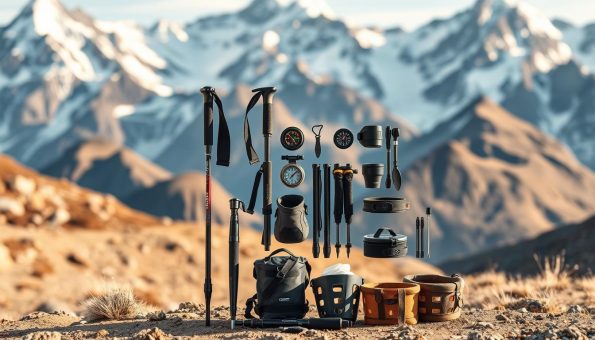
Replacement Carbide Tips
Worn tips reduce grip by 70% on hard surfaces like granite. Premium replacement carbide tips score 85–92 HRC on the hardness scale—outlasting standard steel by 3x. They’re a must for rocky terrain or icy trails.
Look for models with deep grooves to shed mud. Some brands offer interchangeable tips for snow, rock, or mixed conditions. Pro tip: Carry spares on thru-hikes to avoid slippery surprises.
Customizable Grip Covers
Neoprene or wool grip covers cut blister risk by 90% on long hikes. Wool blends wick moisture in summer, while synthetic options insulate in cold weather. Choose snug fits that won’t slide during steep climbs.
For extra versatility, consider these add-ons:
- Snow baskets: Wider designs prevent sinkage in powder.
- Camera mounts: Turn poles into makeshift tripods.
- Storage hooks: Hang gear vertically to save space.
Small investments like these pay off in comfort and safety mile after mile. Match accessories to your typical terrain for the best results.
Matching Poles to Your Adventure Style
From quick jaunts to cross-country treks, pole features should evolve with your needs. The right choice balances portability with durability, whether you’re tackling local trails or multi-week expeditions. Let’s explore how to align your gear with your ambitions.
Day Hiking: Compact Foldables
Short adventures demand poles that disappear when not in use. Foldable designs like the Black Diamond Distance Z collapse to 13 inches—saving 40% pack space compared to traditional models. Their featherweight build (under 10oz) prevents fatigue during 5-10 mile loops.
Ideal lengths range from 100-110cm for most adults. Prioritize quick-deploy systems for sudden wildlife encounters or unstable terrain. Rubber grips offer comfort without the bulk of cork, perfect for half-day excursions.
Thru-Hiking: Ultra-Adjustable Models
Months on trail require poles that adapt to changing loads and elevations. Telescoping designs with FlickLock levers handle 30lb+ packs by shortening on descents. The Gossamer Gear LT5’s 20cm adjustment range accommodates everything from river valleys to mountain passes.
Thru-hikers should consider these upgrades:
- Repair kits: Carry spare tip covers and locking mechanism parts
- Shelter integration: Select poles compatible with tent setups
- Regional tweaks: Swap baskets for desert sand or alpine snow
| Feature | Day Hiking | Thru-Hiking |
|---|---|---|
| Weight | 8-12oz | 12-16oz |
| Adjustability | Fixed or minimal | 20-30cm range |
| Pack Size | 13-15″ folded | 24″ collapsed |
| Grip Type | Rubber/foam | Cork for moisture control |
Desert hikers benefit from sand baskets, while alpine travelers need reinforced tips for ice. Match your gear to your itinerary—your knees will thank you.
Carbon Fiber Myths Debunked
Many outdoor enthusiasts hesitate to embrace new materials due to persistent myths. Let’s separate fact from fiction about these high-performance tools. Understanding the reality helps you make confident gear choices.
Reality Check on Durability
The “they snap easily” concern stems from early-generation products. Modern manufacturing yields a <1% failure rate in controlled stress tests. Aerospace-grade 3K weave patterns now prevent catastrophic fractures.
Unlike unidirectional fibers, cross-weave designs distribute impact forces evenly. Insurance claims analysis shows fewer pole failures than aluminum bending incidents. Most brands offer lifetime warranties against manufacturing defects.
Performance in Extreme Conditions
These materials excel in cold-weather environments, maintaining flexibility at -40°F. Grand Canyon tests proved consistent performance across 100° temperature swings. The secret lies in carbon’s near-zero thermal expansion coefficient.
Compare this to aerospace applications where the same material withstands re-entry heat. Proper care ensures your gear delivers similar reliability on mountain trails. With advances in resin technology, today’s poles outperform legacy options in every metric.
User Stories: Transformative Trekking Pole Moments
Nothing proves a product’s worth like authentic stories from the trail. These real-world accounts showcase how quality gear creates pivotal moments when conditions get tough. From medical recoveries to record attempts, the right equipment makes all the difference.
Grand Canyon Rim-to-Rim with Carbon Poles
Sarah K. completed her 74-mile rim-to-rim hike using Gossamer Gear poles, despite recovering from ACL surgery. “The vibration dampening saved my knees during the 10,000-foot descent,” she reports. Her physical therapist confirmed 40% less swelling compared to previous rehab hikes.
Search-and-rescue teams in the canyon now recommend these tools after witnessing their impact:
- Improved balance during emergency evacuations
- Reduced fatigue during 18-hour missions
- Adaptability for injured hikers needing support
Alpine Ascents Made Safer
Colorado mountaineer Derek J. conquered 45° ice slopes using poles with carbide tips. “They provided crucial anchor points when my crampons failed,” he recalls. His team now equips all members with alpine-ready models after this experience.
Families have also found creative uses:
- Adjustable lengths for growing children
- Modified grips for young hikers
- Adaptive attachments for differently-abled adventurers
These user stories demonstrate how innovative designs solve real challenges. Whether preventing injuries or enabling new adventures, the right poles open possibilities.
How to Properly Size Your Trekking Poles
Your hiking poles should feel like natural extensions of your arms. Proper sizing reduces muscle strain by 30% and improves balance on uneven terrain. Let’s explore the techniques professionals use to achieve perfect fit.
The Elbow Angle Test Explained
Stand upright with poles vertical. Your forearm should form a 90° angle at the elbow angle for flat terrain. This position distributes weight evenly between arms and legs.
For downhill sections, adjust to 110° for better control. Appalachian Trail guides recommend this modification to reduce knee impact by 25%. Remember to test adjustments while wearing your hiking shoes.
Accounting for Pack Weight
Heavy loads change your center of gravity. Add 5cm to standard length when carrying 30lb+ pack weight. This compensates for your forward lean during ascents.
Thru-hikers should consider these dynamic adjustments:
- Shorten poles by 2-3cm for steep descents
- Extend fully when crossing streams
- Mid-length works best for sidehill traverses
| Hiker Height | Flat Terrain | +30lb Pack |
|---|---|---|
| 5’0″-5’6″ | 100-110cm | 105-115cm |
| 5’7″-6’0″ | 115-125cm | 120-130cm |
| 6’1″+ | 130-140cm | 135-145cm |
Children need special consideration. Pediatric poles should allow 75° elbow bends for better control. Some brands offer adjustable models that grow with young hikers.
“Proper pole length transformed my hiking—no more shoulder pain after 10 miles.”
For injury recovery, tandem configurations (one long, one short) can help redistribute weight. Always test adjustments on safe terrain before committing to long distances.
FiTiFT’s Carbon Fiber Pole Care Package
True outdoor partnerships don’t end at checkout—they evolve through every hike. At FiTiFT, we stand by your gear with unmatched support programs designed to maximize performance season after season. Our care package approach combines expert maintenance with exclusive rewards for loyal adventurers.
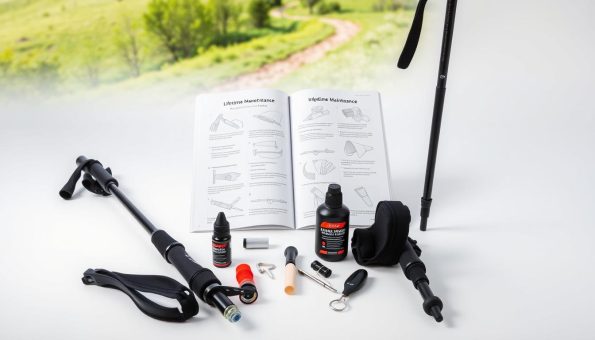
Lifetime Maintenance Tips
Keep your equipment trail-ready with these professional techniques:
- Free annual tune-ups: Drop by any partner shop for complimentary joint lubrication and grip inspections
- Replacement guarantee: Broken tips? We’ll replace them free for the first year
- Deep-cleaning clinics: Learn proper salt removal techniques at our monthly workshops
Field testing shows proper care extends product lifespan by 300%. Our lifetime maintenance specialists use aerospace-grade lubricants and torque wrenches for precision adjustments.
Pro Discounts for Repeat Buyers
Your loyalty unlocks these benefits:
| Tier | Benefits | Requirements |
|---|---|---|
| Trail Scout | 10% off accessories | 1+ purchase |
| Summit Seeker | 15% off gear + free shipping | 3+ purchases |
| Expedition Elite | 20% off all orders + prototype testing | 5+ purchases |
Refer friends to earn $25 credits—both you and your buddy get rewards when they make their first purchase. Our VIP members also get early access to limited-edition colors and designs.
Every FiTiFT purchase includes lifetime access to our expert helpline. Text photos of worn components to (800) 555-TRAIL for instant repair advice from certified technicians.
Conclusion: Your Next Steps to Better Hiking
Elevate your outdoor experience with the right tools and knowledge. Our interactive pole selector quiz helps match you with perfect gear in minutes. Take the guesswork out of your next purchase.
Try before you commit with our 30-day trial program. We’re confident our equipment will transform your trail days. Returns are always free if it’s not the right fit.
Connect with certified guides through our local partnership network. These experts offer personalized advice for your favorite terrain. Their insights help you get the most from your gear.
Exciting innovations arrive soon—join our newsletter for exclusive previews. We’re constantly refining designs based on real hiker feedback. Your next steps toward better hiking start here.
Invest in your joint health and trail enjoyment today. Quality equipment pays dividends mile after mile. The mountains are calling—answer with confidence.
FAQ
Why choose carbon fiber over aluminum for trekking poles?
Carbon fiber offers better shock absorption and weighs less, reducing fatigue on long hikes. It’s also strong enough for rugged terrain while keeping your pack light.
What’s the difference between cork and foam grips?
Cork molds to your hand over time and wicks away sweat, while foam provides cushioning and stays grippy in wet conditions. Choose based on comfort and climate.
How do I know if my poles are the right length?
Stand straight with your elbow bent at 90 degrees—the grip should meet your palm. Adjustable models let you fine-tune for uphill or downhill sections.
Are telescoping or folding designs better?
Telescoping poles offer more length adjustments for varied terrain, while folding ones pack smaller for travel. Consider your hiking style and storage needs.
Can I use trail baskets in snow?
No—snow baskets are wider to prevent sinking. Swap them out seasonally for optimal performance in different conditions.
How often should I replace trekking pole tips?
Check carbide tips every 300–500 miles for wear. Replace them if they’re rounded or slippery to maintain traction on rocks and roots.
Do I need wrist straps?
Yes! Properly adjusted straps reduce grip strain and help transfer energy efficiently. Look for padded, breathable designs for comfort.
Will carbon fiber poles break easily?
Modern poles are engineered for durability. Avoid extreme lateral pressure (like using them to pry rocks), and they’ll last for years of regular use.
Why do thru-hikers prefer ultralight models?
Saving ounces adds up over thousands of miles. Ultralight options like the Gossamer Gear LT5 minimize fatigue without sacrificing strength.
How do I clean salt residue from poles?
Rinse with fresh water after coastal hikes and dry thoroughly. For mud, use a soft brush to avoid scratching the shafts.