Are carbon trekking poles better? This question has been a topic of much debate among outdoor enthusiasts and hikers, particularly as they seek the best equipment to enhance their adventures. In this comprehensive blog post, we will explore various aspects of carbon trekking poles versus aluminum ones, allowing you to make an informed decision based on your individual needs and preferences.
Introduction: The Trekking Pole Material Debate – Carbon Fiber vs. Aluminum

When it comes to hiking or trekking, the choice of gear can significantly impact the overall experience. Among the essential equipment for any hiker are trekking poles, which serve various purposes including stability, support, and comfort during long treks. While many hikers have traditionally relied on aluminum poles due to their affordability and durability, carbon fiber trekking poles have gained popularity in recent years.
Carbon fiber may offer some advantages over aluminum, such as reduced weight and improved shock absorption. But does that make them better? To answer this question, we need to delve deep into both materials. Let’s begin by breaking down the fundamental differences between carbon fiber and aluminum.
Understanding the Materials
Trekking poles are typically constructed using two primary materials: aluminum and carbon fiber. Each material brings its unique characteristics to the table.
Aluminum Trekking Poles
Aluminum is known for its durability and strength. It is often used in budget-friendly trekking poles due to its relatively low cost and ability to withstand rugged conditions. Aluminum poles are often thicker, providing a solid grip and feel during hikes.
However, while aluminum poles do have their strengths, they can also be heavier than their carbon counterparts. Additionally, they may not absorb vibrations as well as carbon, leading to potential discomfort on longer hikes.
Carbon Fiber Trekking Poles
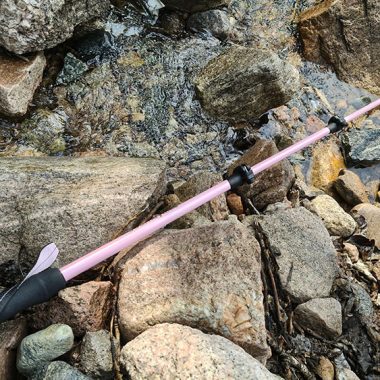
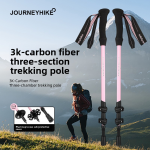
On the other hand, carbon fiber trekking poles tend to be lighter and often feature a more advanced design. Made from woven fibers and resin, carbon poles can offer excellent strength-to-weight ratios. That said, carbon is less flexible compared to aluminum, which can lead to breakage under extreme pressure.
The lightweight nature of carbon fiber allows for easier maneuverability on hikes, making it appealing for those covering long distances or tackling steep terrain. However, they come at a higher price point, raising the question of whether the benefits justify the costs.
Now that we understand the materials, let’s compare their weights in the following section.
Weight Comparison: Are Carbon Trekking Poles Lighter and More Manageable?
One of the standout features often attributed to carbon trekking poles is their weight. Lightweight gear can make a significant difference during extended hikes, where every ounce counts.
The Significance of Weight in Hiking Gear
Hiking with heavy gear can lead to fatigue and discomfort, especially when traversing uneven terrain. A lighter pole allows for improved efficiency, enabling hikers to move quickly and conserve energy. Carbon fiber poles usually weigh between 6 to 10 ounces per pole, while aluminum poles generally range from 12 to 18 ounces.
Practical Implications of Lightweight Design
A lighter trekking pole enables better balance and control. When navigating rocky paths or steep inclines, having poles that don’t weigh you down can increase confidence and reduce the risk of falls.
Moreover, reducing the weight of your pack overall can yield substantial improvements in your hiking experience. On multi-day hikes, lightweight gear minimizes strain on your back and joints, contributing to better endurance.
Personal Insights and Experiences
As someone who has trekked extensively with both aluminum and carbon poles, I can attest to the noticeable differences in weight. During my first hike with carbon poles, I felt an immediate improvement in my agility on the trail.
I vividly remember ascending a challenging mountain path, where I had to scramble over rocks and roots. With the carbon poles, I found myself moving faster and feeling less fatigued. In contrast, my experiences with aluminum poles, while still effective, often left me longing for the reduced burden that lightweight carbon could provide.
While weight is an important factor, let’s consider how durability and lifespan play into the equation.
Durability and Lifespan: Assessing the Strength of Carbon Fiber in Rugged Terrain
Durability is a crucial consideration for any gear used in outdoor environments. As we evaluate whether carbon trekking poles are better, we must consider how they hold up against the wear and tear of rugged terrains.
Testing the Limits of Carbon Fiber
While carbon fiber is often touted for its lightweight nature, it does come with certain limitations regarding durability. It’s vital to note that carbon can be more brittle than aluminum, which means it may crack or snap under excessive force.
For example, if you accidentally lean too heavily on a carbon pole during a fall, you may find it susceptible to damage. This characteristic makes careful handling essential when using carbon trekking poles.
Aluminum’s Robust Nature
On the flip side, aluminum poles boast a reputation for longevity and resilience. They can bend without breaking and can endure rough treatment without catastrophic failure. This makes them ideal for aggressive outdoor activities where poles might get knocked against trees, rocks, or other hard surfaces.
However, aluminum does have its drawbacks. Over time, repeated bending can weaken the structure of aluminum poles, causing them to warp or lose effectiveness.
Evaluating Real-World Performance
In real-world conditions, I’ve witnessed firsthand how both materials perform under stress. During one trip, my friend opted for aluminum poles while I used carbon. While her poles endured the bumps and scrapes of our trek through dense forests, my carbon poles eventually showed signs of wear after a few sharp impacts.
Yet, when it came down to purely weight-based performance, my carbon poles allowed for greater ease of navigation, leading to fewer slips on slippery slopes.
Ultimately, both materials have their pros and cons, making durability and lifespan one of the critical factors in deciding which trekking poles might be the best fit for your outdoors adventures.
Shock Absorption and Comfort: Do Carbon Poles Reduce Strain on Joints?
Another critical aspect when comparing carbon vs. aluminum trekking poles is their ability to absorb shocks and provide comfort during hikes. This component is particularly significant for those who might face challenges related to joint pain or fatigue.
The Role of Shock Absorption
Shock absorption refers to the capacity of trekking poles to minimize vibrations transmitted to your hands and arms. Enhanced shock absorption can help prevent joint discomfort, especially during descents where each step can send jarring forces up through the body.
Carbon’s Advantage in Vibration Damping
Carbon fiber’s structural properties allow it to absorb vibrations effectively. Many users report that carbon poles can feel more forgiving on the wrists and elbows during strenuous hikes. This added comfort can translate to longer, more enjoyable trekking experiences, particularly on downhill sections where impact is amplified.
Personal experiences reflect this trend — during a steep descent, I noticed a marked reduction in the shock transmitted to my arms when using carbon poles. This quality made a world of difference in my overall comfort and endurance.
Aluminum Poles and Their Shock Absorption
Conversely, aluminum poles have limited shock-absorbing capabilities. While they can still mitigate some vibrations, users often find them less comfortable for extended use. Hikers relying solely on aluminum poles may experience increased strain on their bodies, leading to fatigue and discomfort during long hikes.
For individuals with existing joint issues, opting for carbon poles may become even more appealing. Reduced shock transfer can spell the difference between a pleasant hike and a painful ordeal.
Considerations for Joint Health
For anyone with preexisting joint conditions, choosing the right trekking pole material becomes essential. Carbon’s superior shock absorption may alleviate strain on sensitive areas, providing a more enjoyable outdoor experience.
In summary, if you prioritize comfort and joint protection, carbon poles appear to have a clear advantage over aluminum poles.
Cost Analysis: Evaluating the Price Difference Between Carbon and Aluminum Trekking Poles
Price remains a significant deciding factor for many adventurers in selecting trekking poles. Generally speaking, carbon trekking poles come with a higher price tag compared to aluminum alternatives.
Understanding the Cost Factors
Several elements contribute to the pricing differences between carbon and aluminum trekking poles:
- Material Quality: The manufacturing process for carbon fiber is more complex and labor-intensive, resulting in elevated prices for the end product.
- Branding and Features: Premium brands often leverage advanced technology and design, further raising the cost. Features such as adjustable lengths, ergonomic grips, and additional accessories can influence prices.
- Market Demand: Increased demand for lightweight and durable trekking poles has encouraged manufacturers to invest in carbon technologies, further impacting costs.
Price Range Overview
A comparative overview of trekking pole pricing can be summarized as follows:
| Type | Average Price Range |
|---|---|
| Aluminum | $30 to $100 |
| Carbon | $100 to $300 |
Is the Investment Worth It?
While carbon trekking poles represent a larger financial commitment, it’s essential to assess whether the benefits align with your hiking style and frequency. If you frequently embark on multi-day treks or carry heavy packs, the weight savings and comfort advantages may justify the cost.
Conversely, if you’re a casual hiker who enjoys occasional day trips, the lower price point of aluminum poles may be more practical. Ultimately, the value of either option hinges on personal usage patterns and preferences.
Long-Term Value Perspective
Considering the lifespan and durability discussed earlier, carbon poles may prove to be a worthwhile investment if you plan to utilize them regularly over several years.
My own journey with trekking poles included experimenting with different types. Initially, I purchased a set of mid-range aluminum poles, only to realize their limitations during extended hikes. Switching to carbon poles ultimately enhanced my experience, validating the initial investment.
The Verdict: Determining if Carbon Trekking Poles are ‘Better’ for Your Needs
After examining the pros and cons of both carbon and aluminum trekking poles, the conclusion isn’t straightforward. Whether carbon trekking poles are better depends on various factors, including individual needs, preferences, and hiking styles.
Weighing Your Options
To determine which trekking poles might serve you best, consider the following questions:
- How often do you hike, and what type of terrain do you encounter?
- Are you prioritizing weight, comfort, or budget constraints?
- Do you have specific needs related to joint health or endurance?
Answering these questions will guide you toward selecting the right poles for your adventurous journeys.
Reflecting on Personal Experiences
From my perspective, carbon poles have earned their place in my gear collection due to their lightweight benefits and superior shock absorption. However, I recognize that aluminum poles still hold merit for those looking for solid durability at a more approachable price point.
Conclusion
Both carbon and aluminum trekking poles bring valuable attributes to the table, but the “better” choice depends on individual needs and circumstances. By understanding the nuances of weight, durability, shock absorption, and cost, you can confidently decide which trekking poles will enhance your outdoor adventures. Ultimately, the best trekking pole is one that aligns perfectly with your hiking style, ensuring that every journey is memorable and enjoyable.