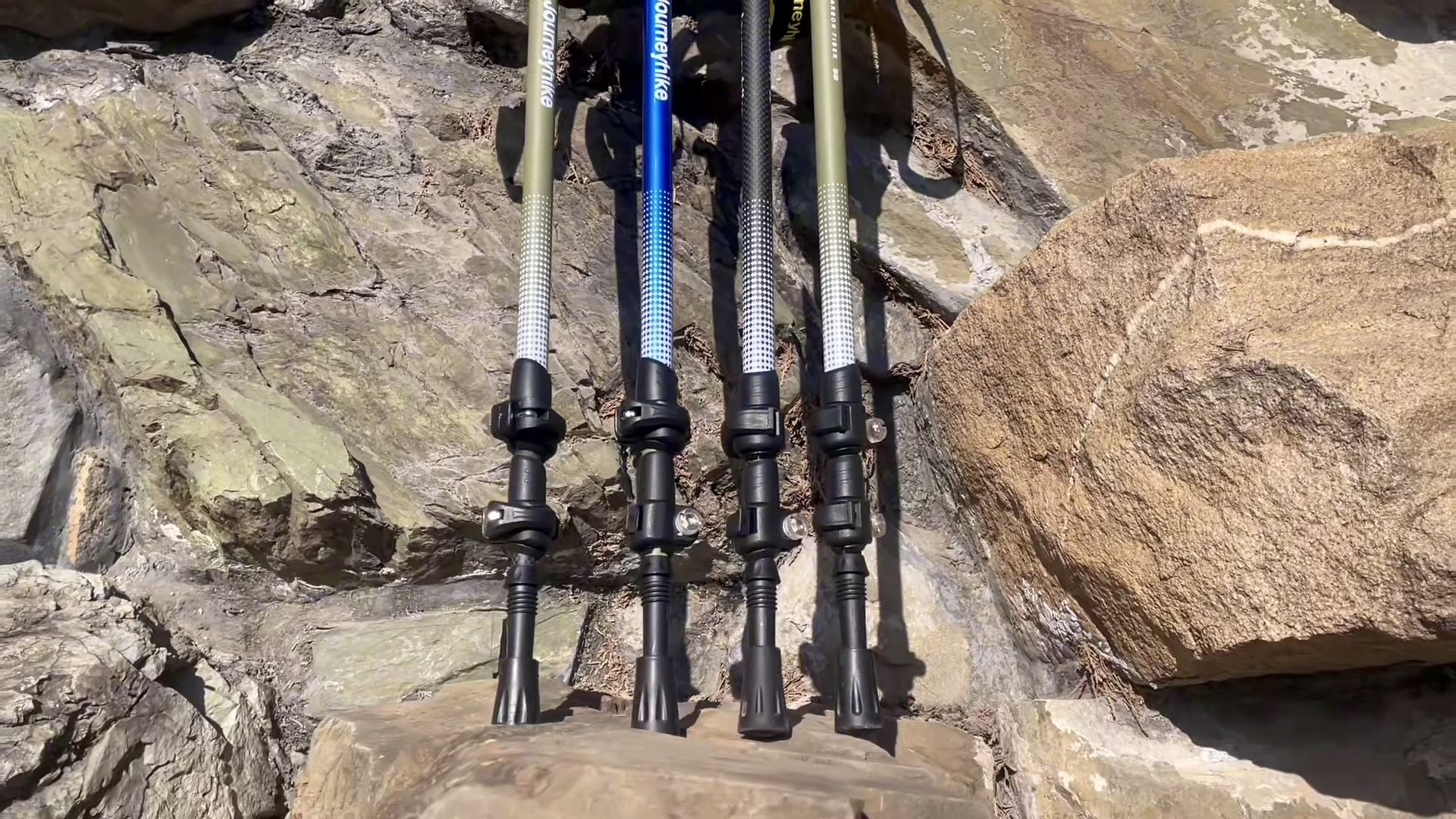
Choosing the right gear can make or break your outdoor adventure. When it comes to support on rough terrain, two materials dominate the market: aluminum and carbon fiber. Each has unique strengths, making the decision a matter of personal preference and hiking style.
Aluminum models are known for their durability and affordability. They handle heavy loads well and resist bending under pressure. On the other hand, carbon fiber options are lighter, reducing fatigue on long trails. They also absorb vibrations better, offering a smoother experience.
FiTiFT specializes in high-performance carbon fiber designs, perfect for those prioritizing speed and comfort. Whether you’re tackling steep climbs or multi-day trips, understanding these differences ensures you pick the best tool for your journey.
Key Takeaways
- Aluminum poles are durable and budget-friendly.
- Carbon fiber is lighter and reduces arm strain.
- Material choice affects weight, durability, and shock absorption.
- FiTiFT focuses on advanced carbon fiber technology.
- Consider terrain and trip length when selecting.
Why Use Trekking Poles?
Smart hikers know that proper equipment enhances performance and safety. Adding support to your gear list can significantly improve your experience on the trail. Here’s how:
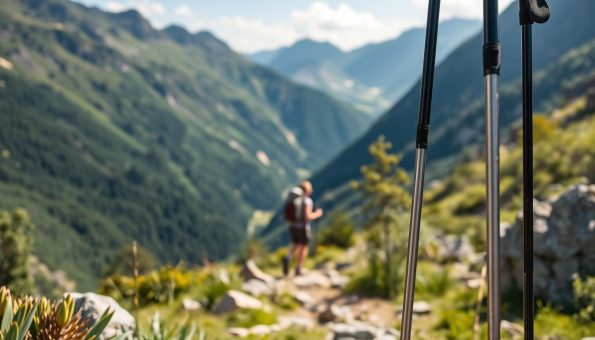
Joint Protection: Research shows these tools redistribute 20-30% of your body weight, easing pressure on knees and hips. A study by Outdoor Gear Lab confirms they reduce strain during long descents.
Stability on Tough Terrain: Slippery mud, loose rocks, or snowy paths become less daunting. The extra contact points boost balance, preventing slips and falls.
Endurance Boost: Uphill climbs feel lighter, and controlled descents save muscle energy. Over time, this means less fatigue and more miles covered.
“Hikers using support reported 25% less muscle soreness post-trek.” —
Beyond the Obvious: They’re versatile—test water depth, push aside thorny plants, or even deter curious wildlife. A must-have for multi-day adventures.
Whether you’re a weekend warrior or a thru-hiker, the benefits are clear. It’s not just about walking—it’s about moving smarter.
Aluminum Trekking Poles: Durability Meets Affordability
For adventurers who prioritize rugged reliability, one material stands out in the support gear world. Aluminum offers a rare blend of strength and value, making it a top pick for challenging trails.
Why Aluminum Stands Out
Built to last: These tools handle rock strikes, heavy packs, and subzero temps without failing. The 7075 alloy bends but rarely snaps, and minor dents can often be fixed trailside.
Kind to your budget: At 30–50% cheaper than premium options, they’re ideal for beginners or those who abuse their gear. A solid pair starts at just $20.
Trade-offs to Consider
Extra weight (18–22 ounces per pair) might slow down speed-focused hikers. They also transfer more ground vibration, which can tire your hands over miles.
Best For These Adventures
- Rugged terrain: Rocky paths or off-trail routes where scratches and impacts are likely.
- Cold-weather trips: Unlike carbon, aluminum won’t brittle in freezing temps.
- Heavy loads: Backpackers carrying 30+ pounds benefit from the added stability.
“Aluminum’s resilience makes it the go-to for thru-hikers tackling unpredictable trails.”
Carbon Fiber Trekking Poles: Lightweight Performance
When every ounce counts, advanced materials redefine trail performance. Carbon fiber options excel for hikers prioritizing agility and endurance, blending featherlight design with robust support.
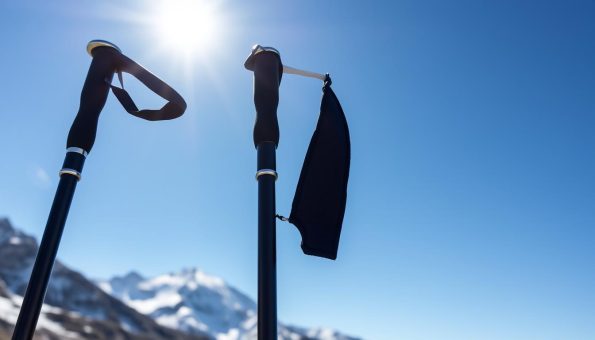
Advantages of Carbon Fiber
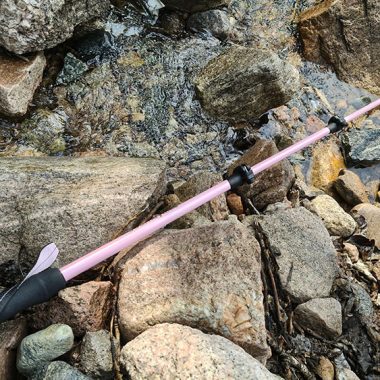
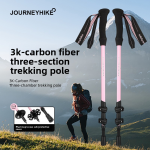
Ultralight efficiency: Weighing just 11–16 ounces per pair, they reduce fatigue on thru-hikes. FiTiFT’s 3K Carbon Fiber model adds extra durability for rough terrain without adding bulk.
Instant stability: Zero flex means precise footing on rocky paths. Vibrations fade quickly, sparing your joints over miles.
Limitations to Note
Premium performance comes at a cost—top-tier models exceed $120. They’re also less forgiving in freezing temps, where impacts risk splintering.
Ideal Hiking Scenarios
- Speed-focused trips: Appalachian Trail thru-hikers gain an edge with lighter gear.
- Minimalist packs: Every saved ounce matters for ultralight backpackers.
- Groomed trails: Low-impact routes maximize their lifespan.
| Trait | Carbon Fiber | Aluminum |
|---|---|---|
| Weight (per pair) | 11–16 oz | 18–22 oz |
| Cold-weather performance | Brittle below freezing | Resilient |
| Price range | $75–$120+ | $20–$150 |
“Our 3K weave solves the classic trade-off—lightweight doesn’t have to mean fragile.”
Conclusion: Picking the Right Trekking Poles for You
Finding the perfect support tool depends on your adventure style. If rugged trails and budget matter, aluminum’s toughness shines. For speed and long distances, carbon fiber cuts fatigue with its featherlight design.
FiTiFT specializes in high-performance carbon fiber, ideal for hikers prioritizing agility. Test both materials if possible—retailers with return policies make this easy.
Match your pick to trail conditions and grip preferences. Whether you choose durability or weight savings, the right pair transforms your hike.
FAQ
What are the main differences between aluminum and carbon fiber trekking poles?
Aluminum poles are durable and budget-friendly, while carbon fiber options are lighter and absorb vibrations better. The choice depends on your hiking needs and preferences.
Are carbon fiber poles worth the extra cost?
If you prioritize weight savings and shock absorption for long hikes, carbon fiber is worth the investment. For casual or rugged use, aluminum may be more practical.
Do trekking poles really help on the trail?
Yes! They improve stability, reduce strain on knees, and help with balance, especially on uneven terrain or steep climbs.
Can aluminum poles handle heavy loads?
A> Absolutely. Aluminum is strong and can support heavier loads, making it ideal for backpacking or rough trails.
Are carbon fiber poles fragile?
While they’re strong, they can crack under extreme stress or impact. Aluminum bends instead of breaking, making it more forgiving in tough conditions.
Which type is better for ultralight hiking?
Carbon fiber wins for ultralight adventures due to its lower weight, often saving several ounces per pair.
Do these poles work in cold weather?
Both materials perform well, but carbon fiber stays comfortable in freezing temperatures since it doesn’t conduct cold like aluminum.
Can I replace parts if they wear out?
A> Yes! Most brands offer replacement tips, baskets, and grips, extending the life of your poles.