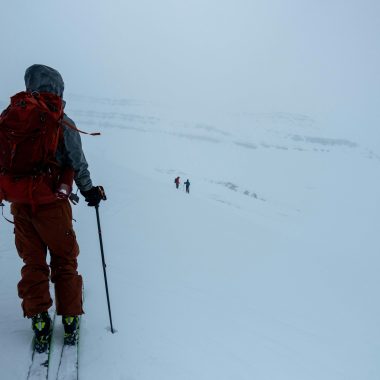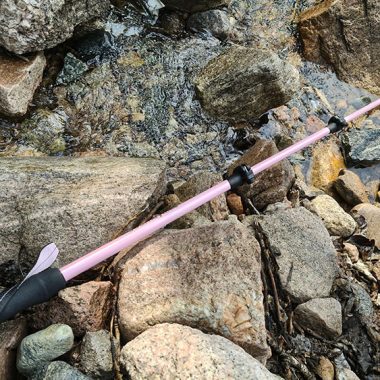

Discover the ultimate hiking companion that enhances your outdoor journeys — carbon fiber trekking poles. Known for their superior strength-to-weight ratio and innovative design, these poles are revolutionizing the way avid hikers, trekkers, and adventurers approach outdoor navigation. Whether cruising rocky trails or tackling snowy terrains, carbon fiber trekking poles are the embodiment of engineering excellence, offering durability, agility, and comfort in one sleek package.
The significance of carbon fiber trekking poles transcends traditional gear. Their lightweight yet resilient frame enables prolonged hikes without the fatigue that heavier poles cause. This article delves into the myriad facets of these advanced trekking tools, providing insights into their construction, benefits, usage tips, comparisons, and expert advice to elevate your outdoor endeavors.
The Science of Carbon Fiber – Why It’s the Material of Choice for Trekking Poles
Understanding what makes carbon fiber trekking poles so exceptional begins with dissecting the material itself. Carbon fiber, a high-performance composite material, merges carbon threads into a fabric woven through a resin matrix. Its properties are far superior to conventional materials like aluminum or fiberglass, especially when it comes to weight, strength, and flexibility.
This section explores the fundamental science behind carbon fiber, establishing a solid foundation for appreciating its application in trekking poles. We’ll analyze how these characteristics translate into real-world hiking advantages, making carbon fiber trekking poles a preferred choice among outdoor enthusiasts.
The Composition and Manufacturing of Carbon Fiber
The manufacturing process of carbon fiber involves complex technological steps that significantly influence the final product’s quality. First, precursor materials such as polyacrylonitrile (PAN) are spun into long fibers. These fibers are then carbonized at high temperatures, around 1000-3000°C, in an oxygen-free environment, which transforms them into ultra-thin carbon filaments.
Once created, these filaments are woven into fabrics and impregnated with resin to form composite materials. This process results in an incredibly lightweight, yet robust and stiff material capable of absorbing impact while resisting fatigue. For trekking poles, this manufacturing precision ensures efficient performance even under challenging terrains.
Physical Properties and Their Impact on Trekking
Carbon fiber boasts a high tensile strength—up to five times greater than steel of the same weight—and an exceptional strength-to-weight ratio. Its stiffness ensures stability, while flexibility allows for shock absorption, reducing stress on the user’s joints during long hikes.
Weight reduction is perhaps the most notable benefit for hikers. Carbon fiber trekking poles are typically 30-50% lighter than their aluminum counterparts, thereby decreasing fatigue over extended treks. Additionally, their resistance to corrosion guarantees long-lasting performance, especially in wet or snowy environments, unlike metals prone to rust.
Environmental and Durability Benefits
Beyond performance, carbon fiber trekking poles offer environmental resilience. Their resistance to environmental factors such as UV radiation, moisture, and temperature fluctuations makes them suitable for diverse conditions. Moreover, thanks to their durability, these poles maintain structural integrity over years of use, reducing the need for replacements and contributing to sustainable outdoor gear consumption.
In essence, the scientific backbone of carbon fiber materials aligns perfectly with the demands of modern trekking: lightweight, strong, durable, and reliable. This mastery of material science elevates carbon fiber trekking poles above standard options and ensures that they remain a crucial component of any serious hiker’s toolkit.
Benefits and Key Features of Carbon Fiber Trekking Poles
Choosing the right trekking poles can significantly impact your hiking experience. Carbon fiber trekking poles have surged in popularity due to their innovative combination of lightweight design, strength, and adaptability. This section examines the core advantages that make these poles outstanding, alongside features that cater to different hiking styles and preferences.
Enhanced Portability and Reduced Fatigue for Long-Distance Hikes
One of the primary benefits of carbon fiber trekking poles is their remarkable lightweight design. Compared to traditional aluminum poles, they substantially lessen the weight you carry, reducing overall fatigue during long-distance or multi-day treks.
Hikers often find that carrying lighter gear fosters better endurance and quicker recovery. The atmospheric pressure at high altitudes adds to the perceived weight of gear, but carbon fiber trekking poles mitigate this added burden. Their minimal weight allows for a more natural gait, less energy expenditure, and improved agility on uneven terrains or steep inclines.
Superior Shock Absorption and Stability
Modern carbon fiber trekking poles incorporate advanced damping systems or flexible shafts that absorb shock. This feature is particularly advantageous when traversing rocky, icy, or root-filled trails, as it reduces the impact transmitted to your wrists, elbows, and shoulders.
Stability is a crucial factor during challenging segments of hikes—whether crossing slippery slopes or descending steep declines. Carbon fiber trekking poles are typically engineered to resist flexing beyond optimal limits, providing a supportive brace that enhances user confidence and safety, especially when navigating rugged terrains.
Customizability and User-Friendly Features
Advancements in design have led to highly customizable carbon fiber trekking poles. Many models feature adjustable lengths, ergonomic grips, and interchangeable tips—allowing users to tailor their gear dynamically for different terrains or personal preferences.
Ergonomic handles made from cork, foam, or rubber increase comfort and grip, especially during prolonged use. Locking mechanisms—such as flip locks or twist locks—offer quick and secure adjustments, ensuring the poles stay in position during vigorous activity. Additionally, some models come equipped with accessories like snow baskets or mud tips, widening their utility across varied environments.
Environmental Resistance and Longevity
Carbon fiber trekking poles excel in resisting environmental damage. Unlike aluminum, which can corrode or develop dents, carbon fiber maintains integrity over time in wet, snowy, or salty environments. Their robust construction ensures that despite exposure to harsh elements, the structural strength remains uncompromised.
Long-term durability aligns with hikers’ desire for sustainability and cost-effectiveness. Investing in high-quality carbon fiber trekking poles reduces the frequency of replacements, ultimately leading to increased savings and a smaller ecological footprint.
The Overall Impact on Hiking Experience
When integrating carbon fiber trekking poles into your hiking routine, the overall experience becomes more enjoyable, safer, and efficient. Their lightweight nature minimizes strain, while their stability enhances confidence on diverse terrains. Coupled with environmental resistance, these poles become reliable companions for both casual nature walks and strenuous mountain expeditions. Their technological features and durable build make them a vital accessory for anyone serious about outdoor exploration.
How to Use and Maintain Carbon Fiber Trekking Poles in Various Terrains
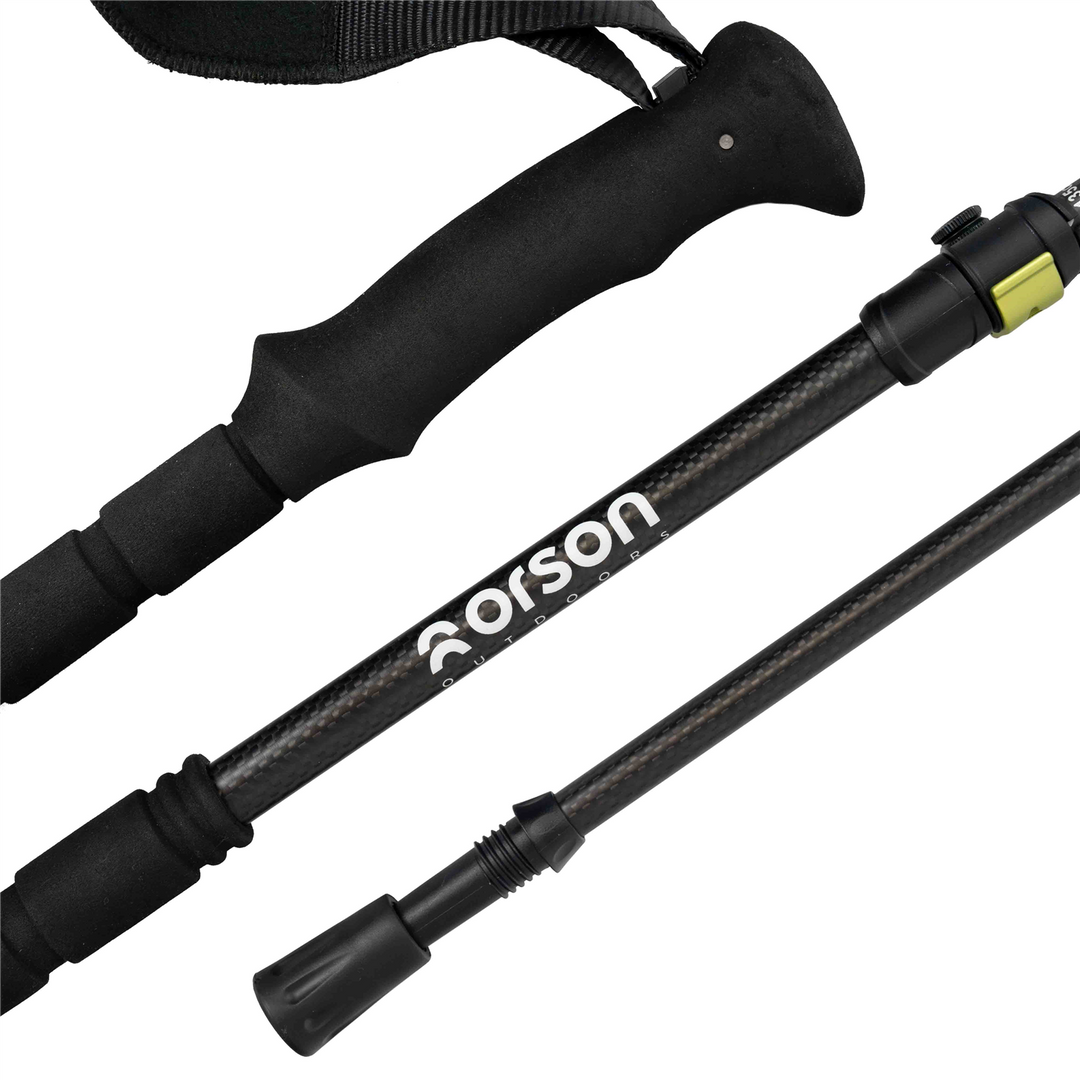
Effectively utilizing carbon fiber trekking poles can significantly impact your safety, comfort, and overall hiking performance. Proper technique and maintenance not only prolong the life of your gear but also maximize its benefits during your adventures. This section explores practical usage tips, terrain-specific considerations, and maintenance guidelines to ensure your poles serve you reliably on all types of terrain.
Basic Techniques for Using Carbon Fiber Trekking Poles
Mastering the correct technique involves understanding when and how to use your poles. Proper placement ensures maximum stability, reduces fatigue, and minimizes impact stress on joints.
Begin by adjusting the pole length so that your elbows are bent at approximately 75-90 degrees when the tips are on the ground. For steep ascents, shorten the poles slightly to improve balance and power, while lengthening them on descents to absorb shock and increase stability.
Use a natural arm swing—similar to walking without poles—and plant the poles slightly ahead of your foot placement. Engage your core and upper body to propel yourself forward, rather than relying solely on arm strength. When crossing uneven or slippery terrain, plant the poles firmly to aid in balance and distribute weight effectively.
Terrain-Specific Tips and Best Practices
Different terrains demand tailored strategies for optimal pole use.
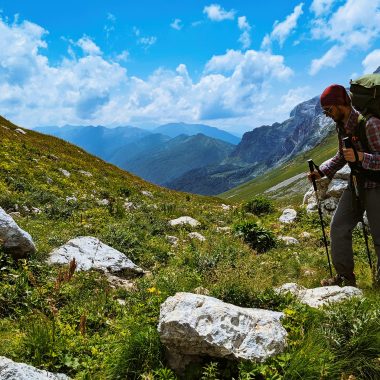
- Rocky or rugged terrains: Use shorter poles for better control and grip. Choose tips suited for rocky surfaces and use the poles to probe uncertain footing.
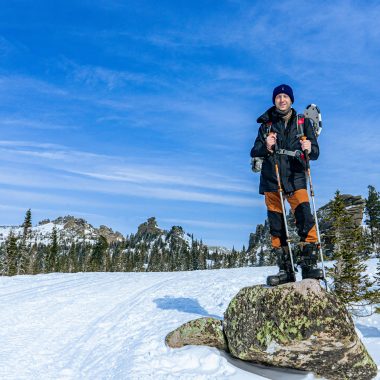
- Snowy or icy conditions: Attach snow baskets for added surface area and stability. Use poles to gauge snow depth and stability before stepping.
- Steep climbs: Utilize longer poles to maximize leverage. Keep limbs engaged in pushing upward, and plant firmly with each step.
- Descending trails: Shortening about 10-20% of your poles enhances braking and stability. Shift your weight backward slightly to prevent slipping.
Proper technique also involves careful placement to avoid tripping hazards or interference with trail obstacles. Practice precise planting and withdrawal of poles to maintain momentum and stability across different terrains.
Regular Maintenance and Care Tips
Sustaining the performance of carbon fiber trekking poles requires routine maintenance. Since carbon fiber is sensitive to impacts and excessive twisting, gentle handling and prompt repairs are essential.
- Cleaning: After each hike, wash your poles with mild soap and water to remove dirt, mud, or salt deposits. Use a soft cloth or brush to scrub the grips and tips.
- Drying and Storage: Store in a cool, dry place away from direct sunlight. Avoid prolonged exposure to high temperatures, which may weaken the resin matrix.
- Inspecting Components: Regularly check locking mechanisms, grips, and tips. Tighten or replace damaged parts promptly to ensure safety.
- Tip Replacement: Tips can become worn or damaged over time. Keep spares and swap them out when the performance diminishes, especially when crossing harder surfaces.
- Impact Handling: Take care not to drop or twist carbon fiber trekking poles excessively, as impact damage can cause cracks or delamination.
Advantages of Proper Usage and Maintenance
When used correctly and maintained well, carbon fiber trekking poles extend their lifespan dramatically. Optimal technique reduces strain on the material and prevents premature damage. Caring for your poles ensures they retain their lightweight, shock-absorbing, and stability features, ultimately providing hikers with consistent performance and peace of mind during their outdoor adventures.
FAQs About Carbon Fiber Trekking Poles
Q1: Are carbon fiber trekking poles much more expensive than aluminum ones?
Yes, carbon fiber trekking poles tend to be pricier due to their advanced material and manufacturing process. However, their enhanced durability, lightweight design, and performance benefits can justify the higher investment, especially for serious hikers.
Q2: How do I choose the right size for my carbon fiber trekking poles?
Adjustability is key. Measure your height and follow manufacturer guidelines to find the optimal length, generally ensuring your elbows are bent at around 90 degrees when holding the poles vertically. Many models feature quick-lock mechanisms for easy on-the-go adjustments.
Q3: Can carbon fiber trekking poles be used in snow or icy conditions?
Absolutely, especially if equipped with snow baskets and proper tips designed for snow and ice. The resilience and lightweight nature of *carbon fiber trekking poles make them suitable for winter hiking and mountaineering.*
Q4: Are carbon fiber trekking poles durable enough for rugged terrains?
When properly manufactured and correctly used, *carbon fiber trekking poles exhibit excellent durability. However, they are more sensitive to impacts than aluminum and should be handled with care to prevent cracks or delamination.*
Q5: How do I maintain and store my carbon fiber trekking poles?
Clean them after each trip, store in a dry, cool place away from extreme temperatures, and inspect regularly for damage. Replace worn components promptly to ensure continued safety and performance.
Conclusion
Incorporating carbon fiber trekking poles into your outdoor gear collection marks a significant upgrade in both performance and experience. Their lightweight yet robust construction, superior shock absorption, and environmental resistance position them as indispensable assets for diverse terrains and conditions. Proper understanding of their science, features, and usage strategies unlocks their full potential, enabling hikers to explore more confidently, comfortably, and sustainably. Whether you’re conquering steep mountain trails, icy ascents, or long cross-country treks, these poles are engineered to elevate every step, promising durability, efficiency, and a deeper connection with nature’s wild terrains.