
Many outdoor enthusiasts face a critical decision when selecting their hiking equipment. The choice between traditional materials and advanced composites can significantly impact your trail experience.
Lightweight gear has transformed modern hiking, with many adventurers seeking every possible weight reduction. These specialized tools typically cost around $200 per set and weigh just 4 ounces each. This represents a substantial improvement over aluminum alternatives.
The primary advantage lies in reduced arm fatigue during long-distance excursions. However, real-world testing reveals important durability considerations that demand careful evaluation.
This gear decision involves balancing competing priorities. Some hikers prioritize minimal weight for speed and endurance. Others value rugged reliability and cost-effectiveness above marginal weight savings.
Our analysis provides a balanced examination based on user experiences, expert testing, and material science. We’ll help you determine if this premium equipment aligns with your specific needs, terrain preferences, and budget.
Key Takeaways
- Lightweight design reduces fatigue on extended hikes
- Premium pricing requires careful budget consideration
- Durability concerns differ from traditional aluminum options
- Choice depends on individual hiking style and priorities
- Proper evaluation balances weight savings against longevity
- Real-world testing reveals performance characteristics
- Investment justification varies by user needs
Introduction to Outdoor Gear and FiTiFT’s Offerings
Outdoor enthusiasts rely on specialized equipment to navigate challenging terrain and unpredictable conditions effectively. The right gear selection directly impacts safety, comfort, and overall experience quality during outdoor adventures.
An Overview of FiTiFT’s Quality Outdoor Equipment
FiTiFT provides comprehensive outdoor sports equipment designed for various activity levels. Their product lineup balances performance with durability across multiple categories.
| Product | Key Feature | Weight | Ideal Use |
|---|---|---|---|
| Compass Survival Whistle | 2-in-1 navigation & safety | 0.1kg | Emergency preparedness |
| All-Season Sleeping Bag | Temperature adaptability | 2.2kg | Multi-season camping |
| Multifunctional Flashlight | Bicycle rack + USB charging | 0.3kg | Versatile illumination |
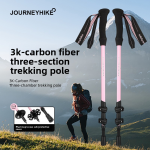
| 3K Trekking Poles | Advanced material construction | 0.23kg each | Long-distance hiking |
| Stainless Steel Wood Stove | Smokeless cooking | 1.5kg | Backcountry meals |
Highlighting Key Products: Compass Whistle, Sleeping Bags, Flashlights, and More
The Compass Survival Whistle combines essential tools in a compact design. This stonewashed finish option provides both direction finding and emergency signaling capabilities.
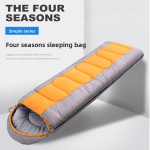
Sleeping bags feature all-season versatility in Orange Gray and Blue Gray colors. Each 2.2kg set maintains reliable warmth across varying conditions.
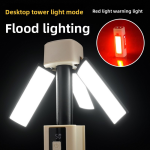
Lighting solutions include high-intensity models with USB charging. The EDC flashlight offers compact convenience for everyday carry situations.
This diverse equipment selection supports adventurers across multiple outdoor activities. FiTiFT’s approach emphasizes practical design meeting real-world needs.
Are carbon fiber trekking poles worth it?
Equipment selection involves balancing competing priorities between weight savings and durability. This choice significantly impacts trail performance and user experience.
Evaluating the Lightweight Advantage
The primary benefit of advanced composite materials lies in their impressive weight reduction. A typical set weighs approximately 11-16 ounces, offering substantial savings over traditional alternatives.
Every ounce matters during extended excursions. The reduced load translates to less arm fatigue over thousands of repetitive movements.
Ultralight enthusiasts particularly appreciate this advantage. The minimal weight supports faster pacing and greater endurance on challenging routes.
Understanding the Trade-Offs in Durability and Cost
However, material vulnerability presents a significant concern. Advanced composites demonstrate limited resistance to lateral forces compared to more traditional options.
The financial investment required is considerably higher. Premium models can cost several times more than basic alternatives.
Users must carefully assess their specific needs and terrain conditions. The decision ultimately depends on individual priorities and hiking style.
Comparing Material Qualities: Carbon Fiber vs. Aluminum Trekking Poles
Structural integrity and resilience vary dramatically between aluminum and composite hiking aids. The 7075 aluminum alloy used in quality equipment handles substantial abuse without temperature sensitivity.
Durability and Impact Resistance Analysis
Aluminum demonstrates superior overall durability against lateral forces and impacts. When stressed, these poles typically bend or crease rather than shattering catastrophically.
This gradual failure provides visible warning signs before complete breakdown. Temperature stability represents another key advantage, maintaining consistent performance in extreme conditions.
The ability to straighten minor bends makes field repairs feasible. This extends the functional life of your equipment significantly.
Cost Considerations and Longevity on the Trail
Aluminum options cost significantly less upfront while offering greater longevity. Replacement parts availability extends service life for both material types.
However, aluminum’s inherent durability often means fewer replacements are needed. Features like cork grips and foam extensions enhance comfort across various hand positions.
Adjustable length mechanisms in aluminum constructions generally prove more durable through thousands of cycles. Long-term value depends on individual usage patterns and replacement frequency.
User Experiences and Expert Reviews
The true test of hiking equipment comes from actual trail use over extended periods. Field reports from experienced adventurers provide invaluable data beyond laboratory specifications.
Real-World Testing and Customer Insights
One seasoned backpacker documented multiple failures with premium models costing $200 per set. These incidents occurred within the first 20 miles on various terrain types.
The equipment broke during routine use on gentle surfaces and even in parking areas. A particularly concerning incident involved a sudden snap on a downhill section, causing a dangerous fall.
In contrast, budget-friendly aluminum alternatives demonstrated remarkable reliability. A $20 pair successfully navigated 30 miles of challenging landscape over two days without any structural issues.
Expert Opinions on Performance Under Various Conditions
Outdoor specialists confirm that advanced composites excel in weight reduction but show vulnerability to lateral pressure. This characteristic requires careful handling technique from users.
The material works best on maintained paths where side impacts are minimal. Experts recommend these tools for experienced hikers who understand the limitations and can maintain proper placement.
For general trail use, many professionals suggest considering more durable options. The choice ultimately depends on individual skill level and typical hiking conditions.
Conclusion
Every hiker’s equipment journey culminates in finding the perfect balance for their adventures. The choice between advanced composites and traditional materials represents a personal calculation based on individual priorities and trail conditions.
For speed-focused enthusiasts covering long distances, the lightweight advantage proves significant. These tools reduce fatigue over thousands of steps. However, rugged terrain demands greater durability that aluminum reliably provides.
The practical solution often involves owning both types for different scenarios. Maintained trails suit advanced materials well. Challenging landscapes benefit from traditional reliability. Many find this dual approach offers optimal flexibility.
Quality options exist across price points today. From budget-friendly aluminum to premium composites, hikers can find equipment matching their specific needs. The right choice depends entirely on your hiking style and terrain preferences.
FAQ
What is the main benefit of carbon fiber trekking poles?
The primary advantage is their low weight. These poles are significantly lighter than aluminum models, which reduces arm fatigue over long distances and strenuous hikes. This makes them a top choice for thru-hikers and anyone looking to minimize gear load.
Are carbon fiber poles as durable as aluminum ones?
While excellent for normal use, they are generally less impact-resistant than aluminum poles. Aluminum trekking poles can often bend upon a hard impact, whereas carbon fiber versions are more prone to snapping. For rough, rocky terrain, aluminum might offer better longevity.
How much more expensive are carbon fiber trekking poles?
You can expect a higher price tag for carbon fiber models. The advanced material and manufacturing process increase the cost compared to aluminum options. However, many users find the investment worthwhile for the weight savings and vibration dampening on the trail.
Which type of pole is better for a beginner?
Aluminum trekking poles are often recommended for those new to hiking. They are typically more affordable and forgiving of accidental misuse, like getting stuck between rocks. This makes them a great, cost-effective option to start with.
Do carbon fiber poles provide good stability?
A> Yes, they offer excellent stability and support. The material is very rigid, which translates to solid power transfer with each pole plant. Many hikers also appreciate that they absorb trail shock better than aluminum, leading to less strain on joints.
Are replacement parts easy to find for carbon fiber models?
A> Availability can vary by brand. Major manufacturers like Black Diamond, Leki, and REI Co-op usually stock replacement tips, baskets, and sections. It’s a good idea to check a brand’s replacement part policy before purchasing, especially for less common models.