Understanding trail difficulty ratings is essential for every outdoor enthusiast planning a mountain adventure. These classification systems help hikers choose routes that match their experience level and physical capabilities.
The T3 designation represents a specific challenge level within the internationally recognized SAC (Swiss Alpine Club) scale. This system provides clear guidance about terrain challenges and required skills for different hiking paths.
Proper trail classification knowledge directly impacts safety, preparation, and overall enjoyment. Knowing what to expect prevents hikers from attempting routes beyond their current abilities or missing exciting challenges they’re ready to tackle.
Organizations like national parks and outdoor recreation authorities use these ratings globally. They communicate potential hazards and necessary equipment requirements to the hiking community.
This guide explores the characteristics of T3-rated trails, compares them with other difficulty levels, and provides practical preparation advice. You’ll learn about essential gear and safety considerations for successful mountain experiences.
Key Takeaways
- T3 represents a specific difficulty level in the SAC trail classification system
- Trail ratings are crucial for safety and proper preparation
- Understanding classifications helps match routes to your skill level
- These systems are used globally by hiking organizations and parks
- T3 trails require specific skills and appropriate equipment
- Proper classification knowledge enhances hiking enjoyment
- The system helps prevent underestimating or overestimating trail challenges
Understanding Trail Classifications and the SAC Hiking Scale
Before standardized classifications existed, hikers faced unpredictable risks on mountain trails. Vague descriptions often led to improper preparation and safety concerns. The need for a reliable system became clear to outdoor organizations worldwide.
Overview of the SAC Scale and Its Origins
The Swiss Alpine Club developed their hiking scale in 2002. This innovative classification system created six distinct levels from T1 to T6. Each grade describes specific trail conditions and required equipment.
Drawing on decades of mountaineering expertise, the Alpine Club designed a multidimensional assessment. It evaluates path quality, steepness, and exposure to falls. The system revolutionized hiking safety across alpine regions.
Key Factors Influencing Trail Difficulty Ratings
Multiple elements determine a trail’s difficulty rating. Terrain characteristics like surface quality and obstacles play crucial roles. Paths may feature packed dirt, loose rocks, or challenging scree fields.
Exposure represents another critical factor. This measures the consequence of potential falls. Steep sections with dangerous drop-offs significantly increase the difficulty level.
The Swiss Alpine system also considers weather vulnerability and necessary skills. This comprehensive approach helps hikers choose appropriate hiking trails and prepare adequately.
What does T3 mean in hiking?
The T3 designation represents a pivotal threshold in alpine hiking, separating recreational paths from true mountain adventures. This classification signifies challenging mountain hiking where preparation and skill become essential for safety.
Characteristics of T3 Terrain and Exposure
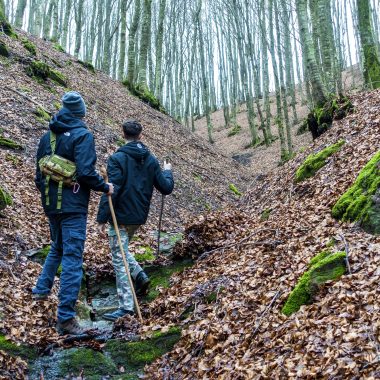
T3 routes feature varied terrain that tests hikers’ abilities. You’ll encounter gravel plains, rocky sections, and steep slopes requiring careful navigation. The path may become indistinct in places, demanding route-finding skills.
Exposure presents real challenges on these trails. While ropes or chains secure the most dangerous spots, significant stretches remain unprotected. A fall could result in serious injury, making balance and mental composure crucial.
Hikers often need to use their hands for stability on steep or unstable terrain. This isn’t technical climbing but maintaining three points of contact for safety. The experience demands constant awareness of your footing and surroundings.
“Proper preparation transforms challenging terrain from dangerous to rewarding. Knowing your limits and the trail’s demands creates safe mountain experiences.”
Comparing T3 with T1 and T2 Levels
The progression from T1 to T3 represents increasing difficulty and required skills. Each level introduces new challenges that build toward more advanced mountain hiking.
| Feature | T1 (Easy) | T2 (Moderate) | T3 (Challenging) |
|---|---|---|---|
| Trail Condition | Well-maintained path | Continuous route, some steep sections | Variable, may be pathless in places |
| Exposure Risk | No falling danger | Some risk present | Significant exposure |
| Footwear Required | Trainers acceptable | Trekking shoes needed | Sturdy hiking boots essential |
| Navigation | Easy, clear markings | Basic skills helpful | Average skills required |
| Experience Level | Beginner friendly | Some hiking experience | Basic alpine experience |
This classification system helps hikers choose appropriate routes matching their skill level. The clear distinctions prevent underestimating trail challenges while encouraging gradual skill development.
Global Perspectives on Trail Grading Systems
While the Swiss Alpine Club system is widely recognized, numerous countries employ their own trail rating methodologies. These diverse approaches reflect regional terrain characteristics and hiking traditions.
Switzerland’s SAC and Swiss Hiking Associations
Switzerland maintains two complementary classification systems. The Swiss Hiking Association focuses on general hiking paths, while the SAC handles technical alpine routes.
A color-coded marking system communicates difficulty levels effectively. Yellow markers indicate easy walking trails, while white-red-white signs denote mountain hiking routes.
Trail Ratings in the United States and Beyond
American trails lack a unified national scale. Individual states develop systems based on distance, elevation, and terrain type.
California uses a simple three-tier grade system. Arizona employs six detailed levels incorporating technical challenges.
International areas like Australia and New Zealand have unique approaches. Their systems evaluate experience needed and path quality for different hiking adventures.
Researching local classification systems prevents preparation errors. A moderate route in one country may require advanced mountaineering skills elsewhere.
Essential Gear for T3 and Alpine Trails with FiTiFT
Quality equipment bridges the gap between hiking ambition and alpine reality, especially on demanding routes. The right gear transforms challenging terrain from hazardous to manageable.
FiTiFT understands that proper equipment selection represents a critical safety consideration. Their products meet the rigorous demands of advanced trail sections.
FiTiFT Outdoor Gear Overview: Quality and Innovation
FiTiFT specializes in high-performance outdoor equipment designed for serious enthusiasts. The brand focuses on durability, functionality, and innovation across their product line.
Their comprehensive approach addresses diverse needs from multi-day trekking to technical day hikes. Each product undergoes rigorous testing for alpine conditions.
Must-Have Items: Sleeping Bags, Trekking Poles, Flashlights, and More
Essential equipment for challenging trails includes reliable sleeping systems like FiTiFT’s all-season sleeping bags. These 2.2kg options handle temperature fluctuations in remote areas.
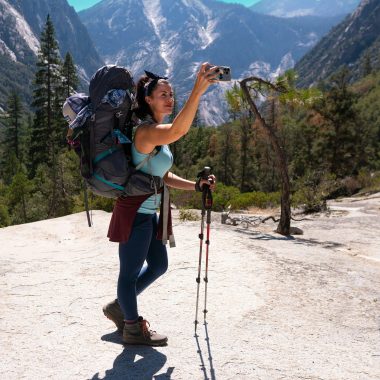
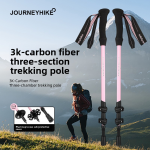
The 3K Carbon Fiber Trekking Poles provide crucial balance support on steep sections. They reduce knee strain during descents and aid stream crossings.
Lighting solutions like the Multifunctional High-Intensity Flashlight ensure safety during early starts or emergency situations. Navigation tools such as the Compass Survival Whistle offer dual functionality for route-finding.
Proper boots remain foundational equipment, providing ankle support and aggressive tread for rocky terrain. This knowledge level prepares hikers for variable conditions.
Expert Tips for Tackling T3 Trails Safely
Advanced hiking routes require a comprehensive approach that blends technical skills with mental preparation. Moving beyond recreational trails demands specific competencies for mountain safety.
Preparation, Fitness, and Navigational Skills
Building proper fitness is essential for challenging terrain. Cardiovascular endurance supports sustained elevation gain. Leg strength enables controlled descents on steep ground.
Navigation skills become critical at this level difficulty. Map reading and compass use prevent dangerous wrong turns. Beginners should gain experience on easier routes first.
Mental commitment matters as much as physical ability. Exposed sections with significant drops require focus. This psychological preparation develops through gradual experience.
Using Proper Equipment and Safety Practices
Quality equipment makes challenging routes safer. Sturdy boots provide stability on uneven ground. Trekking poles aid balance during difficult climbing sections.
Always inform others of your planned route and return time. Carry emergency communication devices in remote mountain areas. Recognize when conditions warrant turning back.
Understanding personal limits prevents life-threatening situations. Assess whether climbing demands match your current ability level. Proper preparation ensures rewarding mountain experiences.
Conclusion
The journey from recreational walking to technical mountain routes requires systematic progression through difficulty levels. The SAC scale provides this essential framework for safe advancement in hiking.
T3 represents the critical threshold where casual trail experiences transition to serious mountain challenges. This classification demands proper equipment, navigational skills, and alpine experience for safe passage.
Global rating systems, while varying in terminology, share the common goal of helping hikers understand trail demands. Quality gear from specialized brands supports success across diverse terrain types.
Understanding these systems enables rather than limits adventure. It helps outdoor enthusiasts find routes that challenge their growing mountaineering skills while maintaining safety.
FAQ
What is the Swiss Alpine Club (SAC) hiking scale?
The Swiss Alpine Club scale is a system for rating the difficulty of mountain hiking trails. It ranges from T1 (easiest) to T6 (most difficult). This classification helps hikers choose routes that match their ability, fitness, and equipment.
How difficult is a T3 trail compared to T1 or T2?
A T3 route is significantly more challenging than T1 or T2 levels. While T1 and T2 are generally walking paths, T3 terrain often requires using hands for balance on exposed sections. It demands good fitness, sure-footedness, and sturdy hiking boots.
What specific skills are needed for T3 mountain hiking?
Success on T3 trails requires solid navigational skills, a head for heights to handle exposure, and excellent balance. You should be comfortable on uneven ground where a fall could pose a risk. Prior experience on easier routes is highly recommended.
Is specialized equipment necessary for T3 routes?
Are T3 trails suitable for beginners?
T3 trails are generally not recommended for beginners. They are intended for hikers with some mountain experience. Beginners should first build skills and fitness on T1 and T2 level trails before attempting a route with T3 difficulty.
How does the SAC T3 grade compare to trail ratings in the United States?
While systems differ, a T3 rating often aligns with Class 2 or easy Class 3 terrain in the U.S. classification. Both indicate a need for using hands in certain climbing sections and involve a higher level of exposure and commitment than a simple walk.