
Choosing the right material for trekking poles is crucial for ensuring safety, comfort, and efficiency during your outdoor adventures. The question “What material is best for trekking poles?” often arises among hikers and trekking enthusiasts who want durable gear that performs well under various conditions. In this comprehensive guide, we’ll delve into the most popular materials used in trekking poles, their advantages, disadvantages, and how to select the best one tailored to your trekking needs.
Understanding the Importance of Material Composition in Trekking Poles
When selecting trekking poles, the material significantly influences their weight, strength, flexibility, durability, and overall performance. The ideal material should strike a balance between being lightweight for easy handling and sturdy enough to withstand rugged terrains and impacts. The right choice depends on your trekking style, the terrain, and personal preferences.
The question “What material is best for trekking poles?” encompasses various options, each with distinct properties. From lightweight aluminum to sturdy carbon fiber, every material offers a different set of benefits. This section aims to shed light on these options to help you make an informed decision about your trekking gear.
Aluminum vs. Carbon Fiber – Comparing Key Materials for Trekking Poles
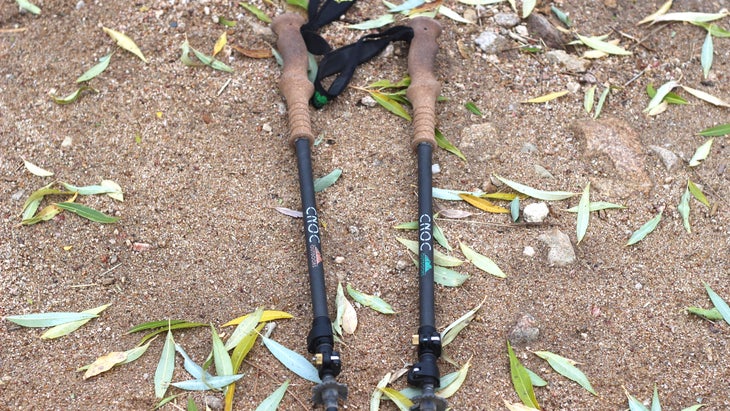
Aluminum and carbon fiber are the two dominant materials found in high-quality trekking poles. Both have their unique pros and cons, influencing their suitability for different trekking styles and terrains. Understanding their differences is essential in determining which material best suits your activity.
Aluminium – The Classic and Durable Choice
Aluminum is by far the most widely used material for trekking poles, appreciated for its durability, affordability, and resilience. It is favored by many hikers and trekking experts because of its ability to absorb shocks and impacts effectively.
Aluminum trekking poles are generally more affordable, making them a popular choice for casual hikers and beginners. They tend to bend slightly under excessive impact but are less likely to snap or break, providing a reassuring sense of safety on rugged trails. Moreover, aluminum is resistant to corrosion, a vital characteristic for those trekking in humid or wet environments.
Advantages of aluminum:
- Cost-effective: Aluminum poles are usually cheaper than carbon fiber, making them accessible for most outdoor enthusiasts.
- Durability: Aluminum’s resistance to impact and bending makes it suitable for challenging terrains.
- Flexibility: Slight flexibility in aluminum poles can absorb shocks and reduce strain on the user.
Disadvantages of aluminum:
- Heavier weight: Aluminum trekking poles are generally heavier than carbon fiber counterparts, which might cause fatigue over long hikes.
- Less stiff: While flexible, aluminum can sometimes lack rigidity, potentially affecting performance on steep ascents or technical terrains.
Carbon Fiber – The Lightweight and High-Performance Material
Carbon fiber has gained popularity among serious trekkers and ultralight hikers due to its exceptional strength-to-weight ratio. These poles are incredibly light, often making a noticeable difference over long distances where every ounce counts.
The rigidity of carbon fiber offers a more stable experience, especially when descending or tackling uneven terrains. Hikers who prioritize weight savings without sacrificing strength often prefer carbon fiber trekking poles. Furthermore, the sleek design of carbon fiber lends a modern aesthetic that many outdoor enthusiasts find appealing.
Advantages of carbon fiber:
- Lightweight: Carbon fiber poles are among the lightest available, reducing fatigue and increasing trekking efficiency.
- Stiffness: High stiffness ensures better energy transfer for pushing off during ascents or descents.
- Durability to fatigue: Excellent resistance to material fatigue, often maintaining integrity over extended use.
Disadvantages of carbon fiber:
- Higher cost: These poles tend to be more expensive due to the complex manufacturing process.
- Brittle nature: Although strong, carbon fiber can shatter or crack if subjected to sharp impacts or severe stress.
- Repair limitations: Unlike aluminum, repairs are difficult or impossible if the pole sustains damage.
The Critical Factors Determining the Best Material – Weight, Strength, and Flexibility
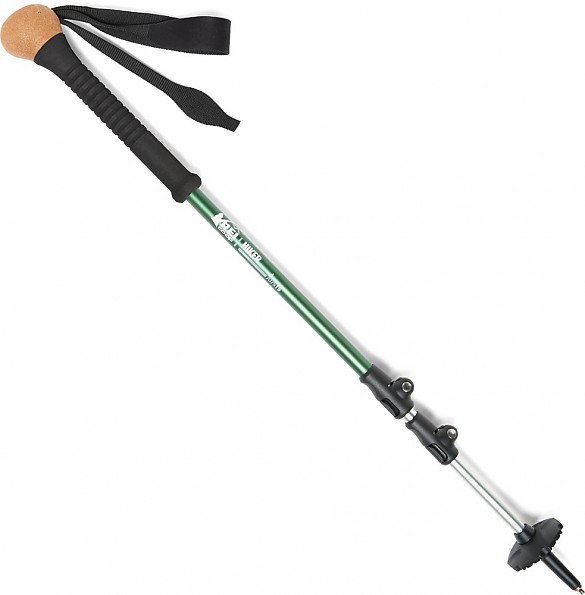
Choosing what material is best for trekking poles depends on various practical aspects. Each trekker has unique needs — whether prioritizing weight for long-distance hikes, durability for rugged terrain, or cost-effectiveness.
Balancing Weight and Strength for Trekking Pole Materials
Weight is perhaps the most crucial factor when selecting trekking poles, especially for backpackers and ultralight hikers. Lighter poles help reduce overall fatigue during extended hikes or multi-day treks. Yet, lightweight materials that lack strength can compromise safety and performance.
Aluminum offers a good middle ground — lighter than traditional steel but heavier than carbon fiber. It’s suitable for most trekking scenarios, especially when durability is prioritized over weight savings. Conversely, carbon fiber is ideal for those seeking minimal weight without sacrificing performance, particularly in high-altitude or long-distance trekking.
Strength is equally vital because trekking poles must withstand substantial impacts from rocks, roots, and uneven terrain. Aluminum’s appeal lies in its capacity to bend rather than break, which provides a safety margin. Carbon fiber, being less forgiving, demands careful handling to avoid catastrophic failure. Therefore, understanding the trade-offs between these materials is essential to meet your trekking needs effectively.
Flexibility and Shock Absorption – How Material Behaves Under Stress
Flexibility and shock absorption are often overlooked but are crucial in preventing fatigue and injury. Aluminum’s slight flexibility makes it excellent at absorbing shocks, which is beneficial when descending steep trails. This flexibility helps in reducing the stress transferred to your arms and shoulders during demanding hikes.
Carbon fiber, however, offers minimal flex, translating into a more rigid pole. While this rigidity can be advantageous for power transfer during climbing, it might transmit more shock to your arms on descents. Some high-end carbon fiber poles include shock-absorbing features to mitigate this, but pure carbon fiber tends to be less forgiving in absorbing impact.
Understanding how each material responds to stress helps in choosing trekking poles aligned with your trekking style. For example, marathon hikers who prioritize weight might prefer carbon fiber but need to handle the increased risk of brittleness. Conversely, trekking guides or hikers on challenging terrains may favor aluminum’s impact resilience and slight flexibility for safety and comfort.
Long-term Durability and Cost-Effectiveness
Durability encompasses resistance to wear and tear, corrosion, and impact damage. Aluminum’s robustness and resistance to corrosion make it more suitable for prolonged use in various climates. It’s less likely to crack or shatter, making it a reliable choice for all-year trekking.
Carbon fiber’s durability depends largely on manufacturing quality and usage conditions. It’s more prone to cracking upon sharp impacts but excels in lightness and rigidity. Cost-efficiency is a significant consideration; aluminum trekking poles are generally more budget-friendly, making them accessible for hobbyist hikers and casual trekkers, whereas carbon fiber poles tend to be pricier but justify their cost through performance benefits.
Knowing how these materials hold up over time and in different environmental conditions can help you select more enduring trekking gear, ensuring safety and savings over years of outdoor activity.
How to Use, Compare, and Decide What Material is Best for Trekking Poles
Choosing what material is best for trekking poles requires a careful assessment of your trekking style, terrain, and budget. Once you understand the crucial factors like weight, strength, flexibility, and durability, you can compare options systematically.
How to Use Trekking Poles Made from Different Materials
Proper usage of trekking poles involves adjusting the length for optimal efficiency and comfort and knowing how different materials respond under various conditions. Aluminum poles tend to absorb shock better and are forgiving if impacted sharply, making them suitable for unpredictable terrains and technical hikes.
Carbon fiber poles require more gentle handling to prevent cracking, particularly when ascending or descending rocky trails. It’s essential to implement correct techniques, such as planting the pole firmly and evenly, to reduce undue stress on the material.
Regular maintenance and inspections, regardless of material, extend the lifespan of your trekking poles. Cleaning off mud and debris and checking for cracks or bends can prevent unexpected failures during a trek.
Comparing Materials for Different Trekking Activities
For long-distance ultralight trekking, carbon fiber is often the preferred choice due to its weight-saving advantages. However, for mountain expeditions with rough terrains, aluminum provides an extra cushion of safety and durability.
In trail running or fast-paced hiking, lightweight and stiff carbon fiber poles enhance performance, while in more casual, flatter hikes, aluminum poles perform sufficiently and are more economical.
Recipes for Choosing the Perfect Material
If your priority is speed and minimizing fatigue, go for carbon fiber. If durability and safety are your concerns, aluminum is the way to go. Consider your typical terrain — rocky, technical, or smooth — and environment, such as humid or saltwater-exposed areas, which influence material choice due to corrosion resistance.
Advising on the best material involves understanding your trekking habits and preferences, then aligning these with the material properties. Investing in high-quality material suited to your needs guarantees a more enjoyable and safer outdoor experience.
FAQs About Trekking Pole Materials
What material is best for trekking poles?
The answer varies depending on your trekking needs. Aluminum is generally best for durability and cost-effectiveness, while carbon fiber excels in lightweight performance. Consider your terrain and trekking style when choosing.
Are carbon fiber trekking poles better than aluminum?
Not necessarily. Carbon fiber offers exceptional weight savings and stiffness, but it’s more brittle and costly. Aluminum is more impact-resistant and budget-friendly, making it more versatile for various conditions.
How do I maintain trekking poles made of different materials?
Regularly clean and inspect your poles for cracks or bends. Aluminum requires minimal maintenance, while carbon fiber needs gentle handling to prevent cracking. Store poles in dry, cool environments.
Can I repair broken trekking poles made from aluminum or carbon fiber?
Aluminum poles can sometimes be repaired or straightened using specialized tools. Carbon fiber, however, usually cannot be repaired once damaged, emphasizing the importance of careful handling.
Is there a significant difference in weight between aluminum and carbon fiber trekking poles?
Yes. Carbon fiber poles are notably lighter, often by several ounces, which can make a difference over long hikes or in competitive trekking scenarios.
Conclusion
In summary, the question “What material is best for trekking poles?” depends on your specific terrain, trekking style, and personal preferences. Aluminum remains a durable, cost-effective, and impact-resistant choice suitable for most situations. In contrast, carbon fiber provides the ultimate lightweight experience and high performance ideally suited for long-distance, ultralight adventures, albeit at a higher price and with care considerations. Evaluating these factors allows trekkers to select gear aligned with their needs, ensuring safety, comfort, and enjoyment on every trail.