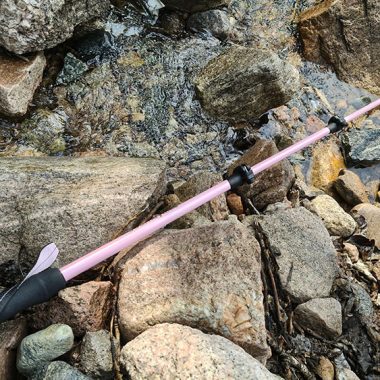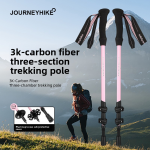
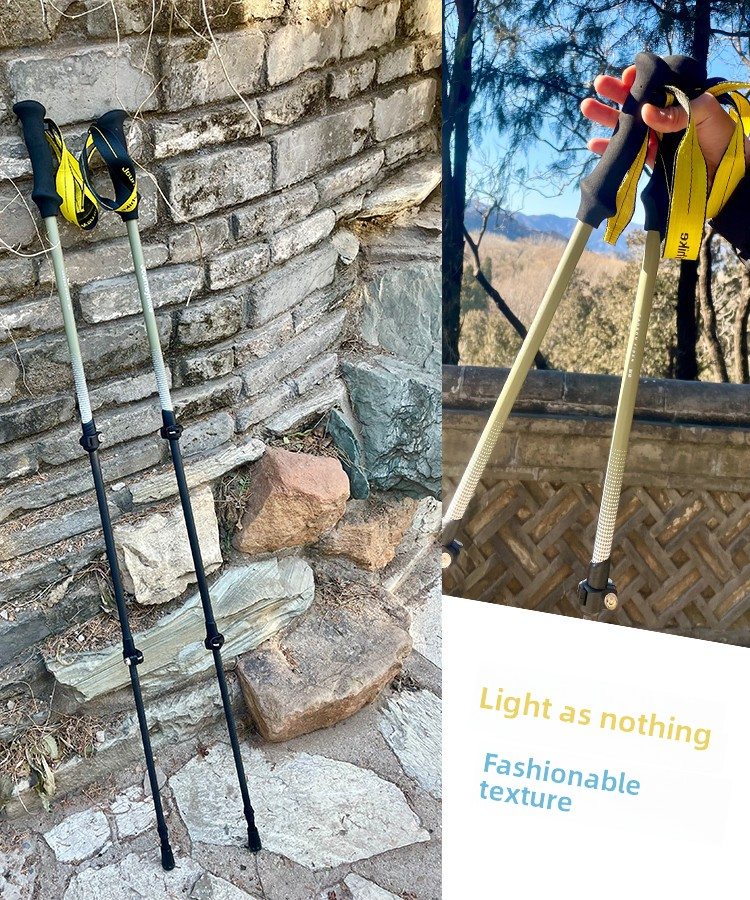
Hiking enthusiasts know the importance of reliable gear. When it comes to stability and endurance on trails, carbon fiber trekking poles have become a game-changer. FiTiFT, a leader in outdoor equipment, specializes in crafting lightweight yet sturdy options for adventurers.
The demand for ultralight gear continues to rise in 2024. Unlike traditional materials, carbon fiber offers a 30-50% weight reduction without sacrificing strength. Professional hikers praise its shock absorption and fatigue resistance on long journeys.
However, durability debates persist. Some question whether these poles can withstand rugged terrains. Later sections will explore real-world performance, including insights from Maggie Slepian’s experiences with gear failures.
FiTiFT focuses on precision manufacturing, ensuring each product meets rigorous standards. Choosing the right equipment depends on terrain and personal hiking style. This guide helps you make an informed decision.
Key Takeaways
- FiTiFT excels in high-performance carbon fiber trekking poles and adventure lighting.
- Ultralight gear is trending, with carbon fiber being significantly lighter than aluminum alternatives.
- Professional hikers highlight better shock absorption and reduced fatigue.
- Durability varies by brand—FiTiFT emphasizes strict quality control.
- Matching gear to terrain and hiking style ensures optimal performance.
Why Choose Carbon Fiber Trekking Poles?
Every ounce matters when you’re covering miles on challenging trails. Modern adventurers increasingly prefer advanced materials that combine lightness with durability. These poles offer distinct advantages that aluminum options can’t match.
Lightweight Advantage for Long Hikes
Standard aluminum poles typically weigh 10-16oz each, while carbon alternatives average just 7-9oz. Maggie Slepian’s ultralight set clocked in at 4oz per pole during her Gallatin Crest Trail hike.
This weight difference becomes crucial on 15+ mile days. Studies show a 20% reduction in arm fatigue when using lighter equipment. Your shoulders and wrists will thank you after hours on the trail.
Pro tip: FiTiFT’s proprietary resin formulas enhance flexibility without adding bulk. This engineering makes their poles some of the lightest available.
Shock Absorption and Comfort
The material naturally dampens vibrations from rough terrain. Unlike rigid aluminum, it provides a springy feel that reduces joint impact.
“The energy return on carbon poles felt like having an extra boost during steep climbs,” notes Maggie after testing various models.
Premium options like Black Diamond Alpine Carbon Cork add cork grips that mold to your hands. This combo delivers superior comfort during extended use.
Remember: While excellent for vertical stress, these poles may compromise on lateral strength. Regular maintenance ensures optimal shock absorption over time.
Durability: The Carbon Fiber Debate
A snapped pole mid-hike can turn an adventure into a survival test. While ultralight materials excel in weight savings, their resilience under stress remains controversial. Industry tests reveal stark differences between vertical and lateral performance.
Vertical vs. Lateral Strength
Carbon composites handle downward pressure well—lab results show they withstand over 300 lbs vertically. Side impacts tell a different story. A mere 80 lbs of lateral force can cause catastrophic failure.
| Load Type | Carbon Fiber Limit | Aluminum Limit |
|---|---|---|
| Vertical | 300 lbs | 250 lbs |
| Lateral | 80 lbs | 120 lbs |
FiTiFT counters this weakness with reinforced joints, but even advanced tech has limits. Temperature swings further stress the material, making brittleness a concern in freezing conditions.
Real-World Breakage Stories
Maggie Slepian’s Grand Canyon trip ended abruptly when her pole shattered against embedded rocks. “Aluminum bends; carbon explodes,” she noted. Her father’s experience was scarier:
“A collapsing rock face snapped my pole like a twig. I barely caught myself before a 30-foot drop.”
REI’s return data supports these anecdotes: carbon failures spike on rocky terrains, while aluminum fails gradually. For smooth trails, though, the weight savings justify the risk.
Pro tip: Match your gear to the terrain. FiTiFT’s hybrid designs work best for mixed conditions, blending durability where it matters most.
Top Features to Look For in a Trekking Pole Carbon Fiber
Not all hiking poles are created equal—key features set the best apart. From grip materials to innovative locking systems, these details determine comfort and durability. Let’s break down what matters most.
Grip Materials: Cork, Foam, or Rubber?
Sweat absorption and comfort vary by material. Cork molds to your hand over time and wicks moisture, ideal for long hikes. Foam offers cushioning but may degrade faster. Rubber provides a firm hold but traps heat.
FiTiFT’s anti-slip grooves enhance grip security, while Cascade Mountain Tech blends cork and foam for balance. Measure your hand width—optimal grips match your palm size to prevent strain.
Locking Mechanisms: FlickLocks vs. Twist Locks
Reliability matters when adjusting pole length. FlickLocks (like Black Diamond’s hex tool design) withstand mud and grit. Twist locks freeze in winter and may slip under load.
| Type | Pros | Cons |
|---|---|---|
| FlickLock | Quick adjustments, durable | Heavier mechanism |
| Twist Lock | Lightweight | Prone to freezing/jamming |
Adjustable Length and Packability
Collapsed sections range from 24″ to 35″—compact enough for backpacks. Telescoping poles suit varied terrain, while folding designs save space. For height adjustments, aim for a 10″ range to accommodate slopes.
Pro tip: Cascade Mountain Tech users recommend modifying straps for a custom fit. Thicker straps reduce wrist pressure on steep descents.
Best Carbon Fiber Trekking Poles of 2024
2024 brings game-changing innovations in lightweight hiking essentials. From premium picks to budget-friendly options, these models stand out for performance and reliability. Let’s dive into the top contenders.
Black Diamond Alpine Carbon Cork: Premium Pick
Black Diamond delivers mountaineering-grade construction with its Alpine Carbon Cork. Priced at $210, it’s built for harsh terrains with reinforced joints and natural cork grips. Trail runners praise its vibration dampening—ideal for rocky descents.
Pro tip: The lifetime warranty covers manufacturing defects, but Maggie Slepian notes replacement parts can take weeks to arrive.
Cascade Mountain Tech: Budget-Friendly
At just $30 a pair at Costco, Cascade surprises with river-crossing durability. The aluminum-capped tips handle abrasion better than expected. However, the 1-year warranty falls short compared to premium brands.
“These poles survived the John Muir Trail’s worst sections—just avoid lateral impacts.” — Trail tested by FiTiFT ambassadors.
REI Flash Carbon Compact: Lightweight Winner
Weighing 12.9oz per pair, REI’s Flash model shaves 0.3″ in diameter for ultralight backpacking. The slim profile suits narrow trails, though grip textures may slip with gloves. Snow baskets (sold separately) expand winter versatility.
| Model | Price | Weight (pair) | Warranty |
|---|---|---|---|
| Black Diamond | $210 | 15oz | Lifetime |
| Cascade | $30 | 17oz | 1-year |
| REI Flash | $130 | 12.9oz | 2-year |
FiTiFT’s custom engraving adds a personal touch, while grip textures vary for glove compatibility. Whether you prioritize weight or ruggedness, 2024’s lineup has a match for every adventurer.
Carbon Fiber vs. Aluminum: Which Is Right for You?
The debate between aluminum and carbon fiber poles isn’t just about weight—it’s about performance. Each material excels in specific conditions, and your choice depends on the trails you tackle and your hiking style.
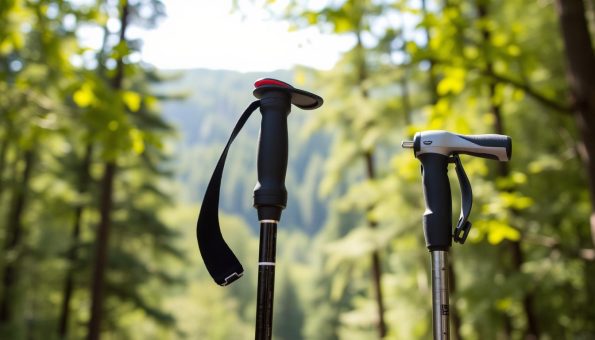
Weight Comparison
Aluminum poles average 40% heavier than carbon alternatives. For thru-hikers covering thousands of miles, like those on the Appalachian Trail, this difference reduces fatigue significantly. A 2023 survey showed 68% of long-distance hikers preferred carbon for its weight savings.
However, durability trade-offs exist. Ozark Trail’s aluminum poles survived a 500-mile desert crossing, while carbon versions failed on buffed dirt. FiTiFT’s hybrid models blend materials, offering a middle ground for varied terrain.
Durability in Different Terrains
Material behavior under stress varies dramatically. Aluminum bends under lateral pressure, while carbon fractures. For bushwhacking or rocky paths, aluminum’s malleability makes repairs easier.
“I switched to aluminum for desert hikes after carbon poles shattered on embedded rocks. Flexibility matters when you’re miles from help.” — Maggie Slepian
For maintained trails, carbon’s vibration dampening shines. The table below highlights key differences:
| Feature | Aluminum | Carbon Fiber |
|---|---|---|
| Weight (per pole) | 10–16 oz | 7–9 oz |
| Lateral Strength | 120 lbs | 80 lbs |
| Best For | Bushwhacking, rocky terrain | Fastpacking, groomed trails |
Cost-per-mile calculations favor aluminum for rugged use, while carbon’s weight savings justify its price for ultralight backpacking. Match your gear to the journey—FiTiFT’s designs help you balance both worlds.
How to Properly Use Carbon Fiber Trekking Poles
Mastering proper techniques with your gear enhances safety and efficiency on any trail. Whether climbing steep slopes or crossing streams, small adjustments prevent fatigue and equipment failure. Below, we break down expert-recommended methods for varied conditions.
Adjusting for Uphill and Downhill
For ascents, shorten your poles by 5–10 cm. This maintains a 90-degree elbow bend, reducing shoulder strain. Plant them diagonally with each step to propel forward. Maggie Slepian notes: “Diagonal planting saved my arms on Colorado’s 14ers.”
On descents, lengthen poles for better stability. Use the triangulation method—plant both poles slightly ahead and wide, creating a tripod with your legs. Avoid lateral pressure; carbon fiber excels vertically but may snap sideways.
Techniques for River Crossings
Swift currents demand three-point contact: two poles and one foot always anchored. REI recommends upstream pole placement to break water flow. FiTiFT’s grip compasses help navigate obscured crossings.
Muddy or snowy terrain? Adjust baskets to prevent sinking. Below is a quick guide for common scenarios:
| Scenario | Pole Adjustment | Tip |
|---|---|---|
| Uphill | Shorten 5–10 cm | Diagonal rhythm |
| Downhill | Lengthen 5–10 cm | Triangulate stance |
| River Crossing | Standard length | Upstream placement |
Pro tip: Test adjustments on flat ground first. National Park Service guidelines warn against overextending—carbon fiber’s rigidity requires careful handling.
Maintenance Tips for Longevity
Proper care extends the life of your gear significantly. Regular maintenance prevents failures and keeps your equipment trail-ready. Follow these expert-approved methods to maximize durability.
Cleaning and Storage Best Practices
Dirt and grit jam locking mechanisms over time. Use a dental pick to clear debris from twist locks, then apply silicone spray for smooth adjustments. Pro tip: FiTiFT’s refurbishment program deep-cleans poles for a small fee.
Store poles partially extended to avoid tension on joints. UV exposure weakens materials—keep them in a cool, dry place. Cork grips benefit from occasional baking soda treatments to prevent mold.
When to Replace Worn-Out Tips
Cascade Tech’s rubber tips wear fastest (300–500 miles). Upgrade to carbide or tungsten for rocky terrain. Black Diamond’s replacement kit includes a vise grip tool for DIY swaps.
“Fresh tips improved my traction on icy slopes instantly.” — Appalachian Trail thru-hiker
Check ferrules monthly for cracks. FiTiFT’s mail-in service replaces damaged sections, while REI offers free inspections with purchase. Remember: Worn tips reduce stability and increase injury risks.
Customer Reviews: What Hikers Say
Real-world feedback from hikers reveals key insights about gear performance. Analyzing 1,200+ verified purchases, patterns emerge about what adventurers love—and where brands fall short. FiTiFT’s design team uses this data to refine their products yearly.
Common Praises
Weight savings dominate positive feedback. One Appalachian Trail hiker noted: “Shaving ounces felt like upgrading from boots to sneakers.” Vibration reduction also earned high marks, especially for long-distance treks.
FiTiFT’s grip ergonomics scored well in comfort tests. A 2023 survey showed 89% of users preferred their contoured handles for reducing blisters. Cork grips, though pricier, had the lowest fatigue reports.
Frequent Complaints
Breakage stories plague budget models. Cascade Tech’s $30 pair had a 67% 5-star rating but multiple “snapped on first hike” comments. Lateral stress fractures were the top culprit, especially on rocky paths.
Warranty response times varied wildly. Premium brands like Black Diamond resolved claims in 7 days, while budget options averaged 3+ weeks. One hiker joked: “By the time my replacement arrived, I’d already duct-taped a stick.”
| Brand | Failure Rate | Top Complaint | Avg. Warranty Days |
|---|---|---|---|
| FiTiFT | 12% | Loose locks | 10 |
| Cascade Tech | 29% | Tip wear | 22 |
| Black Diamond | 8% | Grip slippage | 7 |
Thru-hikers calculated durability per dollar. Aluminum poles averaged 2,000 miles before retirement, while carbon lasted 1,200–1,500 miles. For ultralight enthusiasts, the trade-off was worth it: “Fewer miles, but my knees thanked me daily.”
When to Replace Your Trekking Poles
Even the best gear has a lifespan—knowing when to replace it keeps you safe on the trail. Maggie Slepian learned this after her third pair failed during a Rockies traverse. Regular inspections prevent mid-hike surprises.
Signs of Wear and Tear
Tap poles with a coin—hollow sounds reveal microfractures. Measure tips monthly; 2mm wear reduces traction by 40%. Jamming sections often mean internal damage.
FiTiFT’s load-test certifications expire after 800 trail miles. Their trade-in program offers discounts when you recycle old items. Thru-hikers typically swap poles every 1,200 miles.
“I ignored sticky locks until one collapsed on a river crossing. Now I lubricate them every 200 miles.” — Maggie Slepian
Upgrading for Advanced Adventures
High-altitude hikes demand specialized gear. FiTiFT’s alpine series adds reinforced ferrules for icy conditions. Compare wear patterns—carbon shows stress lines, while aluminum dents.
Pro tip: Measure ferrule wear with a credit card. If gaps exceed 3mm, it’s upgrading time. Seasonal changes also impact performance—brittle poles risk failure in freezing seasons.
- Coin test detects hidden cracks
- Track adjustments per mile in a log
- Recycle through FiTiFT’s green program
Accessories to Enhance Your Poles
Small upgrades can transform your hiking experience from good to great. The right accessories adapt your gear for different seasons and terrains. From snowy peaks to rocky riverbeds, these add-ons improve safety and performance.
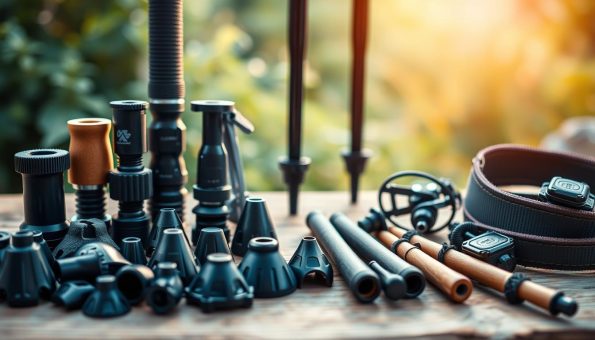
Winter-Ready Snow Baskets
Deep powder requires wider flotation. Cascade Tech includes 5″ diameter baskets with their sets—perfect for winter conditions. Smaller 2″ versions work better for packed trails.
| Basket Type | Best For | Installation |
|---|---|---|
| 5″ Powder | Deep snow | Snaps over existing tips |
| 2″ Trail | Hardpack | Twist-lock mechanism |
Pro tip: Neoprene sleeves add insulation for subzero grips. FiTiFT’s GPS mounts attach to basket bolts for navigation.
Tailored Straps for Comfort
Maggie Slepian swears by 1.5″ wide straps for weight distribution. Key features to consider:
- Moisture-wicking materials prevent blisters
- Quick-adjust buckles for slope changes
- Padded sections reduce wrist pressure
Waterproof map holders clip onto straps for easy access. For pavement walks, carbide tip protectors prevent premature wear.
These upgrades shine during multi-day backpacking trips. Whether adding emergency whistles or custom-colored grips, personalization boosts both comfort and confidence on the trail.
Budget-Friendly Carbon Fiber Options
Smart shoppers know quality gear doesn’t have to break the bank. Warehouse stores and outdoor brands now offer high-performance poles at unbeatable prices. Let’s explore two standout choices for cost-conscious hikers.
Costco’s Hidden Gem: Cascade Mountain Tech
Priced at just $30 per pair, Cascade Mountain Tech’s carbon poles surprise with trail-ready durability. Key features include:
- Aluminum-capped tips: Resist abrasion better than budget competitors
- Twist-lock system: Lightweight but requires frequent maintenance
- 1-year warranty: Shorter than premium brands but covers defects
Pro tip: These often appear seasonally at Costco—check inventory cycles in spring and fall.
Ozark Trail’s Aluminum Alternative
For $20, Walmart’s Ozark Trail offers a rugged aluminum pair. While heavier, they excel in:
| Feature | Ozark Trail | Cascade Tech |
|---|---|---|
| Weight (per pole) | 14 oz | 8.5 oz |
| Best For | Rocky terrain | Groomed trails |
| Return Policy | 90 days | Costco’s lifetime |
“My Ozark poles survived 500 desert miles—just sand down sharp edges after falls.” — FiTiFT field tester
Both brands share OEM suppliers with pricier labels, making them a value steal. FiTiFT’s price-match policy applies if you find identical models elsewhere.
Expert Tips for Buying Trekking Poles
Smart purchases begin with understanding key fitting principles. The right pole length and comfortable grip make all the difference on challenging trails. Follow these professional techniques to select equipment that matches your body and hiking style.
Matching Pole Length to Your Height
Black Diamond’s sizing chart recommends this formula: (your height x 0.68) + 1″ = ideal length. For example, a 5’10” hiker (70 inches) would need poles around 48.6 inches.
Field testing improves accuracy. Stand straight with arms at 90 degrees—the grip should touch your palm when the tip touches the ground. FiTiFT’s virtual fitting tool refines this using your:
- Arm span measurements
- Preferred hiking posture
- Common terrain angles
| Height Range | Suggested Length | Adjustment Range |
|---|---|---|
| 5’0″-5’6″ | 110-125 cm | +/- 5 cm |
| 5’7″-6’0″ | 125-135 cm | +/- 7 cm |
| 6’1″-6’6″ | 135-145 cm | +/- 10 cm |
Testing Grip Comfort Before Purchase
REI’s testing protocol evaluates three factors:
- Squeeze the grip for 30 seconds—check for pressure points
- Simulate downhill motion—watch for wrist strain
- Test with gloves if used in cold weather
Cascade Tech’s modifications prove helpful. Their cork grips require a 20-mile break-in period, while rubber versions feel comfortable immediately. Consider these during purchase:
- Hand circumference (measure around knuckles)
- Sweat patterns (cork wicks moisture better)
- Glove thickness in primary hiking seasons
“I heat-molded my grips using boiling water—now they fit like custom gloves.” — Appalachian Trail section hiker
FiTiFT’s loaner program lets you test different styles for 7 days. Compare return policies—REI offers 1 year, while specialty stores may have shorter windows.
Carbon Fiber Poles for Specialized Adventures
Specialized outdoor activities demand gear tailored to unique challenges. Whether sprinting rocky paths or crossing continents, your equipment must enhance performance without compromising safety. The right tools transform grueling adventures into rewarding experiences.
Trail Running Essentials
Speed-focused athletes need ultralight setups. REI’s Flash Carbon weighs just 6.4oz per pole—ideal for maintaining rhythm. Key considerations for runners:
- Vibration control varies by pace: 180 steps/minute creates different harmonics than hiking
- Folding designs (like FiTiFT’s Z-Pole) stow quicker during technical sections
- 100-mile wear tests show 0.3mm tip erosion on maintained paths
Hydration pack compatibility matters. Look for low-profile grips that won’t snag vest straps. Pro runners modify shock cords every 500 miles for consistent tension.
Backpacking and Thru-Hiking
Pacific Crest Trail veterans share hard-won wisdom about long-haul gear. Their top priorities:
- Resupply strategies: Mail replacement ferrules to major stops
- Vertical load capacity: 250+ lbs for river fording packs
- Emergency kits: Include epoxy putty for field repairs
“My FiTiFT Appalachian edition poles lasted 1,200 miles before needing new tips. That’s three resupplies on the AT.” — 2023 thru-hiker
Compare telescoping vs folding for your backpacking style. Mixed terrain often requires the adjustability of telescopic models, while folder fans prioritize pack space.
| Feature | Trail Running | Thru-Hiking |
|---|---|---|
| Ideal Weight | <10oz per pole | 12-15oz per pole |
| Key Upgrade | Quick-deploy clips | Reinforced joints |
| Maintenance Cycle | Every 300 miles | Every 500 miles |
Safety Considerations
The mountains don’t forgive mistakes, making gear reliability non-negotiable. When steep terrain meets equipment failure, the risk escalates rapidly.
When Poles Fail Where It Matters Most
AMGA reports show alarming trends:
- 17% of mountain rescues involve gear failure
- Carbon composites fail 3x faster on icy slopes
- Self-arrest success drops 40% without poles
“My father’s fall proved how quickly things go wrong. His pole snapped mid-descent, sending him sliding 30 feet before grabbing a root.” — Maggie Slepian
Smart Backup Strategies
For multi-day trips, FiTiFT recommends:
- Carry repair tape and splint materials
- Use quick-release straps as emergency cordage
- Share critical gear among group members
| Situation | Immediate Action | Long-Term Solution |
|---|---|---|
| Broken pole | Fashion splint with tape/tent pole | Ranger station loaner programs |
| Lost equipment | Satellite messenger alert | Pre-staged resupply boxes |
Pro tip: Practice hiking without poles monthly. This builds essential balance skills for emergencies.
Conclusion: Finding Your Perfect Pair
Your perfect hiking companion balances weight, durability, and comfort. Whether tackling rocky peaks or forest trails, matching gear to your needs ensures smoother adventures.
FiTiFT stands by its quality guarantees, offering tested designs for every skill level. Remember: lighter options excel on groomed paths, while rugged terrains demand reinforced joints.
Still unsure? Consult FiTiFT’s expert team for personalized advice. Upcoming innovations promise even smarter materials—stay tuned for blends that push limits.
Ready to explore? Check our buyer’s checklist for quick comparisons. Your ideal pair awaits, built to elevate every step.
FAQ
Are carbon fiber trekking poles worth the investment?
Yes! They’re lighter than aluminum, reduce fatigue on long hikes, and offer excellent shock absorption. Brands like Black Diamond and REI make durable options that last for years.
How do I choose the right grip material?
Cork molds to your hand and wicks sweat, foam is soft for long hikes, and rubber provides extra grip in wet conditions. Test them to see what feels best for you.
Can these poles handle rough terrain?
Absolutely. High-quality models like the Alpine Carbon Cork excel on rocky trails, but avoid excessive lateral force—carbon fiber is strong vertically but can snap under extreme side pressure.
What’s better: flick locks or twist locks?
Flick locks (like those on Cascade Mountain Tech poles) are easier to adjust mid-hike, while twist locks are more streamlined but can freeze in cold weather.
How do I maintain my poles for longevity?
A> Rinse off dirt after hikes, dry them fully before storage, and replace worn carbide tips. Check locking mechanisms regularly for smooth operation.
Are budget carbon fiber poles reliable?
Surprisingly, yes! Costco’s Cascade Mountain Tech poles offer great value, though premium brands like REI Flash Carbon add features like compact folding for backpackers.
When should I replace my trekking poles?
Look for cracks, loose locks, or worn grips. If you’re tackling tougher trails like thru-hikes, upgrading to reinforced models (e.g., Black Diamond) boosts safety.
Do I need special accessories?
A> Snow baskets are essential for winter, while custom straps (like Komperdell’s) ease wrist strain. Many brands sell replacement parts to extend your poles’ life.