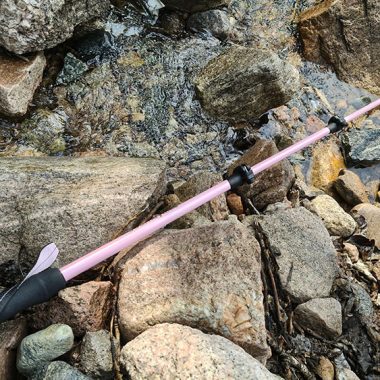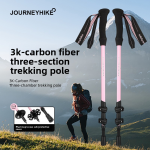

Carbon fiber trekking poles have become essential gear for hikers and trekkers seeking to elevate their outdoor experience. This innovative equipment not only offers superior support but also enhances your overall stability and mobility on various terrains. With the right understanding, you can leverage their unique features to significantly elevate your hiking experiences.
The Benefits of Carbon Fiber Trekking Poles
When venturing into the wilderness, the importance of having reliable gear cannot be overstated. Among these, carbon fiber trekking poles stand out due to a range of benefits that cater to hikers of all levels. Their lightweight construction, durability, and ergonomic design contribute to a more enjoyable trekking experience.
Enhanced Stability and Balance
One of the major benefits of using carbon fiber trekking poles is the increased stability they provide.
When traversing rugged terrains, maintaining balance can be challenging. Carbon fiber poles offer:
- Improved Weight Distribution: These poles help distribute weight evenly across your body, enabling better posture while walking.
- Shock Absorption: The inherent flexibility of carbon fiber allows it to absorb shocks effectively, reducing strain on joints while hiking downhill or navigating rocky paths.
By using trekking poles, you can confidently navigate uneven surfaces, ensuring that you maintain balance even in tricky situations.
Reduced Fatigue and Strain
Long hikes can lead to fatigue, especially if you’re carrying a heavy backpack. Utilizing carbon fiber trekking poles can significantly reduce the strain on your muscles and joints:
- Upper Body Engagement: Trekking poles engage your upper body, which allows you to share the load between your legs and arms. This engagement redistributes effort, making long treks more manageable.
- Decreased Joint Stress: By providing additional points of contact with the ground, carbon fiber trekking poles lessen the impact on your knees and ankles, reducing the risk of injury over time.
Incorporating them into your hiking routine allows you to hike longer distances without feeling as fatigued, ultimately enhancing your experience.
Versatile Terrain Adaptability
Every hike presents its own challenges, whether you’re scaling steep terrain, crossing streams, or maneuvering through brush. Carbon fiber trekking poles are designed for versatility:
- Adjustable Height: Many trekking poles come with adjustable height features, allowing you to customize the length based on the terrain. This adaptability ensures you maintain optimal posture, regardless of the hiking conditions.
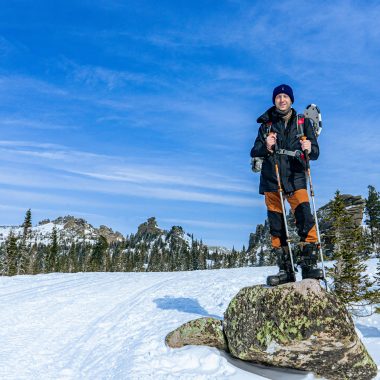
- All-Terrain Grip: The tips of carbon fiber trekking poles often feature interchangeable baskets or rubber tips, allowing them to grip more effectively on different surfaces, such as mud, snow, or gravel.
This versatility means you can take your trekking poles anywhere—whether you’re on a mountain trail or walking through an urban park.
Lightweight Performance: Exploring Carbon Fiber’s Advantage
The lightweight nature of carbon fiber trekking poles is one of their defining characteristics, making them a preferred choice among avid hikers. This section will delve into how this unique material translates to performance advantages on the trail.
The Importance of Weight in Hiking Gear
When selecting hiking gear, weight plays a critical role in your overall trekking experience.
A lighter pack can lead to:
- Increased Endurance: Carrying less weight allows you to conserve energy, helping you tackle longer trails without succumbing to fatigue.
- Enhanced Mobility: Lighter gear enables quicker movements, making it easier to navigate tricky terrains or quickly adjust your course.
As such, carbon fiber trekking poles, which weigh significantly less than their aluminum counterparts, ensure that you achieve peak performance without being weighed down.
Construction of Carbon Fiber
Understanding how carbon fiber is made provides insight into its numerous advantages:
- Composite Material: Carbon fiber is composed of thin strands of carbon that are woven together and heated, resulting in a lightweight yet incredibly strong material.
- Stiffness-to-Weight Ratio: The stiffness of carbon fiber contributes to its minimal flex under pressure, alleviating concerns about breakage during rigorous use while maintaining a low weight.
The technology behind carbon fiber poles contributes significantly to their lightweight performance, offering unparalleled support without added heft.
User Experience: Hiker Testimonials
Real-life testimonials from seasoned hikers reveal the profound impact that carbon fiber trekking poles can have on hiking enjoyment:
- Increased Comfort: Many users report enhanced comfort during long hikes, noting that the reduced weight of the poles minimizes hand fatigue.
- Performance Improvement: Hikers appreciate the boost in performance that comes from using poles that don’t add unnecessary bulk, allowing for quicker ascents and smoother descents.
Such accounts illustrate the real-world benefits of investing in quality trekking poles, specifically those crafted from carbon fiber.
Durability and Maintenance of Carbon Fiber Trekking Poles
While lightweight and performance-oriented, carbon fiber trekking poles also excel in terms of durability. Understanding their maintenance needs can help you maximize their lifespan and reliability on the trail.
Longevity of Carbon Fiber
Carbon fiber has a unique strength that sets it apart from other materials:
- Resistance to Corrosion: Unlike metal poles, carbon fiber does not rust. It can withstand harsh environmental conditions, including rain and snow, without suffering damage.
- Flexibility Without Breakage: Carbon fiber poles can endure significant bending forces without breaking, provided they are used within their limits. This resilience makes them suitable for various hiking conditions.
Investing in carbon fiber trekking poles means you’re opting for gear that can accompany you on countless adventures without deteriorating over time.
Care and Maintenance Tips
To ensure that your carbon fiber trekking poles remain in top condition, consider the following maintenance tips:
- Regular Inspection: After each trek, inspect your poles for any signs of wear or damage. Check the grips, sections, and locking mechanisms to ensure everything functions properly.
- Cleaning: After exposure to mud or water, make sure to clean your trekking poles with mild soap and water. Avoid abrasive materials that could scratch the surface.
- Proper Storage: Store your poles in a cool, dry place away from direct sunlight. Extreme temperatures can affect the integrity of the materials over time.
Taking care of your trekking poles enhances their performance and extends their life, making them a valuable investment for years to come.
Common Issues and Solutions
Even with proper care, you may encounter issues with your carbon fiber trekking poles. Here are a few common problems and solutions:
- Slipping Sections: If the pole sections slip when locked, try cleaning the locking mechanisms or applying a small amount of lubricant to keep them functioning smoothly.
- Damaged Grips: If the grips start to wear out or feel slippery, consider replacing them with new ones or wrapping them in grip tape for added security.
Addressing these minor issues promptly can prevent them from becoming major problems, ensuring that your trekking poles are always ready when you hit the trail.
Choosing the Right Carbon Fiber Trekking Poles for Your Needs
Selecting the perfect carbon fiber trekking poles involves considering several factors to ensure they meet your specific hiking requirements. This section will guide you through the decision-making process.
Determine Your Hiking Style
Your hiking style greatly influences the type of trekking poles that will best suit you:
- Casual Walks vs. Technical Trails: If you primarily enjoy leisurely walks, you may prefer lighter poles focused on comfort. For technical trails, a sturdier option with additional features—like shock absorption—may be more suitable.
- Frequency and Duration: Consider how often you hike and the duration of your trips. If you’re a frequent hiker or tackling multi-day trips, investing in high-quality poles designed for extended use is wise.
Identifying your hiking style helps narrow down your options, ensuring you choose poles that enhance your experience rather than hinder it.
Essential Features to Look For
When evaluating different carbon fiber trekking poles, pay attention to the following features:
- Grip Material: Opt for ergonomic grips made from comfortable materials like cork or foam. A good grip reduces hand fatigue during long treks.
- Locking Mechanism: Choose poles with sturdy locking mechanisms, such as twist locks or lever locks, that secure the pole’s length adjustments reliably.
- Weight Capacity: Ensure the poles can support your weight and any additional gear you’re carrying. Most manufacturers provide weight limits, so check these specifications before purchasing.
Carefully considering these features ensures you select poles tailored to your specific hiking needs and preferences.
Budget Considerations
Carbon fiber trekking poles can vary significantly in price. When budgeting for your purchase, consider the following:
- Quality vs. Cost: Higher-priced models often offer enhanced durability and advanced features. Investing more upfront can save money on replacements and repairs in the long run.
- Brand Reputation: Research reputable brands known for producing high-quality trekking poles. Customer reviews and ratings can provide insights into their reliability and performance.
Finding a balance between quality and cost will enable you to make a wise investment that aligns with your hiking goals.
Carbon Fiber vs. Aluminum: A Trekking Pole Comparison
Choosing between carbon fiber and aluminum trekking poles can be a daunting task, given the merits of both materials. Here’s a comprehensive comparison to help you make an informed decision.
Weight Differences
One of the most notable differences between carbon fiber and aluminum poles is weight:
- Carbon Fiber: Generally lighter than aluminum, making them ideal for long-distance hikes where every ounce counts.
- Aluminum: Heavier, which might be a disadvantage for long treks but may be beneficial for sturdiness.
For hikers looking for lightweight options for extended journeys, carbon fiber poles are the clear winner.
Strength and Durability
Both materials have strengths and weaknesses regarding durability:
- Carbon Fiber: Offers superior flexibility and strength, able to withstand bending forces without breaking. However, they can be more prone to fractures if subjected to extreme force.
- Aluminum: Known for its toughness; it withstands abuse better without breaking but can dent or bend under extreme stress.
If you’re concerned about durability in rough conditions, aluminum might be the better choice. However, if weight is your primary concern, carbon fiber excels.
Price and Value
Budget considerations can also influence your choice:
- Carbon Fiber: Typically more expensive due to the manufacturing process and performance benefits. They represent an investment in quality and longevity.
- Aluminum: Generally more affordable, making them accessible for casual hikers or those just starting.
Ultimately, your budget and hiking frequency will dictate the value you’ll derive from either option.
Maximizing Performance: Tips for Using Carbon Fiber Trekking Poles
Once you’ve chosen your carbon fiber trekking poles, learning how to use them effectively can enhance your hiking experience. Below are some tips for maximizing your performance on the trail.
Proper Use Techniques
Using your trekking poles correctly can significantly improve your efficiency:
- Adjusting Length: Ensure your poles are adjusted to the appropriate length for the terrain. Shorter lengths are ideal for uphill climbing, while longer lengths aid in downhill stability.
- Using a Natural Rhythm: Sync your pole movements with your steps. For example, move your right pole forward with your left foot. This rhythm helps maintain balance and momentum.
Mastering these techniques can transform your hiking experience, making each step feel more fluid and controlled.
Training for Technique
Before embarking on challenging hikes, consider practicing your pole technique:
- Practice on Flat Terrain: Start by walking on flat ground to develop a sense of coordination between your feet and poles.
- Vary Terrain: Gradually introduce incline and decline into your practice sessions to prepare for diverse hiking conditions.
Training with your poles familiarizes you with their handling and builds muscle memory, leading to enhanced performance during your actual hikes.
Staying Engaged with the Trail
Particularly on longer hikes, your mental engagement with the trail matters:
- Be Present: Stay aware of the terrain ahead and your surroundings. This mindfulness allows you to anticipate changes in elevation or obstacles and react accordingly.
- Set Pace Goals: Challenge yourself with pace goals throughout your hike. Use your poles to propel yourself forward, encouraging a steady tempo.
Maintaining focus on the trail with your trekking poles can enrich the hiking experience, fostering a greater connection with nature.
Conclusion
Carbon fiber trekking poles are an invaluable tool for any hiker looking to enhance their outdoor adventures. Their lightweight design, durability, and adaptability to varied terrains set them apart, making them an ideal companion for both novice and experienced trekkers alike. By understanding the benefits, proper usage, and selection criteria of these poles, you can turn your hiking trips into more enjoyable and efficient excursions. Whether you are preparing for a casual stroll or a challenging summit, investing in quality carbon fiber trekking poles will undoubtedly elevate your experience on the trail.