Choosing the right equipment is vital for a great day outdoors. For walkers and backpackers, proper gear selection affects both comfort and safety on the path. The correct measurement of your equipment directly influences your endurance and security during an adventure.
This comprehensive resource offers professional advice for selecting the perfect dimensions for your outdoor excursions. It ensures you achieve maximum comfort and performance on every trail you explore. Understanding proper sizing is fundamental to your safety while hiking.
Incorrectly sized equipment can hurt your balance and put more stress on your joints. It also reduces how well your gear works on tough trips. This guide explains the link between your body, your style, and the best size for you.
It provides different ways to measure, fitting various user preferences and skill levels. FiTiFT specializes in high-quality outdoor sports gear. Our products meet the needs of enthusiasts across all types of terrain and weather.
Whether you are new to buying gear or an expert looking to improve your setup, this guide helps. It gives you useful information based on real-world testing and industry knowledge.
Key Takeaways
- Proper equipment sizing is crucial for comfort, endurance, and safety during outdoor activities.
- Incorrectly sized poles can negatively impact your balance and increase stress on your joints.
- The ideal pole size depends on your individual body proportions and personal hiking style.
- Multiple measurement methods are available to suit different preferences and experience levels.
- FiTiFT provides high-quality gear designed for diverse terrain and weather conditions.
- This guide offers actionable advice for both first-time buyers and experienced hikers.
- Optimizing your gear setup enhances overall performance and enjoyment on the trail.
Understanding the Importance of the Right Trekking Pole Length
Getting the measurement right for your supportive gear can make the difference between an enjoyable hike and a painful experience. Proper equipment dimensions serve as your foundation for outdoor success.
Why Proper Sizing Matters for Outdoor Safety
Correctly adjusted walking aids provide essential stability on uneven ground. They significantly reduce the risk of falls and ankle injuries during your outdoor adventures.
When poles fit properly, they transfer approximately 20% of your body and pack weight from your legs to your upper body. This redistribution protects your joints from excessive stress during long excursions.
Key Factors Influencing Pole Length Selection
Several personal factors determine the ideal measurement for your equipment. Your height, arm length, and torso proportions all play crucial roles in finding the perfect fit.
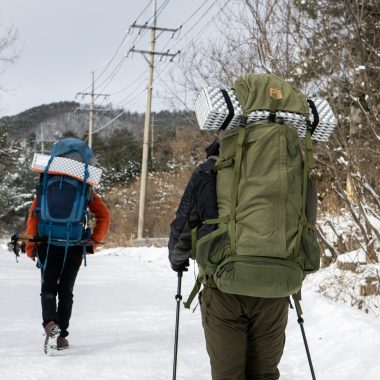
Your typical terrain and hiking style also influence the optimal sizing. Heavy packs can alter your balance requirements, making proper adjustment even more important for trail safety and comfort.
Overview of FiTiFT’s High-Quality Outdoor Sports Gear
Investing in premium outdoor equipment transforms your trail experience from ordinary to exceptional. FiTiFT designs gear that meets diverse needs across various conditions.
Innovative Features of FiTiFT Equipment
The company combines advanced materials with ergonomic design principles. This approach enhances performance while reducing user fatigue during extended activities.
Each product line incorporates user-focused innovations. These include adjustable mechanisms and comfortable grip designs. Interchangeable tip systems accommodate different hiking styles.
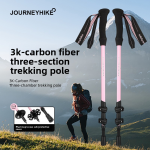
Featured Product: 3K Carbon Fiber Trekking Poles (2-pack)
This model represents the pinnacle of lightweight engineering. It offers exceptional strength-to-weight ratio for serious adventurers.
Superior vibration dampening absorbs trail shock that would otherwise travel through your arms. This reduces fatigue on multi-hour journeys. The matched pair ensures balanced four-point contact support.
Beyond carbon fiber options, FiTiFT provides aluminum alternatives. This gives customers meaningful choice based on specific priorities. You can explore specifications at their product page.
“The right equipment should feel like an extension of your body, not an added burden.”
Tips for Measuring Your Body for Accurate Pole Sizing
Taking accurate body measurements is the first step toward equipment that feels like a natural extension. Proper measurement techniques ensure your gear supports your movements rather than working against them.
Using Height and Elbow Measurements
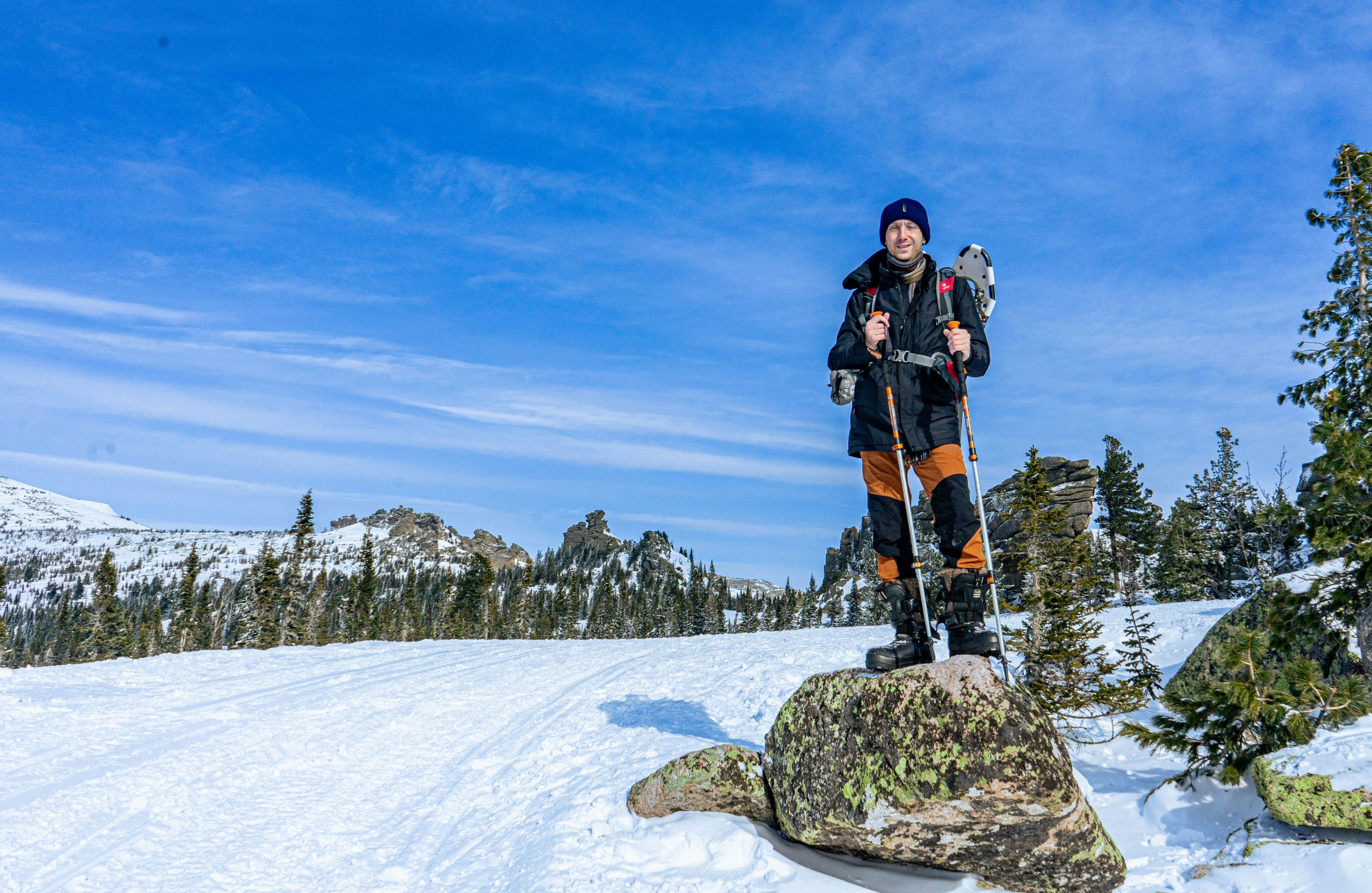
Start by standing upright on level ground. Wear your typical hiking footwear for accurate results. Position the equipment tip beside your foot while holding the grip comfortably.
Your upper arm should hang naturally at your side. The forearm extends forward horizontally. This creates the critical 90-degree angle at the elbow joint.
Body proportion variations mean two people of identical height may need different equipment sizes. The elbow measurement method often proves more accurate than height charts alone.
Applying the 90-Degree Elbow Rule
This technique provides the most reliable method for determining proper equipment dimensions. Stand with your arms hanging naturally at your side. Bend your elbow to create a perfect right angle.
Adjust the equipment until the tip rests comfortably on the ground. The distance from your elbow to the floor serves as a good starting point. Add 6-8 inches to account for grip height and hand positioning.
Test the measurement by walking a few steps. Check that the angle remains comfortable during movement. For precise sizing, wear your typical hiking backpack during measurement.
carbon trekking pole length guide: Step-by-Step Process
Determining optimal gear measurements involves both scientific calculation and real-world validation for reliable results. This systematic approach ensures your outdoor accessories provide maximum support and comfort.
Simple Formulas and Measurement Charts
Start with the universal formula: multiply your stature in centimeters by 0.68. This calculation provides a precise starting measurement for most individuals.
For quick reference, consult this comprehensive chart:
| Height Range | Recommended Starting Measurement | Adjustable Range Coverage |
|---|---|---|
| Under 5’1″ | 100 cm | Standard models typically cover this size |
| 5’1″ to 5’7″ | 110 cm | Fits within most adjustable equipment ranges |
| 5’8″ to 5’11” | 120 cm | Ideal for average adult proportions |
| 6’0″ and above | 130 cm | Requires extended range options |
Most quality adjustable models feature three telescoping sections. These allow customization from approximately 105 to 130 cm.
Demonstrating the Process with Real Examples
Consider a person standing 5’6″ (168 cm). Their calculation would be 168 × 0.68 = 114 cm. This falls perfectly within the 110 cm recommendation for their height category.
Another example: a 6’2″ outdoor enthusiast (188 cm) calculates 188 × 0.68 = 128 cm. This confirms they need equipment extending to at least 130 cm.
“The mathematical approach provides an excellent foundation, but personal comfort should always guide final adjustments.”
Verify your calculated measurement by standing with the equipment set to that dimension. Check for the proper 90-degree elbow angle during movement. Fine-tune in 5 cm increments based on comfort.
Most adjustable models feature clear markings at regular intervals. This makes it easy to record your preferred setting for future use without repeating the entire process.
Choosing Between Carbon Fiber and Aluminum Materials
The material composition of your hiking equipment significantly impacts performance across different outdoor environments. This decision affects weight, durability, and vibration absorption capabilities. FiTiFT offers both material types to suit various hiking styles.
Comparing Weight and Durability
Carbon fiber models provide exceptional lightweight construction. They typically weigh 30-40% less than aluminum counterparts. This reduction minimizes arm fatigue during extended excursions.
Durability characteristics differ between materials. Aluminum bends under stress rather than breaking catastrophically. Carbon maintains rigidity until reaching failure point.
Vibration dampening is superior in carbon construction. It absorbs trail shock more effectively than aluminum. This reduces impact stress on your joints.
Selecting the Best Material for Your Terrain
Your terrain should guide your material preference. Carbon excels on established trails and long-distance routes. It’s ideal for ultralight backpacking where every ounce matters.
Aluminum performs better in rugged mountaineering conditions. It handles rock scrambling and unpredictable support situations well. This material offers proven reliability at an affordable price point.
FiTiFT’s product line includes both 3K Carbon Fiber and Premium 7075 Aluminum options. Your personal choice depends on hiking style, budget, and typical trail conditions.
Adjusting Your Trekking Poles for Varied Trail Conditions
Mastering trail adjustments transforms your walking aids from simple accessories to essential performance tools. Proper configuration maximizes stability and efficiency across changing landscapes.
Your equipment should adapt to the ground beneath your feet. Different situations demand specific settings for optimal support.
Uphill vs. Downhill Adjustments
During ascents, shorten your equipment by 5-10 centimeters based on slope steepness. This maintains the optimal arm angle for effective propulsion.
For descents, extend the same amount to plant your tools comfortably ahead. This creates stable anchor points that reduce knee impact.
On flat sections, return to your baseline measurement. This provides balanced support without constant readjustment.
Fine-Tuning for Rough Terrains
Mixed conditions benefit from middle-distance settings. These accommodate both slight inclines and declines effectively.
Consider asymmetric lengths when traversing sidehills. The upslope side often needs extra reach for better balance.
Stream crossings and obstacles require extended equipment. This allows depth probing and gap reaching without committing full weight.
Develop proactive adjustment habits before terrain changes. Attempting modifications during challenging sections divides attention and increases risk.
The way you use adjustable equipment should become intuitive with experience. Recognize transitions in advance for quick 5cm changes that maintain comfort throughout your hiking journey.
Ergonomics: Grip, Straps, and Weight Distribution Strategies
Ergonomic design principles transform simple walking aids into comfortable extensions of your body. Well-engineered contact points prevent hand strain during long excursions, making every mile more enjoyable.
Importance of Comfortable Grips
The right grip material makes a significant difference in comfort. EVA foam offers lightweight performance with excellent moisture management. It wicks sweat away effectively during strenuous activity.
Cork handles provide natural cushioning that molds to your hand shape over time. Rubber delivers maximum durability but may become slippery when wet. Your choice depends on climate conditions and personal preference.
FiTiFT products feature carefully selected handle materials. Their anatomically shaped contours accommodate diverse hand sizes for maximum comfort.
Maximizing Support with Proper Strap Usage
Correct strap technique enhances security while reducing grip pressure. Insert your hand upward through the strap from below, then grasp the handle. The strap should pass between your palm and the grip.
This method creates a supportive cradle that distributes load away from your grip muscles. It significantly reduces hand and forearm fatigue during thousands of pole plants.
Proper weight distribution ensures efficient transfer from your legs to upper body. Adjustable systems should be customized to your hand size and glove usage. FiTiFT’s ergonomic philosophy incorporates these principles for extended outdoor adventures.
Maintenance and Care for Long-Lasting Trekking Poles
Proper maintenance routines significantly extend the functional lifespan of your outdoor equipment. Consistent care prevents premature wear and ensures reliable performance during critical moments on the trail.
Cleaning and Regular Inspections
After each use, separate all pole sections completely. Wipe each segment thoroughly with a clean cloth to remove dirt and debris. This simple step prevents abrasive particles from damaging locking mechanisms.
Allow all components to air dry completely before storage. Trapped moisture can cause corrosion in metal parts. For interior cleaning after muddy conditions, use a cloth-wrapped rod to reach inside the sections.
Periodically clean twist-lock components with rubbing alcohol. This removes oils and debris that compromise secure operation. Regular inspection before each outing is equally important.
| Maintenance Task | Frequency | Key Steps |
|---|---|---|
| Basic Cleaning | After each use | Separate sections, wipe clean, air dry |
| Lock Mechanism Care | Monthly | Alcohol cleaning, function testing |
| Full Inspection | Before each hike | Check locks, inspect shafts, verify tips |
| Deep Cleaning | After muddy trips | Interior cleaning, component drying |
Best Storage Practices to Prevent Wear
Store your equipment in cool, dry locations away from direct sunlight. Extreme temperatures can weaken materials over time. Ideally, hang or stand poles upright rather than leaning them at angles.
This prevents gradual bending of sections and stress on locking mechanisms. Understanding that components are replaceable makes quality trekking poles a long-term investment. Worn tips and damaged baskets can be replaced individually.
These maintenance tips ensure your poles remain trustworthy companions for years of outdoor adventures. Proper care transforms them from simple tools into reliable extensions of your hiking strategy.
Expert Tips and Advice for First-Time Pole Users
For beginners, mastering the coordination between movement and equipment creates a foundation for enjoyable adventures. Proper technique ensures your gear enhances rather than hinders your outdoor experience.
Establishing a Natural Walking Rhythm
The natural movement pattern involves opposite arm and leg coordination. When your right leg steps forward, your left trekking pole should swing ahead.
This mirrors the arm swing that occurs during normal walking. If coordination feels awkward, simply lift both poles and walk normally for several steps.
Practice the motion while standing in place before your first hiking trip. Consistent use helps develop muscle memory faster than occasional deployment.
Overcoming Initial Adjustment Challenges
First-time users often experience an adjustment period where coordination feels unnatural. Most people need three to five outings before pole usage becomes second nature.
Start with shorter hikes on easier terrain where you can focus on technique. Avoid gripping too tightly, as this causes hand fatigue during extended hiking.
The stability benefits become apparent on challenging surfaces like stream crossings or loose rocks. This four-point contact system protects your knees and enhances balance.
Plant your hiking poles comfortably close to your body rather than far forward. Trust that temporary awkwardness gives way to lasting benefits for your arms and joints.
Real-World Sizing Examples and User Experiences
Real-world trail testing often reveals nuances that measurement formulas cannot capture. Actual user experiences provide practical insights that complement technical approaches to equipment sizing.
Case Studies from the Trail
Maria stands 5’4″ and initially used the standard 110cm recommendation. She discovered that extending her pair to 115cm better accommodated her longer arms.
This adjustment improved her stability on uneven surfaces. James, at 6’1″, found 130cm worked for day hikes but required shortening to 125cm with heavy packs.
The table below shows how personal factors influence final preferences:
| User Height | Starting Measurement | Final Preference | Key Adjustment Factor |
|---|---|---|---|
| 5’4″ (163cm) | 110cm | 115cm | Longer arm proportion |
| 6’1″ (185cm) | 130cm | 125cm (with pack) | Posture change under load |
| 5’8″ (173cm) | 120cm | 118cm | Technical terrain preference |
Testimonials and Insider Recommendations
Experienced users consistently emphasize the value of adjustable equipment during learning phases. Many refine their preferred settings by 5-10cm over their first season.
One Appalachian Trail hiker adjusted equipment multiple times daily. Shortening for ascents and extending for descents demonstrated practical value.
FiTiFT users report exceptional performance on long-distance routes. The lightweight construction reduces arm fatigue over 15-20 mile days. These experiences reinforce that personal preference developed through actual use remains the ultimate determinant.
Conclusion
Properly sized walking aids transform your hiking experience from strenuous to effortless. This comprehensive guide has demonstrated how correct equipment sizing directly impacts your safety, comfort, and trail performance.
Multiple reliable methods help determine your ideal equipment length. These approaches accommodate individual body proportions and personal preference. Understanding material distinctions allows informed selection between different types.
Proper adjustment techniques maximize stability benefits across varied terrain. This proactive way of using equipment ensures optimal performance as conditions change. The right pair significantly reduces stress on your knees and joints.
FiTiFT’s high-quality trekking poles exemplify the performance serious hikers demand. Their innovative features accommodate diverse needs across various conditions. Exploring FiTiFT’s product range represents an excellent next step in upgrading your outdoor equipment.
Your perfect fit awaits – discover how quality poles can elevate every adventure.
FAQ
Why is the correct sizing for my hiking poles so important?
Proper sizing is critical for safety and comfort on the trail. Poles that are too long or short can strain your shoulders, wrists, and back. The right size enhances stability, reduces impact on your knees, and improves your overall hiking efficiency.
What is the best way to measure for my ideal pair of poles?
The most reliable method is the 90-degree elbow rule. Stand with your arms at your sides, bend your elbow to a right angle, and measure the distance from the ground to your hand. This measurement typically provides a great starting point for your gear.
How do I adjust my equipment for uphill and downhill sections?
For uphill terrain, shorten each section slightly to maintain power and leverage. When descending, lengthen them to provide better support and reduce stress on your joints. Always make small adjustments to find what feels most stable.
What are the benefits of carbon fiber over aluminum for my gear?
Carbon fiber models are significantly lighter, which reduces fatigue on long-distance treks. They also offer excellent vibration dampening on hard surfaces. Aluminum options are generally more durable and cost-effective for rough, rocky paths.
How should I use the wrist straps correctly?
Slide your hand up through the strap from the bottom so the loop rests between your thumb and index finger. Then, grip the handle. This technique transfers weight to your arms through the strap, not your grip, improving efficiency and reducing hand fatigue.
What type of handle material is best for all-day comfort?
Cork handles are popular as they mold to your hand over time and wick away moisture. Foam grips are soft and excellent for absorbing sweat. The choice often comes down to personal preference and the typical climate you hike in.
How do I maintain my poles to ensure they last?
Rinse them with fresh water after each use, especially if you’ve been in mud or saltwater. Regularly inspect the locking mechanisms for dirt and wear. Store them extended in a cool, dry place to keep the internal components in good condition.