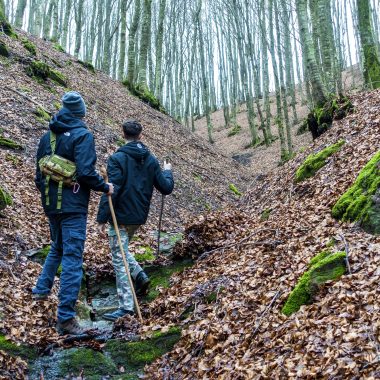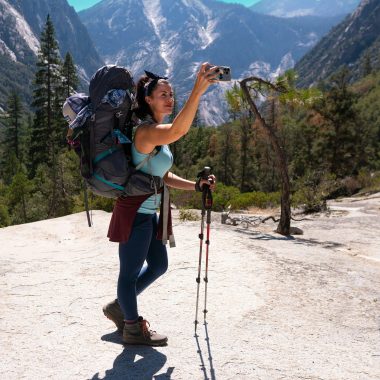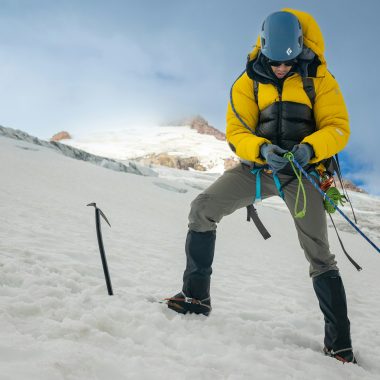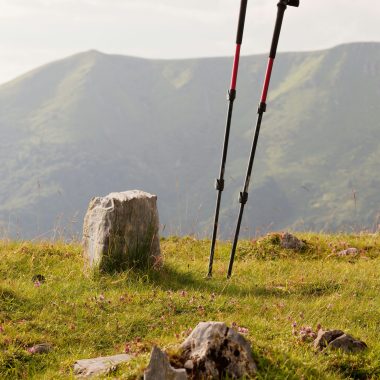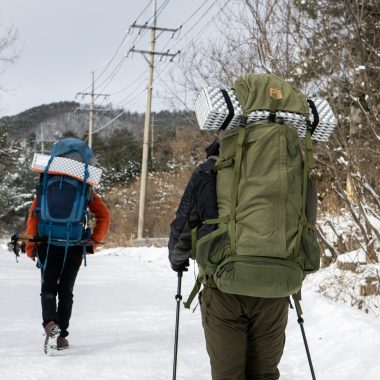
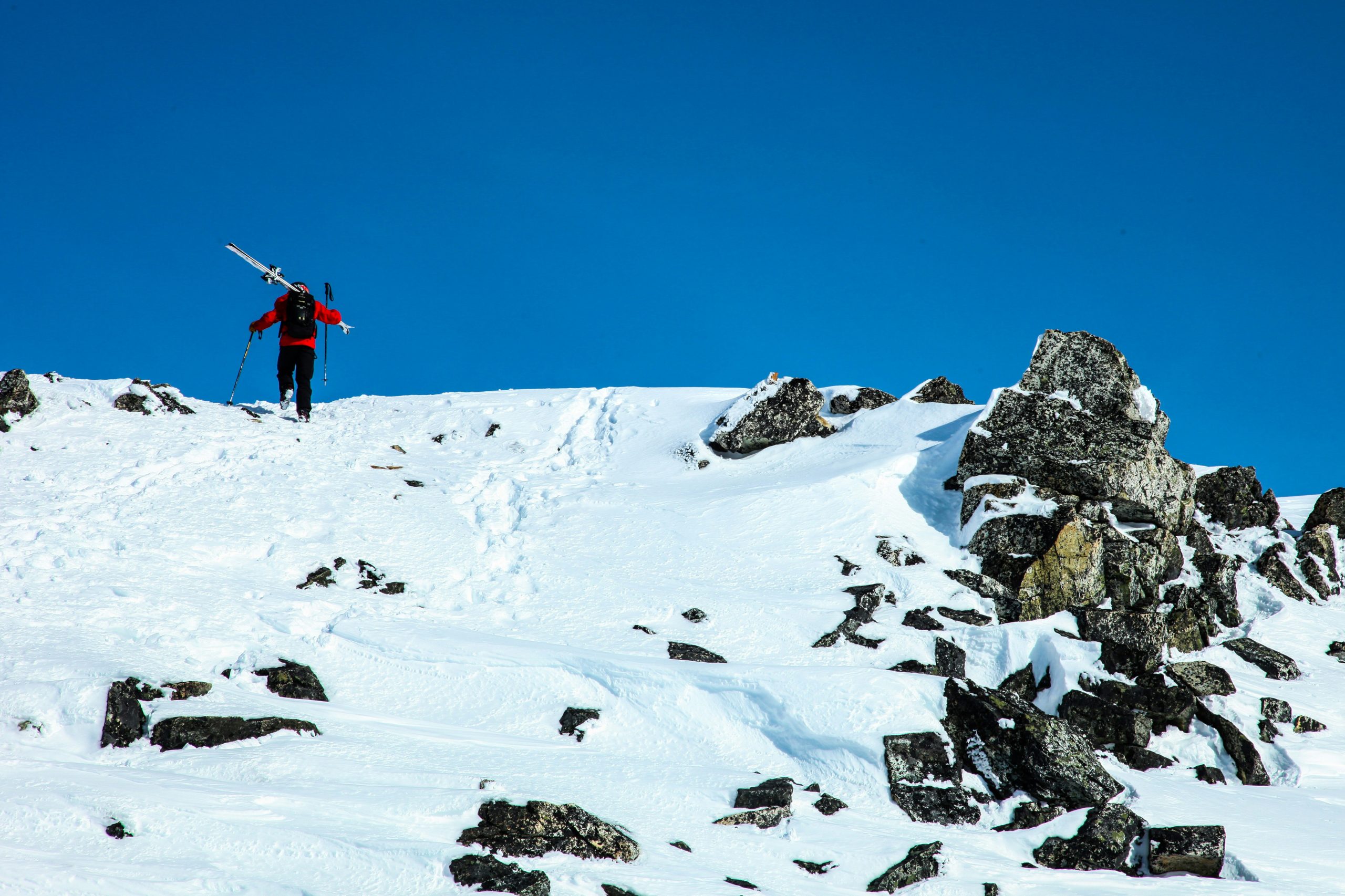
Many outdoor enthusiasts discover a simple truth. Once they start using trekking poles, they rarely hit the trail without them again. These tools provide crucial stability and support.
Using poles significantly reduces the chance of accidental falls. They also lessen strain on your legs, knees, feet, and back. This makes your entire hiking experience safer and more enjoyable.
Our expertise comes from extensive field testing. We have covered thousands of miles over more than 25 years. Our journeys include rugged ranges like Wyoming’s Wind River Range and the Grand Canyon.
FiTiFT is a provider of high-quality outdoor sports gear. We design equipment that meets the diverse needs of adventurers. This guide will help you find the perfect poles for your adventures.
We will break down critical features like materials, weight, and locking mechanisms. This information empowers you to make a smart, informed decision for your next outing.
Key Takeaways
- Trekking poles greatly improve stability and safety on the trail.
- They reduce physical strain on your joints and muscles during activity.
- Selecting the right poles depends on factors like material and lock type.
- Expert testing in various terrains ensures reliable recommendations.
- The correct gear enhances your comfort and enjoyment outdoors.
- Informed choices lead to better performance and longer-lasting equipment.
Overview of Trekking Poles and Their Benefits
These versatile tools serve as extensions of your arms, creating a stable tripod system with each step. Trekking poles fundamentally change how your body handles outdoor activities. They redistribute effort and absorb impact more efficiently.
The biomechanical advantages are significant. With proper use, poles transfer up to 20% of your body weight from lower to upper limbs. This reduces cumulative stress on knees, ankles, and hips during long hikes.
While pole users may burn slightly more calories, the benefits outweigh this factor. Reduced lower body fatigue and joint protection make these tools invaluable. They help prevent acute injuries from slips on uneven terrain.
The tripod effect provides exceptional stability on technical sections and stream crossings. This enhanced balance boosts hiking confidence and endurance. Users can tackle more challenging distances while maintaining better posture throughout their journey.
Trekking poles represent one of the most transformative equipment choices for outdoor enthusiasts. Their impact on safety, efficiency, and long-term joint health makes them essential gear.
Importance of Trekking Poles for Outdoor Safety and Stability
The wilderness presents unpredictable conditions where stability becomes paramount for safe passage. Proper equipment selection directly influences your security on various landscapes.
Enhancing Balance and Reducing Fall Risks
These tools create additional contact points with the ground. This significantly improves stability on challenging surfaces.
Stream crossings benefit greatly from pole usage. Moving water and slippery rocks become manageable with extra support. The tripod effect prevents unexpected slips.
Steep downhill sections strain knees and increase fall potential. Using poles absorbs impact and provides braking assistance. This reduces injury likelihood during descents.
Conserving Energy on Long Hikes
Distance hiking demands efficient energy management. Poles distribute effort across your entire body rather than concentrating it in legs.
This approach maintains stamina over extended miles. Multi-day trips become more enjoyable with reduced fatigue.
Technical terrain requires careful navigation. Snow fields and talus slopes become safer with probing capability. Uncertain footing gains reliability through additional support points.
| Terrain Type | Safety Challenge | Pole Benefit |
|---|---|---|
| Stream Crossings | Slippery rocks, moving water | Extra contact points for stability |
| Steep Descents | Knee strain, fall risk | Impact absorption, braking assistance |
| Snow Fields | Unstable surface, hidden obstacles | Probing capability, weight distribution |
| Talus Slopes | Unsteady footing, hopping required | Additional support points, balance aid |
Types of Trekking Poles: Collapsible Versus Folding Designs
Two primary designs dominate the trekking pole market: collapsible telescoping models and compact folding versions. Each offers distinct advantages for different hiking scenarios and user preferences.
Understanding these design differences helps match equipment to specific outdoor activities. The choice impacts performance, durability, and convenience on the trail.
Advantages of Collapsible Poles
Traditional collapsible poles feature telescoping sections that slide into each other. They typically consist of three sections with excellent length adjustability.
These poles offer a wide range of extension, from approximately 24 inches collapsed to 51 inches fully extended. This versatility suits various users and terrain types.
Collapsible designs provide superior sturdiness for heavy backpacking loads. They excel in winter backcountry touring and rugged off-trail adventures where reliability matters most.
Benefits of Folding Poles
Folding poles utilize a cord-connected system that compresses sections alongside each other. They achieve remarkably small packed lengths of 13-16 inches.
This compact design makes folding poles ideal for travel and ultralight pursuits. They fit entirely inside carry-on luggage and small packs without protruding.
While offering limited length adjustment, their packability is unmatched. Users must balance this convenience against potential durability concerns from multiple connection points.
Key Features to Consider in Trekking Pole Selection
When evaluating hiking poles, certain technical characteristics demand primary attention. These specifications determine performance across different terrains and user needs.
Weight and Material Considerations
Weight serves as the primary distinguishing factor for trekking equipment. Poles fall into three categories: ultralight (under 12 ounces per pair), lightweight (12-15.9 ounces), and sturdy options (over 16 ounces).
Material selection involves tradeoffs between carbon fiber and aluminum. Carbon offers weight savings while aluminum provides superior durability for challenging conditions.
Adjustability and Locking Mechanisms
Adjustability features determine a pole’s versatility for different users and applications. Some models offer extensive range while others come in fixed lengths.
Locking systems—lever-lock or twist-lock—impact reliability during demanding use. Each mechanism has distinct advantages for field adjustments and load resistance.
How to choose the best trekking poles?
Personal testing reveals more about pole suitability than any specification sheet. Borrowing equipment from fellow hikers provides valuable hands-on experience. This approach helps newcomers understand proper technique before investing.
Consider your primary outdoor activities when evaluating poles. Day hiking demands different features than multi-day backpacking or snowshoeing. Most quality poles perform well across various uses, but identifying your main use case ensures optimal selection.
Key factors include weight, adjustment mechanisms, and material construction. Your physical attributes and any joint concerns should guide decisions about grip comfort and shock absorption. Terrain type significantly influences durability requirements.
Budget considerations balance against performance expectations. Premium models offer advanced materials and weight savings. More affordable options still deliver reliable performance for casual hiking trips.
Field testing multiple models uncovers personal preferences that specifications cannot show. Grip comfort, strap design, and adjustment ease become apparent during actual use. This practical experience leads to informed purchasing decisions.
Material Matters: Carbon Fiber Versus Aluminum
Material selection stands as a critical factor influencing both performance and longevity in trekking pole construction. The debate between carbon fiber and aluminum represents a fundamental choice every hiker must consider.
Pros and Cons of Carbon Fiber
Modern carbon fiber poles deliver exceptional strength-to-weight ratios. They typically save 2-4 ounces per pair compared to aluminum alternatives.
This weight reduction proves significant over thousands of steps. However, carbon fiber exhibits different failure characteristics than aluminum.
Under extreme stress, carbon shafts may snap suddenly rather than bend. This rarely occurs during normal hiking conditions but remains a consideration.
Durability and Reliability of Aluminum
Aluminum poles offer proven reliability across diverse conditions. Their durability shines in rocky terrain and cold weather environments.
When damaged, aluminum typically bends rather than breaks completely. This allows continued use even after minor impacts.
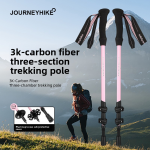
For those seeking premium carbon fiber options, FiTiFT’s 3K Carbon Fiber Trekking Poles combine lightweight construction with dependable performance. These poles represent excellent value for weight-conscious hikers.
Ultimately, your hiking style and budget determine the ideal material choice. Both carbon and aluminum deliver reliable performance when matched to appropriate activities.
Grip Options: Cork, Foam, and Rubber for Comfort
The connection between your hands and hiking equipment plays a crucial role in overall trail comfort. Proper grip selection ensures enjoyable miles without hand fatigue or discomfort.
Cork grips provide natural cushioning that molds to your hand shape over time. This material resists moisture absorption, preventing slippage during sweaty conditions. Many experienced backpackers prefer cork for its premium feel and long-term durability.
Foam grips, particularly EVA foam, offer soft, cushioned contact that feels cool against skin. They excel in warm-weather hiking with excellent shock absorption. However, foam tends to absorb moisture from sweat during intense activity.
Rubber grips shine in cold weather conditions by insulating hands from freezing pole shafts. This material repels moisture from snow and rain effectively. Winter backcountry users often favor rubber for its reliable performance in freezing temperatures.
| Grip Material | Comfort Features | Moisture Handling | Best Use Cases |
|---|---|---|---|
| Cork | Molds to hands, natural feel | Resists absorption | Multi-season, long-distance |
| Foam | Soft cushion, cool touch | Absorbs sweat | Warm weather, day hikes |
| Rubber | Firm grip, insulated | Repels moisture | Cold weather, winter use |
Personal preference ultimately determines ideal grip material selection. Extended foam grips allow quick hand repositioning during elevation changes. Testing different materials reveals which feels most natural for your hiking style.
Adjustment Mechanisms and Locking Systems
The reliability of your trekking equipment depends heavily on the locking mechanisms that secure pole sections together. These systems prevent unexpected collapses during critical moments on the trail.
A secure locking mechanism provides confidence when navigating steep terrain or crossing unstable surfaces. Proper adjustment ensures optimal performance across diverse hiking conditions.
Lever Lock Versus Twist Lock Designs
Lever-lock systems utilize external clamps for quick, tool-free adjustments. They offer excellent holding power and work well with gloved hands in cold weather.
Twist-lock mechanisms provide sleeker profiles but require rotational force to secure. They can be challenging to operate with wet or cold hands and may gradually loosen during extended use.
| Feature | Lever Lock Systems | Twist Lock Systems |
|---|---|---|
| Adjustment Speed | Quick, one-handed operation | Slower, requires rotation |
| Cold Weather Performance | Excellent with gloves | Challenging with gloves |
| Dust Resistance | Good external protection | Vulnerable to infiltration |
| Field Repairs | Easy with basic tools | More complex |
| Visual Confirmation | Immediate lever position | No external indicator |
Modern lever-lock designs like Black Diamond’s FlickLock achieve near-perfect reliability. Understanding your specific system before hitting the trail prevents mid-hike frustrations.
Both locking types have merits, but lever mechanisms generally offer superior durability and easier field maintenance for most hiking applications.
Sizing and Height Considerations for Every Hiker
The relationship between a hiker’s height and pole length determines comfort and efficiency on the trail. Proper dimensions ensure optimal biomechanics and energy transfer.
Measuring for the Perfect Fit
Correct pole sizing prevents poor posture and reduces fatigue. The standard method positions your elbow at a 90-degree angle when holding the grip with the tip grounded.
Height-based recommendations provide excellent starting points for most users. Individual arm length and hiking style may require minor adjustments.
| Hiker Height | Recommended Pole Length | Terrain Adaptation |
|---|---|---|
| Under 5’1″ | 100 cm (39 in) | Shorten for ascents |
| 5’1″ to 5’7″ | 110 cm (43 in) | Standard level terrain |
| 5’8″ to 5’11” | 120 cm (47 in) | Lengthen for descents |
| Over 6 feet | 130 cm (51 in) | Extended range needed |
Adjustable poles offer superior versatility across changing terrain. Lengthening them downhill reduces knee impact significantly.
Backpackers using pole-supported tents face additional requirements. Many ultralight shelters need poles extending to 125-135 centimeters for proper pitching.
Fixed-length folding models come in multiple size options. They provide excellent packability but require careful selection based on your primary use cases.
Field testing reveals the ideal setup for your specific needs. Minor adjustments of 5-10 centimeters can dramatically improve comfort over long distances.
Specialized Features for Varied Terrains and Uses
Interchangeable features allow hikers to customize their gear for specific conditions. These components transform standard equipment into versatile tools for any environment.
Baskets serve critical functions depending on surface conditions. Small trekking baskets (2-3 inches) work well for summer trail use. They prevent pole tips from sinking excessively in soft dirt.
Snow Baskets and Trail Adaptability
Large snow baskets (4-5 inches) become essential for winter conditions. They provide necessary flotation in deep snow, allowing effective pole planting. Without them, tips disappear into powder, reducing stability.
Remove baskets for rocky or narrow terrain where they might snag. They’re unnecessary accessories outside snow and sand conditions. This simple modification improves performance on hardpack surfaces.
Carbide or steel tips offer superior grip on rock and ice. Many quality poles feature replaceable tip designs. This extends equipment lifespan when tips wear down from thousands of impacts.
Rubber tip covers protect both pole tips and sensitive surfaces. Various styles serve different purposes. Boot-shaped covers work for fitness walking, while bell-shaped versions provide extra stability.
These adaptable features let one set of poles perform across seasons. From summer backpacking to winter mountaineering, proper components maximize your gear investment.
Review of Top Trekking Pole Models and Brands
Real-world performance data from rigorous testing trips identifies the most reliable pole options available. Extensive field evaluation across diverse environments provides valuable insights.
Insights from Industry Experts and Test Trips
Thousands of trail miles reveal standout performers. Testing occurred in challenging locations like Wyoming’s Wind River Range and Grand Canyon routes.
Black Diamond dominates the premium market. Their Distance Carbon Z model weighs just 10 ounces. It features a reliable folding mechanism ideal for fast hiking.
The adjustable FLZ variant offers greater versatility. Both models earned high ratings for ultralight performance. They excel for runners and lightweight backpackers.
Gossamer Gear LT5 poles represent minimalist design. At 10 ounces with 105-130cm adjustability, they prove surprisingly durable. They withstand demanding 96-mile high route trips.
MSR DynaLock Ascent poles achieve top ratings among sturdier options. Kevlar-reinforced carbon construction ensures bombproof reliability. Lever-lock mechanisms perform well in varied conditions.
FiTiFT’s 3K Carbon Fiber Trekking Poles offer competitive value. They provide quality features rivaling established brands. Budget-conscious hikers appreciate their performance.
| Brand/Model | Weight (pair) | Price | Key Feature | Rating |
|---|---|---|---|---|
| Black Diamond Distance Carbon Z | 10 oz | $200 | Folding, non-adjustable | 4.3 |
| Black Diamond Distance Carbon FLZ | 12.7 oz | $220 | Folding, adjustable | 4.4 |
| Gossamer Gear LT5 | 10 oz | $195 | Collapsible, adjustable | 4.3 |
| MSR DynaLock Ascent | 1 lb 1 oz | $190 | Folding, lever-lock | 4.5 |
| FiTiFT 3K Carbon Fiber | Competitive | Value-focused | Quality construction | High value |
Comparing Ultralight and Sturdier Pole Options
Equipment selection often involves balancing opposing priorities of lightness and robustness. Hiking support tools fall into distinct weight categories serving different needs.
Ultralight poles under 12 ounces excel for speed-focused activities. Models like Black Diamond Distance Carbon Z (10 oz.) suit trail runners and fastpackers. Their minimalist construction reduces fatigue during long-distance efforts.
Lightweight options between 12-16 ounces offer versatile performance. They handle weekend backpacking with moderate loads effectively. This category strikes an optimal balance between weight savings and durability.
Sturdier poles exceeding one pound provide confidence for demanding expeditions. The MSR DynaLock Ascent (1 lb. 1 oz.) withstands heavy loads and technical terrain. These tools ensure reliability in remote locations where failure poses risks.
| Weight Category | Ideal Use Cases | Key Benefits | Example Models | Limitations |
|---|---|---|---|---|
| Ultralight ( | Trail running, fastpacking, day hikes | Maximum weight savings, reduced fatigue | Black Diamond Distance Carbon Z | Limited durability for heavy loads |
| Lightweight (12-16 oz) | Weekend backpacking, moderate terrain | Balanced performance, versatile use | Gossamer Gear LT5 | May not handle extreme conditions |
| Sturdy (16+ oz) | Expeditions, technical routes, winter use | Maximum durability, all-season reliability | MSR DynaLock Ascent | Increased weight penalty |
The right choice depends entirely on your planned activities. Consider load capacity, terrain difficulty, and trip duration when selecting your equipment.
Complementary Outdoor Gear from FiTiFT
Your trekking pole selection represents just one component of a comprehensive outdoor equipment system. FiTiFT offers essential companion gear that enhances safety and comfort during wilderness excursions.
These products work together to create reliable setups for various outdoor activities. They complement your primary hiking equipment with thoughtful design features.
Essential Safety and Navigation Tools
The Compass Survival Whistle combines two critical safety devices in one compact unit. Its loud emergency signal carries over long distances while the accurate compass provides reliable navigation.
This stonewashed tool becomes indispensable for remote backpacking adventures. It fits easily in any pocket or attached to gear loops.
Reliable Illumination Solutions
FiTiFT’s multifunctional flashlights deliver powerful lighting for diverse situations. The high-intensity model features USB recharging and versatile mounting options.
For compact everyday carry, the EDC flashlight provides reliable illumination. Both models ensure visibility during night hikes and camp setup.
Comfort and Cooking Systems
The all-season sleeping bags offer versatile temperature regulation for three-season use. Available in orange-gray and blue-gray colors, they provide comfort during multi-day trips.
Complement your kitchen setup with the stainless steel wood stove. This efficient cooking system uses renewable fuel sources with minimal environmental impact.
Each product enhances specific aspects of your outdoor experience. They represent FiTiFT’s commitment to quality adventure gear that performs when it matters most.
Usage Tips and Best Practices for Trekking Poles
Proper technique transforms trekking poles from simple accessories into essential hiking partners. Mastering fundamental skills maximizes their effectiveness across diverse conditions.
Proper Technique on Various Terrains
Correct wrist strap usage reduces hand fatigue significantly. Thread your hand upward through the loop, allowing the strap to support downward pressure. This approach lets your wrists absorb impact rather than your hands.
Adjust pole length for different elevation changes. Shorten them during steep climbs for efficient arm angles. Lengthen poles on descents to reduce knee impact. Wider placement provides stability on loose surfaces like scree.
Remove baskets unless hiking in snow or loose sand. They can interfere on rocky or narrow terrain. Focus on removable, replaceable tips and straps for long-term value.
Maintenance and Care for Longevity
Regular cleaning extends equipment lifespan. Remove dirt from locking mechanisms after each trip. Check tips and baskets for wear regularly.
Store poles in dry conditions to prevent corrosion. Inspect cord tension in folding models periodically. Quick field adjustments optimize performance across changing elevation profiles.
Understanding your specific locking system ensures reliable operation. Test equipment before purchase to confirm proper fit for your stride and arm length.
Integrating Trekking Poles into Backpacking and Hiking Trips
Once you experience hiking with poles, their absence on any trail feels like a significant disadvantage. These tools transform from optional gear to indispensable partners when properly integrated into your outdoor routine.
The dual-purpose functionality creates remarkable efficiency. Trekking poles serve as primary support for ultralight shelters, eliminating dedicated tent pole weight. This multiplier effect saves pounds while providing camp protection.
Planning your backpacking trip requires terrain consideration. Technical routes with stream crossings and loose rocks make poles essential. Even gentle paths benefit from reduced joint impact over time.
Packing strategies vary by design type:
- Collapsible poles typically attach externally to packs
- Folding models may fit inside for travel
- Secure attachment prevents loss during transport
Day-to-day hiking develops natural rhythm. After initial adjustment, pole use becomes instinctive. Most enthusiasts report feeling unbalanced without them on subsequent hikes.
Real-world testing across challenging routes demonstrates consistent safety benefits. From 94-mile Glacier traverses to Grand Canyon backpacking, poles prevent falls where consequences could be serious.
Long-term hiking life benefits compound over time. Reduced joint impact potentially extends active years, preventing chronic injuries that sideline many aging enthusiasts.
Even intermittent users should carry poles on every trip. Unexpected terrain challenges or fatigue situations make their assistance crucial for safe completion. They represent smart backpacking insurance.
Conclusion
Seasoned trail veterans rarely venture into the wilderness without their trusted poles. This universal adoption speaks volumes about their transformative impact on outdoor experiences. Once hikers discover the benefits, these tools become non-negotiable gear for every adventure.
Selecting the right trekking poles involves matching specific features to your hiking style and terrain preferences. Whether you prefer ultralight models like Black Diamond or sturdy options for technical backpacking, proper selection enhances your outdoor life. Material choices between carbon and aluminum affect both weight and durability.
Your investment in quality poles pays dividends through reduced joint strain and improved stability. FiTiFT offers reliable trekking equipment designed to support diverse outdoor pursuits. These tools will become your most valued companions on the trail.
Properly selected poles enable more ambitious adventures while protecting your body for years to come. They represent smart insurance for any trekking journey, from local day hikes to remote expeditions.
FAQ
What are the primary benefits of using trekking poles?
Trekking poles significantly improve stability and balance on uneven ground, reducing the risk of falls. They also help distribute physical effort, saving energy on long-distance hikes and lessening the impact on your knees and joints.
What is the difference between carbon fiber and aluminum poles?
Carbon fiber poles are lighter, which is ideal for reducing fatigue on long trips, but they can be more brittle upon sharp impact. Aluminum poles offer superior durability and are generally more affordable, making them a reliable choice for rugged terrain.
How do I properly adjust the length of my trekking poles?
For flat terrain, your elbow should form a 90-degree angle when holding the grip. Adjust them shorter for uphill climbs and longer for descents. Most poles feature lever locks or twist locks for quick and secure length changes.
Which grip material is best: cork, foam, or rubber?
Cork grips mold to your hand over time and manage moisture well. Foam is soft, absorbent, and excellent for comfort. Rubber is durable and weather-resistant but can cause sweating. The best choice depends on your personal preference and typical hiking conditions.
When should I use different types of baskets?
Small, circular baskets are standard for most trails. Larger snow baskets are essential for winter hiking or soft terrain to prevent the poles from sinking deeply. Always swap baskets to match the conditions for optimal performance.
Are folding or collapsible poles better for backpacking?
Folding poles, like those from Black Diamond, pack down very small, making them perfect for stowing in a pack. Collapsible poles with multiple sections offer great adjustability. Your choice depends on whether pack size or length customization is your priority.
How can I maintain my trekking poles to ensure a long life?
Regularly clean the poles and locking mechanisms of dirt and sand. Periodically check the locks for tightness. For extended longevity, store them in a dry place and avoid leaning them against abrasive surfaces like rocks.