Embarking on a hiking adventure promises fresh air, stunning vistas, and an escape from daily routine. However, an essential part of preparing for this outdoor activity involves knowing what not to pack for hiking. Overpacking or carrying unnecessary items can weigh you down, cause inconvenience, and even jeopardize safety. This comprehensive guide clarifies what to leave out and how to pack efficiently, ensuring a safe, enjoyable, and stress-free hike.
The Overload Dilemma: Why You Should Avoid Packing Excess Gear
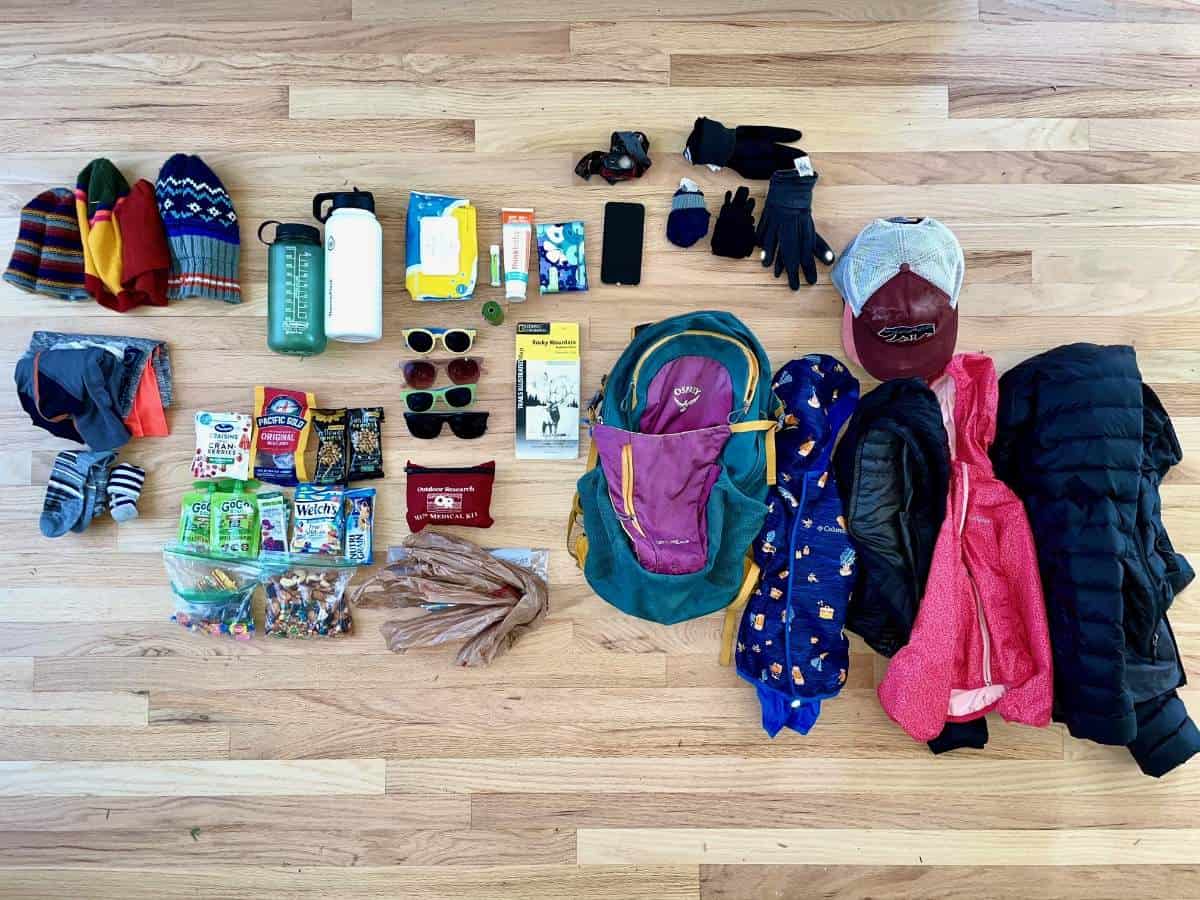
When heading into nature, it’s tempting to bring everything you might need—from extra clothes to gourmet snacks. Yet, similarly tempting is the mistake of overpacking, which can turn an exciting trek into a cumbersome ordeal. Not only does carrying unneeded items drain your energy, but it also diverts focus from the trail and environment.
Understanding what not to pack for hiking helps streamline your packing list, ensuring you’re prepared without being burdened. Proper planning aligns with setting realistic expectations of your hike’s duration and difficulty while recognizing that what you carry impacts overall safety and comfort. The key is balancing preparedness with minimalism—retaining essential items while discarding what’s unnecessary.
An overload can lead to fatigue, poor posture, and even health risks like blisters or musculoskeletal injuries. Moreover, excess gear can make navigation difficult, cause disorganization, and increase the risk of losing critical items. So, how can you tell what to leave out? Let’s dig into specific categories of items that are best left behind.
What Not to Pack for Hiking – Items That Don’t Serve Your Adventure

The first step is understanding which items tend to clutter your pack unnecessarily. Here are crucial categories and specific items to reconsider or eliminate.
Unnecessary Clothing and Accessories
It’s common to pack an array of clothing options imagining every possible weather scenario; however, many items rarely get used on a typical day hike. Overpacking clothing not only adds weight but can also cause clothing mismanagement and discomfort.
Why you should avoid packing excessive clothes:
Carrying too many extra apparel items can lead to unnecessary bulk and weight, making your hike more strenuous. It is best to pack versatile, moisture-wicking layers suitable for the forecasted conditions—think lightweight base layers, a windbreaker, and a waterproof outer shell.
What clothing items are best left behind:
Heavy boots if you’re doing a short walk in a park, fashion accessories, or multiple pairs of gloves and hats. Pack only what’s essential for your weather forecast and expected trail conditions. Remember, you can always find ways to address unexpected weather if you have lightweight, multipurpose items.
Using your judgment:
Knowing what to leave out is about assessing your hike’s duration, environment, and your physical needs. For immediate comfort, opt for streamlined gear rather than augmenting your backpack with bulky extras. This way, you stay agile and minimize fatigue, which is vital for an enjoyable outdoor experience.
Kitchen and Food Items – What not to bring for a day hike
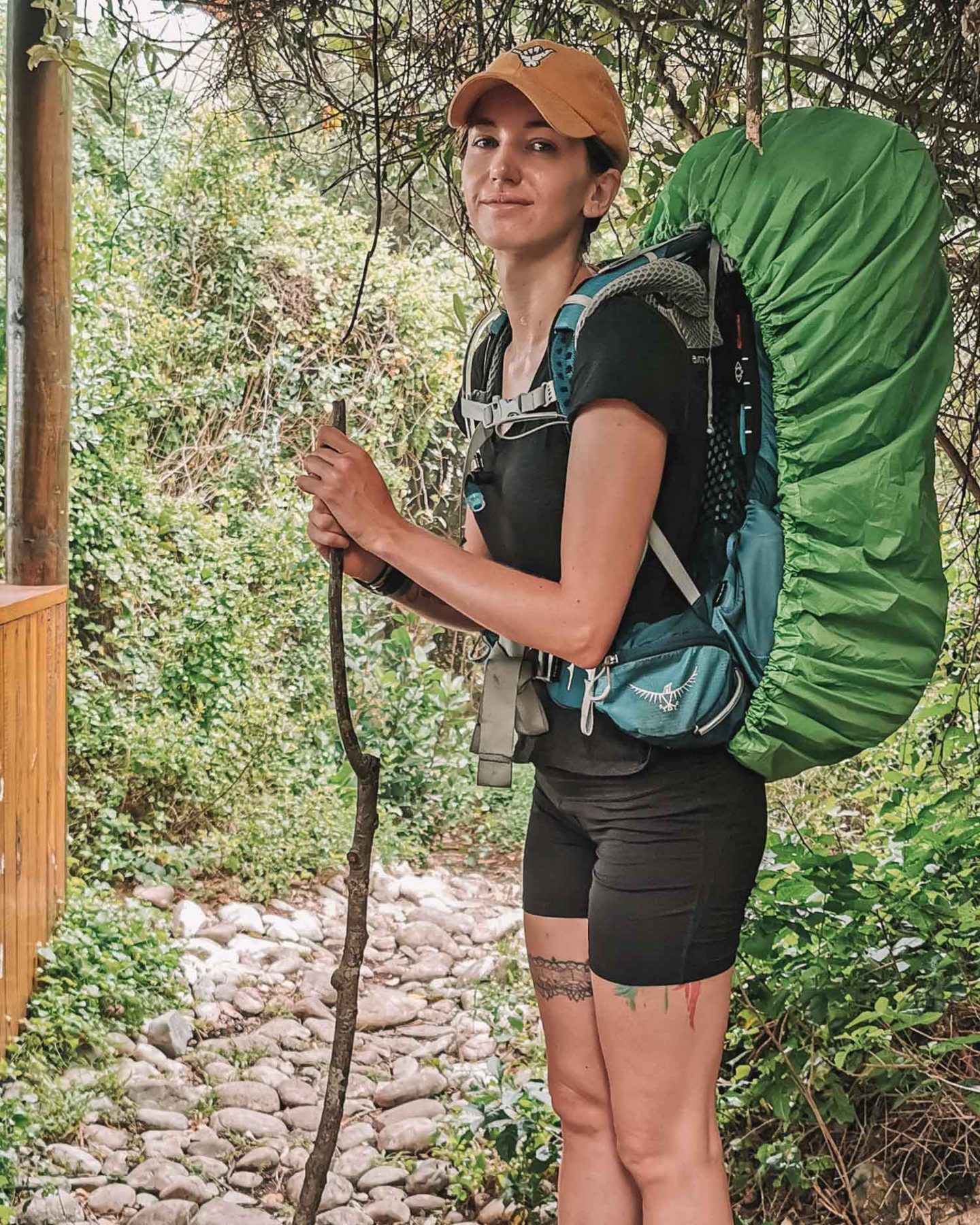
Food is an important part of any outdoor activity, but packing the wrong snacks or excess cooking gear can turn a day hike into an unwieldy endeavor.
Avoid Overloading with Excess Food and Utensils
Overpacking food may seem harmless, but it unwisely increases your load and complicates trail maintenance. When deciding what not to pack for hiking, it’s essential to consider what foods will genuinely fuel your activity without burdensome packaging or spoilage risks.
Why avoid excessive food packing:
Carrying more than necessary means extra weight, which can slow you down and cause fatigue. Carrying perishable items without proper containers or ice packs increases the likelihood of spoilage, potentially leading to foodborne illness—an avoidable hazard on the trail.
What snacks or items to skip:
Large bags of chips, bulky canned foods, or overly elaborate cooking setups are unnecessary for most day hikes. Instead, opt for lightweight, high-energy snacks like trail mix, energy bars, or dried fruit. These items provide quick nourishment without extra fuss.
Handling utensils and cookware:
Unless you’re on a long trek with camping provisions, avoid packing heavy cookware, utensils, or plates. Remember, a simple reusable container or a lightweight spork often suffices. The key is to keep meal plans straightforward, reducing the weight and complexity of your pack.
Practical takeaway:
Focus on minimal, non-perishable, and nutritious snacks. By curbing excess food and utensils, your hike becomes more comfortable and manageable, emphasizing enjoyment over excess baggage.
Tech Gadgets and Electronics – Do You Really Need All Your Devices?
Modern technology offers convenience and safety, yet many hikers fall into the trap of overpackaging electronics that are not essential for the hike’s duration.
Which Tech Items to Leave Out of Your Backpack
Many hikers carry heavy camera gear, multiple chargers, tablets, or even unnecessary gadgets, all of which add significant weight. It’s vital to evaluate what devices truly add value to your outdoor experience.
Why you should avoid packing excess electronics:
Electronics can be bulky, fragile, and drain batteries quickly. Carrying multiple devices increases the risk of damage or loss. Moreover, over-reliance on gadgets may diminish your connection with nature, which is often the essence of hiking.
Items to reconsider:
Extra cameras, power banks that aren’t charged beforehand, or portable speakers that add noise without purpose. Instead, select a small, lightweight camera or smartphone with sufficient battery life, perhaps with an additional power bank if necessary.
Balancing safety and simplicity:
A basic mobile phone for emergency contact should suffice in most cases. Consider pack essentials rather than every electronic gadget you own. This focus helps in reducing distractions, conserving battery life, and ensuring your pack remains manageable.
Use your judgment:
Before leaving, ask yourself how each device enhances your experience or safety. Leave behind what’s redundant or unlikely to be used—your back, shoulders, and overall hiking enjoyment will thank you.
The Final Word: How to Use This Knowledge and Practical Advice
Understanding what not to pack for hiking entails a mix of strategic planning and honest self-assessment. Continually evaluating your pack’s contents relative to your activity level, environment, and personal needs can enhance your overall experience. Always remember that hiking is about enjoying nature, not managing cumbersome gear; therefore, pack only what is necessary.
Evaluate each item with the question: “Will this improve my hike or weigh me down unnecessarily?” Use light, multi-purpose gear and prioritize safety without overloading. For example, instead of multiple clothing layers, choose versatile, quick-drying options. Replace bulky snacks and gadgets with compact, energy-dense foods and essential safety devices.
In comparison, overpacking can create discomfort comparable to a burdened traveler weighed down by unnecessary baggage. Conversely, packing strategically allows freedom of movement, better focus, and increased enjoyment in the wilderness.
My advice: Start small, plan thoroughly, and pack minimally. Leave behind things you might think are helpful but are seldom used. Remember, the best hike is one where your gear supports your journey, not hinders it. Practical understanding what not to pack for hiking paves the way for lighter packs, safer trips, and more memorable adventures.
FAQs
What are some common mistakes people make when packing for hiking?
Many hikers overpack by bringing excessive clothing, unnecessary gadgets, and bulky food. They often underestimate the importance of lightweight gear and overestimate what they’ll need, leading to fatigue and discomfort.
How can I decide what I really need to pack?
Assess your hike’s duration, weather, terrain, and personal needs. Stick to essentials that serve multiple purposes, such as a lightweight rain jacket that can serve as a windbreaker or warmth layer.
Is it necessary to bring a GPS or navigation device?
If the trail is well-marked and familiar, often your phone’s GPS along with a physical map suffice. Avoid overpacking dedicated navigation devices unless you’re exploring remote or poorly marked areas.
What are some items I should definitely leave out?
Heavy electronics, excess clothing, bulky food containers, and extra pairs of shoes—or any gear that doesn’t directly contribute to your safety or comfort during your hike.
How do I ensure my pack isn’t too heavy?
Prioritize lightweight, multi-use gear, and organize your belongings efficiently. Regularly review your pack before each hike, removing items you won’t need for that specific trip.
Conclusion
In summary, understanding what not to pack for hiking is essential for maximizing safety, comfort, and enjoyment in your outdoor adventures. Striking a balance between preparedness and minimalism helps in reducing physical strain, avoiding unnecessary distractions, and staying connected with nature. By consciously leaving behind overburdening items like unnecessary clothing, bulky food, excess electronics, and gadgets that don’t serve a purpose, you create a streamlined experience focused on exploration and discovery. Remember, a lighter pack not only makes your hike more manageable but also enriches your connection with the natural world, ultimately leading to more memorable and fulfilling outdoor journeys.