Trekking poles are essential companions on rugged trails and icy terrains. They provide stability, reduce fatigue, and help navigate uneven landscapes with confidence. But with so many options available, what should I look for in a trekking pole? Making the right choice involves understanding various features that influence performance, comfort, and durability. This comprehensive guide aims to streamline your decision-making process by exploring key factors and offering expert insights into selecting the perfect trekking pole for your adventures.
Understanding the Core Purpose and Benefits of Trekking Poles
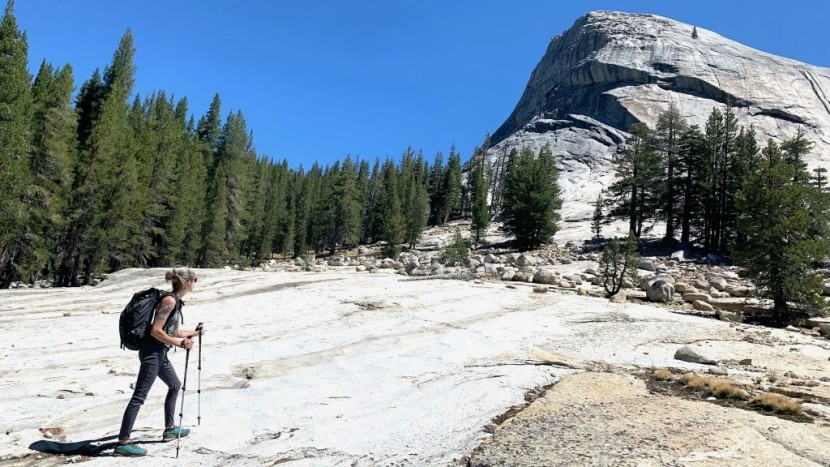
Before diving into specific features, it’s vital to understand why trekking poles are so widely recommended among hikers, backpackers, and mountaineers. They are more than just tools; they are extensions of your body that enhance movement, improve safety, and increase endurance. Recognizing their core benefits helps clarify what features to prioritize when evaluating different models.
To Improve Balance and Stability on Uneven Terrain
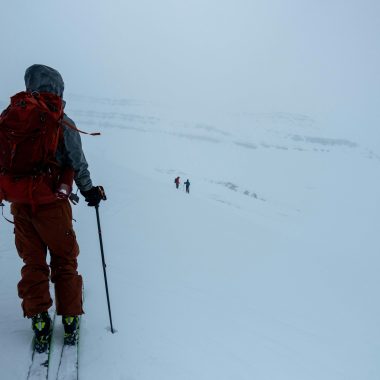
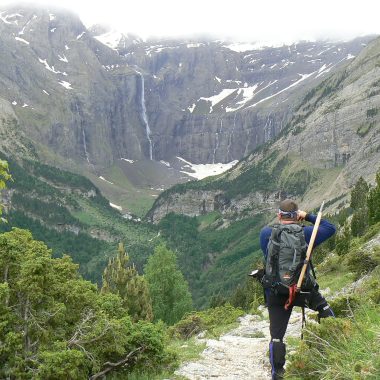
Navigating rocky, muddy, or snowy paths can challenge even seasoned hikers. Trekking poles act as additional contact points with the ground, providing critical support that reduces the risk of slips and falls. They are especially useful when crossing streams or stepping over roots where footing might be uncertain.
To Reduce Impact on Joints and Muscles
Long hikes and steep ascents can take a toll on knees and hips. Properly chosen trekking poles help distribute weight more evenly, easing body stress. The right poles absorb shock when descending steep grades and minimize joint strain over extended walks, making them invaluable for individuals with joint concerns.
To Enhance Endurance and Energy Efficiency
Using trekking poles facilitates a more natural walking rhythm, engaging upper body muscles that would otherwise remain inactive. This synergy results in higher energy efficiency, allowing you to trek longer distances without feeling exhausted prematurely. They also help conserve energy during ascents by providing leverage and support.
Practical Insight: Are Trekking Poles Necessary for All Hikers?
While some may see trekking poles as optional gear, they are particularly beneficial for those traversing challenging terrains, carrying heavy packs, or looking to prevent injury. Their versatility makes them suitable for both novice hikers and seasoned mountaineers. Ultimately, understanding what you’re seeking—whether stability, reduced fatigue, or better posture—can help determine if they are a worthwhile investment.
Key Features to Consider When Selecting a Trekking Pole

When asking, “What should I look for in a trekking pole?”, it’s important to evaluate factors like material, adjustability, grip comfort, weight, and lock mechanisms. Each feature influences performance and longevity, directly impacting your comfort during multi-day hikes or quick day trips.
Durability and Material Composition: Aluminum vs. Carbon Fiber
Choosing the right material is foundational. Poles must withstand rugged conditions, resist corrosion, and be lightweight enough for extended use.
Aluminum Trekking Poles
- Known for strength and durability
- Generally more affordable
- Better suited for harsh conditions due to impact resistance
- Slightly heavier, which might matter on long treks
Carbon Fiber Trekking Poles
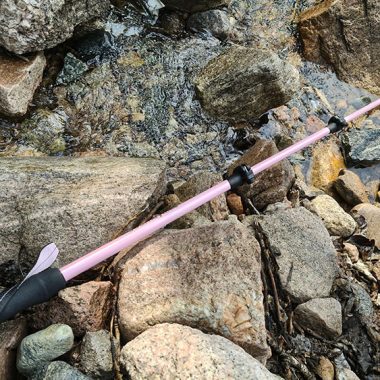
- Lighter than aluminum, enhancing maneuverability
- Provide excellent stiffness, reducing energy loss
- More susceptible to cracking upon sudden impacts
- Slightly pricier but favored by ultralight enthusiasts
Personal experience suggests that for challenging, rocky terrains, aluminum tends to be more resilient, whereas carbon fiber excels on long-distance trail runs where weight savings are critical.
Adjustability and Length Customization
Proper pole length is essential for optimizing leverage and comfort. The key question is: how do you determine the ideal length?
Fixed vs. Telescoping Poles
- Fixed-length poles are simple and lightweight but lack flexibility.
- Telescoping poles allow quick adjustments to suit different terrains, ascending or descending slopes, and personal preferences.
The best trekking poles offer a versatile adjustment system, typically via twist locks or flip locks. The choice depends on personal preference for ease of use, reliability, and speed of adjustment during hikes.
Locking Mechanisms: Twist, Lever, and Locking Buttons
Locking mechanisms ensure the pole stays secure at the desired length. Reliability is paramount, especially during strenuous climbs.
- Twist locks are popular for their lightweight design and ease of use. They require twisting to lock and unlock, but may slip under heavy loads if not properly secured.
- Lever locks (Flip locks) provide quick, secure adjustments. They are highly reliable and preferred for their ease of use, especially in cold or wet conditions.
- Push-button locks are common but can sometimes slip or fail over time. Evaluating the lock mechanism’s durability before purchase is advisable.
Grip Comfort and Ergonomic Handles
The handle design directly influences grip comfort, weight distribution, and hand fatigue. Materials like foam, cork, or rubber each offer distinct benefits.
- Foam grips are soft and absorb moisture, providing comfort over long distances.
- Cork grips mold to the hand over time, offering a natural feel and good moisture wicking.
- Rubber grips are durable and slip-resistant but can cause sweating and discomfort after prolonged use.
Choosing a handle with an ergonomic design, contoured fit, and anti-slip surface can prevent blisters and hand fatigue, especially during extended hikes.
Weight and Packability
Lightweight gear enhances mobility, reduces fatigue, and is especially critical when carrying a heavy backpack. However, lighter materials often come with reduced durability, so striking a balance is key.
| Material | Approximate Weight (per pair) | Durability | Recommended Use |
|---|---|---|---|
| Aluminum | 400-500 grams | High | Multi-terrain, rugged conditions |
| Carbon Fiber | 300-400 grams | Moderate | Long-distance, race hiking, ultralight trails |
Choosing a lightweight, durable trekking pole tailored to your use case ensures that you’re not burdened by unnecessary weight but remain resilient during demanding hikes.
How to Use and Maintain Your Trekking Pole for Longevity and Performance
.jpg "Leki folded (How to Choose a Trekking Pole)")
Understanding how to properly use and maintain your trekking poles can extend their lifespan and improve your overall hiking experience.
Proper Adjustment and Usage Tips
Before setting out, always adjust the length of your poles to match your height and trail terrain:
- When walking on flat ground, your elbows should be at approximately a 90-degree angle.
- When ascending, shortening the poles can provide better leverage.
- During descents, lengthening them slightly helps absorb shock and maintain stability.
During use, keep grip pressure light to avoid hand fatigue, and utilize features like wrist straps for added security.
Regular Maintenance Practices
Keeping your trekking poles in top condition involves cleaning and periodic checks:
- Wipe down with a damp cloth after each hike to remove dirt and moisture.
- Lubricate locking mechanisms periodically to ensure smooth operation.
- Inspect for cracks, dents, or worn-out grips and replace parts as necessary.
Proper maintenance not only preserves the integrity of your gear but also ensures safety and reliability on unpredictable trails.
How to Choose Based on Your Hiking Style
Your hiking style significantly influences which features are most important:
- Fast-paced ultralight hiker: Prioritize carbon fiber, minimal weight, and quick-lock mechanisms.
- Rugged trail cyclist or mountain climber: Opt for durable aluminum poles with reinforced locking systems.
- Casual day hiker: A mid-range, adjustable, comfortable handle design suffices.
Matching your choice to your specific needs ensures maximum satisfaction and performance, aligning with the core question: What should I look for in a trekking pole?
Frequently Asked Questions (FAQs)
Q1: Are trekking poles necessary for beginners?
Absolutely not, but they can significantly enhance safety and comfort for those new to hiking, especially on uneven terrain.
Q2: How do I choose the right length for my trekking poles?
The general guideline is to set the pole so that your elbows form roughly a 90-degree angle when holding the grip. Adjustments should be made based on terrain slope for optimal leverage.
Q3: Can I use trekking poles in winter or snow conditions?
Yes, but ensure they have features suitable for cold weather, like rubber snow baskets or powder baskets, which prevent sinking into snow.
Q4: Are carbon fiber trekking poles more fragile than aluminum?
While lighter and stiffer, carbon fiber poles can crack under sharp impacts. Proper handling and choosing reinforced models can mitigate this risk.
Q5: How should I care for my trekking poles to ensure longevity?
Regular cleaning, lubrication of locks, and inspecting for damage will keep your trekking poles functioning well for years.
Conclusion
Choosing the right trekking pole involves a nuanced understanding of various features—material, adjustability, lock mechanisms, grip comfort, and weight—that collectively influence performance, safety, and comfort. Reiterating what should I look for in a trekking pole?, it’s crucial to select a model matching your hiking style, terrain, and personal preferences, ensuring durability and ease of use. Properly maintained and correctly used, trekking poles can transform your outdoor adventures, making even the most challenging terrains more manageable and enjoyable. With this detailed guide, you are now better equipped to make an informed decision and elevate your trekking experience.