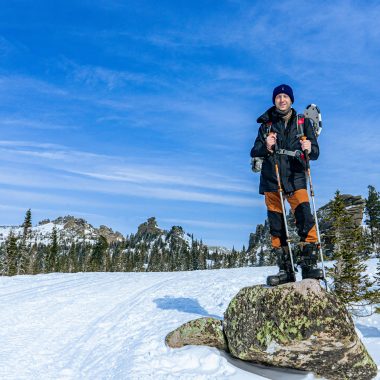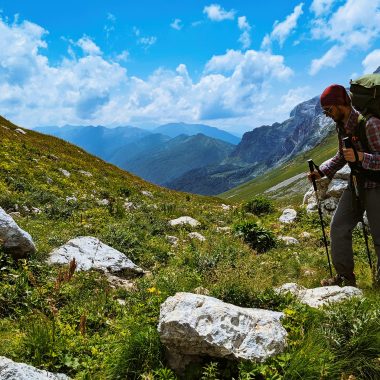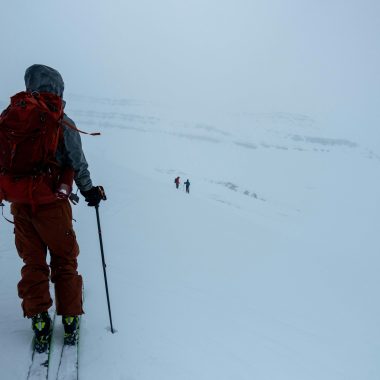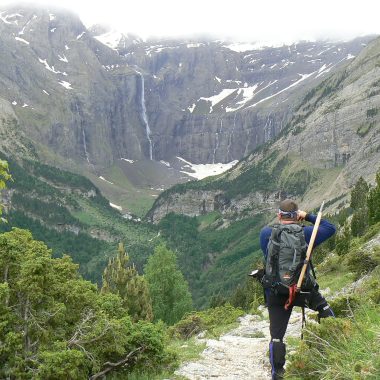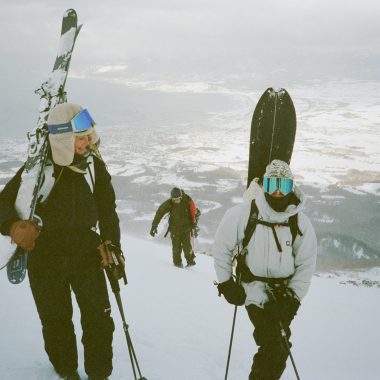
Embarking on a hill walking expedition can be one of the most rewarding outdoor activities, offering breathtaking views, physical challenge, and mental clarity. But before you set foot on a trail, understanding what do I need for hill walking is crucial to ensure safety, comfort, and enjoyment. This comprehensive guide will walk you through the essential gear, preparation tips, and expert advice needed to master your hill walking adventures.
Understanding the Essentials of Hill Walking Gear
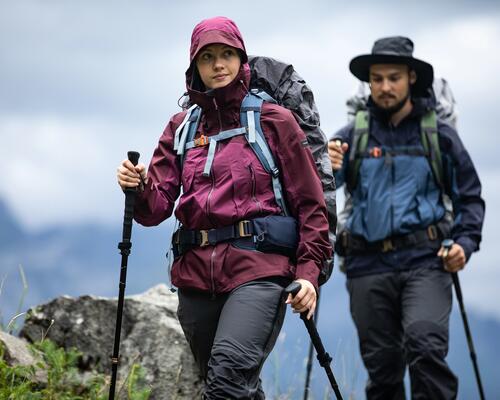
Hill walking differs significantly from casual strolls or long-distance hiking. It combines elements of trekking, navigation, and sometimes even scrambling, requiring specialized equipment to tackle unpredictable terrains. Proper preparation hinges on knowing what essentials are necessary to face variable weather, challenging ascents, and uneven ground confidently.
In this section, we focus on the core gear that forms the foundation of any successful hill walking trip. From footwear and clothing to navigation tools, we’ll explore how each component contributes to safety and comfort. By understanding these essentials, you’ll be better equipped to make informed choices tailored to your experience level and the environment.
Footwear: The Foundation of Your Hill Walking Experience
When asking what do I need for hill walking, one of the most critical factors is appropriate footwear. Your shoes or boots are your contact point with the terrain, affecting stability, injury prevention, and overall experience.
Hill walking requires footwear that offers sturdy ankle support, excellent grip, moisture resistance, and durability. Hiking boots designed specifically for rugged terrains provide these qualities by incorporating reinforced leather or synthetic uppers, cushioned midsoles for shock absorption, and rugged rubber soles with deep lugs for traction.
Comfort is vital; ill-fitting shoes can cause blisters, sore spots, or even falls. Therefore, it’s essential to try boots on at the end of the day when feet are slightly swollen and to break them in gradually before embarking on long walks. If wet conditions are expected, consider waterproof options, but remember that breathability should not be compromised to avoid blisters caused by moisture build-up.
Choosing the right footwear isn’t solely about brand or style—it’s about ensuring a perfect fit and appropriate features for your specific hill walking environment. Lightweight, breathable shoes may suffice in dry, gentle terrains, while more rugged, waterproof boots are mandatory for steep ascents, muddy trails, or unpredictable weather.
Clothing and Layering: Staying Comfortable and Protected on the Trails
The correct clothing depends largely on weather conditions and the terrain, but layering remains a universal principle in hill walking. Properly layered clothing allows you to adapt quickly to changing temperatures, wind, rain, and physical exertion levels.
Starting with a moisture-wicking base layer helps to keep sweat away from the skin, maintaining comfort and reducing chafing. Mid-layers such as fleece or lightweight insulation provide warmth while still allowing freedom of movement. The outer layer should be waterproof and windproof—materials like Gore-Tex or similar fabrics are popular choices—designed to protect against rain, wind chill, and snow.
It’s advisable to carry extra clothing, including a hat and gloves, especially when walking at higher elevations where weather can change rapidly. For warmer days, breathable shirts and shorts might suffice, but always remember that unpredictable mountain weather can turn cold swiftly.
Footwear, clothing, and layering must be aligned with the specific challenges of your hill-walking route. For example, more insulated gear might be necessary for winter or early spring trips, while lighter options are preferred during summer. Choosing versatile, quick-drying garments helps prevent discomfort from prolonged exposure to wet conditions.
Navigation Devices: Navigating the Unknown Terrain Safely
Knowing what do I need for hill walking extends beyond physical gear—navigation tools are essential for safety, especially in unfamiliar areas or poor weather conditions. Many hill walkers rely on traditional maps and compasses, but modern GPS devices and smartphone apps serve as valuable backups.
Maps provide a detailed view of terrain features, paths, and landmarks, enabling you to plan your route with confidence. Learning how to read topo maps, understand contour lines, and interpret symbols enhances your navigation skills, ensuring you don’t get lost. A compass is vital as it functions independently of technology, serving as a reliable backup if electronic devices fail or lose signal.
Digital GPS devices designed for outdoor use often come preloaded with mapping software, allowing real-time tracking and route plotting. However, it’s essential to carry extra batteries or portable power banks, as these devices can drain quickly, especially in cold weather. Smartphone navigation apps can be effective when used with offline maps, but they depend on battery life and signal strength, which is not always available in remote areas.
Having a clear understanding of your route, weather forecast, and emergency procedures is just as important as carrying the right gear. Plan your trip carefully, let someone know your itinerary, and always carry a whistle or signaling device for emergencies.
Essential Safety Gear for Clinton Heights – The Must-Have Items
Safety is paramount in hill walking, more so than in many other outdoor pursuits. The unpredictable environment demands meticulous preparation and proper safety gear. Besides navigation tools, items such as a first aid kit, emergency shelter, and communication devices are crucial.
A small, well-stocked first aid kit should include plasters, antiseptic wipes, painkillers, blister treatment, and personal medications. Carrying an emergency shelter—like a space blanket or lightweight bivvy bag—can provide shelter in case of sudden weather changes or if you’re unexpectedly delayed.
Communication devices such as a fully charged mobile phone with a portable charger or satellite messenger enable you to contact rescue services if necessary. Some hill walkers also carry a personal alarm or whistle to attract attention if stranded or in distress.
Lastly, a headlamp or flashlight becomes invaluable when walking in low light or if your trip extends into dusk or night. Pairing this with extra batteries ensures visibility and safety when navigating through dark or foggy conditions.
FAQs About Hill Walking: Your Common Questions Answered
Q1: What do I need for hill walking as a beginner?
Beginners should start with comfortable waterproof boots, layered clothing suitable for the weather, a map and compass or GPS, a small first aid kit, and a mobile phone with a portable charger. As experience grows, equipment can be upgraded based on route difficulty.
Q2: How should I choose the right footwear?
Select footwear based on terrain, weather conditions, and personal comfort. Sturdy, waterproof hiking boots with ankle support are recommended for rugged terrain. Always try on boots at the end of the day and break them in gradually before long trips.
Q3: Is special clothing necessary for hill walking?
Layering is key—start with moisture-wicking base layers, add insulating mid-layers, and finish with waterproof and windproof outer layers. Adjust clothing depending on weather forecasts and expected conditions.
Q4: What navigation tools are best for hill walking?
Traditional maps and compasses are reliable, but modern GPS devices and smartphone apps with offline maps provide additional safety. Always carry backup batteries and familiarize yourself with navigation techniques.
Q5: What safety equipment should I carry for hill walking?
A basic first aid kit, emergency shelter, whistle, headlamp, and communication device (phone or satellite messenger) are essential safety gear. Always inform someone of your planned route and expected return time.
Conclusion

Understanding what do I need for hill walking is essential to ensuring a safe, comfortable, and enjoyable outdoor adventure. From choosing the right footwear and clothing to mastering navigation tools and safety equipment, proper preparation can make all the difference between a successful hike and an unforeseen challenge. Equipping yourself with knowledge, quality gear, and a cautious mindset will allow you to explore the hill walking terrain confidently, connecting with nature while safeguarding your well-being. Embark on your journey with confidence, and enjoy the breathtaking vistas only the hills can offer.