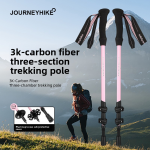
Are you planning a trekking adventure and wondering, which item is essential for trekking to ensure safety, comfort, and success? Trekking, whether in the mountains, forests, or desert landscapes, demands proper preparation and the right gear. This comprehensive guide explores the crucial items needed for trekking, helping you make informed decisions and be fully equipped for your outdoor journey.
Why Proper Equipment is Critical for Successful Trekking Adventures
Trekking is more than just walking on trails; it’s an immersive experience that challenges your physical endurance, mental resilience, and survival skills. Proper gear becomes your lifeline amidst unpredictable weather, rugged terrains, and remote areas with limited access to resources. Selecting the right items ensures your safety, enhances performance, and maximizes enjoyment.
Having an understanding of which item is essential for trekking provides the foundation for any well-planned expedition. Each piece of gear plays a vital role, from protecting against the elements to aiding navigation and ensuring proper hydration. Without the right equipment, trekkers are vulnerable to injuries, hypothermia, dehydration, and other risks, turning an exciting adventure into a dangerous ordeal.
The importance of gearing up correctly cannot be overstated. It influences not only your physical well-being but also your confidence to tackle challenges head-on. The thought process behind choosing specific items is rooted in understanding your trek’s nature, environmental conditions, and personal needs. This section explores why comprehensive gear preparation is fundamental for successful trekking.
Essential Trekking Items – What You Cannot Trek Without
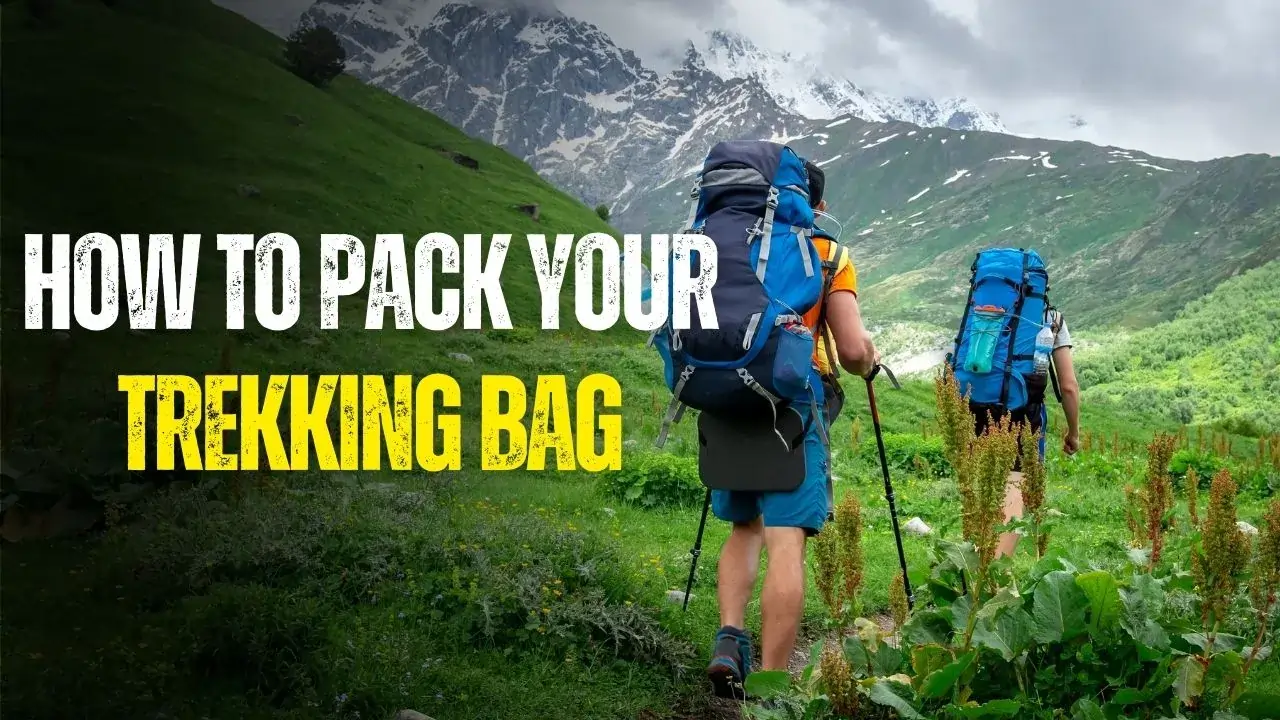
When pondering which item is essential for trekking, you need to consider multiple categories of gear—each serving a distinct purpose. From footwear to navigation tools, every item should be chosen with care. Here’s a detailed look at the must-have trekking gear to keep your adventures safe and enjoyable.
Trekking Footwear: The Foundation of Comfort and Safety
The pivotal role of trekking shoes cannot be overstated. They need to strike a balance between durability, support, and comfort. Proper footwear prevents blisters, reduces fatigue, and provides ankle support on uneven surfaces. It’s crucial to select boots or shoes suited to the terrain—be it rocky, muddy, or snowy.
Good trekking shoes should offer waterproofing and adequate grip. Break-in period is vital before embarking on a long trek to prevent blisters and discomfort. An innovative approach includes using moisture-wicking socks to minimize sweat and skin irritation.
Navigation Tools: Steering You Through the Wilderness
Navigating in unfamiliar terrain is a common challenge in trekking. Therefore, a reliable navigation kit, such as a compass and GPS device, is indispensable. They help you stay on track, avoid getting lost, and reach your intended destination safely.
Digital GPS units are increasingly popular for their accuracy and ease of use, but traditional maps and compass skills remain essential backups. Learning how to read topographical maps and use a compass ensures you stay oriented even when electronic devices fail due to battery loss or signal issues. Proper navigation planning contributes to a smoother, confidence-filled trek.
Clothing and Layering: Adapting to Changing Conditions
Weather can shift unexpectedly during treks, especially in mountainous regions. Wearing appropriate clothing and layered gear ensures adaptability. Breathable moisture-wicking base layers, insulating mid-layers, and waterproof outer shells are key components.
Invest in quick-drying fabrics that manage sweat efficiently. Pack thermal wear for cold conditions and lightweight options for warmer climates. Proper clothing not only preserves body temperature but also prevents conditions like hypothermia or heat exhaustion, ensuring comfort and safety throughout the journey.
Hydration and Food Supplies: Sustaining Your Energy
Staying hydrated and nourished is crucial during endurance activities like trekking. The essential items include a durable water bottle or hydration bladder, water purification tablets or filters, and lightweight, high-energy food.
Portable water purification devices are game-changers, enabling trekkers to refill safely from natural sources. Carrying compact, calorie-dense snacks like nuts, energy bars, and dried fruits keeps energy levels high and prevents fatigue, allowing trekkers to maintain stamina from start to finish.
First Aid Kit and Emergency Supplies: Your Lifesaver
Accidents happen, making a well-stocked first aid kit an unmissable item. Basic supplies include bandages, antiseptics, pain relievers, blister treatment, and specific personal medications.
In addition, emergency supplies such as a whistle, flashlight, and multi-tool can be vital in critical situations. Proper First Aid knowledge enhances your ability to respond quickly and effectively, significantly reducing risks and potential health issues during your trek.
How to Use, Compare, and Choose the Right Trekking Items

Knowing which item is essential for trekking is only part of the equation. Practical application and comparison help you select gear that truly enhances your adventure. Here are some insights on how to effectively use, compare, and optimize your gear choices.
How to Use Trekking Equipment Effectively
Using your gear correctly maximizes its benefits and prolongs its lifespan. For example, breaking in new hiking boots prevents blisters. Adjust your backpack straps for even weight distribution, reducing shoulder strain. Educate yourself on operating navigation devices and practicing first aid procedures.
Proper use involves regular maintenance, like drying and cleaning equipment after treks, checking for wear and tear, and replacing worn-out items promptly. For clothing, layering correctly before setting out helps adapt swiftly to environmental changes. Mastering your gear usage transforms simple items into powerful tools.
Comparing Different Trekking Gear Options
Comparative analysis of brands, materials, and functionalities allows smarter purchasing decisions. For instance, compare waterproofing technologies in different trekking shoes or the battery life in GPS devices. Consider the weight-to-support ratio—lighter gear tends to be easier on long treks but may sacrifice durability.
User reviews and expert opinions are invaluable for assessing the reliability of gear. Testing equipment on short hikes can also reveal comfort levels and suitability for your specific needs. Investing in quality gear, even if costlier, translates to longevity, safety, and a more enjoyable trek.
Choosing the Right Gear for Different Environments
Environmental conditions dictate the gear you should prioritize. Tropical rainforest treks require insect repellent, lightweight breathable clothing, and rain gear, whereas alpine expeditions demand insulated layers and snow-specific boots.
Assessing terrain type—muddy paths, rocky ridges, or snowy trails—guides your footwear choice. Likewise, altitude and temperature influence your clothing and hydration strategy. Anticipating weather and terrain helps you compile a tailored gear list, leading to fewer surprises and a more confident experience.
Advice for Selecting the Best Gear
Always prioritize safety and comfort over aesthetics or brand names. Test gear beforehand and consider your physical condition, skill level, and trek duration. Invest in versatile, multi-purpose items that serve multiple functions—to reduce weight and streamline packing.
Seek expert advice, read user experiences, and understand product specifications thoroughly. Properly chosen and used gear leads not only to safety but also boosts morale, allowing you to focus on the adventure itself instead of worrying about equipment failures.
FAQs About Essential Trekking Items
What is the most important gear for trekking?
The most important gear varies based on terrain and weather but generally includes sturdy footwear, navigation tools, layering clothing, hydration supplies, and a first aid kit. Proper footwear often tops the list due to its impact on comfort and safety.
How do I choose the right trekking shoes?
Evaluate terrain type, support needs, waterproof features, and fit. Try boots with socks and walk on varied surfaces before the trek to ensure comfort. Prioritize durability and ankle support to prevent injuries.
Can trekking gear be rented or should I buy?
For infrequent treks, renting gear might be more economical, but investing in quality gear provides better fit, comfort, and reliability for regular adventures. Assess your trekking frequency and gear needs before deciding.
What clothing should I pack for different climates?
Use moisture-wicking base layers, insulating mid-layers, and waterproof outer shells for cold or rainy environments. In hot climates, lightweight, breathable fabrics and sun protection are essential. Adapt gear to expected weather conditions.
How can I ensure my gear lasts through multiple treks?
Clean and dry gear after each use, store it properly, and inspect for damages regularly. Replace worn items promptly. Using quality gear designed for outdoor use extends its lifespan significantly.
Conclusion
Choosing which item is essential for trekking involves understanding your environment, trail conditions, and personal needs. From durable footwear and navigation tools to layered clothing and hydration supplies, each piece plays a crucial role in ensuring safety and comfort. The key is to select versatile, high-quality gear, use it correctly, and adapt as conditions change. Proper preparation not only mitigates risks but also enhances your overall experience, transforming a challenging trek into a memorable adventure. Ultimately, success in trekking begins with the right gear, thoughtful planning, and a spirit of exploration.