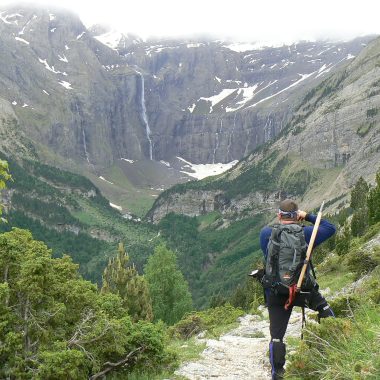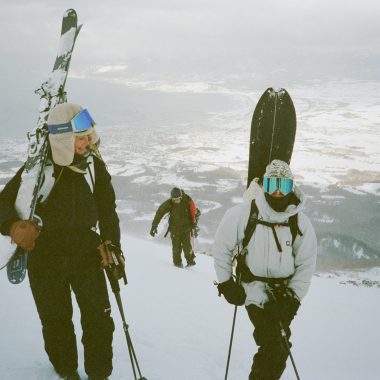
Embarking on your first hiking adventure can be both exciting and intimidating. You might wonder: what does a beginner hiker need to ensure a safe, comfortable, and enjoyable experience? Whether you’re planning to explore local trails or prepare for a more extensive outdoor adventure, knowing the essentials is crucial. This comprehensive guide will walk you through everything a novice hiker needs to hit the trail confidently. From gear to planning, safety, and practical tips, let’s dive into the essentials to answer your question: what does a beginner hiker need?
Building a Foundation: Understanding the Basic Needs of a Beginner Hiker

Before diving into specific gear and techniques, it’s vital to understand what makes hiking enjoyable and safe for beginners. Trail selection, physical preparation, and mental readiness all play key roles in your outdoor success. For beginners, the main goal is to develop confidence, learn navigation skills, and understand how to avoid common pitfalls.
Hiking is more than walking; it’s about connecting with nature, pushing personal boundaries safely, and cultivating respect for the environment. Therefore, understanding your own limits and preparing accordingly is fundamental. This foundation will shape your gear choices, planning, and overall hiking approach.
When considering what does a beginner hiker need?, the answer integrates physical fitness, knowledge, and appropriate gear, blending to ensure you enjoy your hike and return safe and sound. Let’s now explore the essential gear you’ll need to get started, focusing on every aspect from clothing to navigation tools.
Essential Hiking Gear for Beginners – Building Your Adventure Kit

A well-packed gear list is the backbone of a successful hike. For beginners, prioritizing lightweight, versatile, and durable equipment is wise. Proper gear not only enhances comfort but also increases safety.
Having the right gear also boosts confidence, allowing you to focus on enjoying the scenery rather than worrying about potential hazards or discomforts. Let’s examine the key categories of hiking gear and what each includes for the beginner hiker.
Choosing the Right Footwear: The Foundation of Comfortable Hiking
One of the most critical elements of what does a beginner hiker need is appropriate footwear. Your shoes are your primary link to the trail; thus, they need to be supportive, comfortable, and suited to the terrain.
Trail Shoes vs. Hiking Boots
Beginners often ask whether to choose trail shoes or hiking boots. Trail shoes are lightweight, flexible, and perfect for well-maintained trails. Hiking boots are sturdier, provide ankle support, and are ideal for rougher terrains or longer hikes. An intermediate choice could be hiking shoes that combine flexibility with support.
Key Features to Look For
Look for shoes with a good grip, water resistance, proper ventilation, and enough cushioning to prevent blisters and fatigue. Try on multiple pairs, walk around in them, and ensure they fit snugly but not tightly.
Breaking in Your Shoes
Never hit the trail in brand-new shoes. Break them in first during short walks to prevent blisters and discomfort on your hike. Invest in quality footwear; it can significantly improve your experience.
Selecting Appropriate Clothing: Comfort, Layers, and Weather Readiness
Clothing choices greatly influence your hiking enjoyment and safety, especially for beginners unfamiliar with variable weather conditions. The key principles are layering, moisture-wicking materials, and weather protection.
Layering System
The ‘layering system’ involves wearing multiple clothing layers that you can add or remove based on temperature and activity levels. Start with a moisture-wicking base layer to keep sweat away from your skin. Add an insulating layer like fleece or down if it’s cold. Finally, wear a waterproof or windproof outer shell against rain and wind.
Weather Considerations
Always check the weather forecast before heading out. Rain jackets or ponchos, hats, and UV-protection sunglasses are must-haves for unpredictable weather. If hiking in colder climates or seasons, pack thermal underwear and insulated gloves.
Comfort and Mobility
Avoid cotton clothing, as it traps moisture and can lead to chills. Instead, opt for synthetic or wool fabrics that dry quickly and maintain warmth even when wet.
Essential Navigation and Safety Tools: How to Stay on Track and Safe
Navigation is a must-have for every beginner hiker to prevent becoming lost and to read trail maps effectively. Carrying reliable tools coupled with knowledge is pivotal for your safety and confidence.
Maps and Compasses
Paper maps and compasses are inexpensive and reliable. Learn basic navigation skills, such as orienting the map and reading terrain features. Always carry a compass if you’re venturing into less-marked areas.
GPS Devices and Smartphone Apps
While GPS devices and apps provide comfort and real-time tracking, do not solely depend on them as batteries can die or signals can be lost. Keep a backup map and compass as redundancy.
Safety Essentials
Practical items like a whistle, flashlight or headlamp, multi-tool, and a first aid kit are non-negotiable. A small personal Locator Beacon (PLB) or satellite messenger can be helpful for remote areas.
Preparing for Emergencies
Always inform someone about your route and expected return time. Carry a small notebook or mobile device to record your plans and keep emergency contacts handy.
Planning Your Trail and Duration: How to Choose the Perfect Beginner-Friendly Hike
Proper trail selection can make or break your first hiking experience. As a beginner, focus on trails that match your fitness level, offer scenic views, and have straightforward navigation.
Assess Your Fitness Level
Start with short, flat trails to build confidence and endurance. Once comfortable, gradually increase trail length and difficulty. Avoid overly technical or strenuous routes initially.
Research Trail Conditions and Features
Use reputable sources like park websites, apps, and local hiking groups to find beginner-friendly trails with clear signage and maintained paths. Check for trail length, elevation gain, and nearby facilities.
Weather and Timing
Plan hikes during favorable weather, typically in the morning or late afternoon to avoid midday heat or thunderstorms. Start with daylight hours; hiking in the dark should be avoided by beginners.
Legal and Safety Considerations
Ensure the trail is open and permits are obtained if necessary. Respect local guidelines about wildlife, trail use, and camping regulations. Carry sufficient water, snacks, and additional clothing for changing conditions.
| Trail Feature | Suitable for Beginners | Key Points |
|---|---|---|
| Trail length | Short (less than 5 miles) | Less tiring, easier to manage |
| Elevation gain | Minimal (less than 500 feet) | Less strenuous, manageable for inexperienced hikers |
| Trail surface | Well-maintained, dirt or gravel | Safer, reduces risk of slips and injuries |
| Signage and Directions | Clear and frequent | Easier to navigate, reduces chances of getting lost |
| Facilities and amenities | Parking, rest areas, water sources | Enhances convenience and comfort during your hike |
FAQs: Addressing Common Questions for Beginner Hikers
What does a beginner hiker need to pack for a day hike?
A beginner hiker should pack essentials such as water, snacks, a first aid kit, navigation tools, weather-appropriate clothing, and a charged mobile phone. A lightweight backpack will carry these items comfortably.
How can I avoid getting lost on my first hike?
Learn basic map-reading and navigation skills before heading out. Always carry a physical map and compass, and use GPS devices as supplements. Stick to marked trails and inform someone about your route.
What should I wear hiking for the first time?
Wear moisture-wicking base layers, comfortable hiking shoes, weather-appropriate outerwear, and sun protection. Dress in layers for adaptable comfort across changing conditions.
Is it necessary to hike with companions as a beginner?
While solo hiking is possible, beginners benefit from hiking with experienced friends or groups. They can offer guidance, make routes safer, and share the experience, especially for first-timers.
How do I prepare physically for my first hike?
Start with easy walks and gradually increase distance and elevation. Incorporate cardiovascular exercises such as walking, cycling, or swimming. Building endurance ensures a more enjoyable hike.
Conclusion
Understanding what does a beginner hiker need is fundamental to starting your outdoor adventure safely and confidently. Equipping yourself with the right footwear, appropriate clothing, navigation tools, and well-chosen trails creates a supportive foundation for enjoyable hikes. Preparing mentally, physically, and practically enables first-timers to explore nature while minimizing risks. As you gain experience, you’ll refine your gear and skills, making each hike more rewarding. Remember, the key to a successful hike lies in thoughtful planning, proper gear, and a curious, respectful attitude toward nature. Embark on your hiking journey well-prepared, and the trails will reward you with unforgettable experiences.