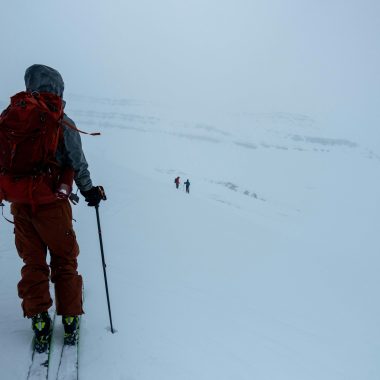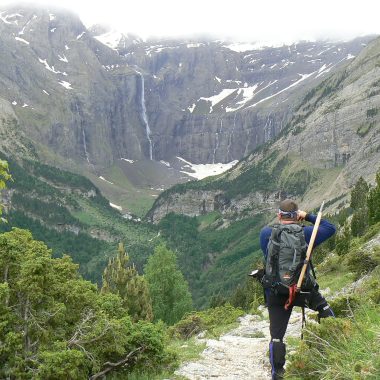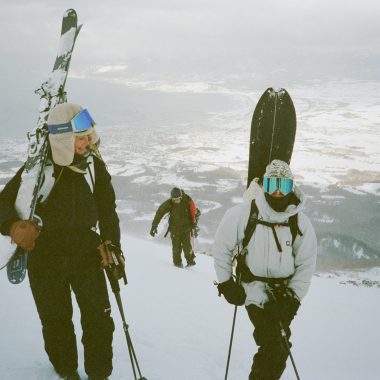
Embarking on a hiking adventure requires more than just a good pair of shoes and a sense of adventure; it demands the right outfit to ensure comfort, safety, and enjoyment. So, what is the best outfit to wear when hiking? The ideal ensemble depends on various factors such as weather, terrain, duration, and personal preferences. In this comprehensive guide, we’ll explore how to select the perfect hiking outfit to maximize your experience amidst nature’s beauty.
Understanding the Essentials of a Hiking Outfit – Why Proper Clothing Matters for Your Safety and Comfort

Before diving into specific clothing items and gear, it’s crucial to understand why choosing the right outfit is fundamental to a successful hike. Proper clothing doesn’t just enhance comfort; it plays a significant role in managing weather conditions, preventing injuries, and boosting your confidence on challenging trails.
When asking what is the best outfit to wear when hiking, the answer revolves around balancing functionality, comfort, and protection. Well-chosen hiking apparel minimizes the risk of blisters, chafing, sunburn, and hypothermia. It also allows easier movement, supports quick-drying, and facilitates moisture management—vital factors for maintaining energy and focus during your trek.
Hikers frequently overlook the importance of layering—wearing multiple garments that can be added or removed based on changing conditions. A thoughtful outfit is the foundation for an enjoyable, safe hike, regardless of the trail difficulty or weather fluctuations.
Layering Techniques and Weather-Adapted Clothing for All Seasons

Layering is a fundamental concept for what is the best outfit to wear when hiking, especially because weather conditions can be unpredictable. By understanding the three main layers—base, insulation, and shell—you can customize your clothing to stay comfortable and dry throughout your journey.
Base Layer: The Foundation of Comfort and Moisture Control
What to wear as a base layer? The primary role of this layer is to wick sweat away from your skin, keeping you dry and preventing chafing. Fabrics like merino wool, polyester, or synthetic blends are excellent choices.
Merino wool is favored by many seasoned hikers for its natural ability to regulate temperature and resist odors. Synthetic materials, on the other hand, dry faster and are often more affordable, making them popular for intensive hikes. Aim for a form-fitting shirt that offers breathability and quick-drying properties, especially critical during strenuous climbs or warm weather.
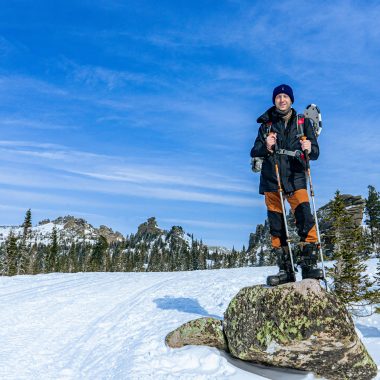
In hot conditions, lightweight, short-sleeved moisture-wicking shirts are ideal, whereas in colder climates, long-sleeved base layers provide added insulation. For winter hikes, consider thermal base layers designed explicitly for cold weather, ensuring warmth without bulk.
The importance of choosing the right base layer cannot be overstated since it directly influences overall comfort and energy efficiency. A proper base layer prevents chills and overheating, making your hike more pleasant and safe.
Insulation Layer: Maintaining Body Heat During Colder Conditions
What to wear as an insulation layer? This layer is meant to trap body heat, especially when the weather drops or if you ascend into higher altitudes where temperatures are lower. Fleece, down, or synthetic insulated jackets are popular choices.
Fleece jackets are lightweight, breathable, and quick-drying, making them perfect for intermediate insulation. Down jackets are incredibly warm but less effective when wet, so they are ideal for dry, cold days. Synthetic insulated jackets mimic down’s warmth but perform better in damp conditions, verified through their moisture-wicking and quick-drying features.
How to select an insulation layer? Consider the level of activity and expected weather. If you’re venturing into winter or higher elevations, layering a thermal insulator under a waterproof shell is recommended. For transitional weather or summer evenings, a lightweight fleece may suffice.
The benefit of layering with an insulation piece lies in its versatility. You can add or remove this layer depending on how your body responds to temperature changes, ensuring you stay comfortably warm without overheating or excessive sweating.
Shell Layer: Protecting Against Wind, Rain, and Snow
What to wear as a shell layer? A waterproof and windproof jacket or pants provide essential protection against unpredictable weather elements. Gore-Tex and other waterproof membranes are popular for their durability and breathability.
A shell layer should shield you from rain, snow, and wind, all of which can sap body heat and lead to hypothermia if unprotected. Modern shell jackets often incorporate ventilation zippers and adjustable hoods, allowing for customized airflow and head protection.
Choosing the right shell depends on the intensity of rain and wind, as well as your activity level. For light rain or wind, a windbreaker might suffice, but for heavier downpours, a fully waterproof, breathable rain jacket is preferable.
Layering effectively with a shell involves ensuring it fits comfortably over your insulating and base layers without restricting movement. An adjustable fit and good ventilation are keys to comfort during strenuous activities.
Choosing Footwear and Accessories to Complete Your Hiking Outfit

While clothing plays a vital role, your footwear and accessories make or break your hiking experience. The right shoes can prevent blisters and injuries, while accessories like hats and gloves protect you from environmental factors.
Selecting the Perfect Hiking Shoes – Comfort Meets Protection
What is the best type of footwear for hiking? The answer depends on terrain, weather, and your return preferences for comfort and support.
Choosing between hiking boots and trail running shoes hinges on the trail’s ruggedness and your personal comfort. Hiking boots with ankle support and sturdy soles excel on uneven, rocky terrain, while trail runners are lighter, more breathable, and suitable for well-maintained or less challenging paths.
Features to look for include waterproofing, good traction, adequate cushioning, and breathability. Well-fitted shoes designed for your foot shape reduce blisters and improve stability, especially during long treks.
Tips for footwear selection involve breaking in new shoes before your trip, considering custom insoles for added comfort, and investing in quality socks to prevent friction and moisture buildup.
Accessories for Safety and Comfort – Hats, Gloves, and Sunglasses
Completing your tactical hiking outfit involves accessories that shield you from environmental hazards. A wide-brimmed hat or cap protects your face and neck from sun exposure, reducing the risk of sunburn.
Why are gloves important? Lightweight, moisture-wicking gloves safeguard your hands from cold and abrasive surfaces, while insulated gloves are vital in extreme cold conditions. Proper gloves provide enhanced dexterity and warmth, which are critical in maintaining grip and preventing frostbite.
The necessity of sunglasses in your hiking ensemble cannot be underestimated. UV-protective sunglasses shield your eyes from harmful sun rays reflecting off snow or water surfaces, reducing eye strain and enhancing visibility.
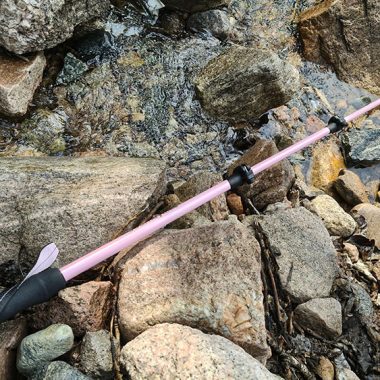
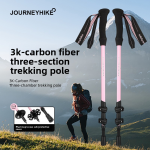
Additional accessories like gaiters, trekking poles, and headlamps further support your hiking outfit. Gaiters keep debris out of your footwear, trekking poles improve stability, and headlamps ensure safe navigation in low-light conditions.
FAQs — Common Questions About Choosing the Optimal Hiking Outfit
What is the best outfit to wear when hiking in hot weather?
Opt for lightweight, moisture-wicking shirts, breathable hiking shorts or pants, a wide-brimmed hat, sunglasses, lightweight trail shoes or sandals, and sun protection like sunscreen. Layering is less critical, but sun protection and proper footwear are essential.
How can I adapt my outfit for cold weather hiking?
Layer up with thermal base layers, insulated jackets, waterproof shells, and accessories like gloves, hats, and thermal socks. Ensure clothing is windproof and waterproof, and carry additional layers for changing conditions.
What should I wear if the weather forecast predicts rain?
Choose waterproof pants and jackets with a good waterproof rating. Use quick-drying base layers and wear waterproof shoes or boots. Carry a packable rain poncho or waterproof cover for extra protection.
Are synthetic or natural fibers better for hiking apparel?
Synthetic fibers dry faster, are generally more affordable, and wick moisture efficiently. Natural fibers like merino wool offer natural odor resistance and warmth, making them excellent for multi-day hikes.
How do I select the right hiking shoes for my foot type?
Get a professional fitting if possible, considering arch support, foot width, and gait. Look for shoes that match the terrain—sturdy boots for rugged trails, lighter shoes for easy paths—and ensure they fit comfortably with socks.
Conclusion
Understanding what is the best outfit to wear when hiking can significantly elevate your outdoor experience by ensuring comfort, safety, and efficiency throughout your trek. Key considerations include choosing appropriate base, insulation, and shell layers tailored to weather conditions, as well as selecting supportive footwear and protective accessories. Your hiking attire should be adaptable, lightweight, moisture-wicking, and weather-appropriate. Proper planning and layered clothing allow you to enjoy nature’s beauty while staying protected from the elements, preventing injuries, and optimizing your overall adventure. With these insights, you’re well-equipped to pick the perfect hiking outfit for any terrain or climate, making every step of your journey enjoyable and safe.