Embarking on a hiking adventure can be one of the most rewarding outdoor experiences, offering breathtaking views, physical challenge, and mental clarity. However, to fully enjoy the wilderness and stay safe, knowing what hiking gear to buy is crucial. In this comprehensive guide, we’ll explore the essentials, share expert insights, and help you select the right equipment tailored to your hiking needs.
Understanding the Critical Role of Proper Hiking Gear in Your Adventure
When planning a hike, many tend to focus on the route or their fitness level but overlook the significance of appropriate gear. Proper hiking equipment doesn’t just improve comfort; it ensures safety and enhances enjoyment. Whether you’re a beginner or an experienced trekker, the right gear acts as your shield against unpredictable weather, rough terrains, and emergency situations.
Choosing what hiking gear to buy involves assessing your hiking environment, duration, and personal preferences. It’s about investing in quality, lightweight, durable, and versatile items that serve multiple purposes. Proper gear can prevent injuries, keep you dry, provide warmth, and even boost your confidence as you traverse challenging terrains.
In this section, we’ll delve into how the right gear influences your hiking experience, the importance of selecting quality items, and how to approach your gear purchase wisely. Remember, while the right equipment may seem costly initially, it pays off in safety, comfort, and durability.
Essential Hiking Clothing and Footwear – The Foundation of Your Hiking Gear

Choosing the appropriate clothing and footwear is fundamental as they directly impact your comfort, mobility, and safety. In this section, I will explain the factors influencing clothing choices and footwear selection and how they tie into what hiking gear to buy.
Clothing layers for varying weather conditions
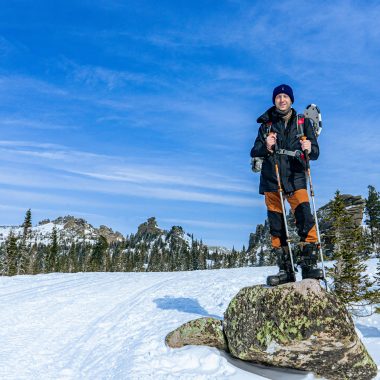
One of the most effective strategies in hiking attire is layering. It enables you to adapt quickly to changing weather and exertion levels. The three main layers include the base layer, insulating layer, and waterproof shell.
The base layer (next to your skin) should wick moisture away and prevent chafing. Materials like merino wool or synthetic fibers excel here. The insulating layer provides warmth; synthetic fleece, down or wool, captures body heat effectively. The waterproof shell shields you from rain and wind, ensuring dryness and regulating temperature.
Investing in high-quality, breathable clothing that manages moisture and temperature will minimize discomfort and reduce the risk of hypothermia or overheating. When selecting what hiking gear to buy, prioritize multifunctional, quick-drying, and breathable options that can perform in various conditions.
Choosing the right hiking boots or shoes
Footwear is arguably the most critical component of outdoor gear. Proper hiking boots or shoes prevent blisters, provide ankle support, and improve traction. Selecting suitable footwear depends on terrain type, hike duration, and personal foot shape.
For rugged trails, sturdy hiking boots with ankle support and excellent tread provide stability and protect against uneven ground. For lighter or day hikes on well-maintained paths, trail runners or lightweight shoes might suffice, offering comfort and agility.
The fit should be precise—too tight causes blisters, too loose reduces control. Break in new footwear before extended outings to avoid discomfort on the trail. Durability, waterproofing, and grip are key attributes to consider when what hiking gear to buy for footwear.
How to use clothing and footwear effectively?
Using layered clothing allows quick adjustments to temperature fluctuations. Always pack an extra pair of socks to keep feet dry and prevent blisters. Wearing moisture-wicking base layers reduces chafing, while waterproof shoes or gaiters protect from mud and water ingress.
Proper footwear maintenance, like cleaning and waterproofing, extends their lifespan. Remember, invest in quality gear that aligns with your hiking environment, and always prioritize fit and comfort.
Essential Hiking Accessories – Your Equipment for Safety and Convenience
While clothing and footwear form the foundation, accessories complete your gear setup, turning a good hike into an exceptional adventure. Selecting what hiking gear to buy in this category involves focusing on safety, navigation, and convenience.
Navigation tools and safety equipment
Navigational aids such as maps, compass, or GPS devices are vital, especially for remote or less-marked trails. Modern GPS watches and smartphone apps with offline capabilities make navigation more accessible, but always carry backup options.
Safety gear includes first aid kits, whistle, multi-tools, and headlamps. A well-stocked first aid kit should address minor injuries and minor ailments. Multi-tools provide versatility, and headlamps ensure visibility if your hike extends into low-light conditions.
Learning to use navigation tools and safety equipment effectively can prevent you from getting lost or injured. When considering your packing list, these safety accessories are non-negotiable parts of what hiking gear to buy.
Hydration and nutrition supplies
Staying hydrated and fueled is crucial for sustained energy and overall health during your hike. Reusable water bottles or hydration bladders are the most common choices, with some hikers opting for portable water filters for refilling from natural sources.
Energy snacks such as trail mix, energy bars, or dried fruit should be easily accessible. For longer hikes, consider bringing lightweight portable stoves or sideline cooking gear to prepare warm meals or drinks, especially in cold conditions.
Proper hydration and nutrition gear help prevent fatigue, dehydration, and hypothermia, reinforcing the importance of choosing reliable containers, filtration systems, and nutritious snacks when deliberating what hiking gear to buy.
How to maximize the utility of hiking accessories?
When selecting hiking accessories, prioritize lightweight, multi-purpose equipment that doesn’t weigh you down. Always pack essentials tailored to your specific trail, weather, and duration. Regularly inspect and maintain your safety and hydration gear to ensure functionality when needed.
Sheltering and Sleeping Equipment for Multi-day Trekking
For those embarking on longer hikes or overnight trips, shelter and sleeping gear are critical for rest, recovery, and protection from the elements. Knowing what hiking gear to buy in this category ensures a safe and comfortable experience in the wilderness.
Various shelter options for different environments
From ultralight tents to hammocks and bivvy sacks, the choice depends on terrain, climate, and personal preference. Ultralight tents with quick setup are popular among minimalist hikers, while more substantial tents provide enhanced protection against wind and rain.
Hammocks are ideal in forested areas with sturdy trees, offering a comfortable sleeping option with good ventilation. Bivy sacks serve as compact, durable options for emergency shelter or minimalist overnight stays.
Selecting a tent or shelter that balances weight, durability, and ease of setup is fundamental. When considering your gear, always evaluate your environment and choose an option that offers protection against wind, rain, and insects.
Sleeping bags and pads for warmth and comfort
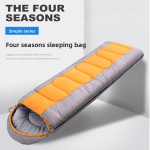
Sleeping gear must cater to expected temperatures, aiming for a bag rated at least a few degrees below the forecasted lows. Mummy-shaped sleeping bags are excellent for insulation, reducing heat loss, while foam or inflatable sleeping pads provide cushioning and improve thermal insulation from the ground.
Combining the right sleeping bag with a quality pad greatly influences sleep quality, which in turn affects your energy levels and safety. Materials like synthetic fill or down each have advantages—synthetic performs better when wet but is heavier; down offers superior warmth-to-weight ratio but requires dry conditions.
How to use sleeping gear effectively involves choosing the right size, filling, and insulation to match your trip needs, and properly storing and maintaining your equipment to ensure longevity.
Practical guidance for choosing shelter and sleep systems
When choosing your shelter and sleeping arrangements, consider pack weight, ease of setup, and climate compatibility. Always perform trial runs with your gear at home or before your trip to familiarize yourself with assembly and ensure comfort. Investing in multi-use items, like a tarp that can serve as a rain cover or windbreak, enhances versatility.
FAQs – Your Common Questions About What Hiking Gear to Buy?
Q1: How do I know what hiking gear is necessary for a beginner?
A1: For beginners, focus on essential items like comfortable shoes, moisture-wicking clothing, a hydration system, navigation tools, a basic first aid kit, and a lightweight backpack. Over time, you can add specialized gear as your hiking skills and needs evolve.
Q2: Is it better to buy expensive hiking gear or cheaper alternatives?
A2: While budget gear can suffice for casual hikes, investing in higher-end equipment ensures better durability, comfort, and safety in challenging conditions. Balance your budget with your hiking frequency and environment.
Q3: How do I maintain my hiking gear for longevity?
A3: Clean and dry your gear after each trip, store it in a cool, dry place, and perform regular inspections to replace worn parts. Waterproofing treatments and patching small tears extend the lifespan.
Q4: What are must-have items for cold-weather hikes?
A4: In addition to layered clothing, pack insulated sleeping bags, insulated mats, thermal gloves, hats, and windproof, waterproof outer layers to stay warm and dry.
Q5: How can I determine the right size and fit for hiking shoes?
A5: Try shoes late in the day when your feet are swollen to ensure a proper fit. Wear the socks you plan to hike in, and leave a thumb’s width of space at the toe to prevent chafing.
Conclusion
Choosing what hiking gear to buy is an integral part of planning a successful and enjoyable outdoor adventure. From selecting durable clothing and supportive footwear to ensuring safety with navigational tools and safety gear, each piece plays a vital role. For multi-day trips, appropriate shelter and sleeping systems are indispensable, providing rest and protection from the elements. Making informed choices based on terrain, climate, and personal preferences will maximize comfort, safety, and overall experience. Remember, investing in quality gear adds to your confidence and safety, empowering you to explore nature’s wonders fully. As you prepare your gear, prioritize versatility, durability, and comfort, and always optimize your equipment to match your adventure’s demands—after all, your gear is your most valuable outdoor companion.