Embarking on a hike often conjures images of scenic trails, peaceful nature, and a feeling of accomplishment. However, not all hikes are created equal. Some require minimal effort, while others challenge even the most seasoned adventurers. Among these, What is 3rd class hiking? sits in an intriguing space—moderate technical terrain that demands more skill, confidence, and preparation.
This comprehensive guide will explore what exactly 3rd class hiking entails, its differentiations from other classes, safety considerations, gear recommendations, and practical insights to enhance your outdoor experience. Whether you’re a novice aiming to understand the spectrum of hiking difficulty or an avid hiker seeking to expand your skills, this article provides detailed, expert insights into 3rd class hiking.
Defining 3rd Class Hiking – The Middle Ground of Technical Challenges in Trails
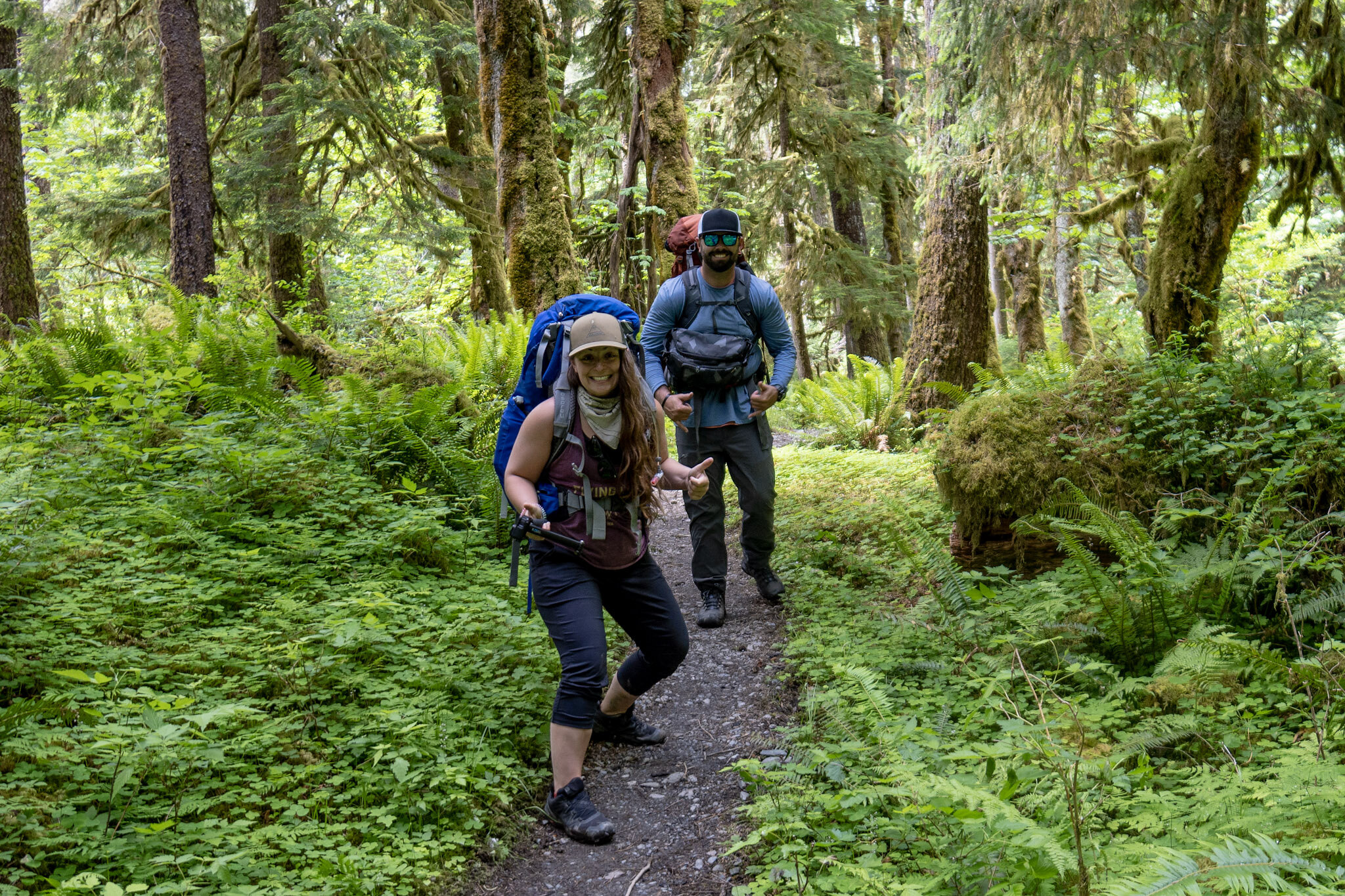
The outdoor adventure community often categorizes hikes based on their difficulty, exposure, and technical demands. What is 3rd class hiking? Basically, it occupies the middle tier of technical trail classifications, serving as a bridge between relatively easy scrambles and more dangerous, vertical climbs.
In essence, 3rd class hiking involves sections where hikers are required to use both hands and feet—sometimes significantly—to navigate the terrain safely. The terrain is characterized by moderate to steep rock slabs, ledges, or ridges that can be kept safely with proper technique but can be hazardous if approached irresponsibly.
Understanding this classification is essential as it informs the hiker about necessary skills, risk management, and equipment. Unlike first and second classes, where trails are generally straightforward and safe, the 3rd class demands increased awareness and a moderate level of technical ability. Think of it as a controlled adventure—where the thrill comes from the challenge but safety remains paramount.
Furthermore, What is 3rd class hiking? also highlights the importance of assessment and preparation. The route you choose can vary based on weather conditions, individual skill levels, and available equipment. It’s an exciting realm for those looking to push boundaries but also requiring responsible decision-making to avoid accidents.
Technical Characteristics and Trail Features of 3rd Class Hiking
Before venturing into what is 3rd class hiking?, it’s important to grasp the defining aspects and features of these terrains. These characteristics influence how to prepare, what gear to use, and what skills to hone.
The Terrain: Rock Strongholds and Ridges
In 3rd class hiking, the trail often involves navigating rocky slopes, exposed ridges, and moderate cliffs. These areas might feature loose stones, uneven footing, and narrow pathways that demand careful foot placement. Hikers usually encounter vertical sections requiring deliberate handholds and footholds to ascend or descend safely.
The terrain is unpredictable, and weather plays a significant role. Wet or icy conditions can make rocks slippery, transforming relatively safe paths into hazardous zones. The stability of loose gravel or crumbling rock is a vital consideration in this class of hiking.
Obstacle Types and Their Management
Common obstacles include exposed ledges, rocky steps, and thin ridges. Moving across these sections requires a good sense of balance, steady nerves, and often, the use of basic climbing techniques. Some hikers may need to use their hands for stability, but full-on technical climbing gear isn’t usually necessary.
The routes might feature some natural handholds or use of minimal technical gear like low-angle ropes or chains, especially on steeper or more exposed sections. Hikers should be comfortable with basic scrambling movements and confident in their ability to assess risk.
Risk Factors and Safety Precautions
Risks in 3rd class hiking encompass falls, loose rocks, sudden weather changes, and fatigue. A key point is that while the terrain might seem manageable, misjudgment can lead to dangerous situations.
To stay safe, always check weather forecasts, assess your skill level critically, and consider hiring a guide or experienced partner if the terrain appears daunting. Using the three-point contact rule (both hands and one foot or both feet and one hand on secure holds) is a simple yet effective safety practice.
| Terrain Features | Risk Level | Required Skills | Typical Equipment |
|---|---|---|---|
| Rock slabs & ledges | Moderate | Balance, handhold use | Helmet, sturdy footwear |
| Narrow ridges & exposed faces | High | Confidence, risk assessment | Ropes, harness (optional) |
| Loose gravel & stones | Moderate | Footwork stability | Trekking poles |
Skills, Equipment, and Techniques for Navigating 3rd Class Trails
Knowing what is 3rd class hiking is just the start; mastering it requires honing specific skills, using the right gear, and employing proven techniques.
Essential Skills for 3rd Class Hiking
Proper technique can significantly reduce risk in 3rd class hiking. Skills like controlled scrambling, proper use of your hands and feet on steep rock, and maintaining three points of contact are fundamental.
Confidence in movement and route-finding is crucial. The ability to read the terrain and decide whether to ascend, descend, or backtrack helps avoid dangerous sections. It’s equally important to recognize your limits and know when to turn back.
Practicing basic climbing skills such as patching loose rocks, body positioning, and handholds can increase safety and enjoyment. For instance, when ascending a rock face, leaning into the slope can help maintain balance, while descending requires control and the use of backstepping techniques.
Recommended Gear for Safe Navigation
Equip yourself with lightweight but sturdy gear tailored for scrambling terrain. Essential items include:
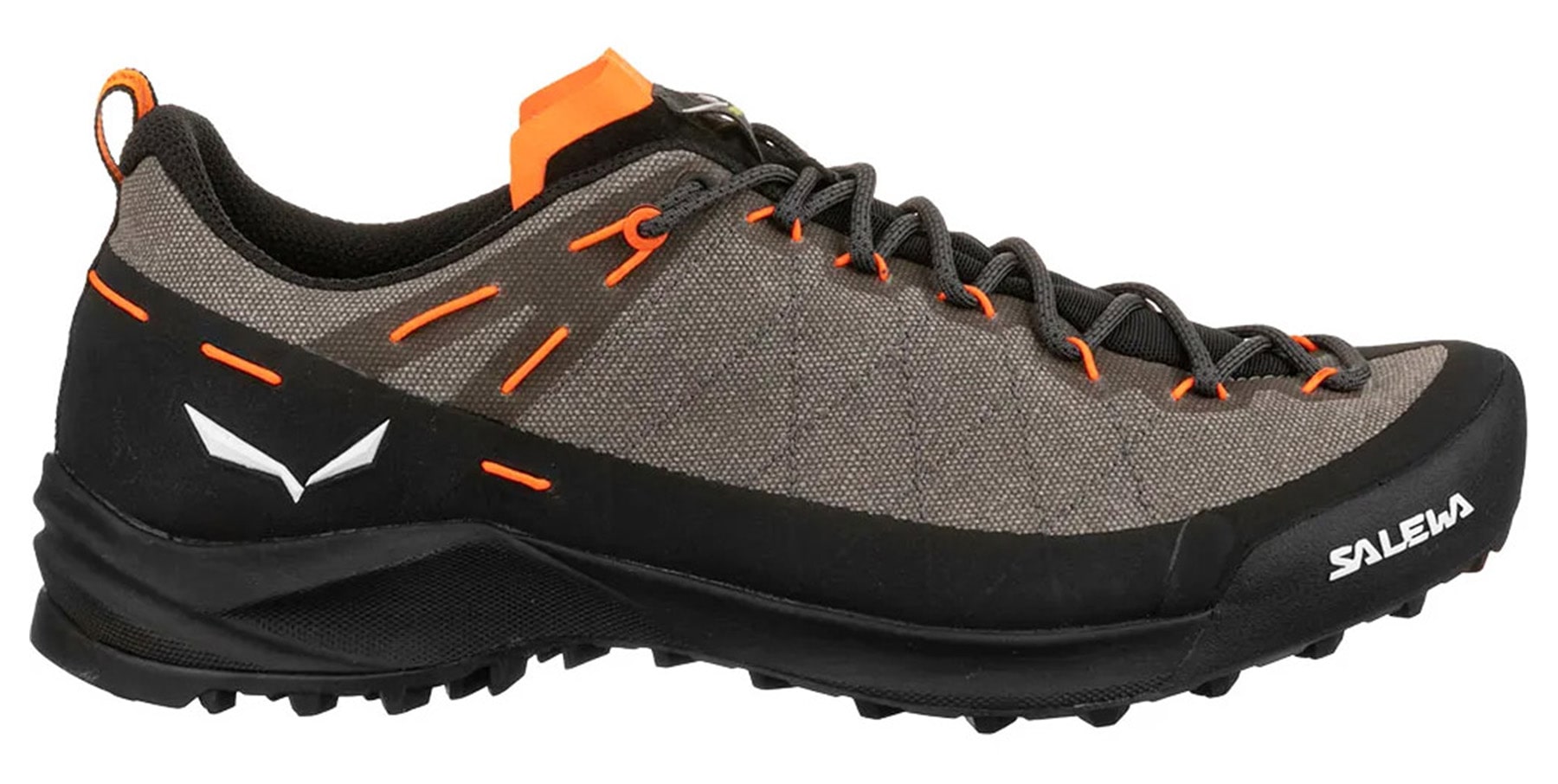
- Well-fitting climbing or approach shoes
- Helmet for protection against falling rocks
- Lightweight harness and ropes (for more advanced routes)
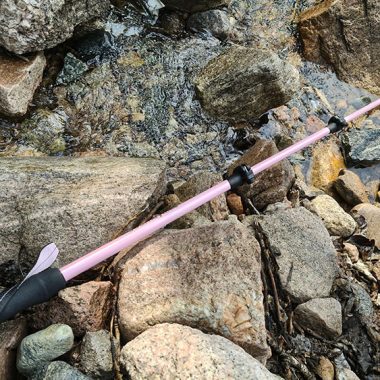
- Trekking poles for stability
- Climbing gloves to protect hands during grip
- Weather-appropriate clothing and emergency kit
Good gear mitigates risks while increasing efficiency. For What is 3rd class hiking?, understanding how to choose and use this gear can make the experience safer and more enjoyable.
Techniques to Conquer 3rd Class Terrain
When tackling a 3rd class section, approach it methodically. Keep your body close to the rock to maintain balance, test hand and footholds before trusting them, and always have multiple points of contact. Using your legs to push and your arms for stabilization prevents fatigue.
When encountering exposed sections, consider using natural features or placing removable protection if warranted. Taking deliberate, slow movements helps maintain control, and if you feel unsure, it’s wise to retreat or re-route rather than risk a fall.
How to use: What is 3rd class hiking? Practically, it means developing proficiency in these skills and techniques, so that you can safely enjoy more challenging landscapes without unnecessary risk.
How to Prepare and Safely Enjoy 3rd Class Hiking Adventures
Preparation is key to a safe and rewarding experience with 3rd class hiking. Understanding your limits, scouting routes, and practicing techniques beforehand can make all the difference.
Planning Your Route and Assessing Difficulty
Mapping your route beforehand with topographical maps and GPS tools helps identify technical sections. Look for trail guides or trip reports online to understand the terrain difficulty levels.
Always choose routes that match your skill level or slightly challenge you to foster growth. If uncertain about certain sections, consult with experienced hikers or guides.
Training and Practice Strategies
Building confidence in scrambling and technical movement can be achieved through practice at local climbing gyms or via guided outdoor courses. Focus on developing core strength, balance, and endurance, which are vital for navigating 3rd class terrain.
Engaging in regular exercises such as trail running, strength training, and balance drills enhances skill sets required for safer navigation of moderate technical trails.
Safety Tips and Risk Management Strategies
Stay connected with others, inform someone about your plans, and carry essentials like a first aid kit, communication device, and extra food and water. Regularly check weather updates to avoid getting caught in storms or snow.
Keep an eye on signs of fatigue or stress, which impair judgment and physical ability. Always have an exit plan and avoid pushing beyond your limits. Remember, a cautious approach ensures a memorable adventure rather than a risky ordeal.
FAQs about What is 3rd class hiking?
Q1: Is 3rd class hiking suitable for beginners?
Generally, no. It’s best suited for hikers with some scrambling experience and confidence in outdoor terrain. Beginners should start with easier trails before attempting 3rd class sections.
Q2: What equipment do I need for 3rd class hiking?
Essential gear includes sturdy hiking shoes, a helmet, potentially a harness and ropes for more challenging sections, trekking poles, and weather-appropriate clothing.
Q3: Can I hike 3rd class terrain alone?
Solo hiking in 3rd class terrain can be risky, especially if you’re inexperienced. It’s safer to go with an experienced partner or guide.
Q4: How do I know when to turn back on a 3rd class route?
If you feel unsafe, unsure of your footing, or encounter worsening weather or obstacles beyond your skill, it’s wise to retreat.
Q5: What are some common mistakes in 3rd class hiking?
Overconfidence, poor route planning, neglecting safety gear, and underestimating terrain difficulty are frequent errors that can lead to accidents.
Conclusion
What is 3rd class hiking? encompasses a moderate level of technical challenge that requires a mix of physical skill, judgment, and appropriate equipment. It offers adventurous trails with some exposure and scrambling, striking a balance between accessible hiking and more extreme climbs. By understanding the terrain features, developing core skills, preparing thoroughly, and respecting safety protocols, hikers can safely enjoy and conquer these terrains. With experience, 3rd class hiking becomes a fulfilling endeavor that pushes your limits while ensuring safety through knowledge and responsible practices.